Radiation-Powered Fungus Flourishes in Chernobyl, May Pave Way for Space Radiation Shields
Scientists discover a black fungus in Chernobyl that may harness radiation to survive, revealing a mysterious new biological process.
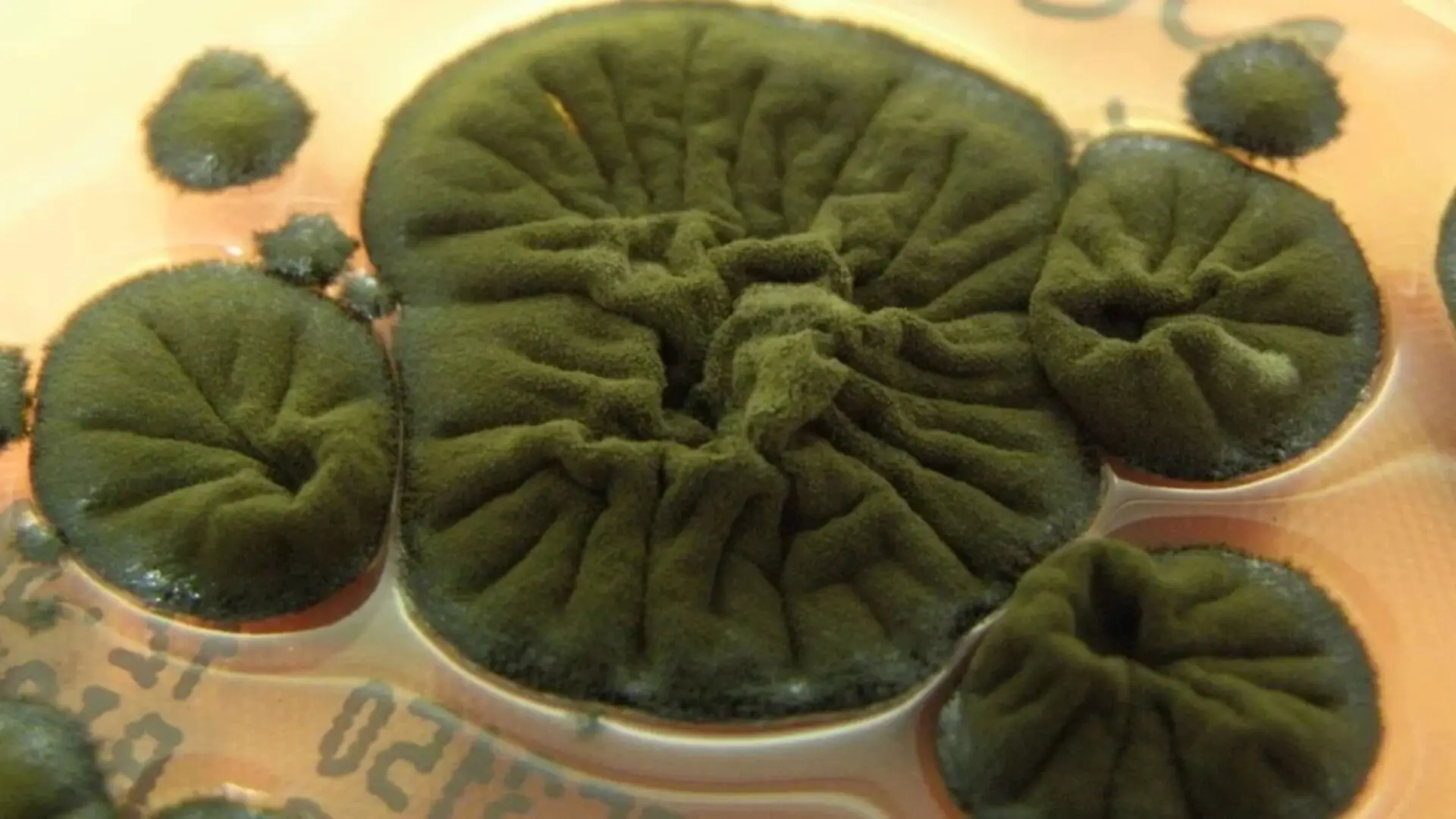
A newly identified black fungus growing within the shattered Chernobyl Nuclear Power Plant is forcing scientists to rethink how organisms can persist in radiation‑rich habitats. The study, appearing in PLOS One, identifies the species Cladosporium sphaerospermum and proposes that it may exploit residual radioactivity for metabolic gain, a process reminiscent of photosynthesis but driven by ionizing radiation.
Radiation‑Fuelled Fungus Thrives in Chernobyl’s Wreckage
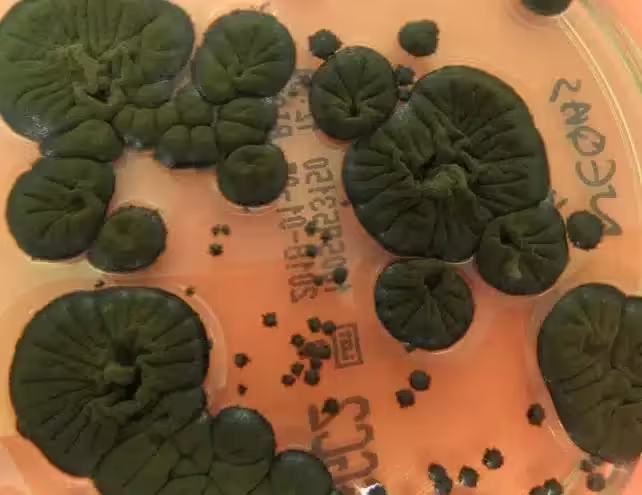
Almost four decades after the Unit Four reactor disaster, the Chernobyl Exclusion Zone remains largely uninhabited by people, yet a surprising spectrum of life has reclaimed the area. Among the most tenacious colonizers is C. sphaerospermum, a darkly pigmented fungus that flourishes amid the contaminated ruins.
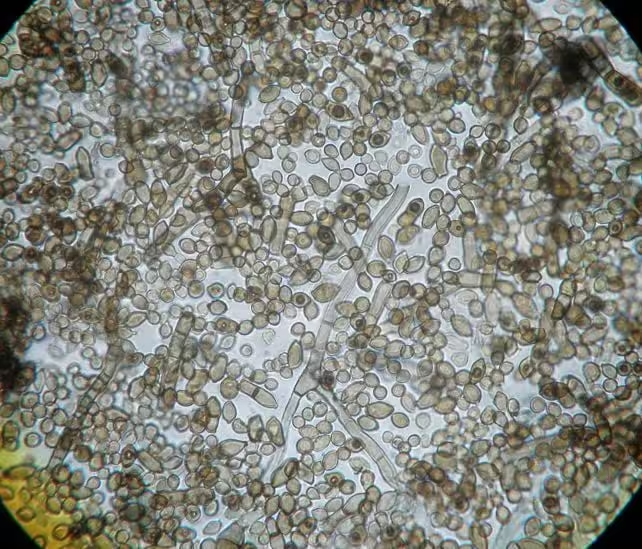
The organism’s cells are saturated with melanin, a pigment that not only darkens its appearance but may also enable it to capture and tolerate high levels of ionizing radiation. This adaptation challenges conventional wisdom about the limits of biological resilience in hostile environments.
Melanin‑Mediated Growth Under Ionizing Radiation
Field measurements at Chernobyl and controlled laboratory studies both showed that C. sphaerospermum expands more rapidly when exposed to radiation doses lethal to most other organisms. Researchers led by Ekaterina Dadachova and Arturo Casadevall at the Albert Einstein College of Medicine suggest that melanin may serve a dual function: shielding the fungus while also converting radiation into usable energy, a phenomenon they tentatively label “radiosynthesis.”
Nevertheless, the concept of genuine radiosynthesis remains unproven. Engineer Nils Averesch of Stanford University cautioned that “actual radiosynthesis, however, remains to be shown, let alone the reduction of carbon compounds into forms with higher energy content or fixation of inorganic carbon driven by ionizing radiation.” This underscores the need for deeper mechanistic studies.
Space‑Based Tests Reveal Shielding Potential
To probe the fungus’s capabilities beyond Earth, samples of C. sphaerospermum were dispatched to the International Space Station. When subjected to cosmic radiation, the colonies attenuated the radiation flux relative to control plates, hinting at a natural shielding effect. The experiment, aimed at evaluating biotechnological applications for long‑duration missions, suggests that melanin‑rich fungal layers could help protect astronauts and habitats from harmful radiation on deep‑space voyages or on planetary surfaces with elevated radiation levels.
Broader Consequences for Biotechnology and Exploration
If the underlying mechanisms can be deciphered, the ability of C. sphaerospermum to thrive on ionizing radiation could inspire new approaches to radiation protection, bio‑engineered materials, and even unconventional energy generation. Insights into melanin’s role may enable the design of synthetic organisms or composites that endure extreme conditions, expanding the toolkit for both terrestrial and extraterrestrial applications.
Open Questions and Future Research Directions
Key uncertainties persist, notably the absence of a fully mapped biochemical pathway for radiosynthesis. The observed growth advantage might represent a stress‑mitigation strategy rather than true energy capture. Ongoing investigations are extending the inquiry to related melanized species such as Cladosporium cladosporioides and Wangiella dermatitidis, whose varied radiation responses could clarify whether these traits are evolutionary adaptations or transient survival mechanisms. The work, detailed in PLOS One, aims to resolve these questions and assess the broader relevance of radiation‑leveraging microbes.
This article has been fact checked for accuracy, with information verified against reputable sources. Learn more about us and our editorial process.
Last reviewed on .
Article history
- Latest version
Reference(s)
- Dadachova, Ekaterina. “Ionizing Radiation Changes the Electronic Properties of Melanin and Enhances the Growth of Melanized Fungi.”, vol. 2, no. 5, pp. e457, doi: 10.1371/journal.pone.0000457. <https://journals.plos.org/plosone/article?id=10.1371/journal.pone.0000457>.
Cite this page:
- Posted by Rohan Kumar