How a $20 Aquarium Inspired a DIY Lung Bioreactor That Regrew a Human Lung
New research boosts regenerative medicine by showing how patients’ own cells can be used to rebuild organs, reducing reliance on donor transplants.
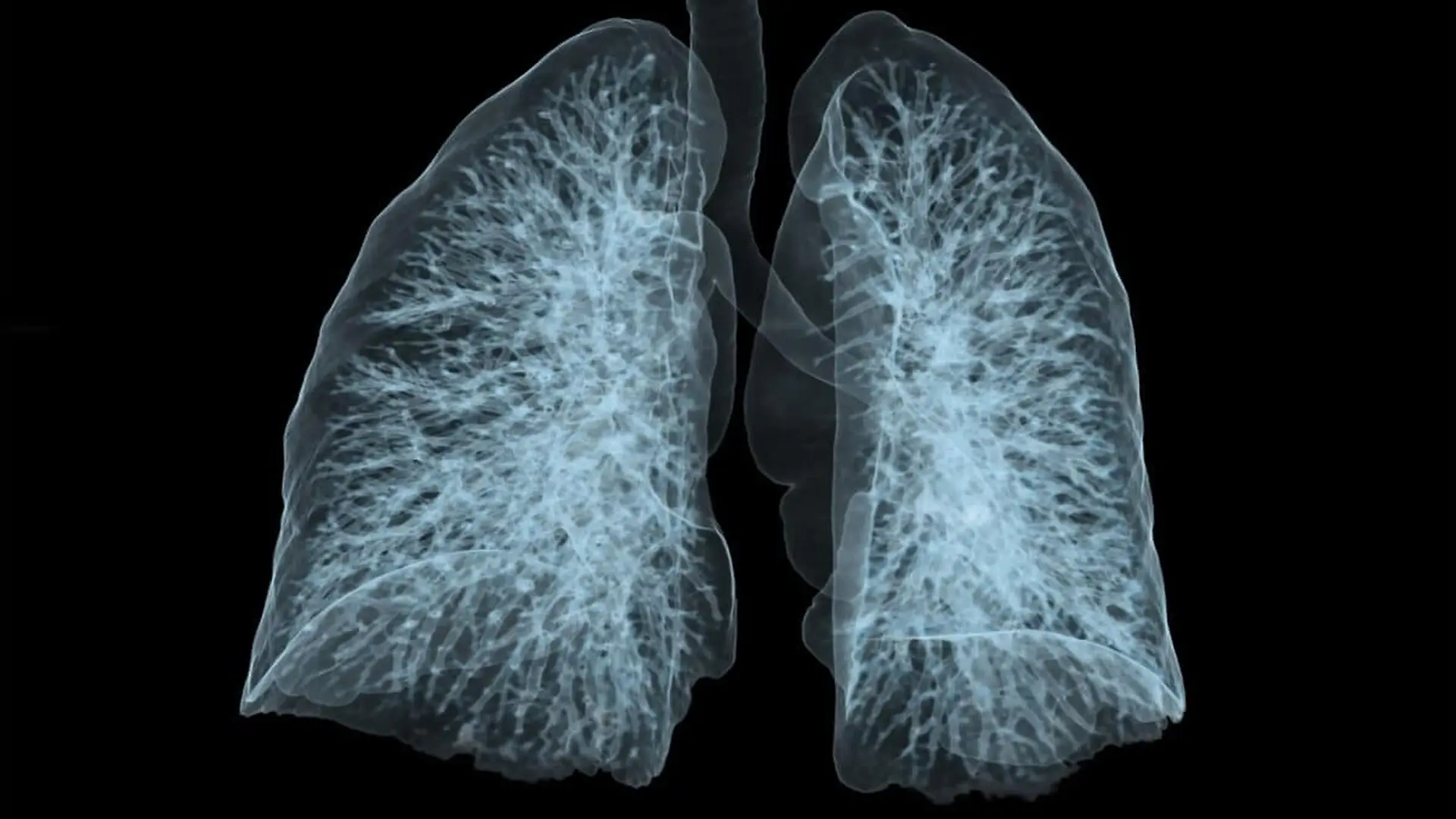
In 2010, while studying medicine at the University of Texas Medical Branch and supporting a wife and four children, Michael Riddle spotted a three‑and‑a‑half‑gallon aquarium in a Galveston pet shop that reminded him of a human chest cavity. That chance observation sparked the creation of a bioreactor capable of cultivating living lung tissue outside the body.
The system later enabled the growth of engineered pig lungs for transplantation into pigs and, according to Riddle, produced the first laboratory‑grown human lung. He eventually licensed the design to Harvard Apparatus, whose commercial version has become a workhorse for regenerative‑medicine research. Today Riddle practices medicine and leads Texas‑based biotech firm Mesogen, which focuses on personalized cell therapies.
Turning Unused Donor Lungs into Personalized Organs
Riddle’s method starts with lungs that are unsuitable for direct transplant. Researchers first strip the organs of their native cells through decellularization, leaving a white extracellular matrix that retains the organ’s architecture, proteins and microscopic framework.
The scaffold is then repopulated with cells harvested from the intended recipient in a process known as recellularization. As reported by Popular Mechanics, the aim is to convert otherwise discarded organs into custom‑made replacements built from the patient’s own cells.
The approach addresses a chronic donor‑organ deficit. At any moment more than 100,000 people are on lung‑transplant waiting lists in the United States, yet only 20 to 30 percent of donated lungs end up being implanted.
“A lot of lungs that are harvested for transplant time out because they couldn’t find a donor quickly enough, or there was something about that lung that made it unsuitable for transplant,” Riddle explained. “So there are many, many lungs—and other tissue for that matter—that end up getting thrown away.”
Personalized Cell‑Based Lung Regeneration
Traditional transplants rely on organs from another individual, known as allogeneic grafts. Because the recipient’s immune system flags these as foreign, patients must remain on lifelong immunosuppressive regimens, which increase susceptibility to infections and diminish natural anti‑cancer defenses.
Riddle argues that rebuilding an organ with the patient’s own cells could sidestep those complications. “To make a safe treatment for a patient, the cells have to come from the patient,” he said, noting that similar autologous strategies are under investigation for degenerative eye disease and Type 1 diabetes.
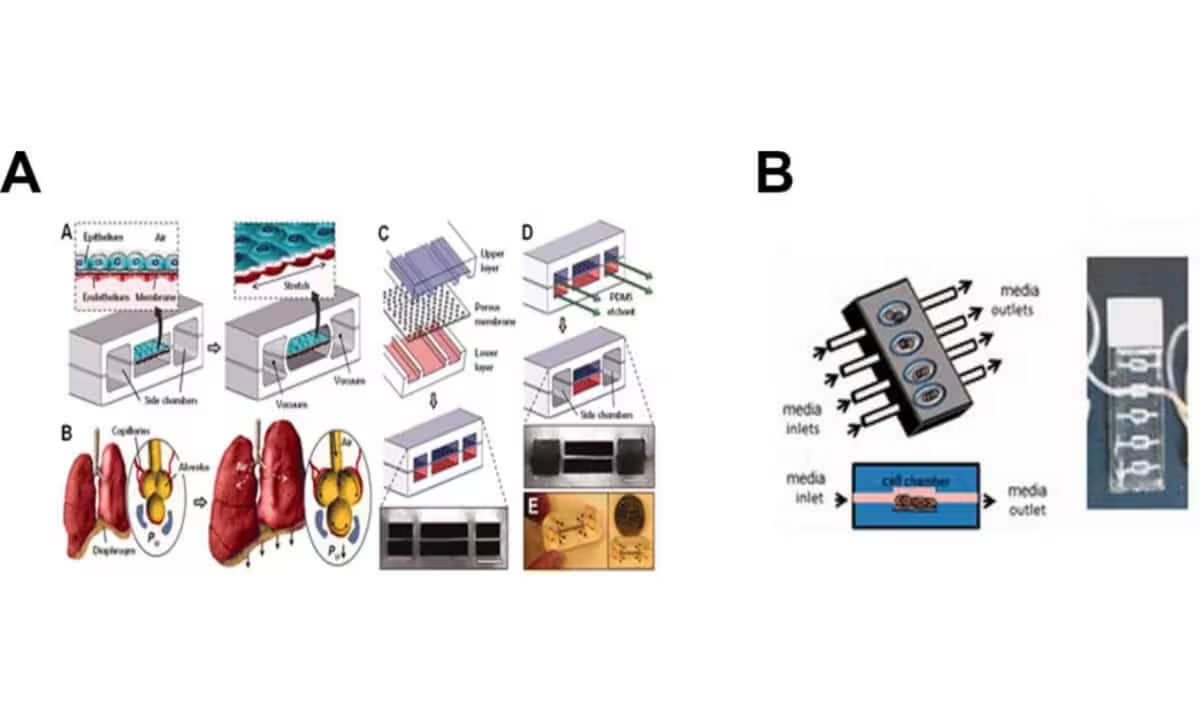
Beyond transplantation, laboratory‑grown human tissues could serve as testing platforms for new drugs, reducing reliance on animal models or simplified assays. A bioengineered lung, for instance, could allow researchers to evaluate therapeutic candidates directly on living human tissue before moving to clinical trials.
Remaining Hurdles on the Path to Clinical Application
While some teams pursue de novo organ printing, Riddle maintains that preserving the natural extracellular framework offers the most promising foundation. He points to work by regenerative‑medicine pioneer Doris Taylor at the Texas Heart Institute in the late 2000s, where decellularized donor hearts were repopulated with new cells. Although those hearts beat in the lab, they failed to generate sufficient force to pump blood effectively in vivo.
Charlie Ren, an associate professor of biomedical engineering at Carnegie Mellon University, highlighted the significance of Riddle’s findings, noting that “human‑scale lungs can be turned into cellular scaffolds and then partially repopulated with several human lung cell types in a dedicated lung bioreactor.”
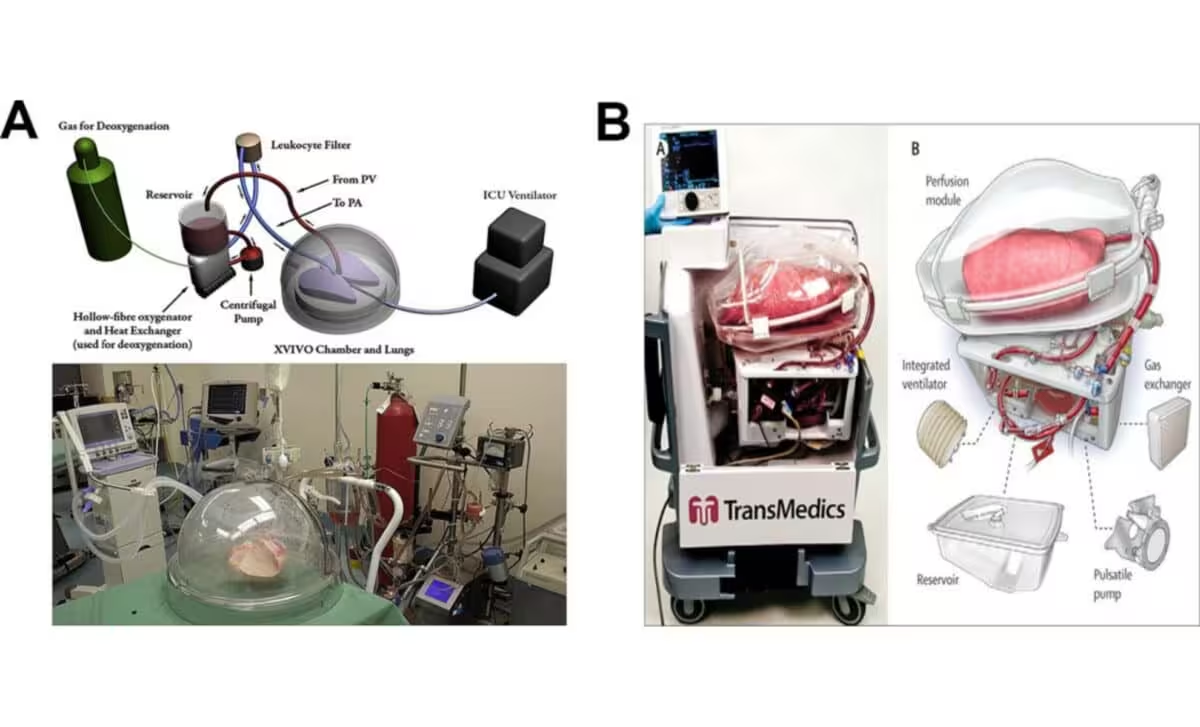
Ren cautions that achieving transplant‑ready lungs remains a long‑term objective. Researchers must still scale up production of patient‑specific cells, fully populate every lung compartment, ensure reliable gas exchange, and develop manufacturing processes that can operate at commercial scale.
Despite these challenges, the collective effort has pushed lung bioengineering forward and demonstrated that discarded donor lungs can become the basis for rebuilding functional human tissue using the recipient’s own cells.
This article has been fact checked for accuracy, with information verified against reputable sources. Learn more about us and our editorial process.
Last reviewed on .
Article history
- Latest version
Reference(s)
- Neishabouri, Afarin. “Decellularization in Tissue Engineering and Regenerative Medicine: Evaluation, Modification, and Application Methods.”, vol. 10, pp. 805299 PubMed Central (PMC), doi: 10.3389/fbioe.2022.805299. <https://pmc.ncbi.nlm.nih.gov/articles/PMC9081537/>.
- “Decellularization & Recellularization | The Organ Donation and Transplantation Alliance.”, February 3, 2025 The Organ Donation and Transplantation Alliance <https://www.organdonationalliance.org/insight/decellularization-recellularization/>.
- Dimitropoulos, Stav. “In a First, a Scientist Regrew a Human Lung in a Bioreactor. Is This the Dawn of Rebuilding Humans Piece by Piece?.”, June 26, 2026 Popular Mechanics <https://www.popularmechanics.com/science/a71746463/regrowing-human-lung-bioreactor/>.
- Valapour, Maryam. “OPTN/SRTR 2023 Annual Data Report: Lung.”, vol. 25, no. 2 Suppl 1, February 1, 2025, pp. S422 PubMed Central (PMC), doi: 10.1016/j.ajt.2025.01.025. <https://pmc.ncbi.nlm.nih.gov/articles/PMC12334194/>.
- Jose, Joslyn. “Extended donor criteria for lung transplantation: insights from a narrative review.”, vol. 7, June 30, 2025, doi: 10.21037/ccts-25-11. <https://ccts.amegroups.org/article/view/102175/html>.
- Garry, Daniel. “Allogeneic, Xenogeneic, and Exogenic Hearts for Transplantation.”, vol. 21, no. 3, pp. 92 PubMed Central (PMC), doi: 10.14797/mdcvj.1590. <https://pmc.ncbi.nlm.nih.gov/articles/PMC12082467/>.
- Engels, Eric. “Epidemiologic perspectives on immunosuppressed populations and the immunosurveillance and immunocontainment of cancer.”, vol. 19, no. 12, pp. 3223 PubMed Central (PMC), doi: 10.1111/ajt.15495. <https://pmc.ncbi.nlm.nih.gov/articles/PMC6883125/>.
Cite this page:
- Posted by Rohan Kumar