250 Million Years Ahead, Supercontinent Pangea Ultima Could Make Earth Uninhabitable
Continental drift, a brighter Sun and rising CO₂ may push Earth toward near‑uninhabitable conditions, reshaping climate and habitability.
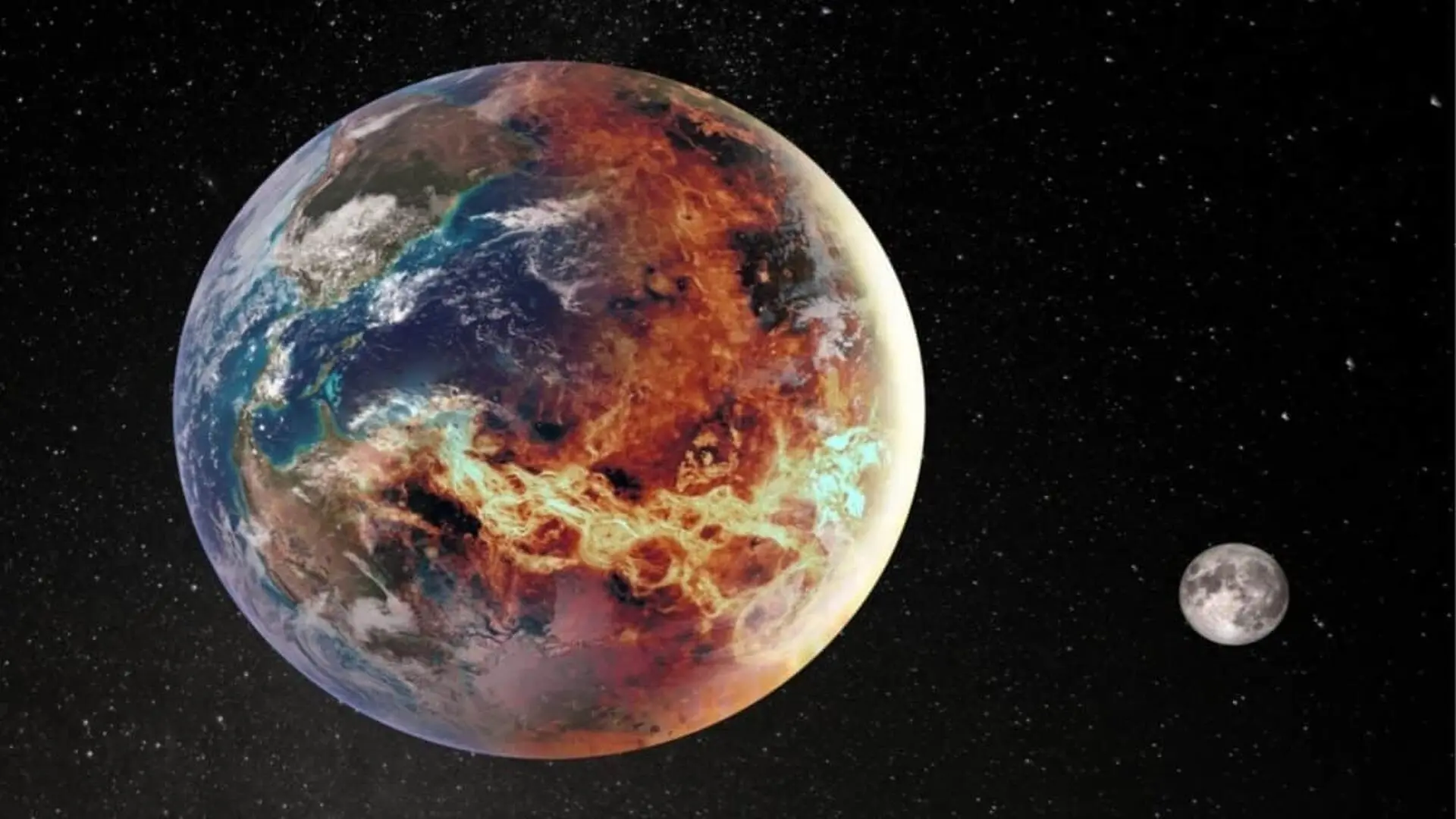
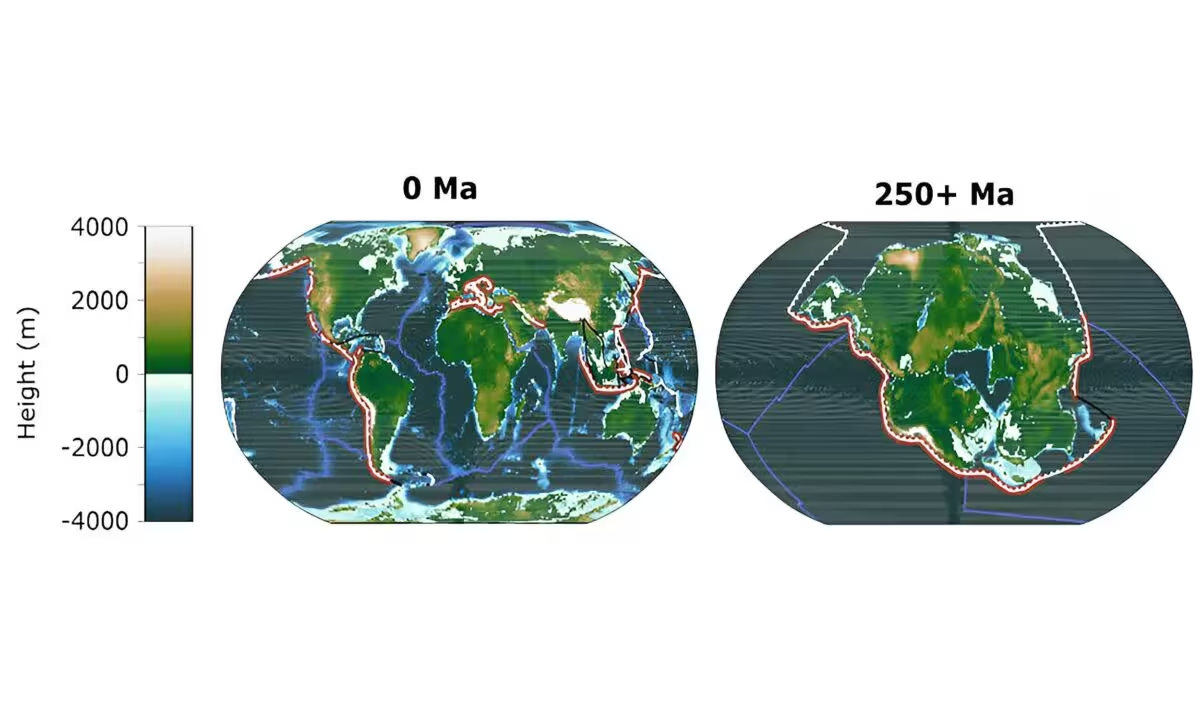
Around 250 million years from now, the Earth’s plates are predicted to coalesce into a single supercontinent often called Pangea Ultima. A new analysis in Nature Geoscience shows that, together with a brighter Sun and soaring atmospheric carbon dioxide, this configuration would drive temperatures far beyond the physiological limits of mammals, humans included.
The study was headed by Dr. Alexander Farnsworth, Senior Research Associate at the University of Bristol, alongside a team of climatologists, geologists and biogeochemists. Researchers coupled the climate model HadCM3L with the biogeochemical framework SCION to explore a suite of carbon‑dioxide concentrations and solar‑radiation scenarios for the distant future.
Heat Triple Threat: Landmass, Sun and CO₂
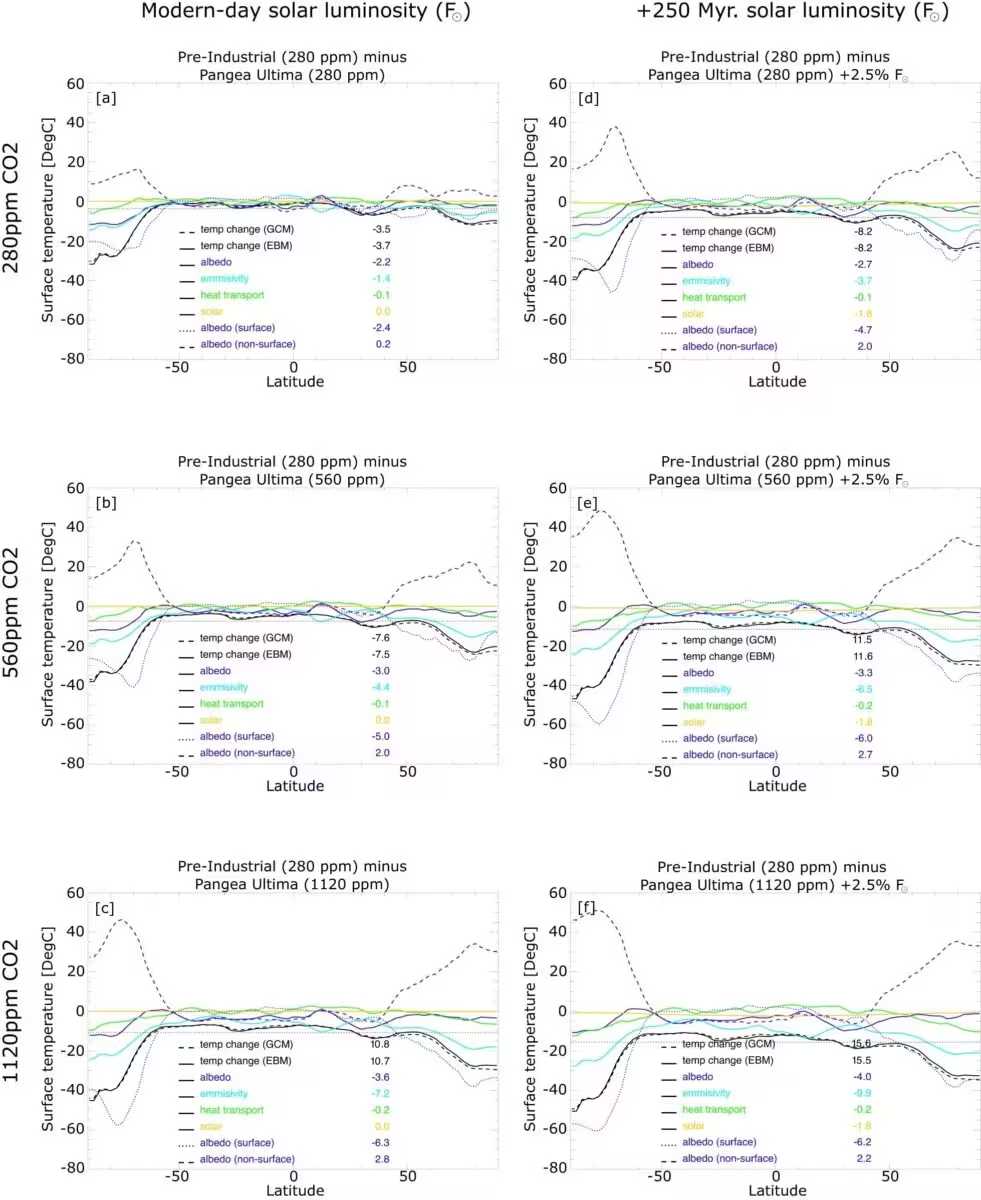
When all continents merge, the resulting landmass will sit largely in tropical latitudes, a layout the authors label the “continentality effect.” With oceans no longer buffering interior climates, the model predicts an average rise of 13.9 °C in land temperature relative to pre‑industrial values. Adding to this, the Sun’s luminosity is expected to increase by roughly 2.5 %—a forcing more than twice that of today’s carbon‑dioxide impact. Volcanic outgassing linked to the assembly of the supercontinent would further push atmospheric CO₂ to an average of about 621 ppm, spanning a range from 410 to 816 ppm, compared with the present‑day level of ~400 ppm.
Dr. Farnsworth describes the three influences as a “triple whammy”: the massive landform traps heat, the Sun supplies extra energy, and volcanic CO₂ prevents that heat from escaping. The interplay of these factors creates a cascade of feedbacks that would be extraordinarily hard to reverse on geological timescales.
Heat Stress Metrics Exceed Mammalian Limits
Depending on the carbon‑dioxide pathway, the simulations yield average annual land temperatures between 24.5 °C and 35.1 °C across Pangea Ultima. Local daily highs often climb to 40–70 °C, well above the thresholds that mammals can physiologically endure. The team evaluated two heat‑stress indices: wet‑bulb temperature, which ceases to allow evaporative cooling above 35 °C, and the Humidex, where values of 45 signal danger and 54 or higher correlate with lethal heatstroke. Both indices are projected to be surpassed across large swaths of the supercontinent.
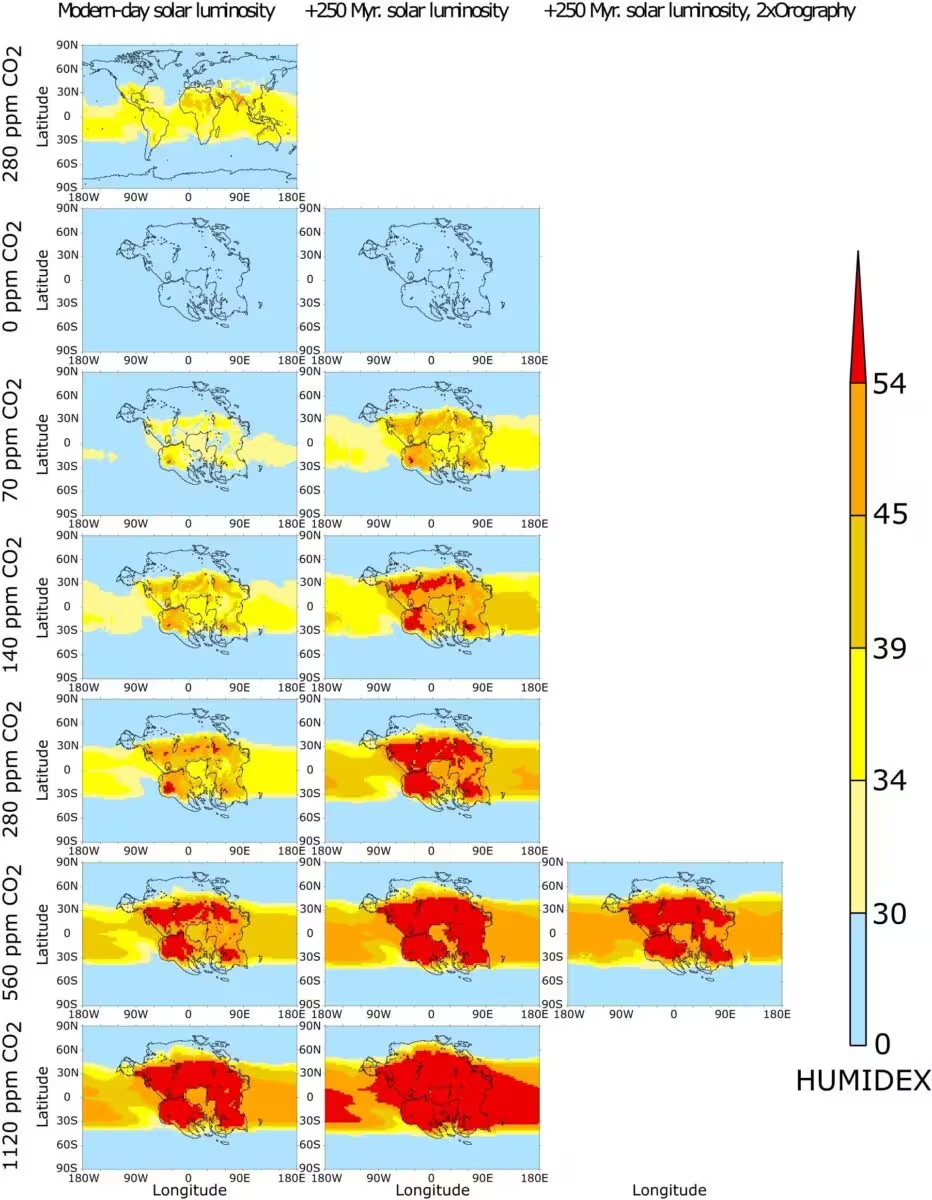
“Widespread temperatures of 40 °C to 50 °C, coupled with extreme humidity, would ultimately seal our fate,” Dr. Farnsworth warned. Evolutionary rates for mammalian heat tolerance—about 0.6 °C per million years—are far too slow to keep pace with the projected warming. Plant productivity would also suffer; temperatures above 40 °C impair photosystem II, threatening the entire terrestrial food web.
Shrinking Safe Zones on the Supercontinent
Under a scenario with 560 ppm CO₂ and heightened solar output, only roughly 16 % of Pangea Ultima’s surface would remain within thermal limits suitable for mammalian life; at 1,120 ppm this fraction drops to about 8 %. Even when the model doubles mountain heights—thereby increasing precipitation and local cooling—the proportion of habitable land rises modestly from 16 % to 19 %.
The loss of oceanic moisture would also trigger severe aridity across interior regions, curtailing freshwater supplies and suppressing vegetation. Traditional mammalian coping strategies—hibernation or long‑distance migration—would offer little respite, as traversing continent‑wide deserts under such heat would be physiologically untenable.
Historical Parallels and Lessons for Exoplanet Habitability
The modeled climate bears a striking resemblance to conditions that preceded the end‑Permian extinction 252 million years ago, when a roughly 10 °C temperature spike eliminated more than 90 % of marine species and 70 % of terrestrial organisms. Projected CO₂ levels and thermal regimes for Pangea Ultima fall within, or exceed, the ranges associated with that catastrophic event.
These results also echo in the search for life beyond Earth. Conventional habitability metrics, such as the habitable zone based on orbital distance, do not account for continental arrangement. None of the Pangea Ultima simulations meet the 0.8 threshold of the Earth Similarity Index (ESI), even though Earth’s orbit remains unchanged.
“A planet situated in the nominal habitable zone may still be inhospitable for humans if its land is consolidated into a single supercontinent,” Dr. Farnsworth told Nature Geoscience. Co‑author Professor Benjamin Mills of the University of Leeds added that the modeled CO₂ concentrations assume a cessation of fossil‑fuel emissions; continued anthropogenic emissions would bring those extreme conditions forward in time.
This article has been fact checked for accuracy, with information verified against reputable sources. Learn more about us and our editorial process.
Last reviewed on .
Article history
- Latest version
Reference(s)
- Farnsworth, Alexander. “Climate extremes likely to drive land mammal extinction during next supercontinent assembly - Nature Geoscience.”, vol. 16, no. 10, pp. 901-908. Nature, doi: 10.1038/s41561-023-01259-3. <https://www.nature.com/articles/s41561-023-01259-3>.
- “Homepage | University of Bristol.”, July 13, 2026 <https://www.bristol.ac.uk/>.
- <https://en.wikipedia.org/wiki/HadCM3>.
Cite this page:
- Posted by Aisha Ahmed