Scientists Equip Giant Cockroaches With Mini Diving Suits to Stay Underwater for Three Hours
A new study gives cockroaches sci‑fi‑like powers, creating a tool for jobs where conventional methods fail.
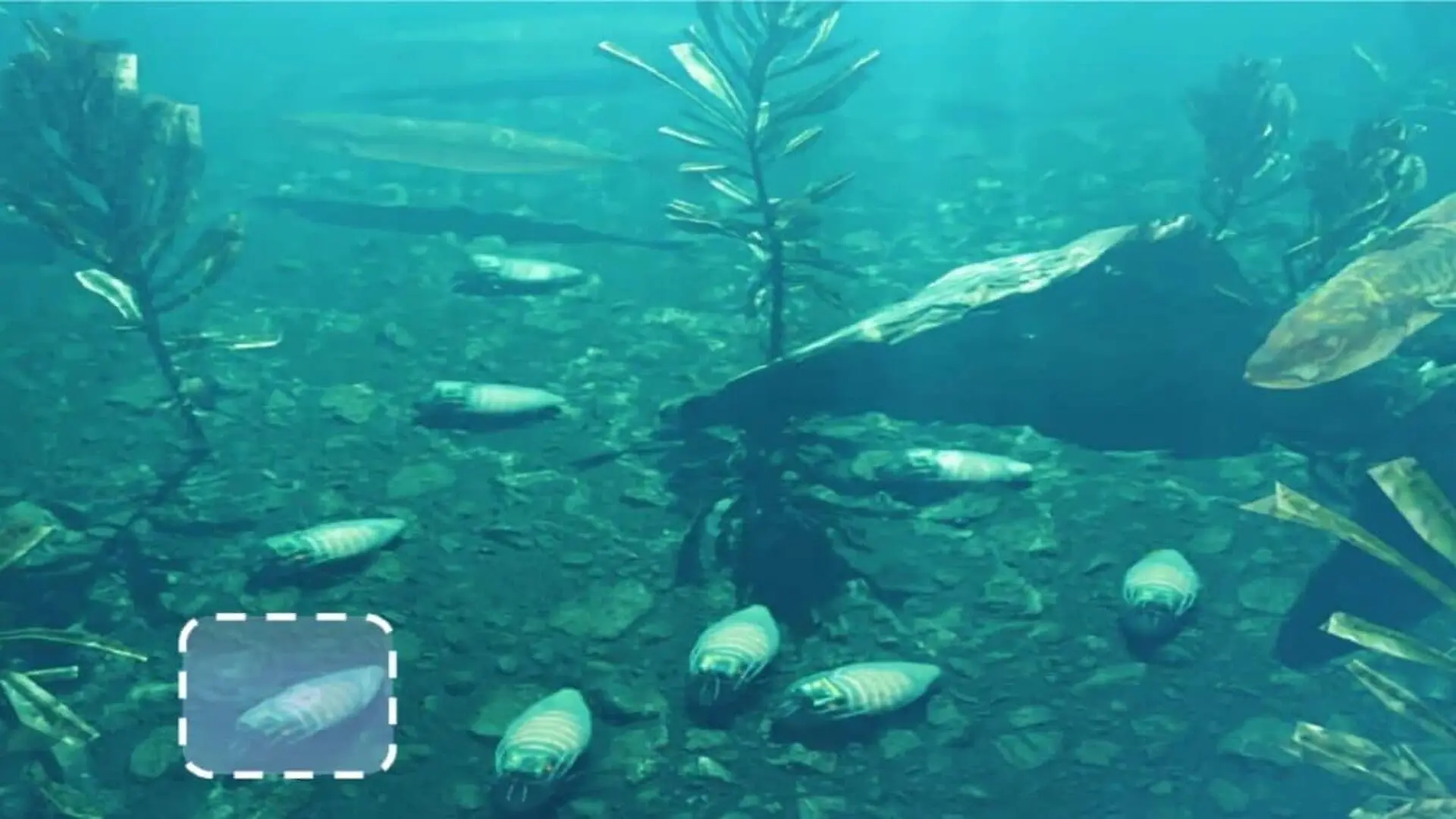
Researchers have engineered Madagascar hissing cockroaches into amphibious cyborg insects by attaching a compact diving apparatus that enables them to function underwater for as long as three hours. The breakthrough, documented in Nature Communications, could open new pathways for inspecting submerged environments that are hazardous for humans.
The approach merges the insects’ innate locomotion with a lightweight breathing module, granting a terrestrial species the capacity to survive beneath the surface. This hybrid device turns a land‑dwelling bug into a dual‑environment explorer.
Madagascar hissing cockroaches were selected for their impressive size and resilience, traits that make them capable of bearing the additional hardware without compromising maneuverability in confined spaces.
Compact Aquatic Suit Powers Submerged Exploration
Each insect received a miniature “diving suit” consisting of a protective casing and a network of oxygen tubes linked to the thoracic spiracles, the insect’s breathing openings. The system functions similarly to a scuba regulator, supplying oxygen while the cockroaches remain beneath the water.
According to the team, this configuration allows a land insect to persist and remain active in environments with limited oxygen, such as flooded chambers.
“By fitting a cockroach, which is a terrestrial species, into this diving suit, we allowed it to survive and operate in oxygen-deprived environments such as underwater, transforming it into an amphibious cyborg robot capable of operation across land and water,” explained Hirotaka Sato, senior author of the study and a professor at Nanyang Technological University in Singapore.
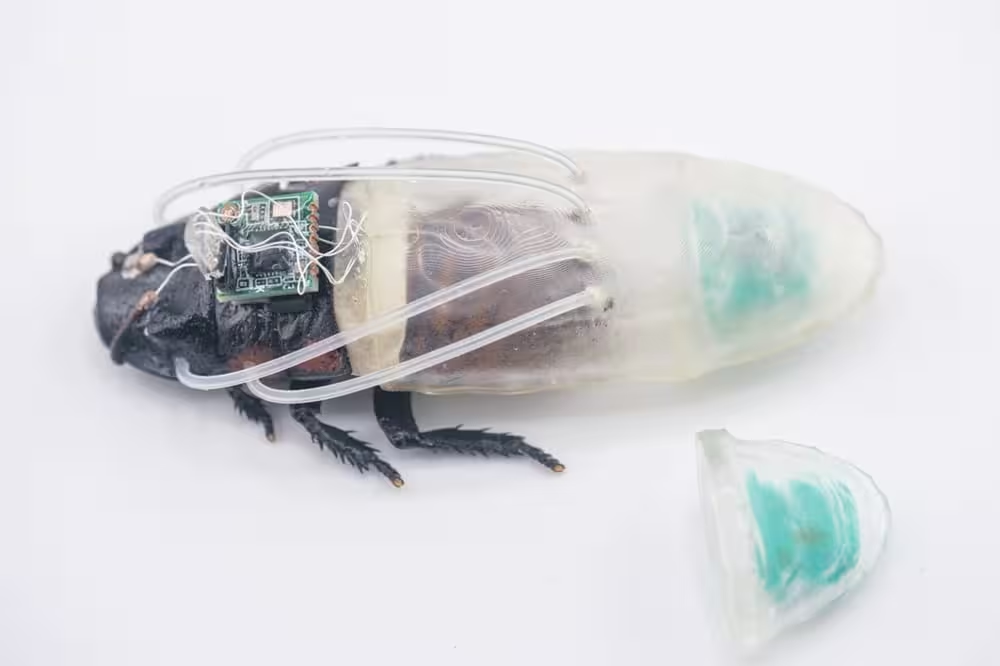
Experimental trials reported that the modified insects remained submerged for up to three hours while continuing to operate the attached sensors and equipment.
Applications in Flooded Disaster Zones
The team envisions using these cyborg insects for tasks that are difficult or unsafe for humans, such as inspecting the interiors of pipelines and navigating flood‑affected areas where traditional access is blocked. The study, available on Nature Communications, highlights the potential for rapid assessment of submerged infrastructure.
During flood events, water and debris can render roads impassable, complicating rescue operations. Small, agile insects capable of slipping through narrow passages may reach points that larger devices cannot.
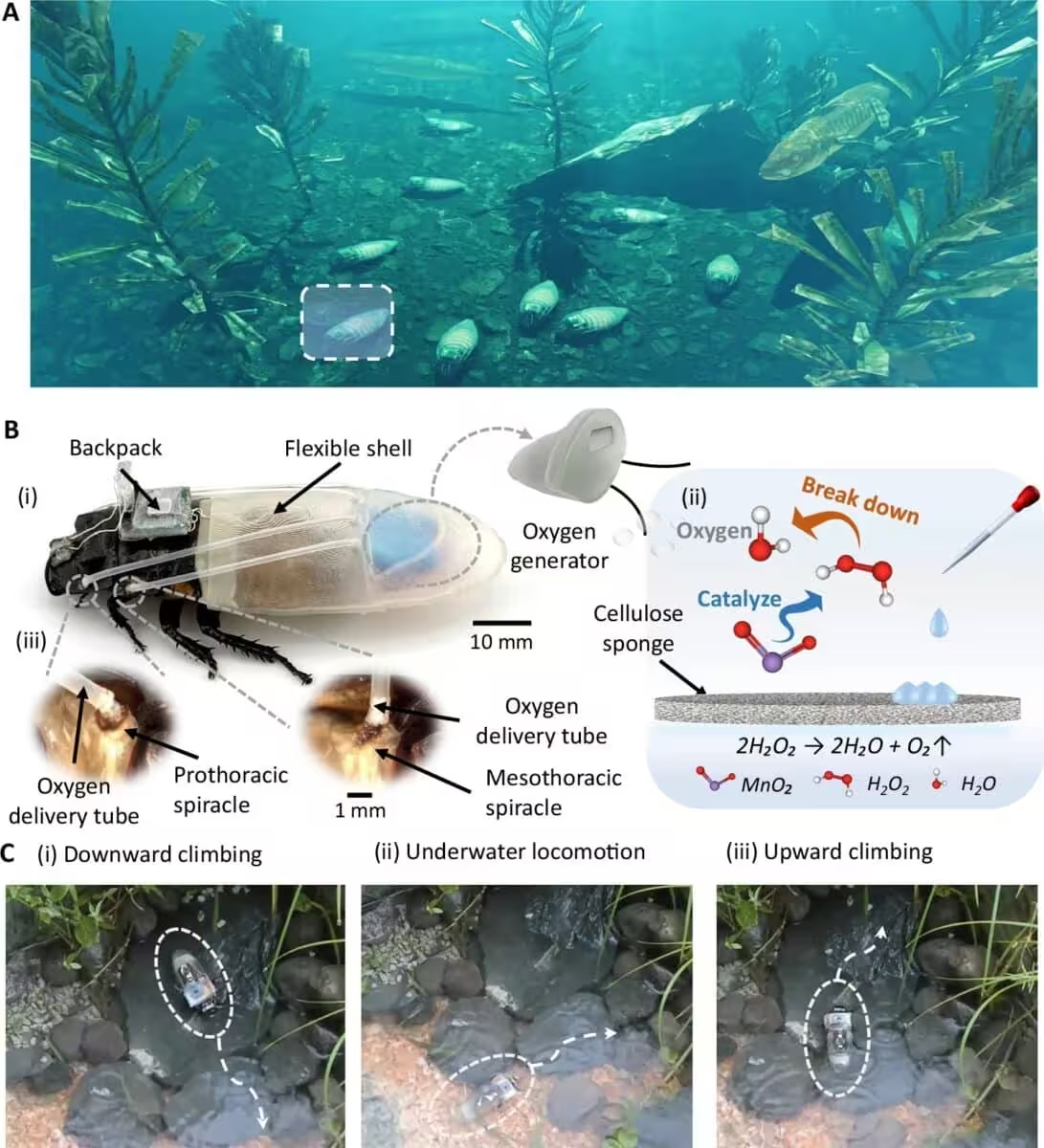
“This is important because real disaster sites can be challenging after heavy rain or flooding, blocking access routes in the rubble, drains and narrow gaps. By expanding the operating parameters of our cyborg insects to include underwater travel, we believe that they can enhance search and rescue efforts,” he explained in a statement published by Nanyang Technological University (NTU).
Why the Hissing Cockroach?
Not all insects can support a miniature respiratory module. The Madagascar hissing cockroach stands out due to its sturdy build; adults can reach roughly 7.5 centimetres in length—about the size of a finger—and may live for as many as five years.
Their sizable bodies provide a convenient platform for mounting the protective shell and oxygen delivery network while preserving mobility. The authors suggest that a similar strategy could eventually be adapted for other robust insects such as locusts and beetles.
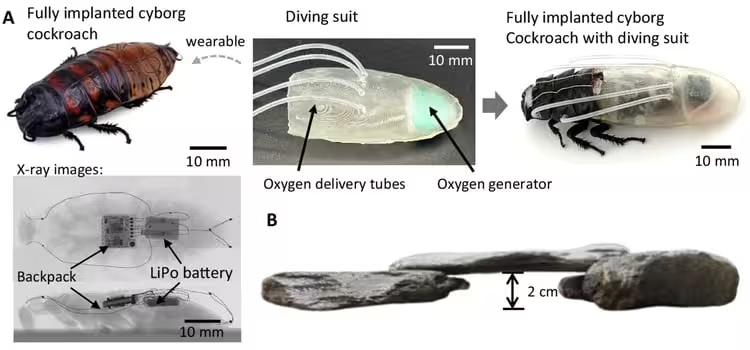
The findings demonstrate that a ground‑dwelling insect can be equipped with a lightweight breathing module to operate both on land and beneath water, laying the groundwork for insect‑based platforms that can access environments that remain out of reach for human operators.
This article has been fact checked for accuracy, with information verified against reputable sources. Learn more about us and our editorial process.
Last reviewed on .
Article history
- Latest version
Reference(s)
- <https://www.researchgate.net/profile/Hirotaka-Sato-2>.
- FAN, Zifu. “Underwater Suit-Wearing Cyborg Insect Capable of Hours-Long Diving and Terra-Aqua Travel - Nature Communications.”, vol. 17, no. 1, June 29, 2026, pp. 5398 Nature, doi: 10.1038/s41467-026-74235-1. <https://www.nature.com/articles/s41467-026-74235-1>.
Cite this page:
- Posted by Zara Tariq