Scientists Found a One-Meter Rock in South Africa, Inside Was a Near-Complete Human Ancestor Skeleton
Une découverte exceptionnelle : un squelette ancien d’une conservation rare trouvé intact après des siècles sous roche
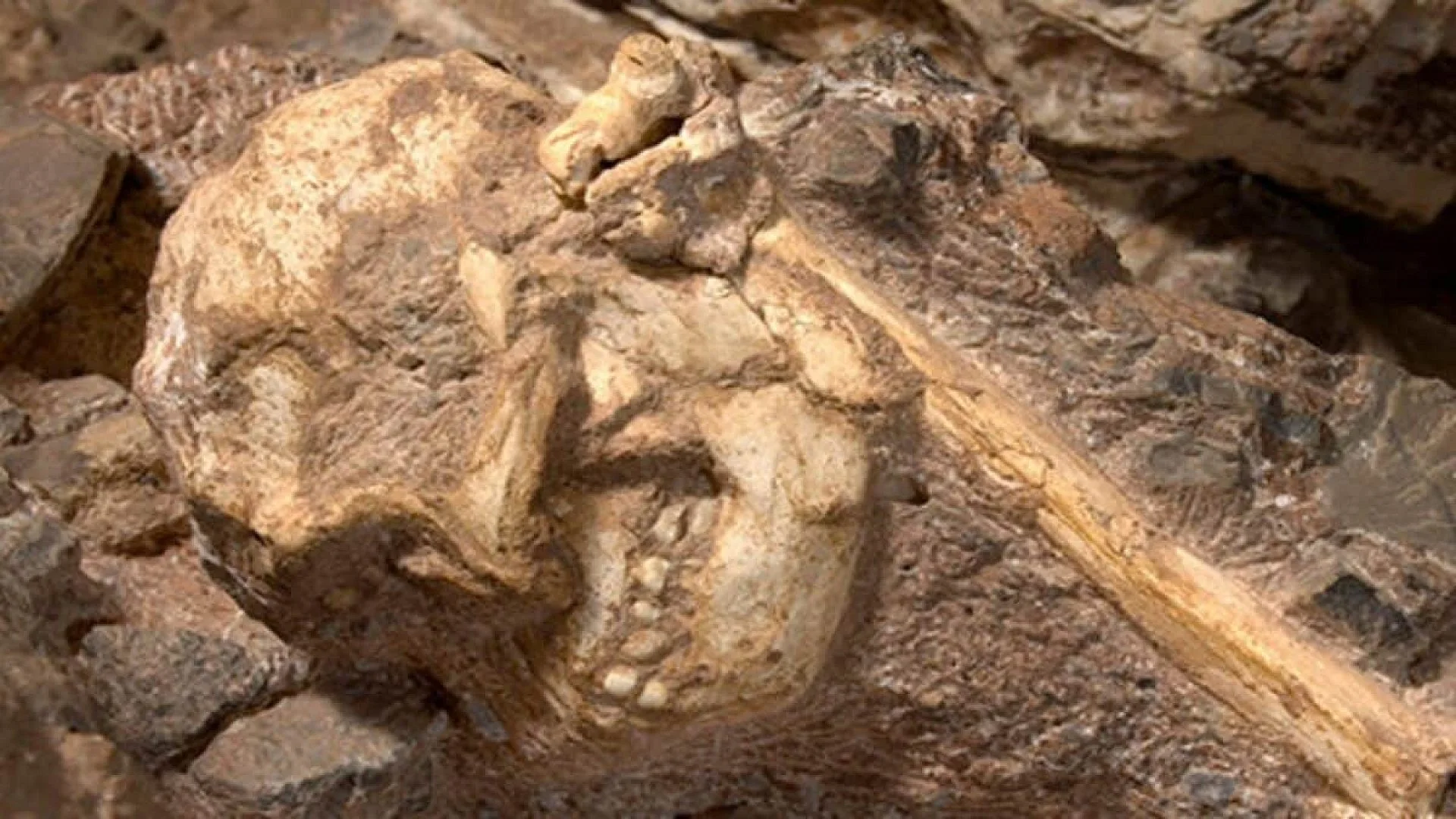
A modest rock sitting on a bench in a Johannesburg laboratory has revealed what could be the most extensive early‑human skeleton ever recovered. New analyses indicate the fossil belongs to Karabo, the reference specimen of Australopithecus sediba.
Scientists from the Wits Institute for Human Evolution announced the find, noting that the bones remain trapped in the surrounding stone. Initial inspection, however, points to a surprisingly large collection of skeletal elements that may shed fresh light on one of our distant relatives.
A Near‑Complete Australopithecus Skeleton Emerges
The fragmentary rock is thought to house the type specimen Karabo, originally uncovered in 2009 at the Malapa Site within South Africa’s Cradle of Humankind.
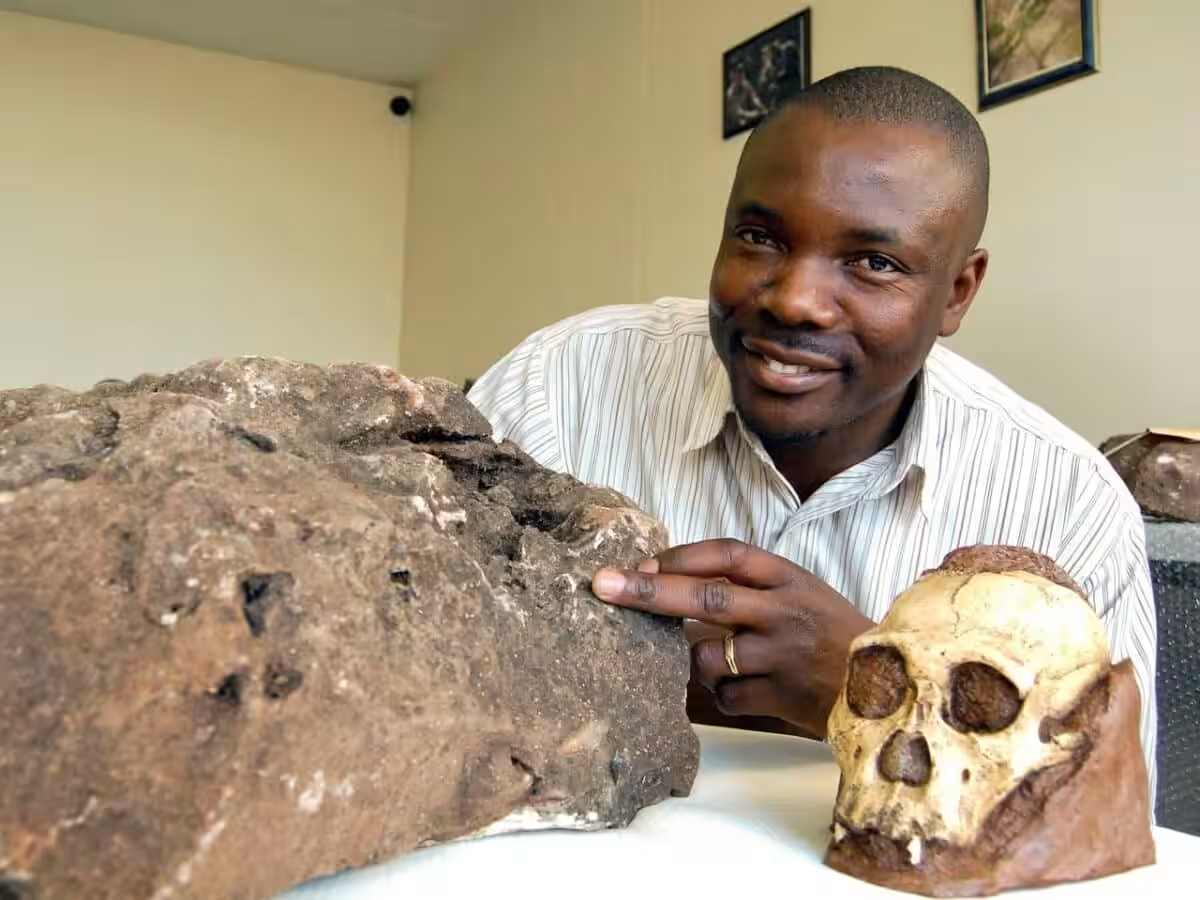
According to Prof. Lee Berger, the team has already identified several key sections, including portions of a jaw, a femur that appears complete, ribs, vertebrae and additional limb fragments.
“We have discovered parts of a jaw and critical aspects of the body including what appear to be a complete femur (thigh bone), ribs, vertebrae and other important limb elements, some never before seen in such completeness in the human fossil record,” Berger said.
The researcher added that many of these structures are unprecedented in their preservation within the human fossil record. Because the skeleton is still encased, its full anatomy will only become apparent during careful extraction.
A Long‑Hidden Specimen Comes to Light
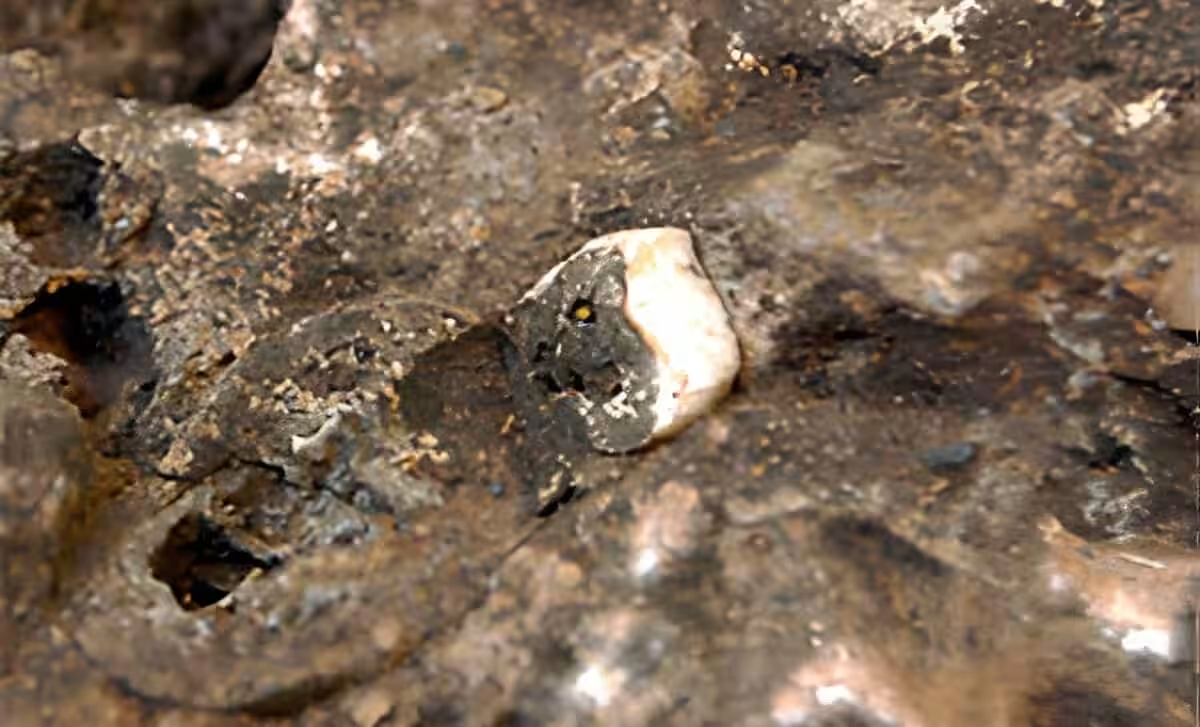
From the exterior there was little indication of the treasure inside; the bone fragments are invisible without detailed inspection. Berger emphasized the excitement of uncovering what may be some of the most informative portions of the skeleton.
“We are obviously quite excited as it appears that we now have some of the most critical and complete remains of the skeleton, albeit encased in solid rock. It’s a big day for us as a team and for our field as a whole,” he said.
Live Fossil Preparation Opens to the Public
Simultaneously with the announcement, the University of the Witwatersrand, the Gauteng Provincial Government and the South African national authorities launched an initiative to broadcast the preparation process.
A laboratory studio, created in partnership with the National Geographic Society, was installed at the Maropeng Visitor Centre within the Cradle of Humankind World Heritage Site. Visitors could observe the work on site, while a live stream made the process accessible worldwide.
“The public will be able to participate fully in live science and future discoveries as they occur in real time — an unprecedented moment in palaeoanthropology,” Berger remarked.
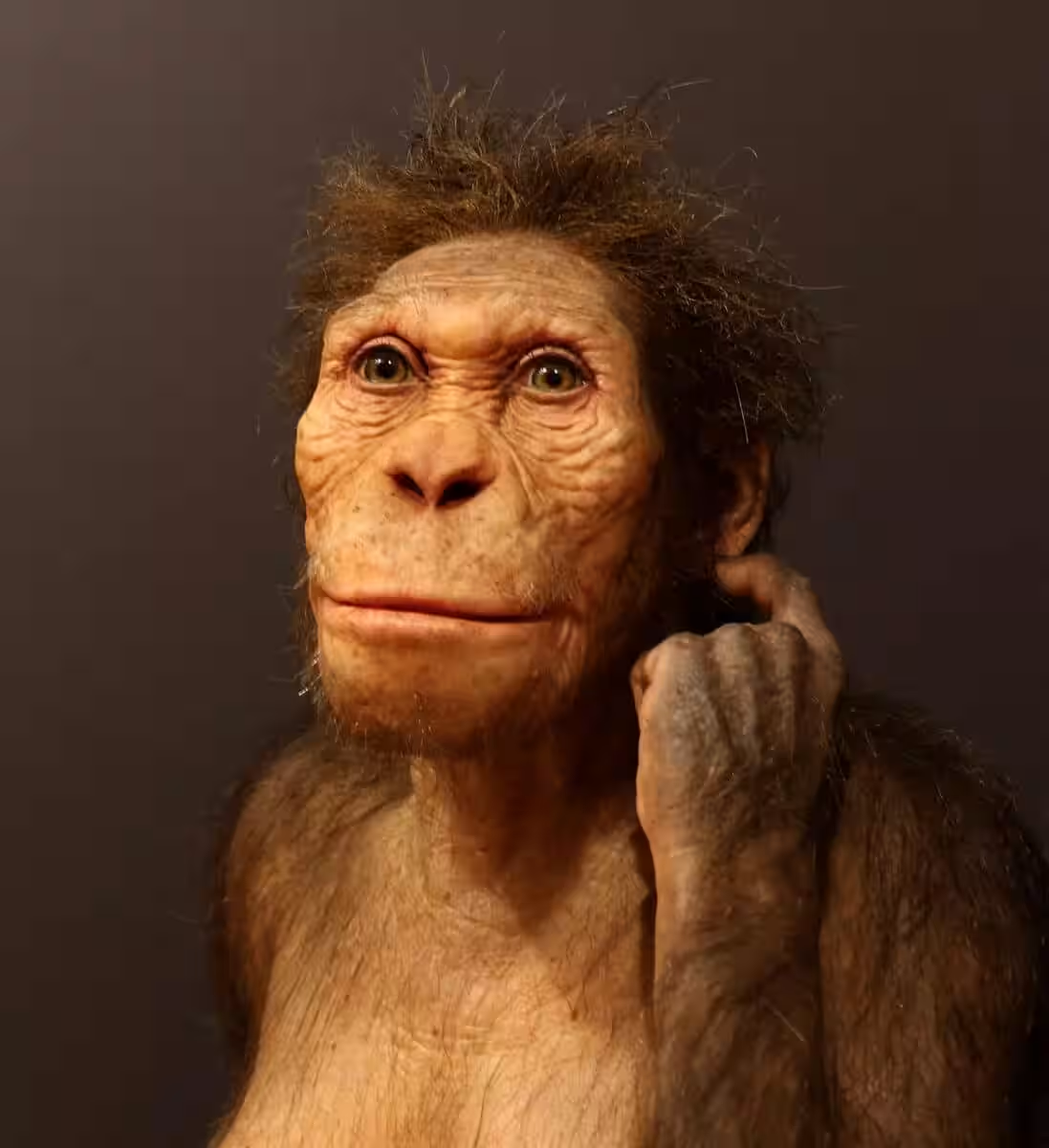
With the preparation now underway, Karabo is poised to enter a new investigative phase. As researchers peel away the surrounding matrix, the fossil may provide critical insights into the anatomy and evolution of early hominins.
This article has been fact checked for accuracy, with information verified against reputable sources. Learn more about us and our editorial process.
Last reviewed on .
Article history
- Latest version
Reference(s)
- “Lee Berger.” National Geographic Expeditions <https://www.nationalgeographic.com/expeditions/experts/lee-berger/>.
Cite this page:
- Posted by Zara Tariq