The Best Temperature to Set Your Air Conditioner in Winter to Stay Warm and Spend Less
Les ménages chauffent mal et trop cher chaque hiver sans le savoir
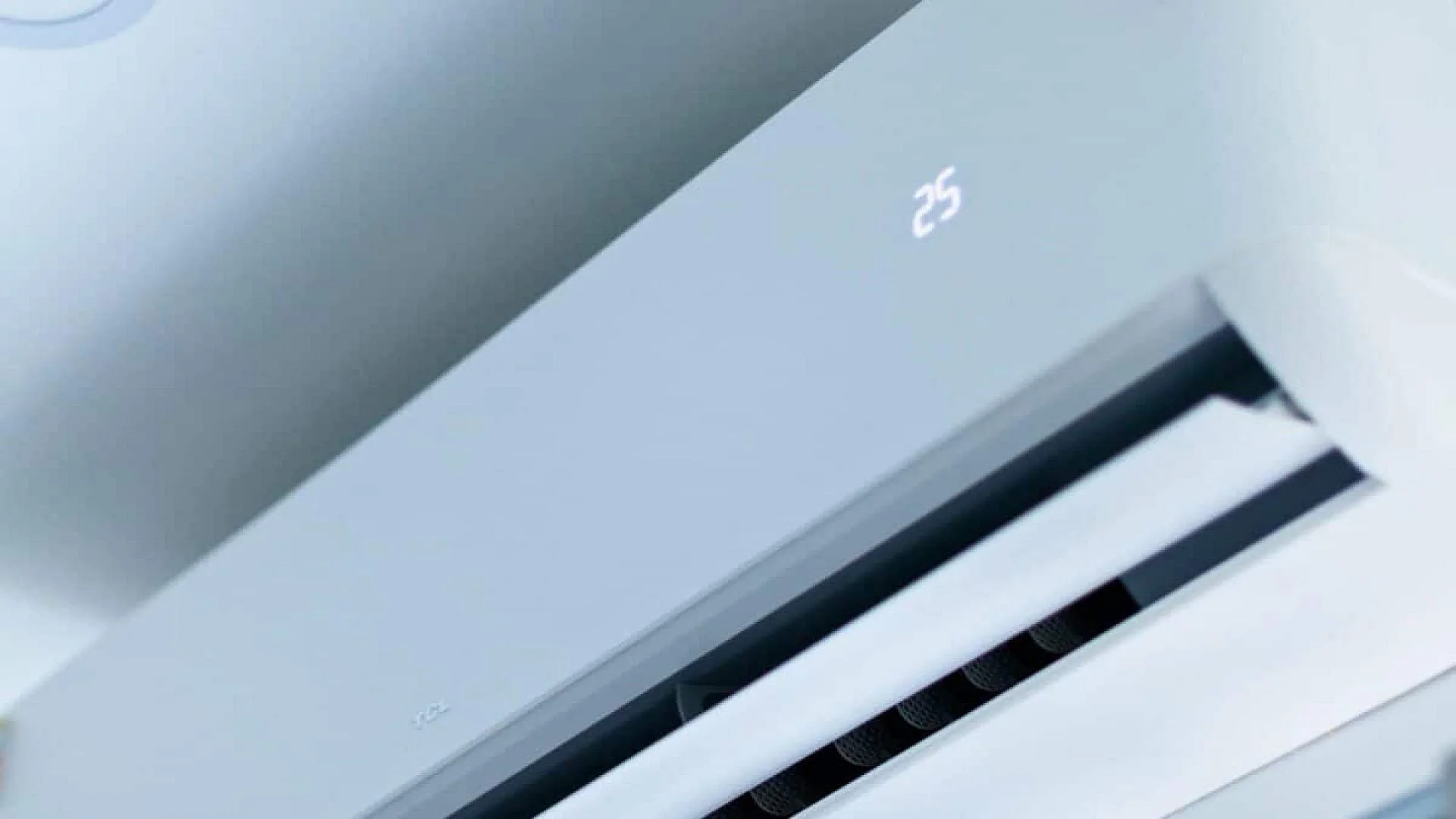
During winter many households run a heater without knowing its true cost per hour, or how that cost spikes with different devices. A typical convection heater consumes about 2 kilowatts, translating to roughly $3 each hour. Running it four to five hours daily for a 90‑day season can push the bill past $250 before other electricity charges are added.
A more economical alternative exists. Finder’s 2025 winter‑heating analysis shows that a reverse‑cycle air conditioner uses about half the power of a conventional electric heater. Over a full winter, that efficiency can save a typical family more than $100, depending on local rates, unit efficiency and usage patterns.
However, the biggest factor isn’t the appliance model – it’s the thermostat setting.
How Each Degree Above 20 °C Impacts Your Bill
Energy regulators and consumer groups consistently recommend a winter indoor temperature between 18 °C and 20 °C. This range balances comfort with cost, especially when occupants dress appropriately indoors. It also reduces the workload for heating systems, because the temperature gap they must bridge is smaller.
Both AGL’s energy‑efficiency guide and the Australian Government’s winter‑energy advice note that raising the thermostat by one degree can increase energy use by 5 % to 10 %. Consequently, setting the thermostat at 23 °C instead of 20 °C may lift heating expenses by 15 % to 30 %; pushing it to 25 °C can add roughly 50 %.
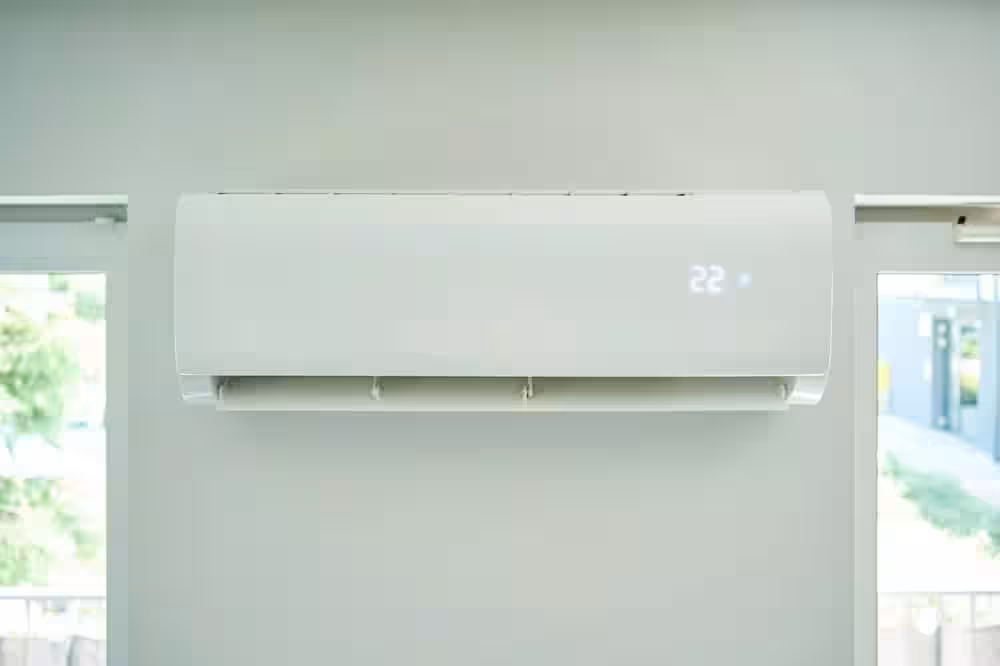
When outside temperatures drop to 5 °C, maintaining an indoor temperature of 20 °C already creates a 15 °C differential. For most occupants, the perceived comfort gain between 20 °C and 23 °C is modest compared with the noticeable increase on the energy bill.
Why Reverse‑Cycle Units Are Cheaper to Run
The cost gap between a reverse‑cycle air conditioner and a portable electric heater stems from their heating mechanisms. Conventional electric heaters—including fan, panel, oil‑filled and convection models—convert electricity directly into heat, yielding a near‑one‑to‑one ratio of power input to warmth.
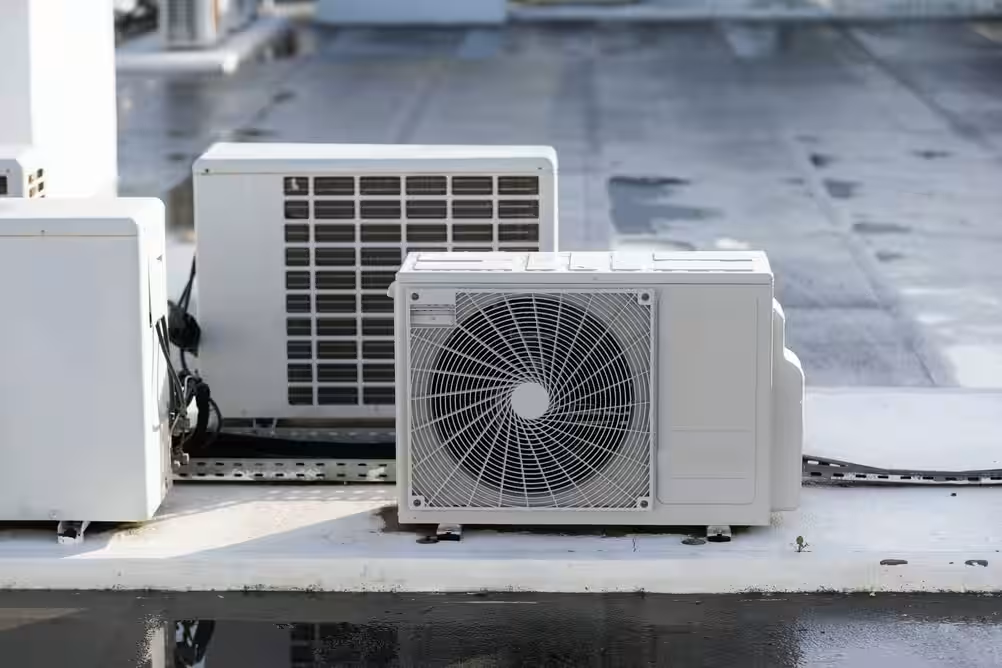
Reverse‑cycle air conditioners operate on a different principle. As explained by AGL, they draw heat from outdoor air and move it indoors. Because they transfer existing heat rather than generate it from scratch, they can deliver several units of heating output for each unit of electricity consumed. This higher coefficient of performance is the primary reason these systems typically cost less to operate.
All portable electric heaters rely on resistance heating, so their operating costs cluster in a similar, higher range. A reverse‑cycle system is not merely a larger heater; it is a more efficient technology that can achieve comparable indoor comfort with lower energy expenditure.
Heat Loss That No Thermostat Can Stop
Choosing the right heater is only part of the equation; retaining the heat inside the home is equally crucial. YourHome reports that air leakage can account for 15 % to 25 % of winter heat loss in typical buildings, meaning a substantial portion of paid‑for warmth escapes through gaps before warming living spaces.
Sealing drafts around windows, doors, floor edges, exhaust fans and poorly fitted frames is one of the most cost‑effective interventions. The required materials are inexpensive, and many fixes can be completed with basic hardware‑store supplies, offering quick payback.
Insulation upgrades have an even larger impact. Energy.gov.au indicates that effective ceiling insulation can cut heating and cooling costs by up to 45 %. In cooler climates, heat often escapes through the roof, making ceiling insulation a top priority. Older insulation may lose its performance over time, even if it remains physically present.
Simple Practices That Trim Winter Expenses
A handful of low‑cost habits can lower heating bills without major renovations. Switching ceiling fans to a winter mode circulates warm air downwards, improving distribution without raising the thermostat. Closing curtains at night adds an insulating layer of air against windows, reducing overnight heat loss.
Electric blankets offer targeted warmth for a fraction of the cost. Finder’s analysis puts their hourly consumption at about $0.04, compared with roughly $3 per hour for a convection heater. For households that only need localized heat during sleep, an electric blanket can keep the main heater off.
Standby power consumption also adds up over the season. TVs, entertainment systems, computers and printers continue drawing electricity when idle. Unplugging non‑essential devices reduces this baseline load, offering modest savings that complement better heating practices.
Putting It All Together for the Most Efficient Winter Heating
The most effective approach combines demand reduction, efficiency improvements, and heat‑retention measures. Use a programmable thermostat set between 18 °C and 20 °C, heat only occupied rooms, keep doors closed on unused areas, seal drafts, and upgrade insulation where feasible. Deploy curtains strategically and run ceiling fans on a reverse setting.
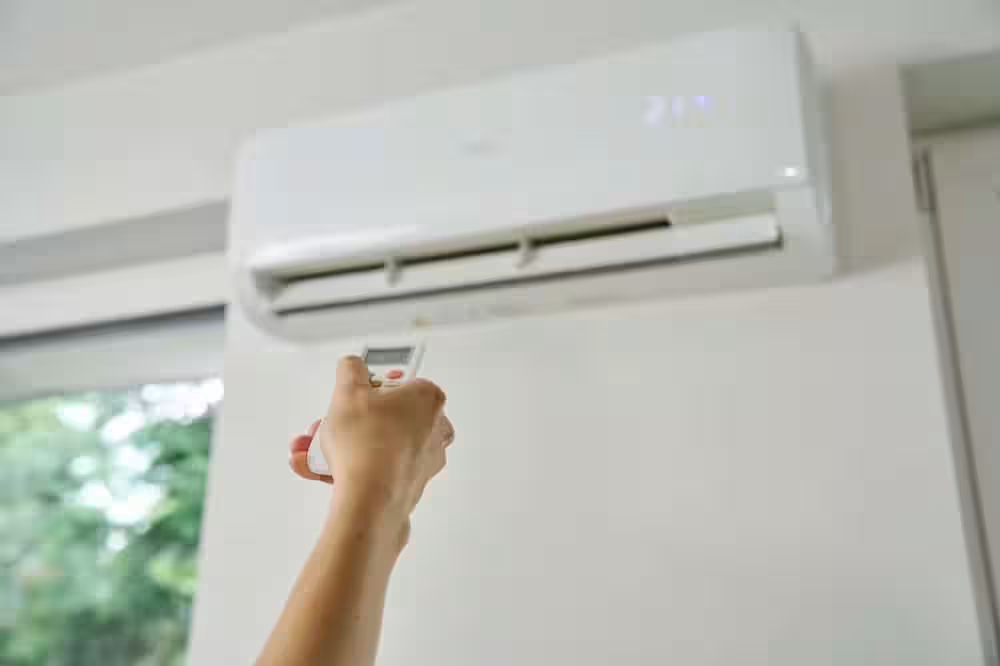
When a reverse‑cycle air conditioner is available, it should serve as the primary heat source rather than a portable electric or gas heater. Finder’s cost comparison estimates a reverse‑cycle unit will cost about $155 to run over winter at the recommended setting, versus roughly $270 for a convection heater and just over $300 for a gas heater.
For households aiming to curb winter energy expenses, the roadmap is clear: maintain thermostat settings near 20 °C, prevent heat loss, and avoid relying on high‑cost portable heaters except for brief, targeted use. Comfort need not be sacrificed; smarter heating simply means the system does less unnecessary work.
This article has been fact checked for accuracy, with information verified against reputable sources. Learn more about us and our editorial process.
Last reviewed on .
Article history
- Latest version
Cite this page:
- Posted by Zara Tariq