NASA Scientists Discover Material That Could Protect Jet Engines And Moon Equipment
NASA’s breakthrough heat-resistant material could transform lunar mining, letting astronauts extract metals and oxygen from Moon rocks
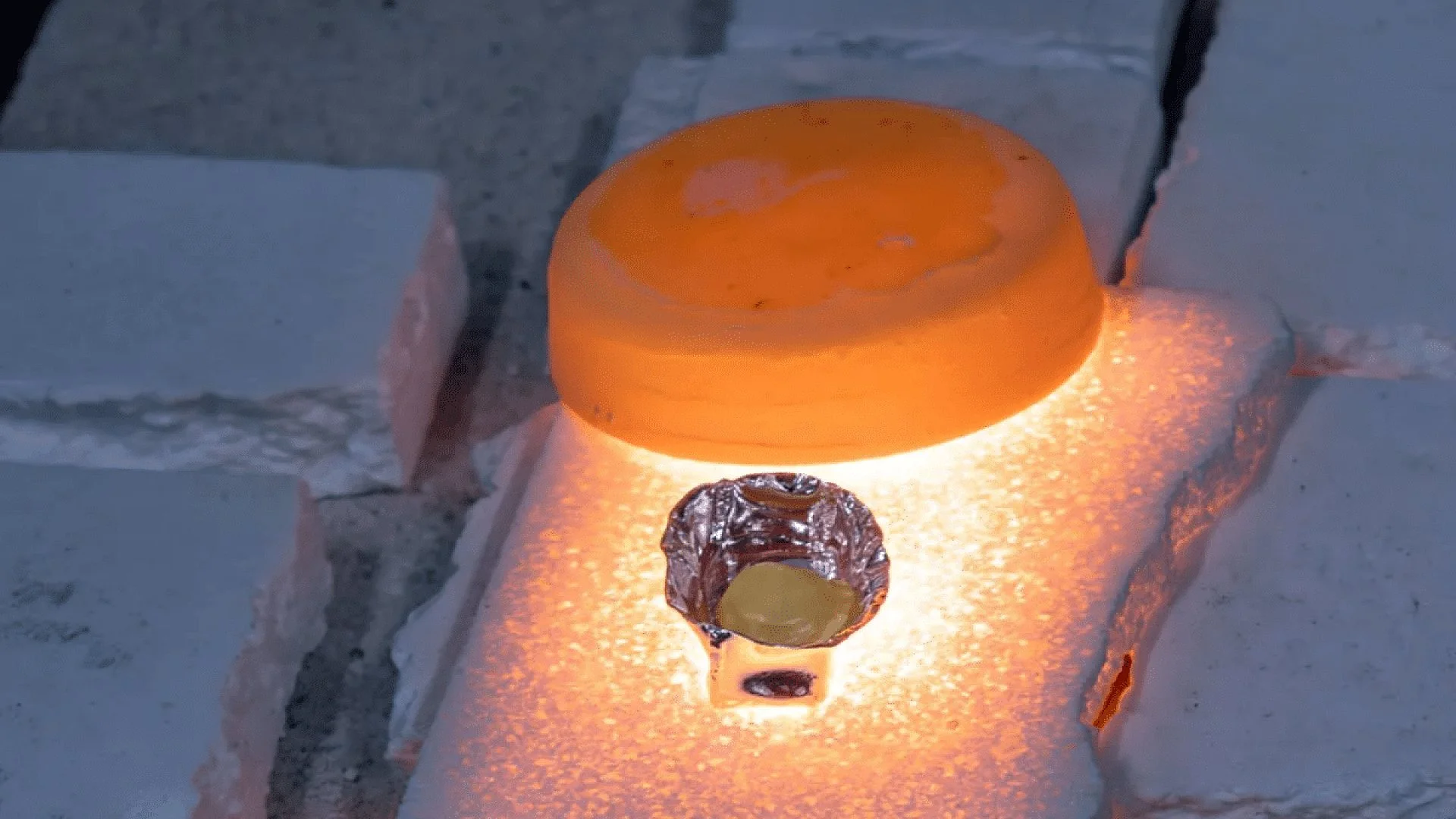
NASA engineers have identified a novel compound that tolerates the intense temperatures and aggressive chemistry of molten lunar basalt. The find could enable astronauts to extract metals and oxygen directly from Moon rocks, opening the door to self‑sustaining habitats and in‑situ resource utilization.
New Lunar-Resistant Material Unveiled
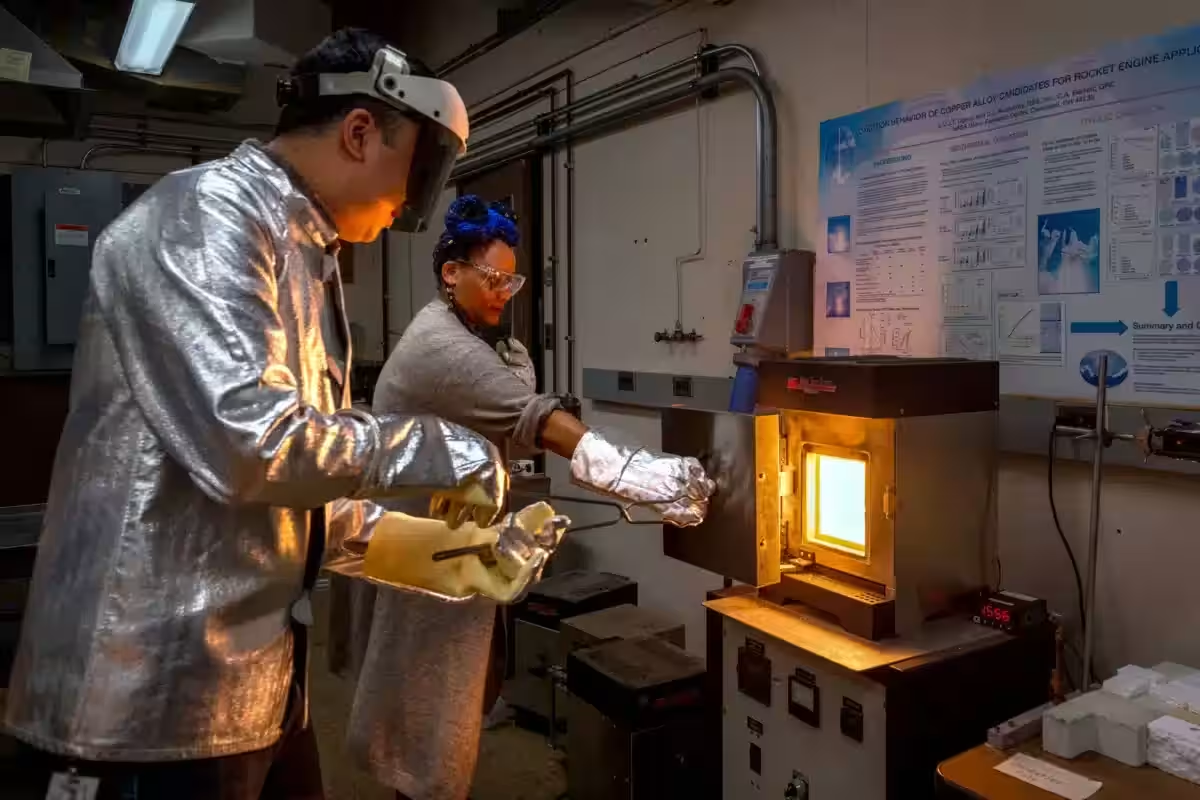
NASA researchers have pursued the concept of “living off the land” on the Moon for years, hoping to replace Earth‑shipped supplies with locally sourced materials. The breakthrough material, discovered by Dr. Kevin Yu of the Jet Propulsion Laboratory and Dr. Jamesa Stokes at the Glenn Research Center, emerged while testing mixtures of simulated regolith and scandium oxide.
“You could call it lava, because it’s basically rocks that are crushed up and then melted. It’s very corrosive, and it will very quickly eat through a lot of commonly used refractory, or heat-resistant, materials,” Yu explained.
The quote highlights why conventional refractory alloys fail when confronted with the Moon’s molten rock, underscoring the need for a substance that can survive both scorching heat and the abrasive lunar dust.
NASA/Jef Janis
Synthesis Method and Laboratory Findings
The experiment began by blending synthetic regolith with scandium oxide, then heating the blend past 2,900 °F. Researchers ground and combined eight oxide precursors in ethanol before baking the mixture, producing a compound that did not match any entry in NASA’s X‑ray database of more than one million known substances.
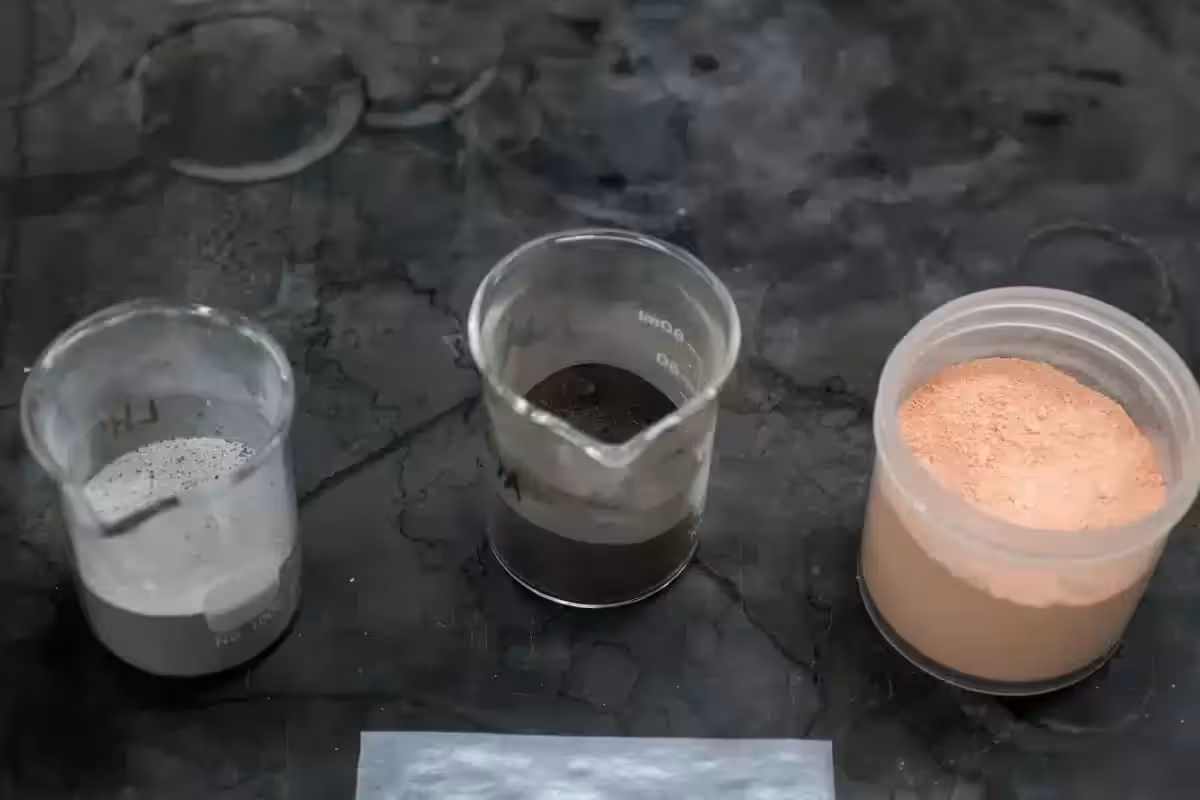
Yu described the material’s appearance: “It’s actually a very cool-looking powder; it goes in pink, almost like strawberry milk. It has a built-in color indicator, so by the time you’re done with it, it turns to a light beige or tan color, and that’s how you know the reaction has proceeded the way you wanted it to.”
The color shift provides an immediate visual cue that the synthesis has reached completion, a feature that could simplify quality control for lunar manufacturing processes.
NASA/Jef Janis
Implications for Moon‑Based Operations
NASA envisions the compound serving as a protective lining for equipment that must contain molten regolith, such as furnaces, pipelines, and storage vats. By enabling efficient extraction of metals and oxygen from Moon rocks, the material could support construction of habitats, production of rocket propellant, and fabrication of tools directly on the lunar surface.
Its lightweight, thermally insulating, and high‑temperature resilience also make it a candidate for aerospace applications on Earth, including protective coatings for jet‑engine components that face extreme heat loads.
Economic Considerations and Future Work
Although scandium oxide carries a higher price tag than common industrial oxides, the new alloy remains far cheaper than platinum‑based alloys traditionally used for high‑temperature processes. The team plans to refine the formulation to boost purity and lower manufacturing expenses, aiming for scalability both on the Moon and in terrestrial settings.
“I think trying to push what’s possible with materials also allows for a lot of breakthroughs on the terrestrial side. Having a better understanding of materials for all sorts of applications is what gets me excited to go to work in the morning,” Yu said. “That’s why I love NASA’s mission; it’s for the benefit of all.”
This article has been fact checked for accuracy, with information verified against reputable sources. Learn more about us and our editorial process.
Last reviewed on .
Article history
- Latest version
Reference(s)
- Bausback, Ellen. “New Material Could Help NASA Melt Moon Rocks, Harness Lunar Resources.”, May 22, 2026 NASA <https://www.nasa.gov/general/new-material-melt-moon-rocks/>.
Cite this page:
- Posted by Karan Das