Double Meteor Shower Peaks Tonight: Watch Bright Fireballs Despite Near-Full Moon
Two meteor showers peak together this week, offering a rare sky show for stargazers—though cloudy skies may dim the spectacle.
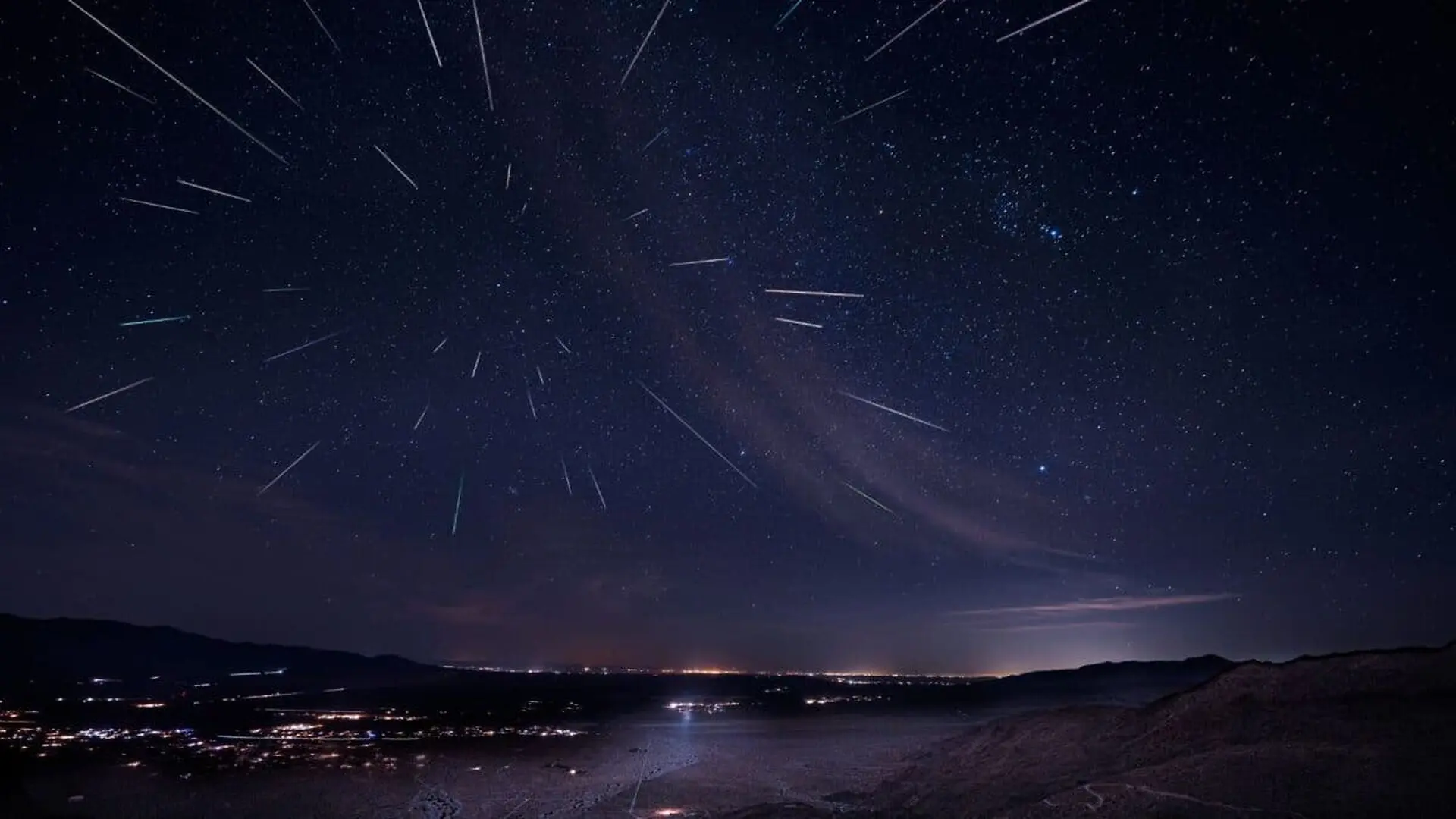
On the night of July 30‑31, skywatchers will be treated to the simultaneous peak of two annual meteor showers. The Southern Delta Aquariids and the Alpha Capricornids will both be active, offering a rare chance to see meteors from two distinct sources in a single observing session. However, the presence of a near‑full Moon will dim many of the fainter fire‑balls.
A Pair of Celestial Streams Overlap
The Southern Delta Aquariids, which run from July 12 through August 23, reach their maximum activity during the July 30‑31 night. Under dark conditions, observers can expect roughly 25 meteors per hour, though these tend to be faint and seldom produce dramatic fire‑balls. Information from the NASA page on Delta Aquariids and the American Meteor Society’s calendar notes the subtle nature of this shower.
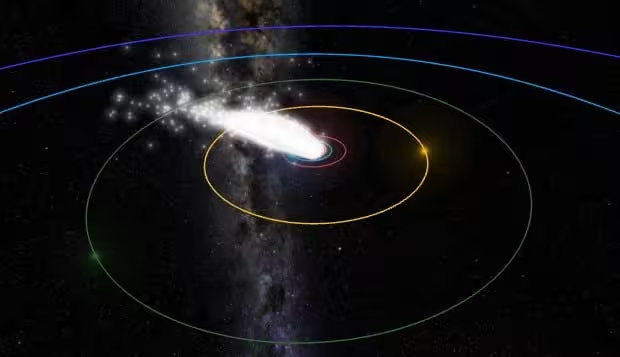
Running from July 3 to August 15, the Alpha Capricornids also peak on the same night but typically deliver a lower hourly rate of about five meteors. Unlike the Delta Aquariids, this stream is renowned for producing bright fire‑balls that often display vivid colors as they incinerate in Earth’s atmosphere. Details are available at the SkyLive overview of Alpha Capricornids.
Bright Moon Dims the Show
The “Buck Moon” will be nearly full on July 29, leaving the lunar disk about 98 % illuminated for the meteor‑watching night. As reported by Live Science, the added glare will suppress the visibility of the fainter Delta Aquariid meteors, though the brighter Alpha Capricornid fire‑balls should still be discernible.
Astronomers suggest positioning the Moon behind a natural obstacle—such as a tree, building, or hill—to reduce its wash‑out effect and maximize the contrast of the night sky.
Best Time and Locations for Viewing
The window between midnight and dawn offers the most favorable conditions, as the Southern Delta Aquariids’ radiant climbs highest in the southern sky. Observers located in the southern United States, Mexico, and the Caribbean will benefit from a higher placement of the Aquarius constellation compared with those at more northerly latitudes.
For optimal results, viewers should rely on the naked eye rather than binoculars or telescopes, allowing a wider field of view to catch fleeting streaks across the heavens.
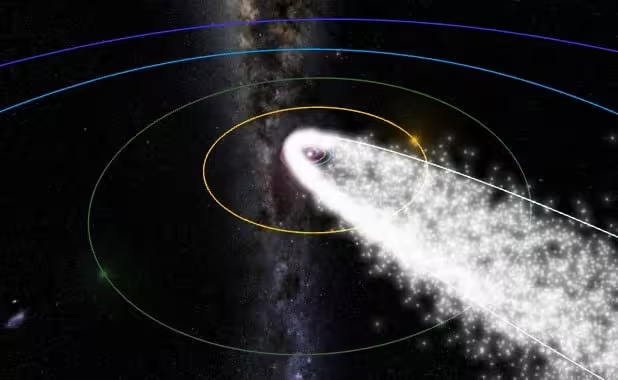
For those who miss the July event, the next major meteor display will be the Perseids, projected to peak on August 12‑13. That period follows a new Moon on August 12, promising darker skies and a more favorable backdrop for meteor spotting.
This article has been fact checked for accuracy, with information verified against reputable sources. Learn more about us and our editorial process.
Last reviewed on .
Article history
- Latest version
Reference(s)
- Cermak, Alicia. “Southern Delta Aquariids - NASA Science.”, November 18, 2017 NASA <https://science.nasa.gov/solar-system/meteors-meteorites/delta-aquariids/>.
- “Meteor Shower Calendar.” American Meteor Society <https://www.amsmeteors.org/meteor-showers/meteor-shower-calendar/>.
- <https://theskylive.com/meteorshower-alphacapricornids>.
- Carter, Jamie. “2 meteor showers peak on the same night this week — how to get the best views, despite a near-full moon.”, July 26, 2026 Live Science <https://www.livescience.com/space/meteoroids/2-meteor-showers-peak-on-the-same-night-this-week-how-to-get-the-best-views-despite-a-near-full-moon>.
Cite this page:
- Posted by Aisha Ahmed