Dinosaur fossils stolen for 20 years finally return to Mongolia, featuring rare Tarbosaurus
Un predsador anciento acapara titulares por el viaje increíble de sus fósiles en la era moderna
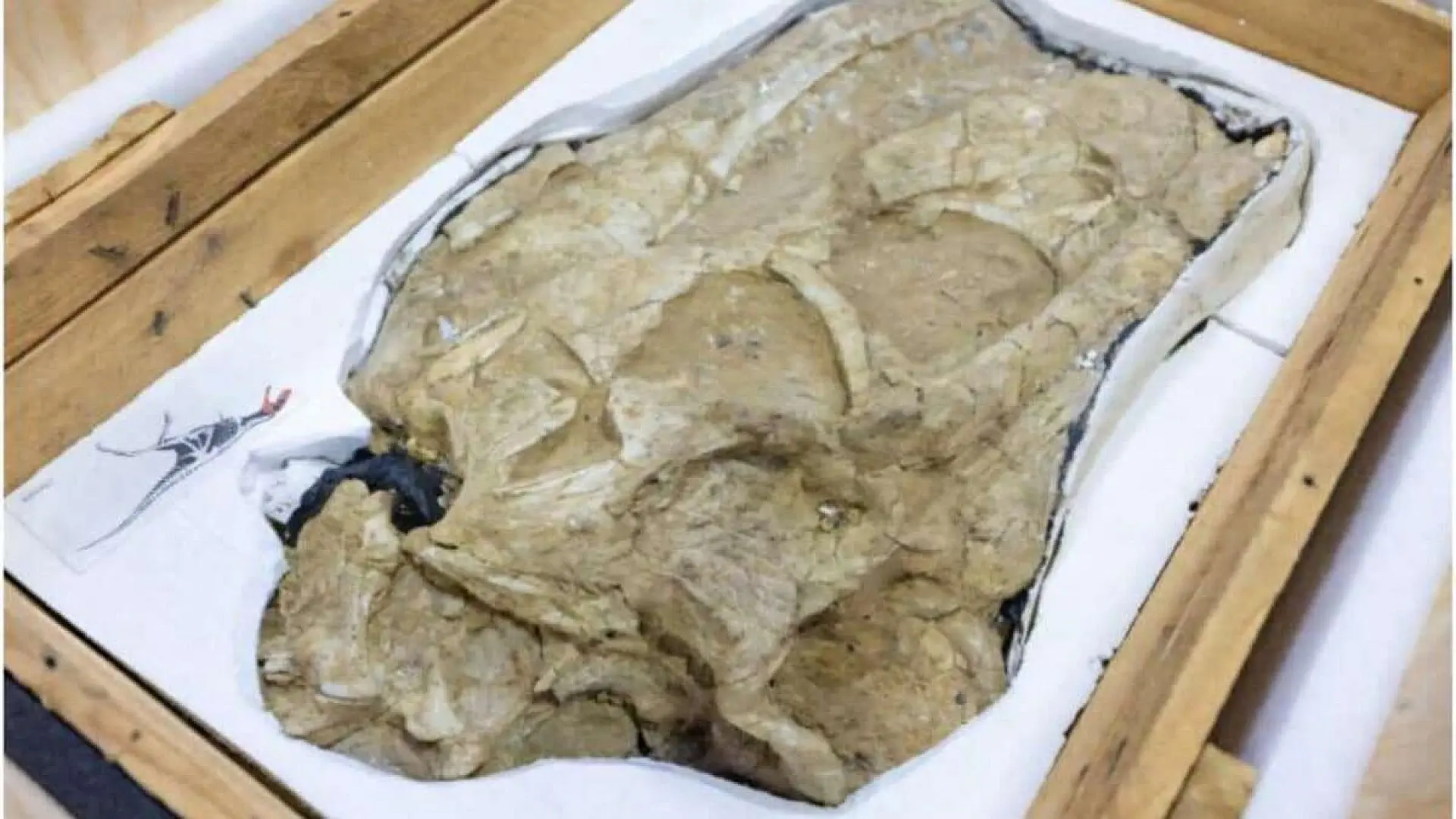
After nearly twenty years of absence, a trove of dinosaur remains taken from Mongolia has finally been returned. The shipment includes 29 fossil assemblages, among them a partially preserved Tarbosaurus bataar, a top predator that once roamed the ancient Gobi region.
The specimens were illicitly removed in 2006 and later appeared in France, where authorities initiated a protracted effort to retrieve them. Their repatriation reflects sustained collaboration between French and Mongolian agencies under international conventions that safeguard cultural heritage.
Much of Mongolia’s paleontological wealth originates from the Gobi Desert, a landscape that has yielded some of the most celebrated dinosaur discoveries.
Two‑Decade Journey of Stolen Dinosaur Bones
Police in Ulaanbaatar, represented by spokesperson D. Munkhkhuyag, explained that smugglers extracted the fossils with the intention of selling them on the black market. The case stalled until 2013, when customs officers in France uncovered several of the missing pieces. That breakthrough sparked a joint investigation aimed at identifying the objects and arranging their return.
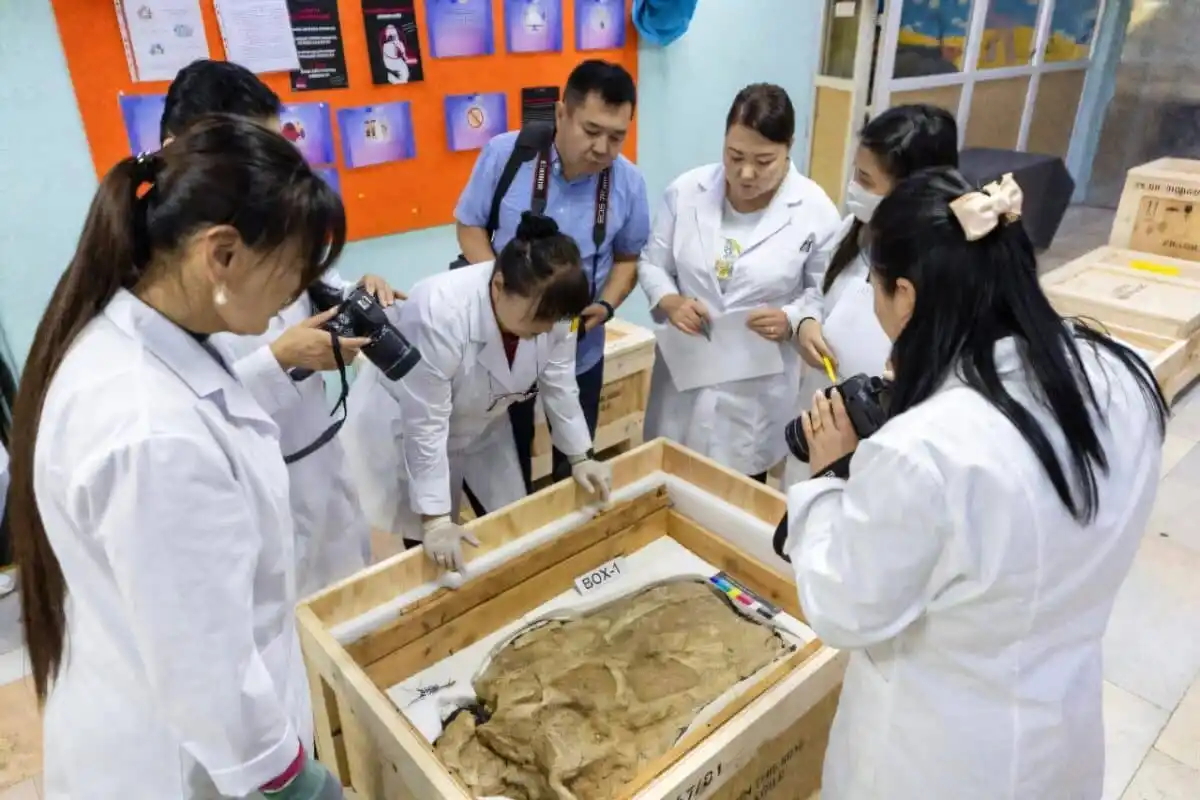
After years of diplomatic negotiations, a formal hand‑over took place in Paris in December 2025, attended by officials from both nations. The fossils have now been transferred to Mongolia’s National Museum of Natural History in Ulaanbaatar, where they will join the country’s existing collections.
Dinosaurs That Once Inhabited the Ancient Gobi
The recovered material dates to the Late Cretaceous, roughly 65–70 million years ago. According to Popular Science, the set includes specimens of theropods, ornithomimosaurs and hadrosaurs.
At that time the region that today is the arid Gobi Desert was a humid environment dotted with forests, floodplains and river channels, providing a rich habitat for a diverse array of dinosaur species.
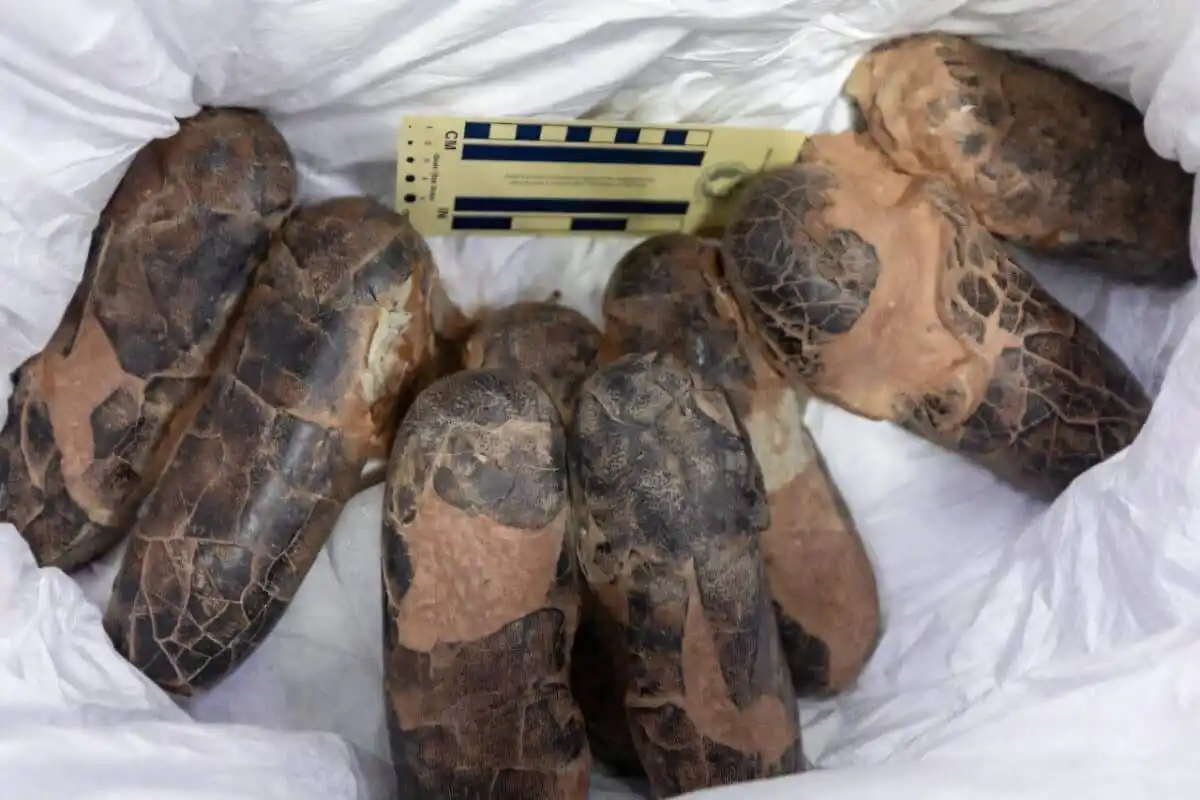
Those ancient ecosystems left behind a wealth of fossilized bones that have turned Mongolia into a premier site for paleontological research. While the repatriated collection represents only a fraction of that legacy, each specimen adds valuable data to the scientific record.
Signature Tarbosaurus Finds Its Way Home
The highlight of the shipment is a specimen of Tarbosaurus bataar that is more than half complete. Because the species is largely confined to Mongolia and neighboring parts of Central Asia, such finds are uncommon and carry significant scientific weight.
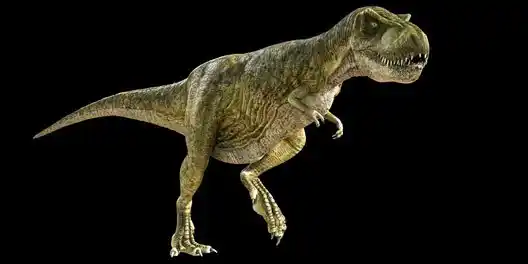
Tarbosaurus bataar ruled its Late Cretaceous ecosystem, reaching lengths beyond 33 feet, heights near 10 feet and masses exceeding five tons. Researchers believe it preyed on large herbivores, including ankylosaurids.
Paleontologists involved in the hand‑over have noted that the Tarbosaurus shares enough anatomical traits with the North American Tyrannosaurus rex to be considered an Asian counterpart, though it remains a distinct species.
Museum curators will now clean, catalog and eventually display the fossils. Director Manchuk Nuramkhan called the collection “priceless” and emphasized its role as a unique element of Mongolia’s natural heritage.
“The dinosaur fossil is priceless and a unique piece of heritage,” she said, “We are delighted that children and young people will have the opportunity to see Mongolia’s dinosaur heritage firsthand and learn from it.”
This article has been fact checked for accuracy, with information verified against reputable sources. Learn more about us and our editorial process.
Last reviewed on .
Article history
- Latest version
Reference(s)
- “Нүүр хуудас.” http://en.nationalmuseum.mn <http://en.nationalmuseum.mn/>.
- Paul, Andrew. “Rare dinosaur fossils finally returned to Mongolia 20 years after theft.”, June 12, 2026 Popular Science <https://www.popsci.com/science/stolen-fossils-returned-mongolia/>.
Cite this page:
- Posted by Hassan Raza