19th‑Century Harpoon Found Inside 115‑Year‑Old Bowhead Whale Reveals Secrets of Longevity
Unexpected discovery inside a whale’s body stuns scientists during routine examination
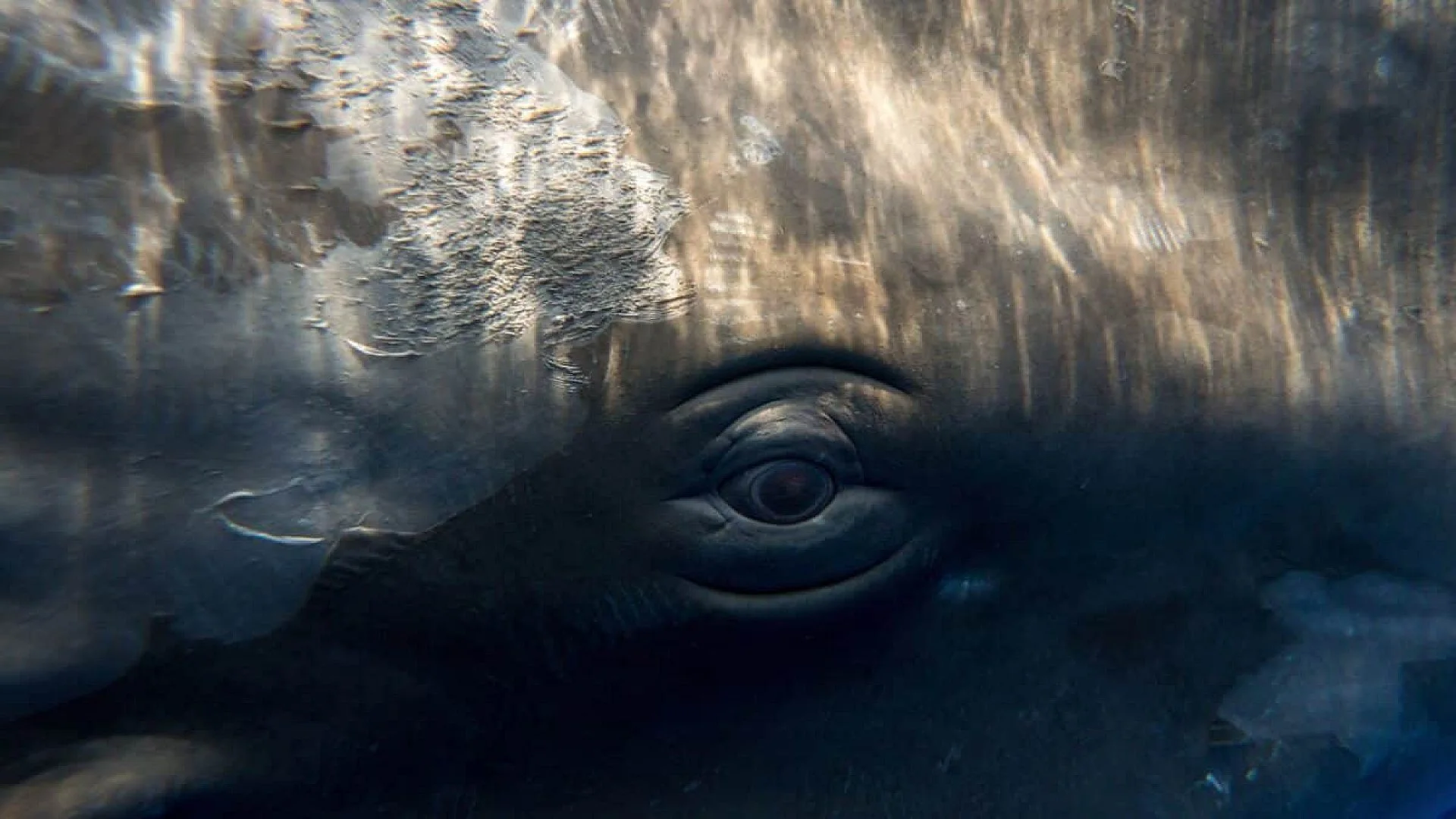
In 2007, an Alaska‑caught bowhead whale revealed a hidden clue to its age: metal fragments from a 19th‑century harpoon lodged in its flesh, indicating the animal may have been about 115 years old.
The specimen provided a rare window into the remarkable longevity of bowhead whales, a species already noted for outliving most mammals, with some individuals possibly surpassing two centuries.
The whale was taken as part of a subsistence hunt, a practice still allowed for Indigenous communities that rely on marine mammals for sustenance.
Hidden Relic Discovered During Processing
While the carcass was being prepared, a marine biologist spotted several metallic pieces embedded in the tissue. The fragments were forwarded to John Bockstoce, a historian affiliated with the New Bedford Whaling Museum, for identification, as reported by IFLScience.
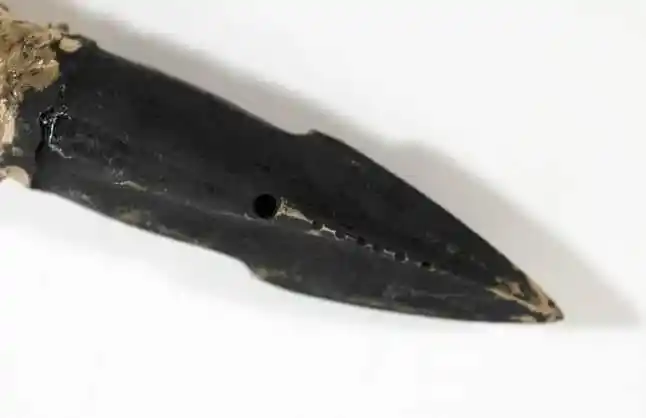
Analysis linked the objects to an “exploding lance,” a type of harpoon that was common among whalers operating out of New Bedford, Massachusetts during the late 1800s.
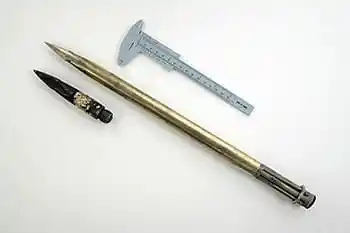
The weapon’s design allowed researchers to narrow the time window of its use.
“We examined the piece and found that it was a model made after a patent of 1879 which was only made from 1879 to 1885, we think.” Bockstoce stated. “So, 1890 seems to be a reasonable estimate of when it was used. Either earlier or later by a few years perhaps.”
That timeframe, combined with the whale’s survival into the 21st century, led scientists to calculate an approximate age of 115 years, with the possibility of it being even older.
A Living Link to the Whaling Era
During the height of commercial whaling, bowhead numbers plummeted to fewer than 3,000 individuals before protective measures halted the decline. The industry’s direct targeting of the species effectively ended in 1921.
Since then, the population has been on a slow rebound, with contemporary estimates ranging between 10,000 and 23,000 whales.
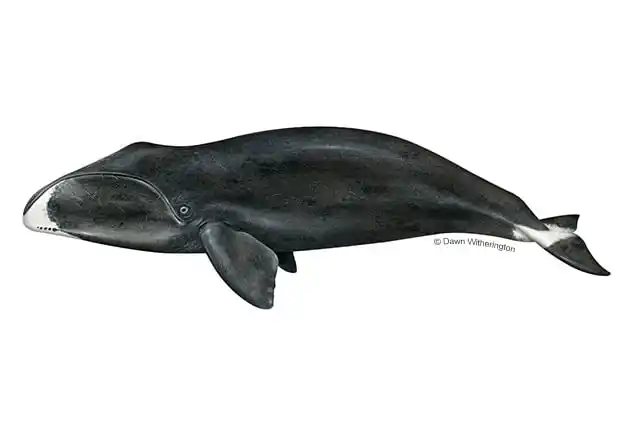
The Alaskan animal likely crossed paths with whalers in the final decades of that trade, survived a harpoon strike, and continued thriving for more than a century afterward.
Such a tangible artifact embedded within a living creature offers an almost literal timestamp from a bygone era.
Techniques Used to Gauge Whale Longevity
Because finding a century‑old harpoon is exceptional, researchers typically turn to other age‑determination methods, notably the analysis of the eye lens.
“Scientists usually use a rather obscure method to calculate the age of whales—they analyze amino acids in whales’ eyes. And they’ve concluded that some whales can live as long as 200 years. But the explosive spear tip found in this whale provides much clearer evidence of its age,” as quoted in Living on Earth.
By measuring the gradual changes in lens proteins, scientists can infer age in a manner comparable to radiocarbon dating, relying on predictable biochemical shifts over time.
Research highlighted that the genetic mechanisms granting bowheads their extended lifespan might also constrain reproductive output, a trade‑off that could shape the species’ future dynamics. For more details, see the NOAA profile on bowhead whales.
This article has been fact checked for accuracy, with information verified against reputable sources. Learn more about us and our editorial process.
Last reviewed on .
Article history
- Latest version
Reference(s)
- <https://www.johnbockstoce.com/>.
- Staff, “A Whale of a Sliver.”, June 15, 2007 World Media Foundation <https://www.loe.org/shows/segments.html?programID=07-P13-00024&segmentID=7>.
- “Bowhead Whale.”, November 16, 2018 NOAA <https://www.fisheries.noaa.gov/species/bowhead-whale>.
Cite this page:
- Posted by Hassan Raza