Stone Tools Uncover Unknown Hominin on Sulawesi 200,000 Years Before Modern Humans
Archéologues découvrent outils mystérieux d’une espèce humaine disparue en fouillant 8 mètres dans une grotte de Sulawesi
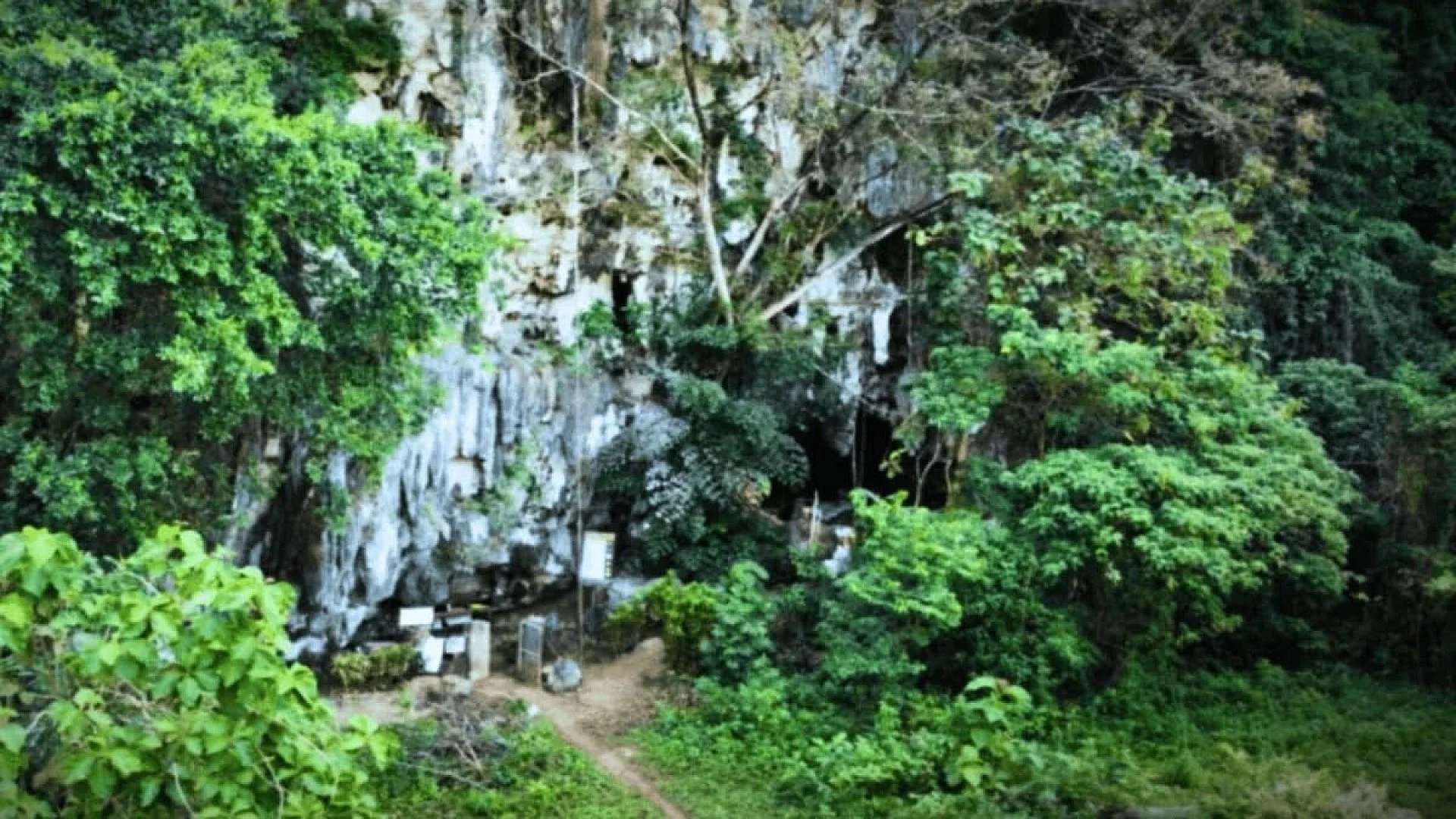
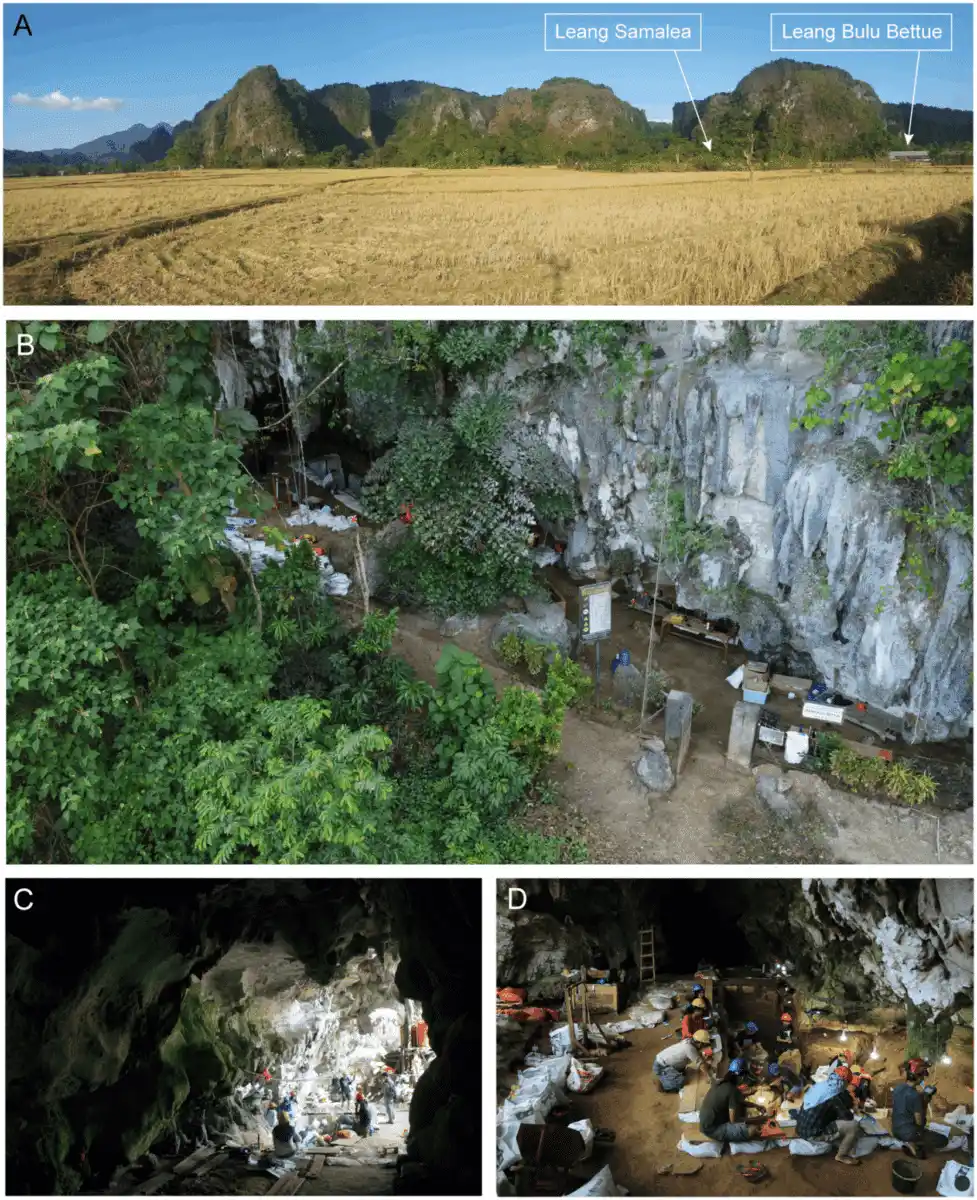
Archaeologists probing eight metres beneath the floor of a limestone cave in South Sulawesi have uncovered stone implements and cut‑mark evidence on animal bones that point to a human‑like population inhabiting the island between roughly 132,000 and 208,000 years ago. The discovery comes from Leang Bulu Bettue, a cave‑and‑rock‑shelter complex in the Maros‑Pangkep karst region of Indonesia, and it is the sole site on Sulawesi that preserves an uninterrupted archaeological sequence from the Middle Pleistocene through to the late Holocene.
The research, led by Basran Burhan and Adam Brumm of Griffith University, was published in PLOS ONE in December 2025 after seven excavation seasons that began in 2013. The deepest deposits raise a fundamental question about Southeast Asian prehistory: which hominin group was present on Sulawesi long before Homo sapiens arrived?
Pre‑modern lithic industry predates modern humans
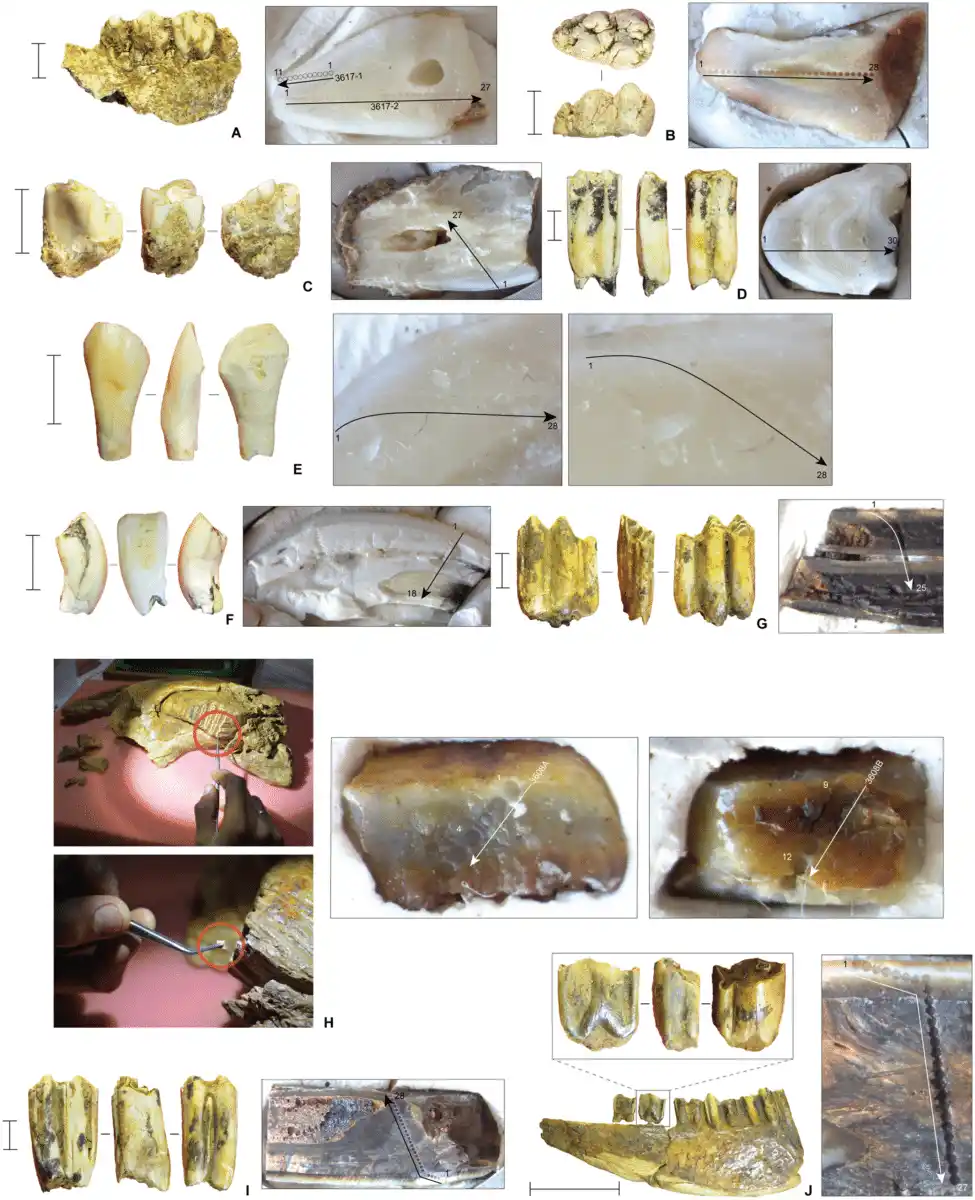
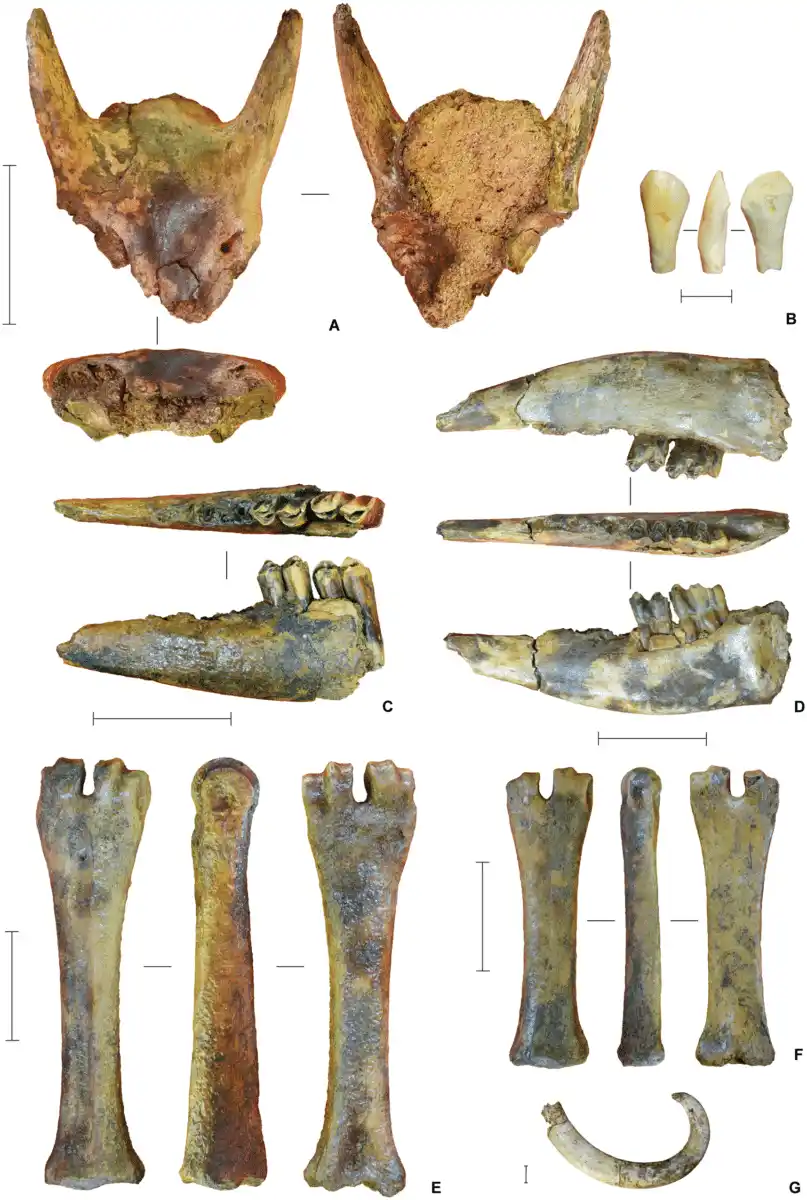
The lower occupational phase, labeled Phase I by the investigators, is characterized by a cobble‑based core and flake technique. Among the recovered artifacts is a stone “pick”, a heavy‑duty implement that the authors interpret as evidence of both technical skill and environmental adaptation. Animal remains from the same strata show clear butchery marks, dominated by dwarf bovids known as anoas and accompanied by bones of extinct proboscideans.
No hominin fossils were recovered, leaving the species responsible for the tool set unresolved. The authors note that prior work has documented archaic hominins on Sulawesi from at least 1.04 million years ago. The most plausible candidates, based on the regional fossil record, are Homo erectus or a dwarfed, insular variant of that lineage. The paper also entertains a possible Denisovan contribution, citing genetic studies that link the ancestors of present‑day Aboriginal and Melanesian peoples to Denisovan interbreeding before the colonisation of Sahul, and highlighting Sulawesi as a likely contact zone within Wallacea.
A cultural turnover around 40 000 years ago
Above the Phase I deposits, the archaeological record shifts dramatically. By roughly 40 000 years ago, a new cultural package appears, featuring a distinct lithic technology, the use of ochre, portable art such as stone pieces incised with abstract motifs, and personal ornaments fashioned from animal bones and teeth. The researchers describe these finds as the earliest known evidence for artistic expression and symbolic behaviour on Sulawesi.
Brumm interprets this abrupt shift as indicative of a major demographic and cultural transformation on the island. As reported by Indian Defence Review, the authors argue that the behavioural break aligns with the replacement of the archaic hominin population by incoming Homo sapiens, although they stress that this remains a hypothesis rather than a proven fact.
The earliest direct evidence for modern humans on Sulawesi comes from a cave painting at nearby Leang Karampuang, dated by uranium‑series methods to at least 51 200 years ago.
Sulawesi’s strategic position in early human migrations
Leang Bulu Bettue’s importance extends beyond its two occupational phases. The island lies along one of the two most likely human dispersal routes that early modern humans may have taken as they moved eastward from the Sunda shelf toward Sahul, the Pleistocene landmass that combined present‑day Australia and New Guinea. Its location makes Sulawesi a potential corridor through which multiple hominin groups could have passed or settled at different times.
Before the excavations at Leang Bulu Bettue, the archaeological record on Sulawesi exhibited a substantial gap between the archaic hominin evidence documented at older sites and the appearance of Homo sapiens. The near‑continuous stratigraphic sequence at this cave, reaching eight metres below the modern surface and spanning from the Middle Pleistocene to the late Holocene, is unique on the island.
Unexplored depths may reveal older chapters
The excavation is ongoing. The team notes that several metres of sediment below the current trench remain untouched, and those layers could hold older artefacts and further evidence of early hominin activity in Indonesia.
Burhan suggests that future work at the site may produce discoveries that reshape our understanding of the early human story on Sulawesi and perhaps across the broader region.
At present, Leang Bulu Bettue is the only Sulawesi locality with a dated archaeological record that continuously covers the Middle and Late Pleistocene Epoch, making it the primary benchmark for tracing when and how different hominin species occupied the island before and after the arrival of modern humans.
This article has been fact checked for accuracy, with information verified against reputable sources. Learn more about us and our editorial process.
Last reviewed on .
Article history
- Latest version
Reference(s)
- Burhan, Basran. “A near-continuous archaeological record of Pleistocene human occupation at Leang Bulu Bettue, Sulawesi, Indonesia.”, vol. 20, no. 12, pp. e0337993, doi: 10.1371/journal.pone.0337993. <https://journals.plos.org/plosone/article?id=10.1371/journal.pone.0337993>.
Cite this page:
- Posted by Hassan Raza