Told He Had a Disorder at School. By 13 He Held a Molecular Biology Degree. Now at 15, He Engineers Enzymes That Eat Plastic
Ian González Santos was diagnosed with a learning disorder while in elementary school. Now at 15 years old, he’s pursuing a groundbreaking innovation that could revolutionize global plastic waste management.
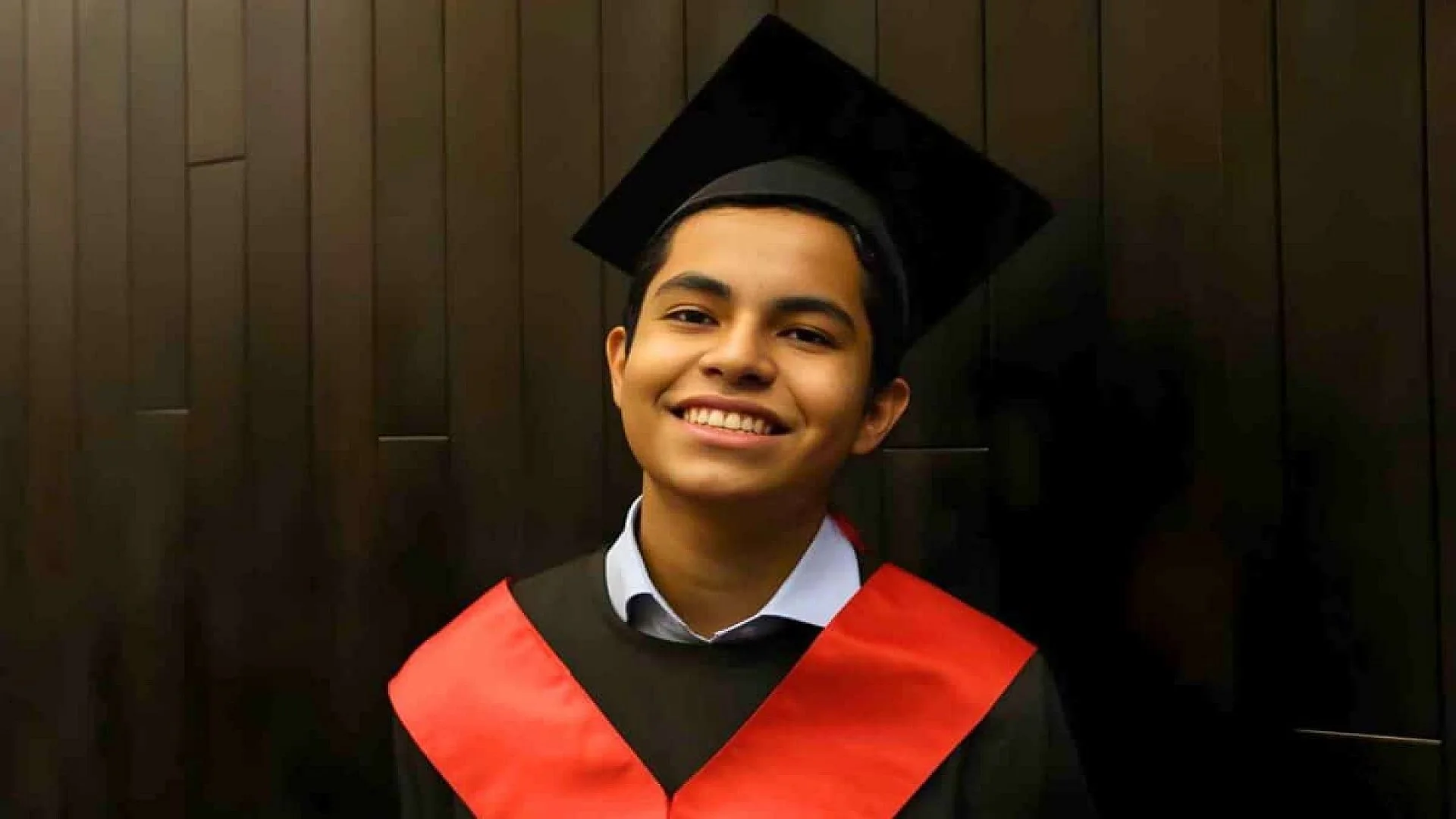
Ian Emmanuel González Santos is a trailblazing young scientist who has achieved the unthinkable: completing a bachelor’s degree in Pharmaceutical Chemistry and Biology at the University of Guadalajara’s Center for Exact Sciences and Engineering (CUCEI) at just 13 years old. His academic journey has been nothing short of remarkable, with a master’s degree in molecular biology and cytogenetics under his belt, and a Ph.D. in molecular biology research currently underway.
González Santos’s degree is a fusion of chemistry, biology, and health sciences, which he completed in an impressive four years. His research focuses on breaking down PET plastic with bacteria, a process that has garnered significant attention for its potential to revolutionize plastic recycling. The numbers behind plastic waste are staggering: 460 million metric tons of plastic were produced in 2019, with only 9% being recycled, and 22 million metric tons seeping into the environment.
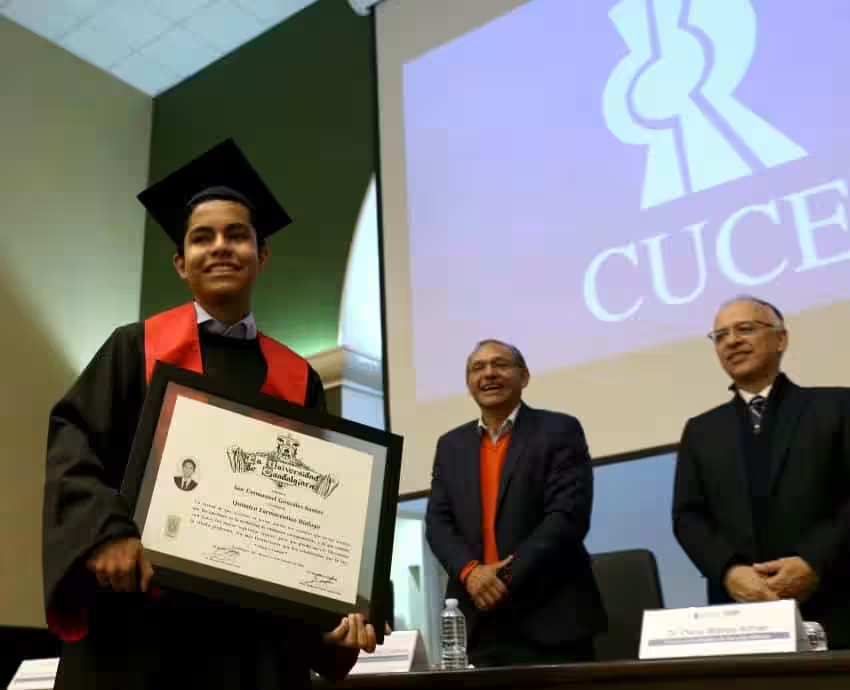
González Santos’s research has taken him to the depths of Lake Chapala, Mexico’s largest lake, where he is applying metagenomics to study genetic material and improve water safety. His work is a testament to the power of human ingenuity and the potential for science to drive positive change. As he himself has said, “My story is a combination of dreams and sacrifices, pandemic, hard work, mockery, but also many satisfactions and achievements.”
The Science Behind Plastic Recycling
Plastic-eating bacteria have captured the imagination of scientists and the public alike, but the actual chemistry behind plastic recycling is more complex and nuanced. A plastic bottle is a long chain of repeating molecules, which enzymes can break down into chemical building blocks that can be reused. The discovery of Ideonella sakaiensis 201-F6, a bacterium that produces enzymes that hydrolyze PET, has opened up new avenues for research and development.

The engineered enzyme FAST-PETase, developed by a team at the University of Texas at Austin, has shown promise in breaking down untreated post-consumer PET in just a week. However, the real bottleneck in plastic recycling is sorting, which is a critical step in ensuring that plastic waste is properly collected and processed.
A Student Who Defied the Template
Ian González Santos’s academic journey is a testament to the power of human potential and the importance of creating inclusive and supportive learning environments. His story has inspired many, and his research has the potential to drive positive change in the world. As he himself has said, “The world is literally his,” and we can’t wait to see what he achieves next.
This article has been fact checked for accuracy, with information verified against reputable sources. Learn more about us and our editorial process.
Last reviewed on .
Article history
- Latest version
- Last updated by Dayyal Dungrela, MLT, BSc, BS
Cite this page:
- Posted by Hassan Raza