How Mangroves and Waste Recycling Are Paving the Way for Space Farming on the Moon and Mars
New plant and recycling technologies being engineered to support future lunar and Martian missions.
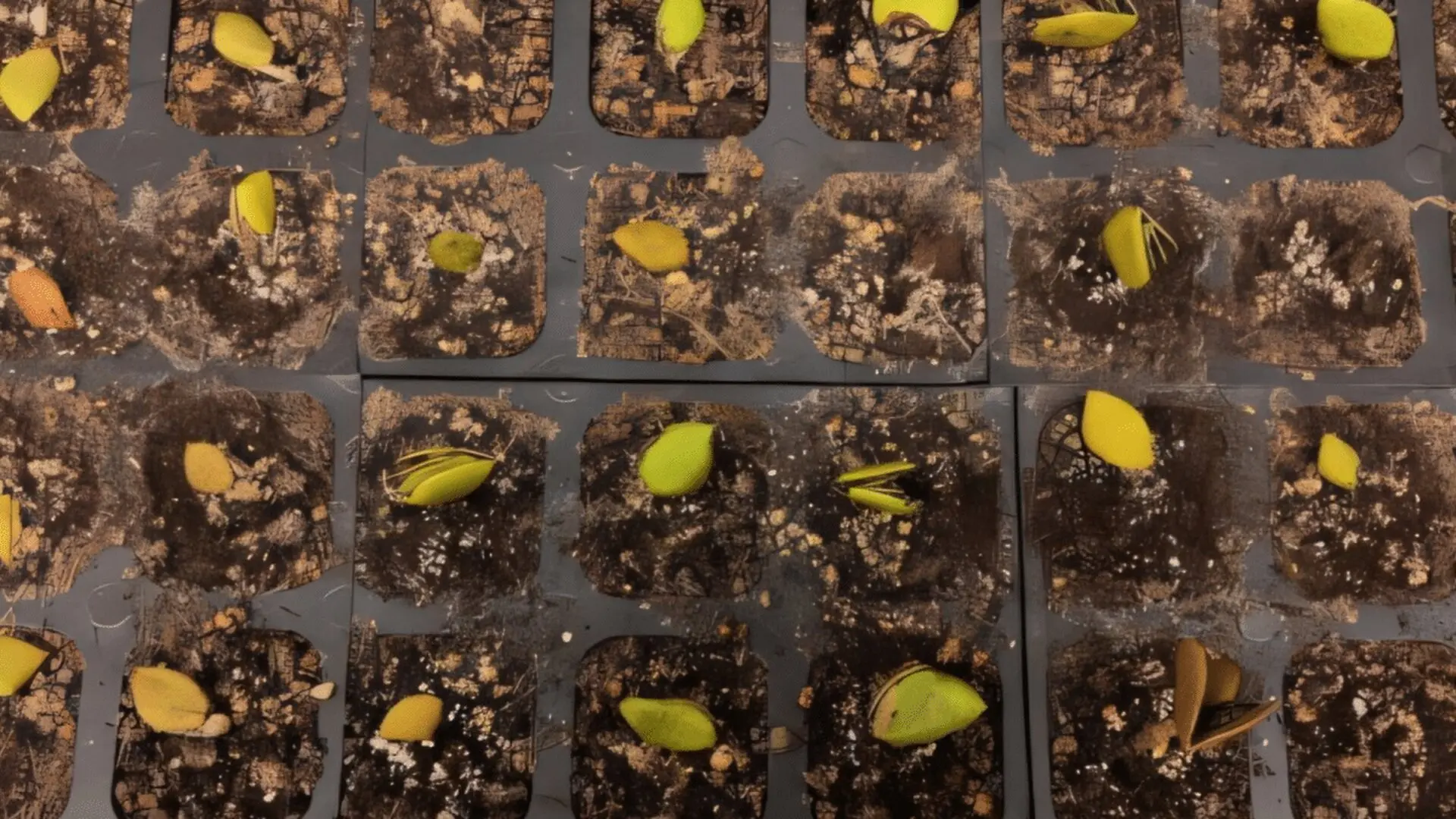
A multidisciplinary team at the University of South Florida is pioneering closed‑loop farming methods that could supply fresh produce for crews traveling to the Moon and Mars. By merging plant biology, engineering, and waste‑recycling technologies, researchers aim to create self‑sustaining food systems capable of operating in the harsh conditions of space.
Designing Closed‑Loop Plant Habitats for Off‑World Missions
Spacecraft and future planetary outposts will have to contend with limited volume, scarce resources, and extreme environmental variables. Scientists at the USF Aerospace: Science, Technology, Research and Applications Center (ASTRA) are replicating extraterrestrial stressors in terrestrial labs to observe how plants, microbes, and related biological systems respond to shifts in temperature, gas composition, moisture, light, and nutrient availability.
“We’re building multidisciplinary teams of engineers, plant scientists and health researchers who are contributing to space‑related projects and their applications on Earth. It’s creating an opportunity for USF to establish itself as a leader in this field,” said Stephanie Carey, associate professor and principal investigator for USF’s ASTRA Center.
The ultimate goal is to devise resilient cultivation platforms that can function autonomously for months or years, reducing dependence on Earth‑originated supplies and enabling astronauts to produce a portion of their own nutrition.
Coastal Plants Inspire Space Farming Strategies
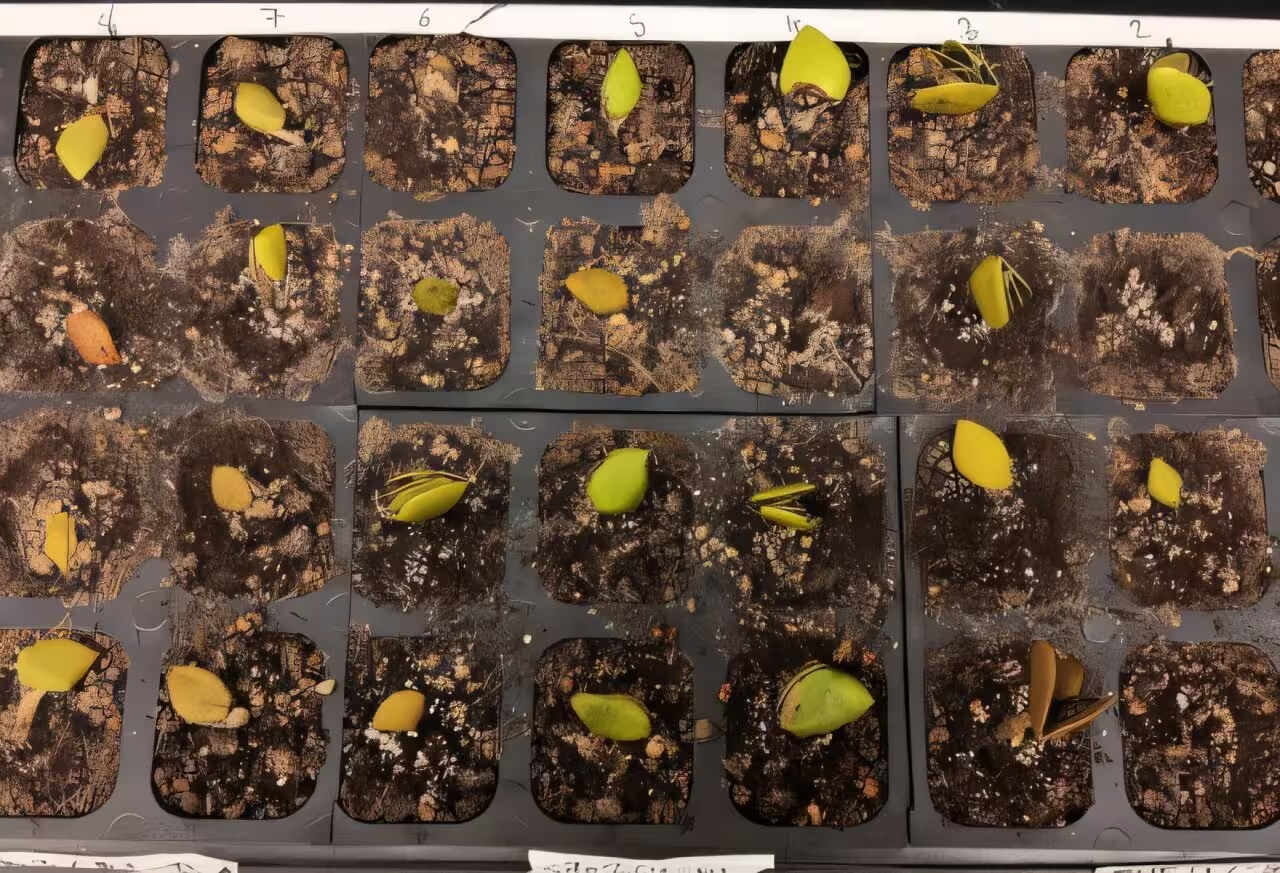
Associate professor of integrative biology Christina Richards is leading a project that looks to hardy coastal species such as red mangroves and Spartina alterniflora marsh grass for clues about surviving in resource‑limited settings. These plants thrive amid pollution, fluctuating water levels, and salinity stress, making them valuable models for engineered space habitats.
Graduate researcher Jessica Bains first connected the dots between shoreline ecosystems and extraterrestrial agriculture, prompting Richards to apply genomic tools to decipher the molecular mechanisms that enable stress tolerance.
“Space agriculture is about understanding how to grow plants in extremely difficult environments,” Richards said. “At first, I saw this topic as an opportunity to apply our approaches in genomics to understand how plants regulate those responses under the stresses they face in extraterrestrial environmental conditions.”
Richards emphasizes that the work remains grounded in fundamental plant science rather than a mere technology showcase.
“We want this to be rigorous science, not simply excitement about doing ‘space work,’” Richards said. “The goal is to start with strong plant biology grounded in Earth‑based systems before expanding to agriculture and true space growth conditions.”
Turning Waste Into Fertilizer for Long‑Duration Flights
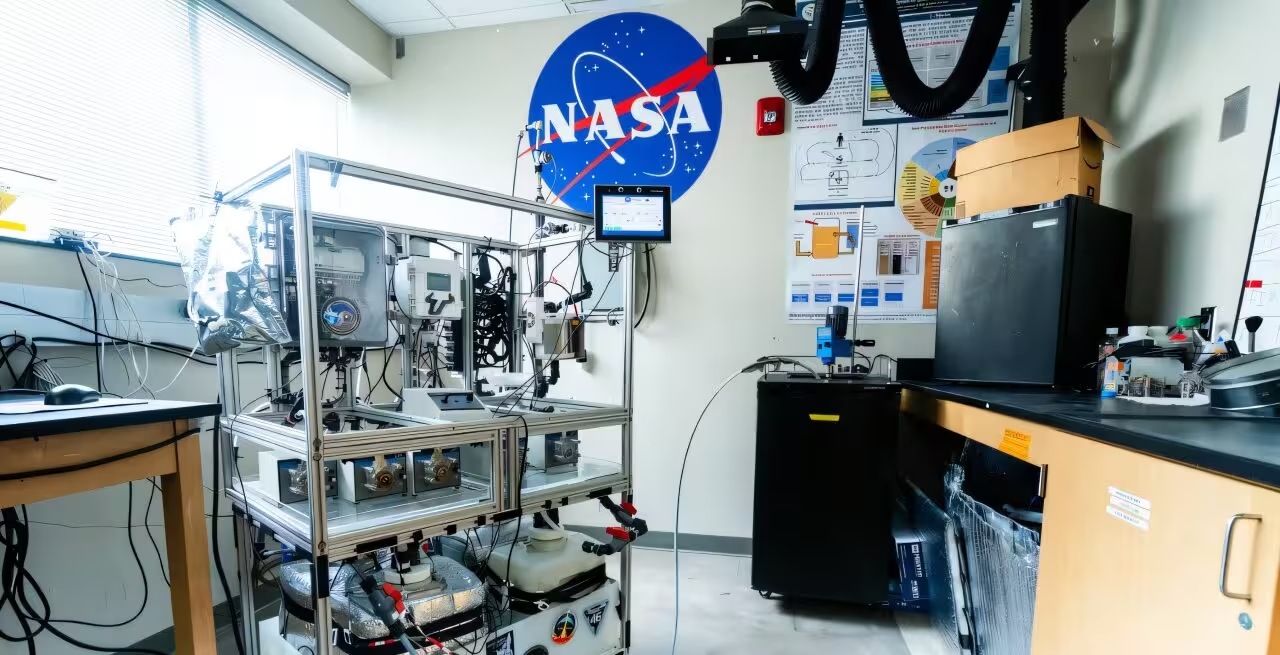
Professor Daniel Yeh heads the Membrane Biotechnology Lab, where anaerobic microbes are harnessed to convert human waste into a nutrient‑rich liquid fertilizer. Using this reclaimed feedstock, the team has successfully cultivated soil‑free bok choy, demonstrating a viable pathway for in‑situ food production.
“Transporting supplies into space is extremely expensive, and every pound of payload matters,” noted Alexandra Smith, a graduate student in the Yeh lab. “Instead of discarding nutrients as waste, we recycle them into plant growth systems that can support astronauts on long‑duration missions. This same technology can also be used to face Earth’s wastewater challenges.”
The lab’s off‑grid wastewater treatment platform, known as the NEWgenerator, has already been deployed in India and South Africa. After attracting NASA’s attention, Yeh’s group has spent the past eight years collaborating with the Kennedy Space Center to adapt membrane bioreactor designs for lunar habitat applications.
CubeSat Experiments Probe Plant Behavior in Microgravity
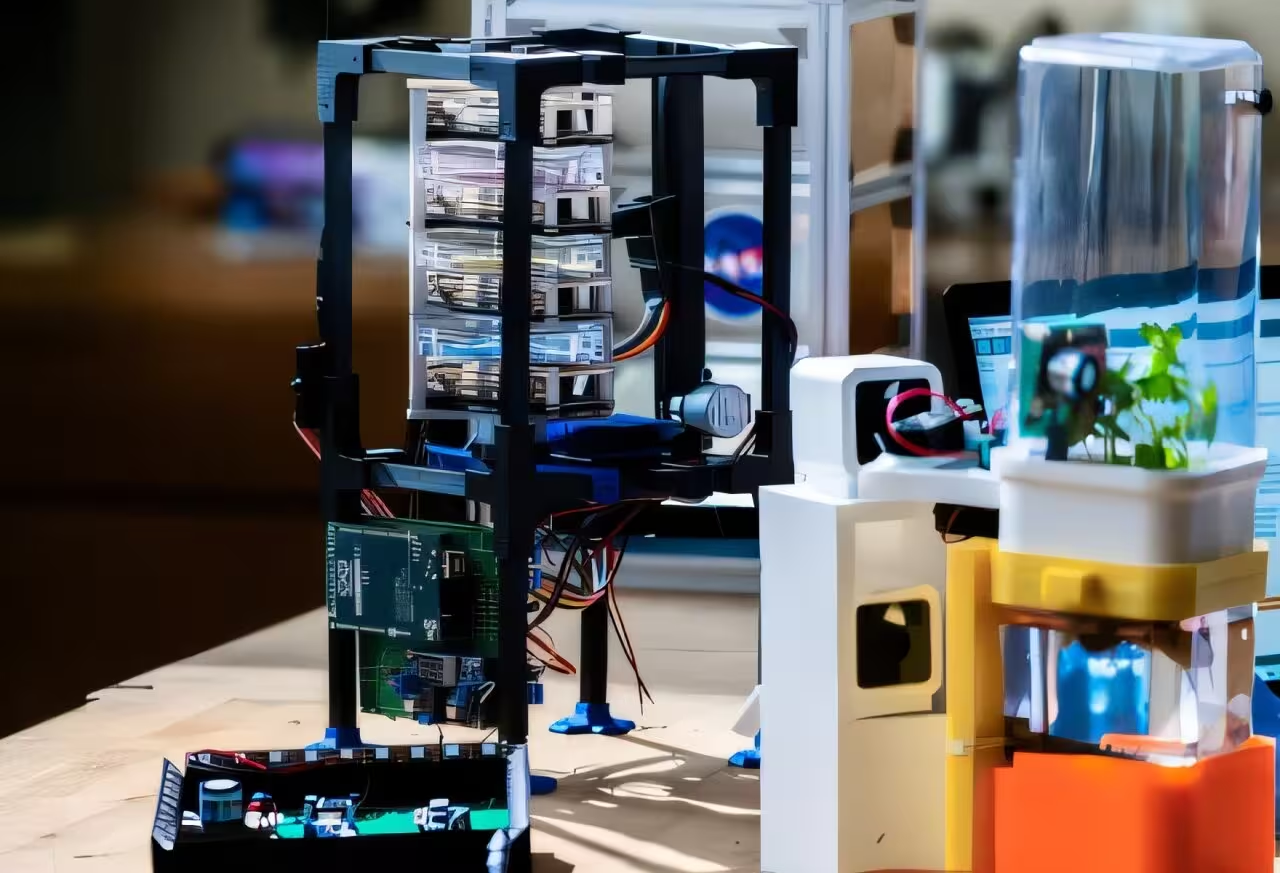
Compact satellites called CubeSats provide a low‑cost platform for studying plant responses during actual spaceflight. Sensors, cameras, and automated control loops within these devices record how variables such as gas composition, humidity, moisture, and light intensity affect growth.
Professor Arash Takshi has overseen experiments that began with red romaine lettuce and have progressed to more sophisticated rigs capable of monitoring multiple environmental parameters simultaneously.
Findings confirm that even modest fluctuations in atmospheric gases or moisture can trigger pronounced physiological changes, underscoring the complexity of maintaining stable habitats for living organisms aboard spacecraft.
Parallel investigations into fungi reveal that certain species thrive under extreme conditions and may offer additional benefits, such as radiation shielding or biomanufacturing capabilities, for future missions.
By uniting advances in plant genetics, engineered growth chambers, and waste‑to‑resource conversion, the USF teams are laying the groundwork for sustainable life‑support systems that could support crews on the Moon, Mars, and beyond, while also delivering greener technologies for terrestrial use.
This article has been fact checked for accuracy, with information verified against reputable sources. Learn more about us and our editorial process.
Last reviewed on .
Article history
- Latest version
Reference(s)
- “Welcome to the University of South Florida | Tampa, St. Petersburg, FL.” <https://www.usf.edu/>.
Cite this page:
- Posted by Hassan Raza