Deadly Fungal Spores From a 500-Year-Old Polish King’s Tomb Explain the Mummy Curse
Opening Casimir IV Jagiellon’s tomb in 1973 caused 15 deaths, later traced to deadly fungal spores lurking in the crypt.
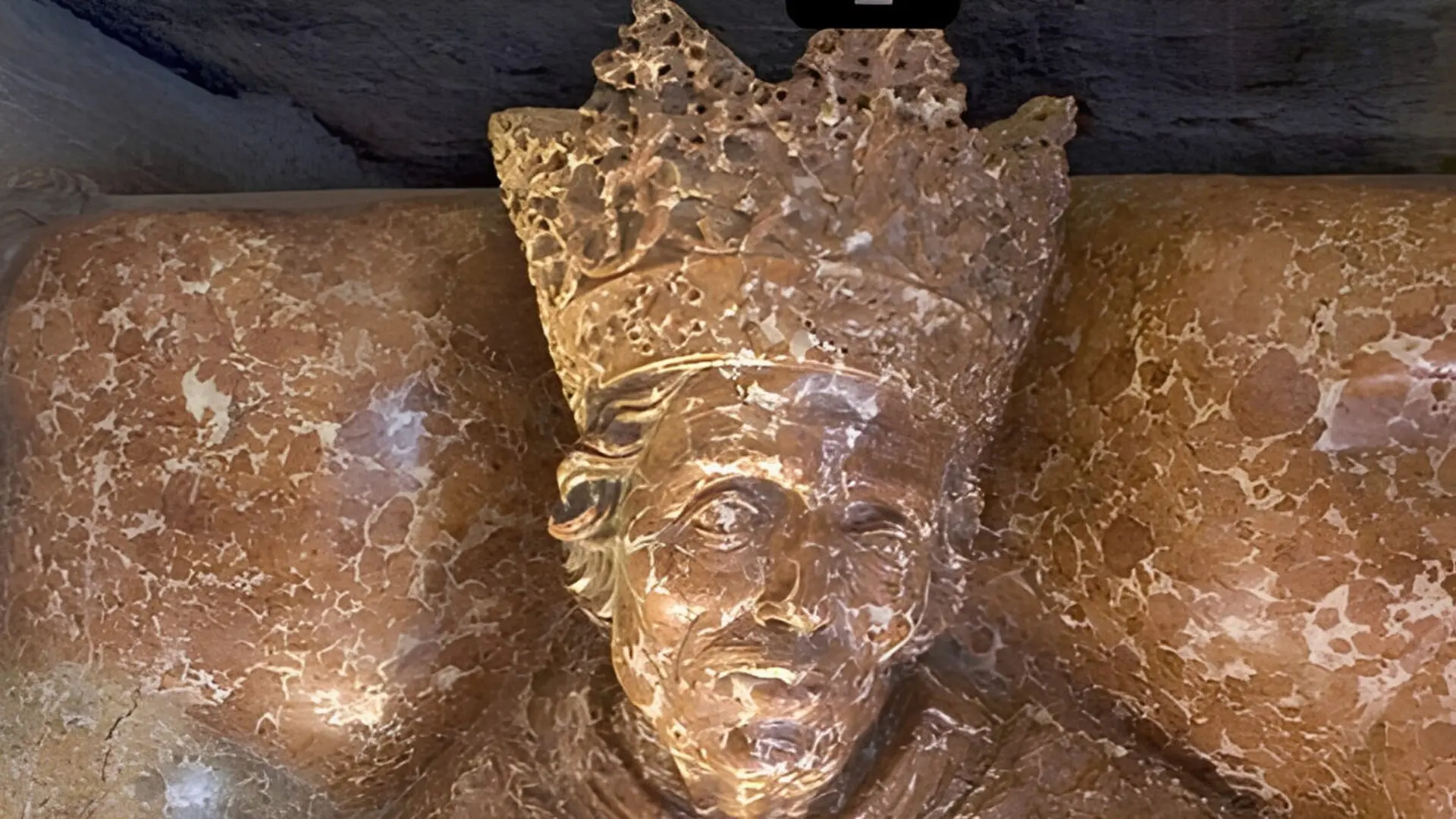
Researchers granted special access to the crypt beneath Kraków’s Wawel Royal Castle in 1973 uncovered a centuries‑old burial chamber that quickly became linked to the folklore of a “mummy’s curse.” Subsequent scientific work identified a fungal hazard as the more plausible cause of the subsequent illnesses.
The tomb belonged to Casimir IV Jagiellon, a pivotal 15th‑century ruler who ascended as Grand Duke of Lithuania in 1440 and King of Poland in 1447, governing until his death in 1492 at age 65.
The episode revived public fascination with earlier “cursed” tombs. The 1922 opening of King Tutankhamun’s tomb, followed by the death of expedition sponsor Lord Carnarvon weeks later, had already cemented the notion of a deadly ancient curse.
Opening the Royal Crypt and a String of Fatalities
On 13 April 1973, a team of twelve archaeologists entered Casimir IV’s burial chamber after receiving permission from Archbishop Karol Wojtyła of Kraków, who would later become Pope John Paul II.
According to Popular Mechanics, four members of the party died within days of the entry, and the death toll rose to ten within weeks. Over the following years, a total of fifteen individuals who had either visited the crypt or handled the king’s remains in a laboratory were reported deceased.
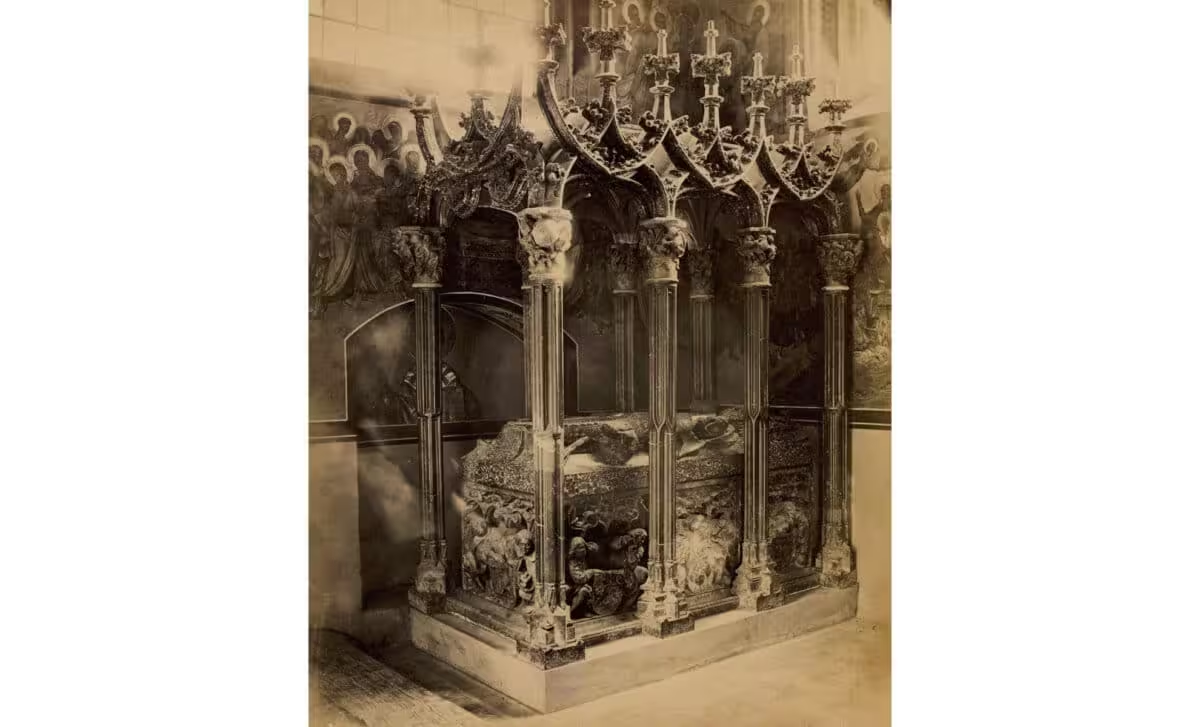
Before stepping inside, several team members reportedly joked about the prospect of a “mummy’s curse,” a notion already popularized by the Tutankhamun incident.
Centuries‑Old Decay Created a Fungal Hotspot
Following Casimir IV’s demise, his body began to decompose under unusually hot conditions before being wrapped and placed in a simple wooden coffin. Five hundred years later, the coffin had disintegrated, yet the surrounding crypt retained a dense fungal load.
Subsequent sampling identified several mold species, including Aspergillus, Penicillium rubrum, and Penicillium rugulosum. While these organisms typically cause fever and inflammation, massive spore exposure can pose serious health threats.
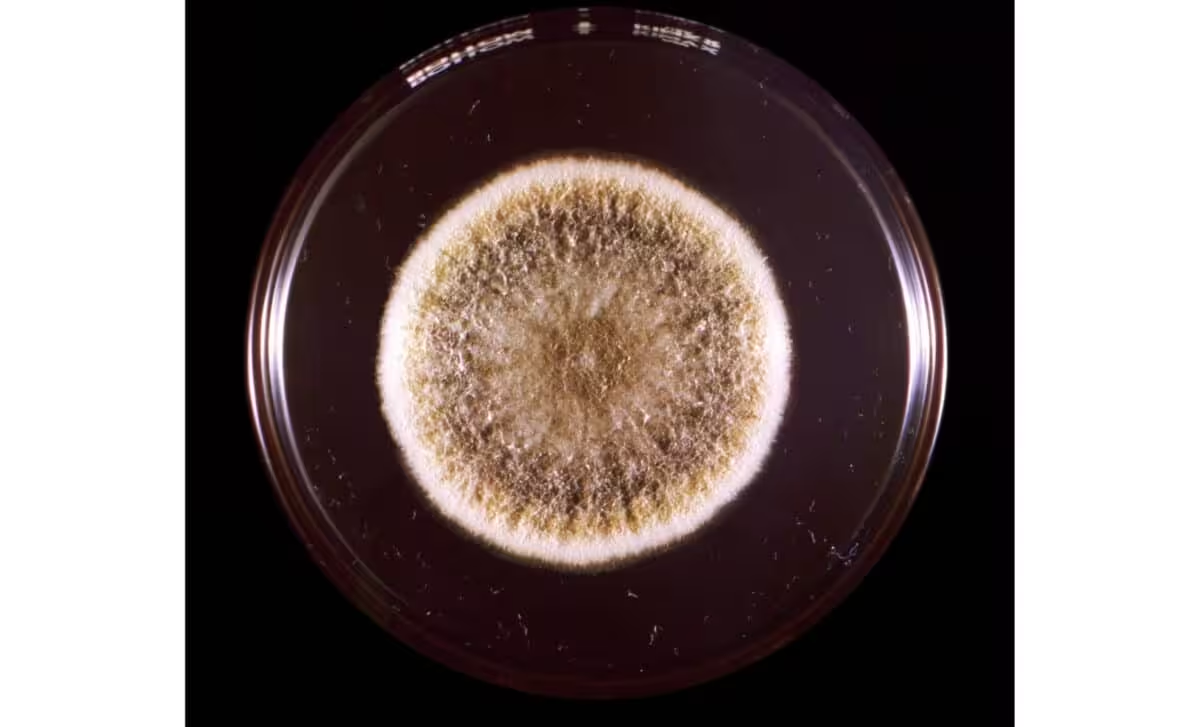
A 2015 investigation published in the Journal of the Air & Waste Management Association reported that air and surface samples from several Polish crypts, including Wawel, showed fungal concentrations exceeding occupational safety limits, prompting a warning for personnel working in such environments [source].
Scientific Insight Replaces Superstition
The series of deaths linked to the tomb was eventually interpreted as a consequence of inhaling high levels of fungal spores. When these spores reach the deep lung tissue, especially in individuals with compromised immune systems, they can trigger severe respiratory infections that may progress from allergic‑type reactions to life‑threatening disease [source].
The discovery of viable fungi inside the sealed crypt provides a concrete biological explanation for the illnesses reported after the 1973 opening, underscoring the hidden hazards that can persist in ancient burial sites.
The Casimir IV investigation has reshaped scholarly perspectives on the so‑called mummy’s curse, shifting the narrative from supernatural folklore to evidence‑based understanding of long‑term microbial survival in historic environments.
This article has been fact checked for accuracy, with information verified against reputable sources. Learn more about us and our editorial process.
Last reviewed on .
Article history
- Latest version
Reference(s)
- “John Paul II.”, April 2, 2014 Biography <https://www.biography.com/religious-figures/john-paul-ii>.
- Newcomb, Tim. “Archaeologists Opened a 500-Year-Old King’s Tomb. Most Didn’t Live to Tell the Tale..”, July 29, 2026 Popular Mechanics <https://www.popularmechanics.com/science/archaeology/a73274836/tomb-fungus-fatalities/>.
- Łukaszuk, Cecylia., et al. “Analysis of the incidence fungi in a crypt cemetery.” Journal of the Air & Waste Management Association, vol. 65, no. 9, July 7, 2015, pp. 1141-1147. Informa UK Limited, doi: 10.1080/10962247.2015.1068884. <https://www.tandfonline.com/doi/full/10.1080/10962247.2015.1068884>.
- Egbuta, Mary. “Health Risks Associated with Exposure to Filamentous Fungi.”, vol. 14, no. 7, pp. 719 PubMed Central (PMC), doi: 10.3390/ijerph14070719. <https://pmc.ncbi.nlm.nih.gov/articles/PMC5551157/>.
Cite this page:
- Posted by Hassan Raza