Modern Woman Found Inside Fake Ancient Persian Princess Mummy Sparks International Dispute
Forensic experts debunk the myth of a Persian princess mummy, revealing the real story behind the international controversy.
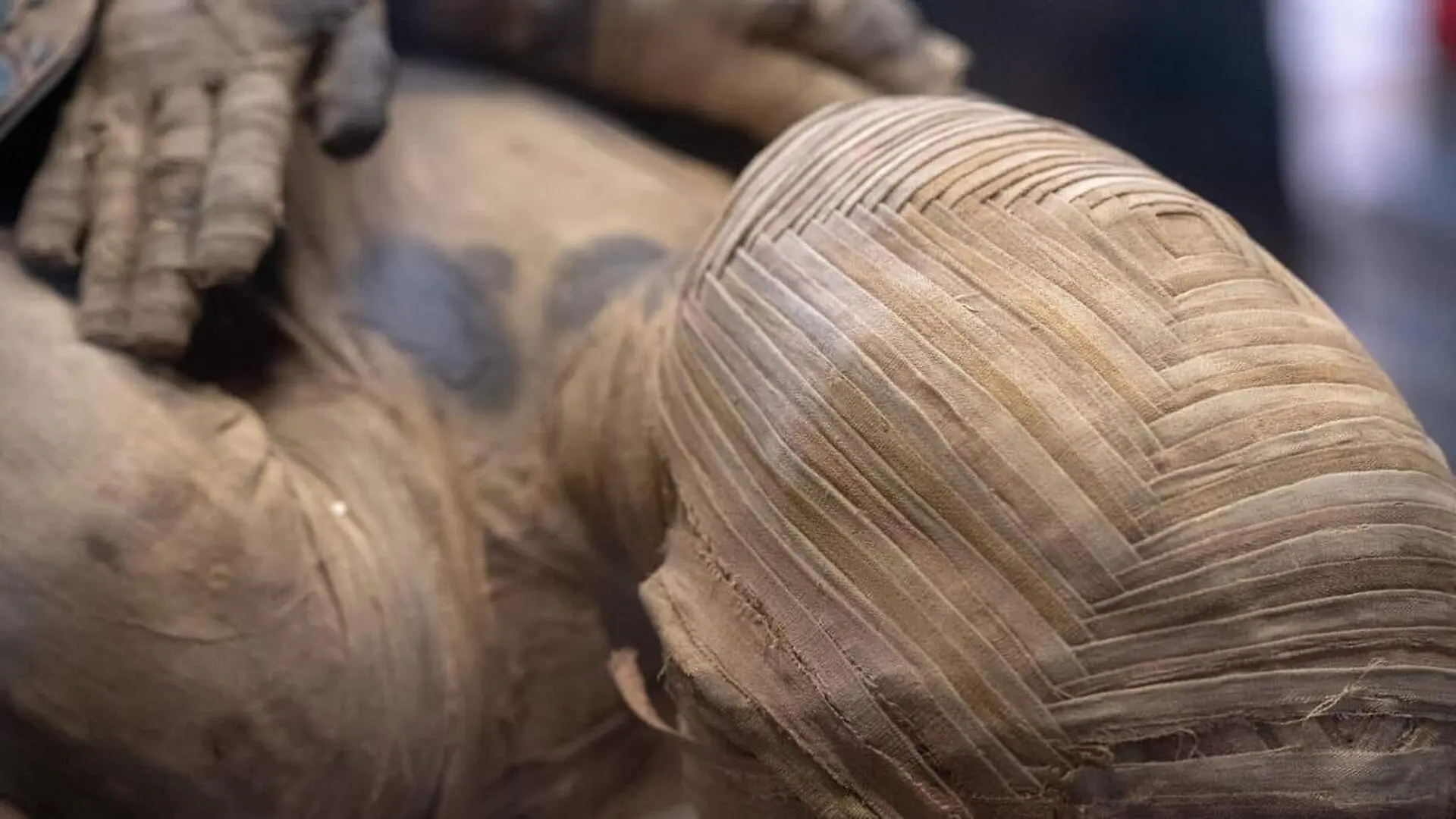
Rarely do archaeological finds spark diplomatic battles, yet claims of royal ancestry can transform relics into coveted national symbols. When a purported mummy of a Xerxes daughter appeared on the illicit market, it promised to overturn current understanding of Persian funerary customs, prompting Iran, Pakistan and Afghanistan to rush for control before any scientific verification could occur.
That scramble proved premature. Initiated in October 2000 as a standard antiquities‑trafficking investigation in Pakistan’s remote mountains, the case unraveled into a tale of counterfeit inscriptions, a fabricated royal pedigree, and ultimately a body that forensic experts dated to a 1996 death from a neck fracture—not an ancient princess.
From Smuggling Interception to Museum Showcase
The mummy first entered the spotlight when local resident Ali Akbar tried to discreetly sell it to dealers. Police stopped the transaction, traced the artifact to tribal chief Wali Mohammad Reeki’s rural home, and learned that an earthquake had allegedly revealed the find, which an Iranian named Sharif Shah Bakhi claimed to have discovered. Both men were detained on antiquities‑trafficking charges and the remains were transferred to Karachi’s National Museum.
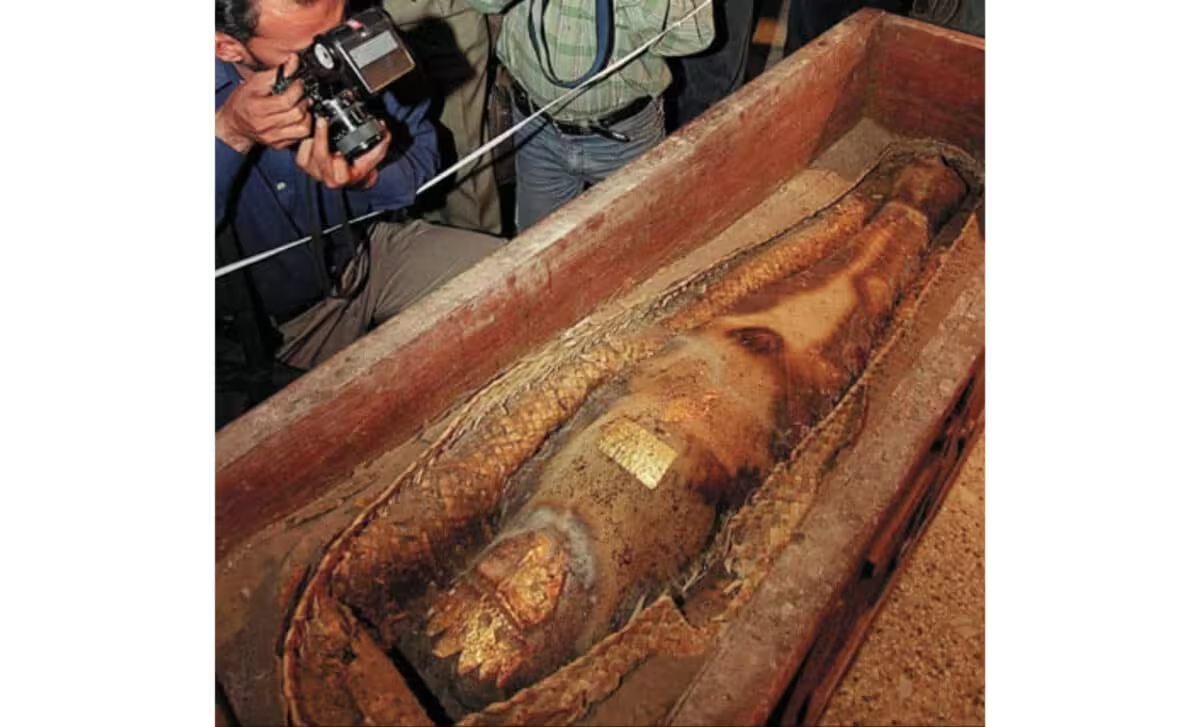
Curator Asma Ibrahim described the specimen as strikingly beautiful during a 2001 BBC Horizon segment. Archaeologist Ahmed Hasan Dani of Quaid‑e‑Azam University went further, asserting that the Egyptian‑style wrappings and wooden coffin with carved motifs indicated a Persian princess dating to around 600 BCE.
Problematic Inscriptions and a Questionable Lineage
Engraved on the coffin, a stone sarcophagus and a gold breastplate, cuneiform text purportedly named the deceased as Rhodugune, a daughter of King Xerxes. The claim was extraordinary because no authentic Persian mummy had ever been documented, and the novelty encouraged swift acceptance rather than caution.
Dani himself highlighted contradictions, noting that traditional Iranian culture did not practice mummification and that Egyptians did not employ cuneiform, making the combination inexplicable. The inconsistencies deepened when Oscar White Muscarella of the Metropolitan Museum of Art recognized the mummy from earlier photographs and dismissed it as a known counterfeit; linguistic analysis later corroborated his assessment.
The name Rhodugune turned out to be a Greek transliteration of the Persian Wardegauna, a mistake that authentic ancient inscriptions would never contain. University of London scholar Nicholas Sims‑Williams told the BBC that a Persian monarch would never have recorded his daughter’s name in Greek, labeling the error a fatal flaw in the artifact’s purported origins.
Forensic Findings Expose the Hoax
When investigators examined the coffin, they discovered pencil markings on the wood—evidence that someone had hand‑drawn the ancient‑looking symbols using a tool invented within the past two centuries.
The mat beneath the corpse was identified as a modern manufacture from the last fifty years, and the coffin’s decorative elements matched no known Egyptian burial objects. A CT scan performed before the wrappings were removed revealed that all internal organs, including the heart, had been extracted, contradicting established Egyptian mummification practices that typically left the heart in place for after‑life rituals.
Mummy specialist Bob Brier explained that ancient Egyptians believed the heart was essential for thought and speech in the afterlife, and therefore never removed it. Subsequent autopsy at a hospital showed incision patterns inconsistent with classical Egyptian techniques.
Legal documents from the United Nations Office on Drugs and Crime confirm that the remains belonged to a woman in her early fifties who died in 1996, with a broken neck from blunt force trauma identified as the probable cause of death. Within months, the case shifted from a celebrated royal discovery to a verified fraud and, ultimately, to an unsolved homicide, leaving the true identity of the woman behind the fabricated princess unknown.
This article has been fact checked for accuracy, with information verified against reputable sources. Learn more about us and our editorial process.
Last reviewed on .
Article history
- Latest version
Reference(s)
- “BBC - Science & Nature - Horizon - The Mystery of the Persian Mummy - Transcript.” <https://www.bbc.co.uk/science/horizon/2001/persianmummytrans.shtml>.
Cite this page:
- Posted by Vikram Desai