Over 100 Prehistoric Structures Found Inside Spanish Cave Showing Ancient Human Engineering
Archaeologists at a Spanish cave reveal fresh prehistoric human activity evidence hidden beneath the surface, shedding new light on ancient lives.
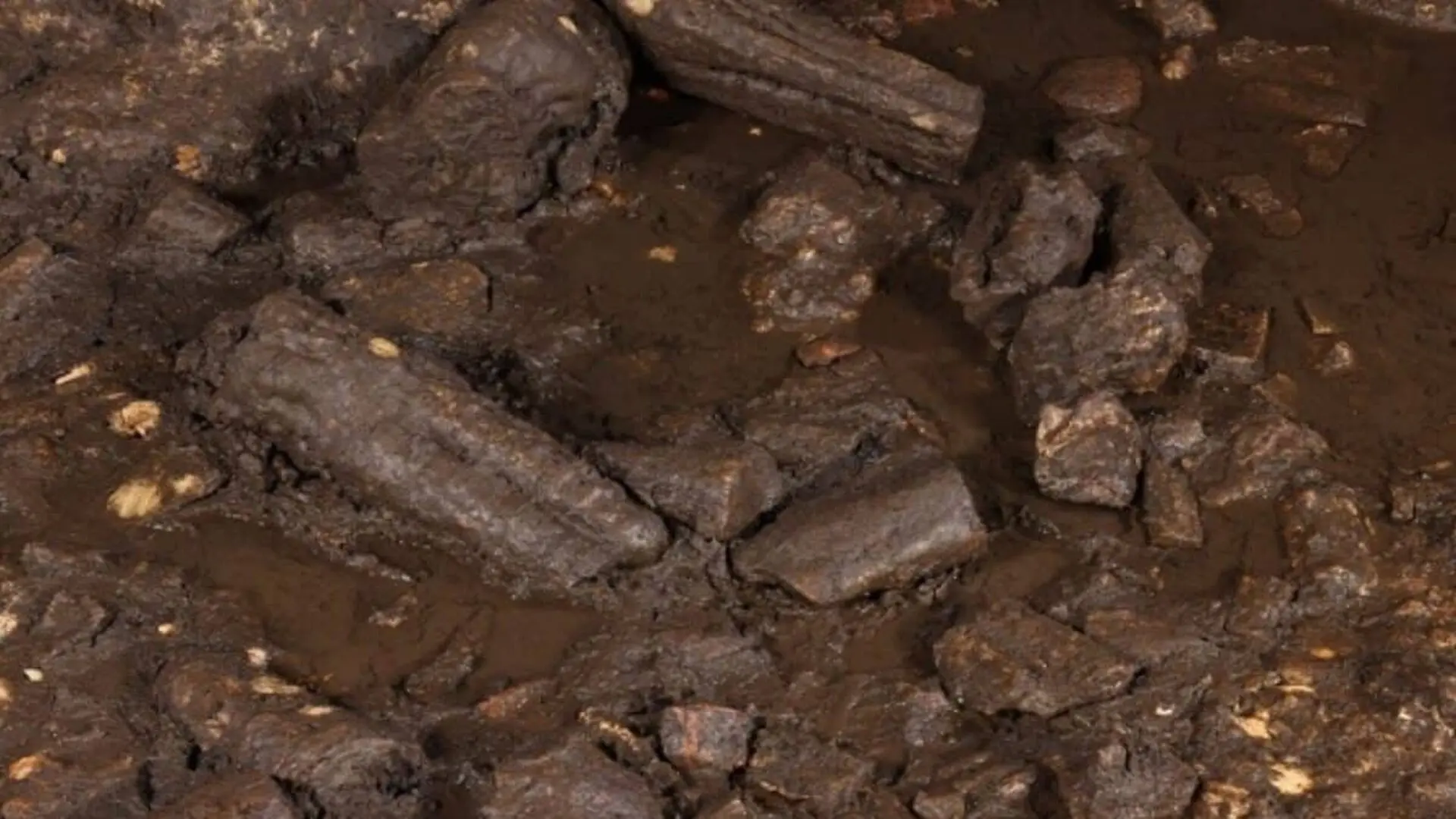
A team of archaeologists has documented more than 100 prehistoric alterations within Spain’s Cova Dones, a limestone cavern where ancient people deliberately reshaped stalagmites. The find demonstrates that early societies were actively engineering subterranean environments thousands of years ago.
Situated close to Millares in the eastern part of the country, Cova Dones is rapidly emerging as one of the most significant cave sites of its kind. Researchers from the University of Alicante and the University of Zaragoza identified a series of speleofacts—features produced when prehistoric groups fractured, moved, and re‑arranged natural stalagmites.
According to the investigators, the site now ranks as the world’s second‑most important location for evidence of intentional underground modification, surpassed only by France’s Saint‑Marcel cave. The patterns suggest purposeful redesign rather than casual exploration.
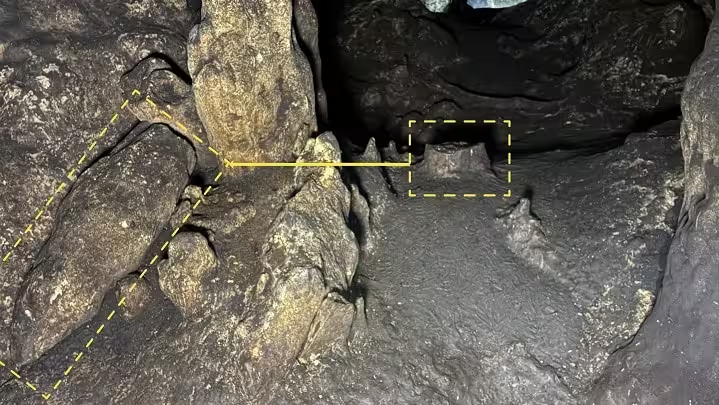
The motives behind these alterations remain open to interpretation. Some modifications may have served to delineate functional zones, while others could reflect symbolic or ritual behavior. Ongoing investigations aim to clarify the intent behind each intervention.
Prehistoric Hand‑Crafted Cave Architecture
The newly recorded formations result from direct manipulation of the cave’s limestone growths. Archaeologists documented evidence that ancient groups fractured, displaced, and re‑assembled sections of stalagmites to create novel shapes and spatial arrangements.
In a release issued by the University of Alicante, researchers described the discovery as “convincing evidence of the planned occupation of the underground environment by prehistoric societies.” The structures indicate intentional design rather than accidental breakage.
Certain configurations appear to demarcate specific zones, yet researchers have not yet determined whether these zones relate to daily tasks, strategic planning, or ceremonial activities. Further fieldwork will seek to map the spatial logic of the speleofacts.
Calcite Overgrowths Reveal Modification Timelines
To constrain the age of the alterations, scientists examined calcium carbonate deposits that formed over the broken portions of the stalagmites. These overgrowths post‑date the interventions, offering clues about when the modifications occurred.
“The presence of calcite overgrowths on certain fractures allows us to attribute these interventions, at least partially, to prehistoric periods—a hypothesis that will be confirmed by a multidisciplinary study currently underway.”
Ongoing mineral‑dating work aims to refine the chronology of the speleofacts, linking them to other occupational layers already documented at Cova Dones, which spans multiple prehistoric episodes.
Cova Dones in a Broader Archaeological Context
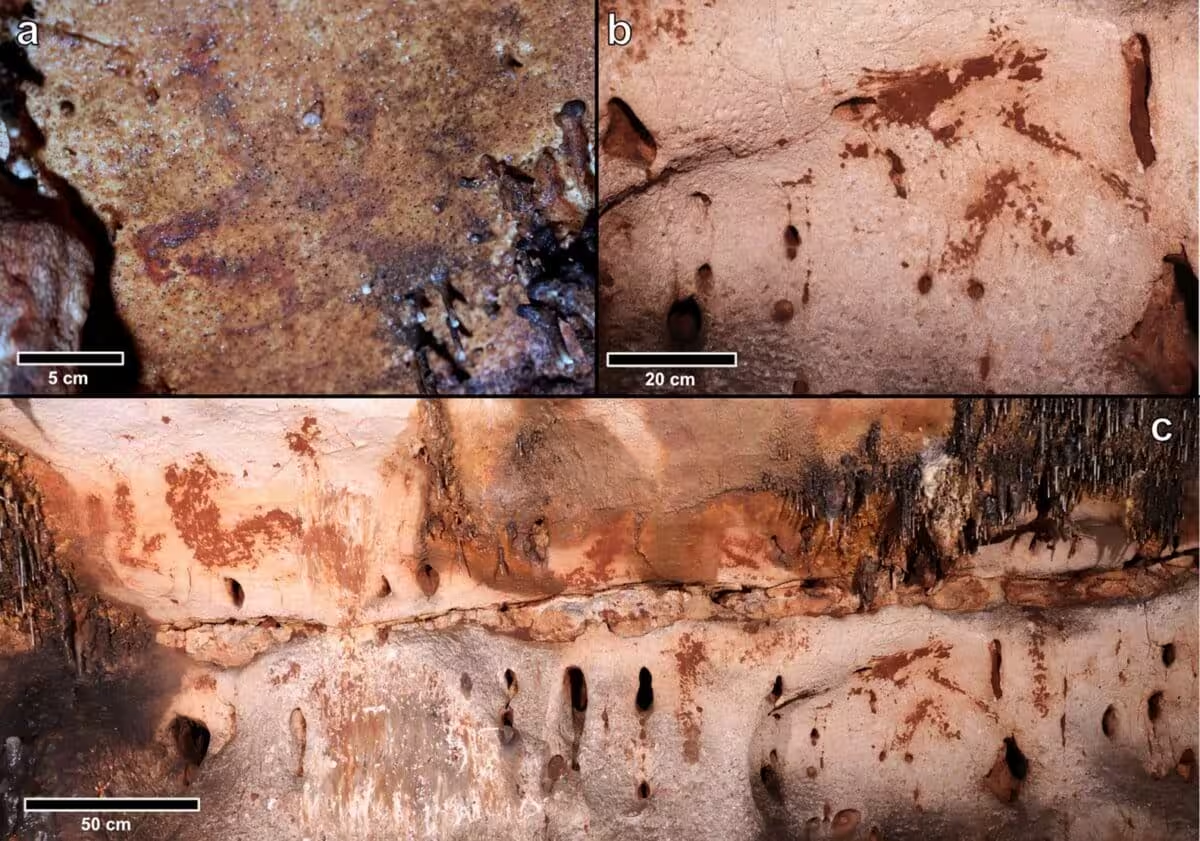
The speleofact inventory adds depth to a cave already celebrated for its Paleolithic artistry. A 2023 study published in Antiquity reported the largest collection of Paleolithic rock art on the eastern Mediterranean coast of the Iberian Peninsula.
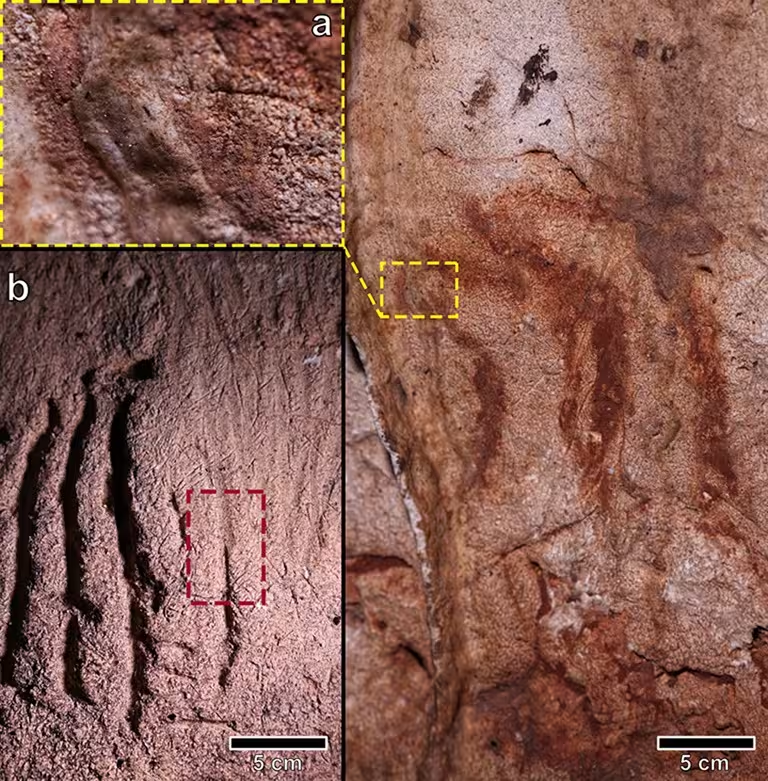
Researchers identified over 100 paintings and engravings dating to roughly 24,000 years ago, distributed across three cave sectors, some as far as 1,300 feet from the entrance. The repertoire includes at least 19 animal motifs—horses, deer, aurochs and a stag—whose ages were cross‑checked against cave bear claw marks that vanished around the same period.
Beyond its Upper Paleolithic legacy, the cavern also preserves a later Roman phase. Excavations uncovered a sanctuary located about 650 feet from the mouth, featuring inscriptions and a coin bearing the image of Emperor Claudius, dating to roughly 1,900 years ago. The layered history of Cova Dones underscores its role as a long‑term focal point for human activity beneath the surface.
This article has been fact checked for accuracy, with information verified against reputable sources. Learn more about us and our editorial process.
Last reviewed on .
Article history
- Latest version
Reference(s)
- “Actualidad Universitaria.” Actualidad Universitaria <https://web.ua.es/es/actualidad-universitaria/2025/junio2025/2-8/identifican-mas-de-un-centenar-de-estructuras-prehistoricas-y-modificaciones-del-karst-en-la-cova-dones-de-valencia.html>.
- Ruiz-Redondo, Aitor. “Cova Dones: a major Palaeolithic cave art site in eastern Iberia | Antiquity | Cambridge Core.”, vol. 97, no. 396, pp. e32 Cambridge Core, doi: 10.15184/aqy.2023.133. <https://www.cambridge.org/core/journals/antiquity/article/cova-dones-a-major-palaeolithic-cave-art-site-in-eastern-iberia/209249A848B919CE653531CB85856DEC>.
Cite this page:
- Posted by Hassan Raza