Kidney Immune Cells Regrow After Injury Through Molecular Dialogue, Study Finds
Exploring how kidneys naturally restore their immune system after injury, a key step toward therapies that boost recovery.
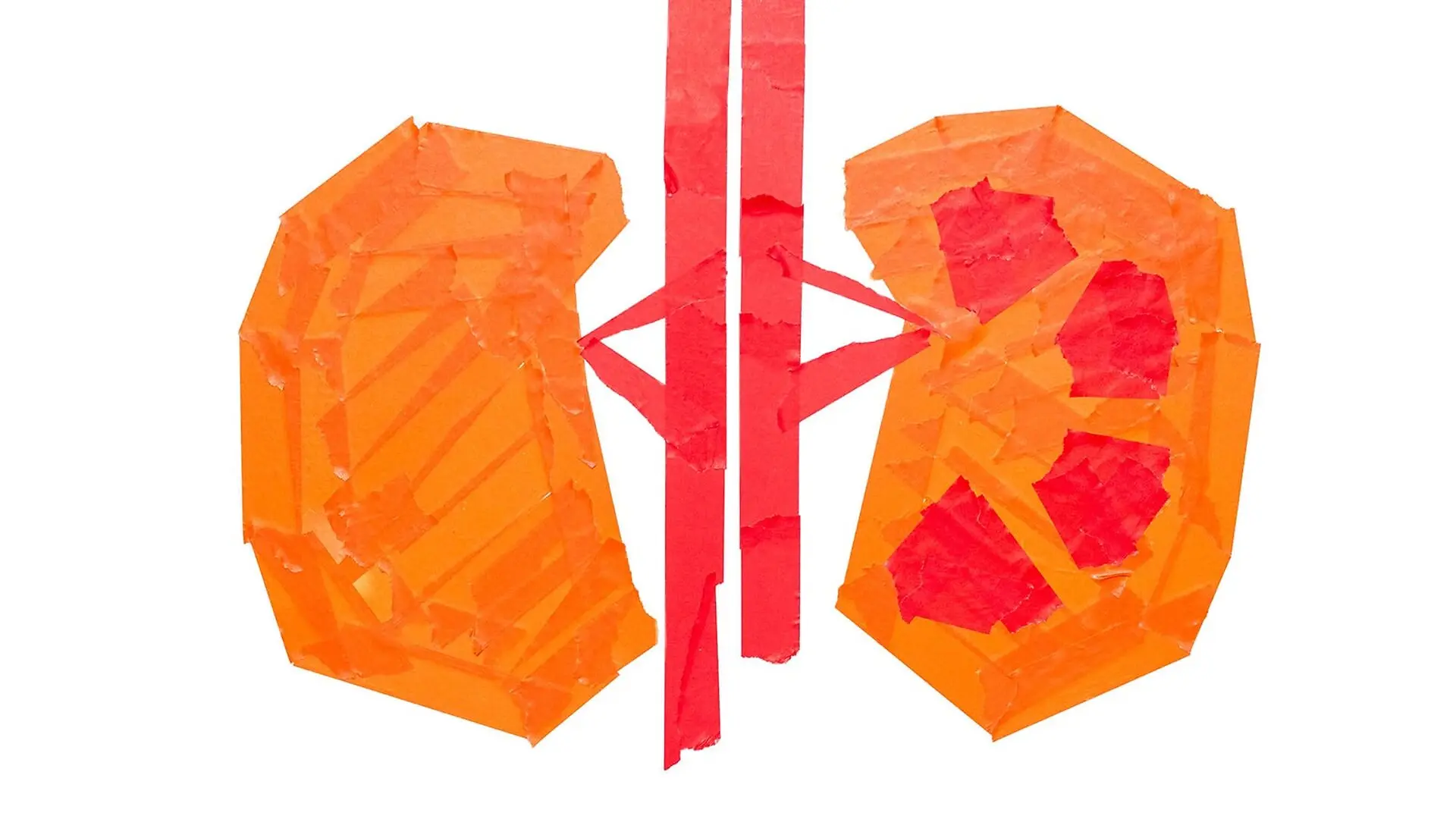
Researchers have mapped the step‑by‑step process by which the kidney restores its own immune defenses after damage, shedding light on a natural repair pathway that could inform future treatments for kidney disease.
Beyond filtering roughly 50 gallons of blood daily, the kidneys regulate blood pressure, maintain fluid balance, and perform other essential tasks. Central to these functions are resident immune cells that act as first responders, clearing debris, sensing infection, and orchestrating tissue repair.
Acute kidney injury—triggered by severe infection, surgery, trauma, dehydration, or reduced blood flow—affects about 20 % of hospitalized adults. Even when patients survive the initial episode, incomplete healing often paves the way for chronic kidney disease.
In a new investigation, scientists at Tulane University have detailed how these immune cells repopulate the organ after being depleted, offering a clearer picture of the kidney’s intrinsic healing mechanisms.
The study zeroed in on kidney‑resident macrophages, a specialized cadre of immune cells that patrol the organ, remove dead tissue, and coordinate the response to injury.
Until now, the dynamics of how this macrophage network rebuilds after loss remained poorly understood.
Using a bespoke mouse model combined with single‑cell RNA sequencing, Qin’s team followed individual immune cells as they returned to the kidney over time. Rather than a simple replacement, the data revealed a sophisticated molecular dialogue between kidney cells and incoming macrophages that steers the regeneration process.
Key findings showed that kidney epithelial cells—protective linings of the organ—rapidly emit signaling molecules that attract new macrophages. As these macrophages settle in, they transition from an early inflammatory profile to a reparative phenotype, while epithelial cells concurrently shift toward a tissue‑supporting state. Continuous exchange of signals between the two cell types sustains a balanced immune environment.
“Grasping the way the kidney naturally reassembles its immune system after injury is crucial for designing therapies that enhance recovery,” Qin explained.
By pinpointing the molecular cues that synchronize kidney repair, the research opens avenues for interventions aimed at accelerating healing and curbing long‑term damage.
This investigation builds on prior work from Qin’s laboratory that charted the origins and diversity of kidney‑resident macrophages, progressively refining the portrait of how these cells safeguard renal health before, during, and after injury.
The project received funding from the National Institutes of Health.
This article has been fact checked for accuracy, with information verified against reputable sources. Learn more about us and our editorial process.
Last reviewed on .
Article history
- Latest version
Cite this page:
- Posted by Hassan Raza