Earth’s Rarest Metal Was Thought to Be Useless to Ancient Life, Until Researchers Discovered Something in 3-Billion-Year-Old Fossils
A scarce metal, virtually absent in Earth’s primordial seas, ultimately emerged as a crucial factor in the endurance of early life forms.
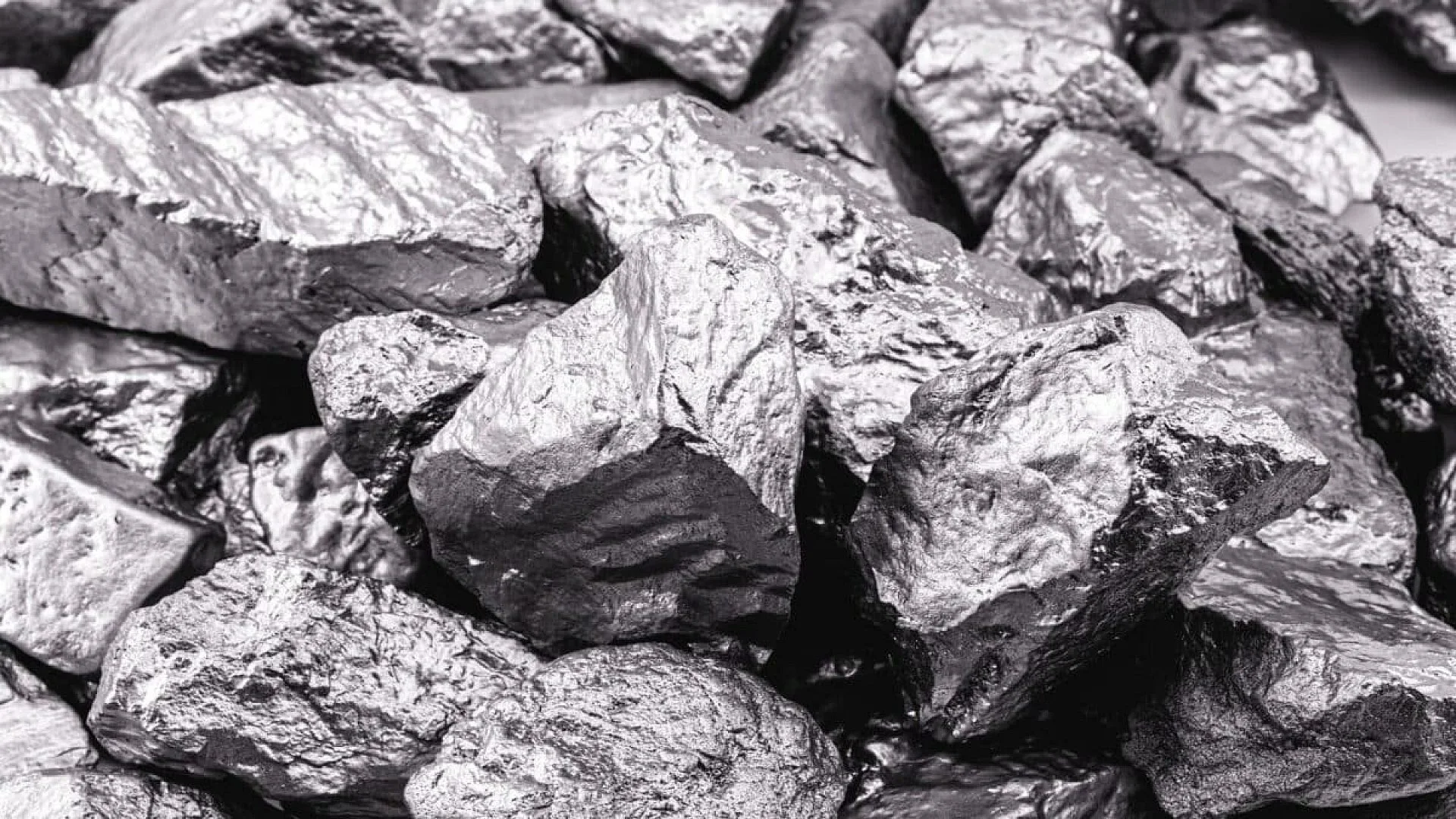
Unveiling the Ancient Metal that Sparked Life on Earth
Approximately three billion years ago, Earth’s oceans were an unforgiving environment, devoid of metals. Yet, in a remarkable display of resilience, microscopic life found a way to thrive, leveraging the rare metal molybdenum to drive its existence. This groundbreaking discovery, published in Nature Communications, sheds light on the biochemical strategies that may have powered the planet’s earliest organisms.
The study’s findings have profound implications for the search for extraterrestrial life. By demonstrating how early life adapted to scarce resources and made strategic choices about which metals to exploit, the research redefines the approach to astrobiology. A checklist of “Earth-like conditions” may be overly restrictive, potentially missing far more than it finds.
The Catalytic Center of Life
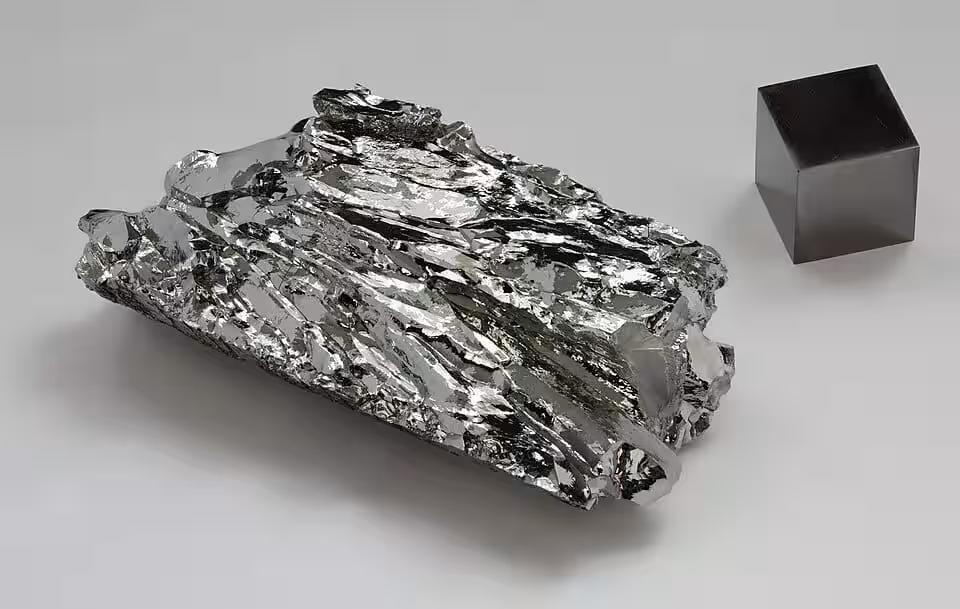
Molybdenum’s importance today cannot be overstated. This metal sits at the heart of enzymes that drive major biochemical reactions, particularly those involving carbon, nitrogen, and sulfur cycles. According to Betül Kaçar, head of the Kaçar Lab at the University of Wisconsin-Madison and senior author on the study:
“Molybdenum’s catalytic properties made it worth the effort to acquire, even when it was scarce. Its unique ability to facilitate reactions across a broad range of substrates and redox conditions made it a valuable asset for early life.”
The study’s molecular dating pushes molybdenum’s use back to the Eoarchean to Mesoarchean era, around 3.7 to 3.1 billion years ago, far earlier than previously thought. This finding suggests that molybdenum was integral to early life, not a later addition after the Great Oxidation Event.
The Underground Metal Markets
But how did microbes find and use molybdenum when it was so scarce? The answer lies in some of Earth’s most extreme environments. Hydrothermal vents at the seafloor provided trace metals, including iron, zinc, copper, nickel, manganese, vanadium, molybdenum, cobalt, and tungsten. These deep-ocean chimneys, which continue to operate today, may have served as crucial supply depots for ancient microbial life.
Previous research from the MUSE ICAR (a NASA Interdisciplinary Consortia for Astrobiology Research at UW-Madison) identified certain niches where early life may have found supplies of molybdenum and other scarce metals. These localized systems created pockets of chemical abundance in an otherwise metal-poor world.
Rethinking the Search for Alien Life
The study’s findings have far-reaching implications for the search for extraterrestrial life. By demonstrating how early life adapted to scarce resources and made strategic choices about which metals to exploit, the research redefines the approach to astrobiology. A checklist of “Earth-like conditions” may be overly restrictive, potentially missing far more than it finds.
As Kaçar notes:
“Life detection should be metal-aware, redox-aware, and evolution-aware. We should look not just for ‘Earth-like life now,’ but for biochemical strategies that would make sense on a planet with a different history of oxygenation and metal availability.”
The insight cuts both ways. On a planet with different oxygenation history or a different suite of available metals, life might make entirely different biochemical choices than it did here on Earth. This reorientation of the search extends to methodology as well. Rather than assuming life must follow Earth’s playbook, astrobiologists must adopt a more flexible framework.
This article has been fact checked for accuracy, with information verified against reputable sources. Learn more about us and our editorial process.
Last reviewed on .
Article history
- Latest version
Reference(s)
- “Kacar, Betul.”, April 28, 2022 Biophysics <https://biophysics.wisc.edu/staff/kacar-betul/>.
Cite this page:
- Posted by Hassan Raza