Archaeologists In Spain Unearthed One Of The Rarest And Most Complete Dinosaur Skulls Ever Found In Europe, Dating Back 150 Million Years
An exceptionally well-preserved skull has recently been discovered, offering remarkable insights into the evolutionary history of these legendary beings.
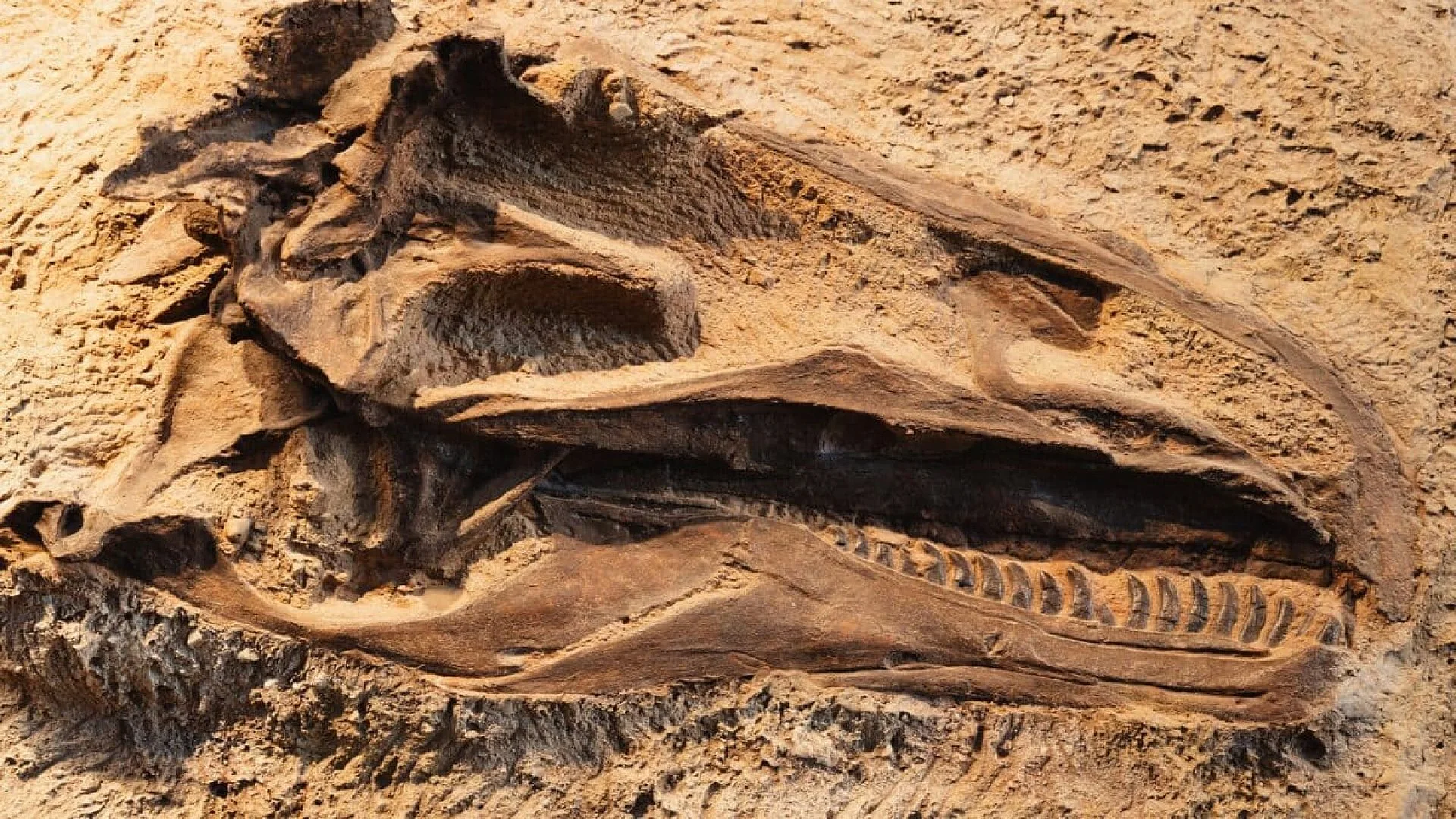
The groundbreaking discovery of a near-perfect stegosaur skull in Spain has sent shockwaves through the paleontological community, offering a rare glimpse into the anatomy and evolutionary history of one of the most iconic dinosaurs that once roamed Earth.
The remarkable fossil, dating back to the Late Jurassic period, is believed to belong to Dacentrurus armatus, a species first described in 1875. Uncovered in the Villar del Arzobispo Formation in Teruel, Spain, at the “Están de Colón” site, this extraordinary find has provided paleontologists with an unprecedented opportunity to study the anatomy of this armored herbivore.
A Major Breakthrough in Stegosaur Research
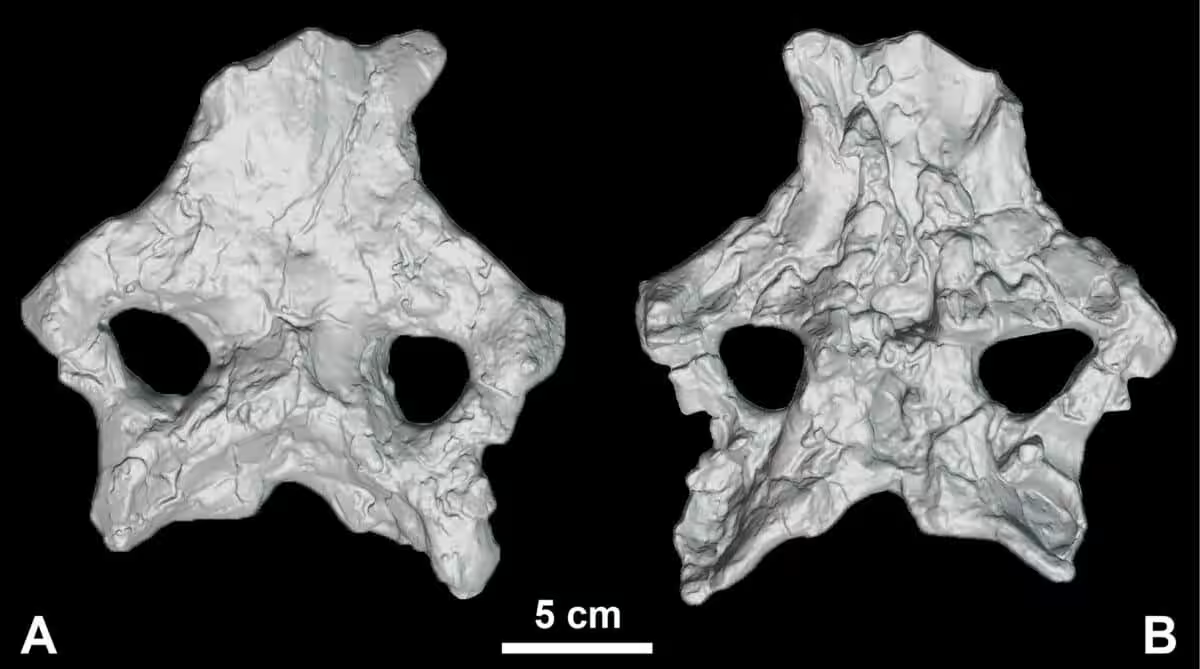
Stegosaur skulls are notoriously difficult to preserve due to their fragile bones, making this discovery a major breakthrough in the field. The skull, which has preserved important parts of the skull, including the frontal, postorbital, squamosal, parietal, and supraoccipital bones, along with a neck vertebra, is the most complete stegosaur skull ever found in Europe.
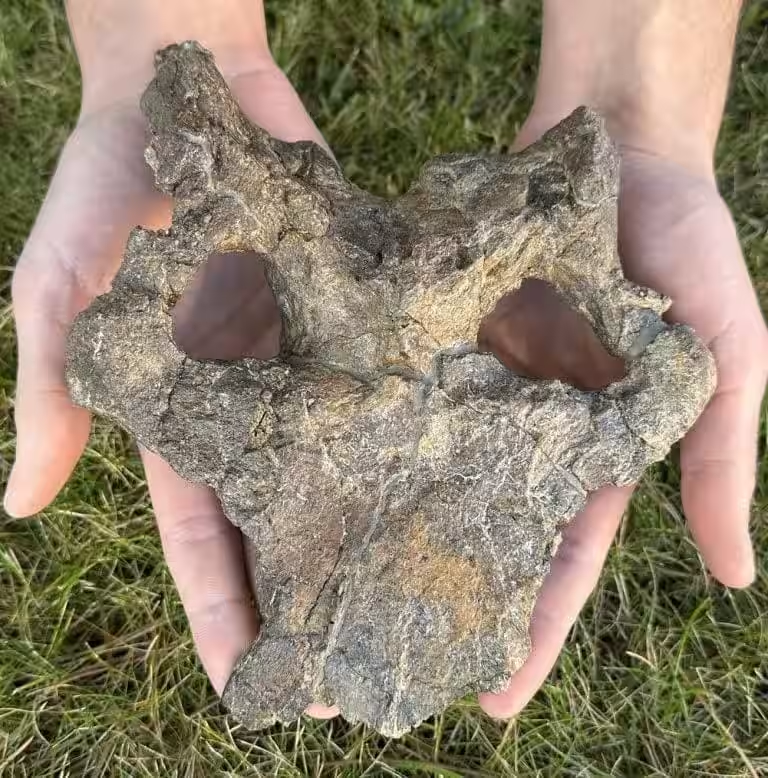
This remarkable discovery has opened up new avenues for research, allowing scientists to study the stegosaur skull in unprecedented detail. By examining this fossil, described in a study published in Vertebrate Zoology, researchers will be able to gain a deeper understanding of the stegosaur’s anatomy, feeding habits, and how it interacted with its environment.
“Dinosaurian skulls are rarely preserved due to the extreme fragility of their bones. This discovery is key to understanding how stegosaurian skulls evolved,” says Sergio Sánchez Fenollosa, a researcher involved in the study.
New Insights into Stegosaur Evolution
The discovery of the Dacentrurus armatus skull has also led to a reevaluation of stegosaur evolution. The team behind the study compared 115 anatomical traits across 30 fossil groups, leading to the identification of a new branch. According to the researchers:
“Alongside the anatomical study, we have also proposed a new hypothesis that redefines the evolutionary relationships of stegosaurs worldwide. As a result of this work, we have formalized the definition of a new group called Neostegosauria,” says the research team.
This new classification challenges some earlier assumptions about the evolution and spread of these dinosaurs, and has significant implications for our understanding of the diversity of stegosaurs.
The study also sheds new light on other stegosaur species, including Isaberrysaura mollensis from Argentina, which is now confirmed to be a stegosaur, and species like Alcovasaurus longispinus and Kentrosaurus aethiopicus, which are more closely related to Dacentrurus armatus than previously thought.
A Treasure Trove for Paleontologists
The “Están de Colón” site, where the skull was found, has turned out to be a treasure trove for paleontologists. Since the discovery, the site has yielded nearly 200 fossils, including remains of at least two stegosaurs at different stages of growth. Besides stegosaurs, fossils of theropods, sauropods, ornithopods, and even fish have been found.
Alberto Cobos, managing director of Fundación Dinópolis, says the Riodeva site is a key spot for understanding dinosaur evolution. The discovery of juvenile Dacentrurus fossils at the site, along with adult ones, is particularly rare and gives scientists a unique look at how these dinosaurs grew up.
“This fossil site from Riodeva continues to be a subject of research and still holds numerous relevant fossils, including more postcranial elements from the same adult specimen and, notably, juvenile individuals, a particularly rare combination in this type of dinosaurs. These discoveries continue to exponentially increase the paleontological heritage of the province of Teruel, making it one of the iconic regions for understanding the evolution of life on Earth,” he explained.
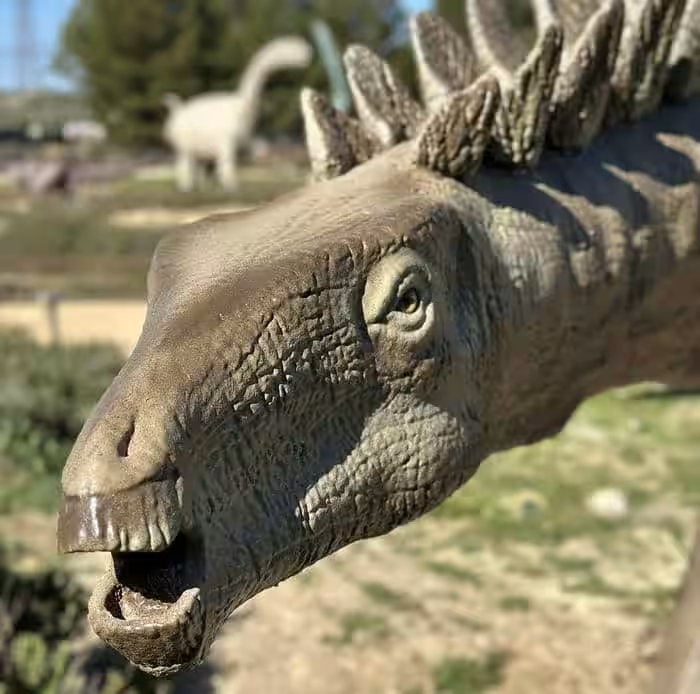
With ongoing research, more bones from the same adult Dacentrurus specimen are being examined, and there’s anticipation that even more groundbreaking finds will be made at this location.
This article has been fact checked for accuracy, with information verified against reputable sources. Learn more about us and our editorial process.
Last reviewed on .
Article history
- Latest version
Reference(s)
- Sánchez-Fenollosa, Sergio. “New insights into the phylogeny and skull evolution of stegosaurian dinosaurs: An extraordinary cranium from the European Late Jurassic (Dinosauria: Stegosauria).”, vol. 75, May 26, 2025, pp. 165-189. Senckenberg Gesellschaft für Naturforschung, doi: PropertyValue. <https://vertebrate-zoology.arphahub.com/article/146618/>.
- <https://www.researchgate.net/profile/Sergio-Sanchez-Fenollosa>.
- “Alberto Cobos se incorpora como director de Fundación Dinópolis.”, November 18, 2015 Parque temático de Dinosaurios | Web Oficial Dinópolis <https://www.dinopolis.com/el-paleontologo-alberto-cobos-toma-posesion-de-su-cargo-como-director-de-la-fundacion-dinopolis>.
Cite this page:
- Posted by Hassan Raza