Tiny Black Holes Feeding Frenzy Mimic Giant Masses in Early Universe
JWST reveals ancient black holes, and a new study proposes the missing piece that could explain their mysterious origins.
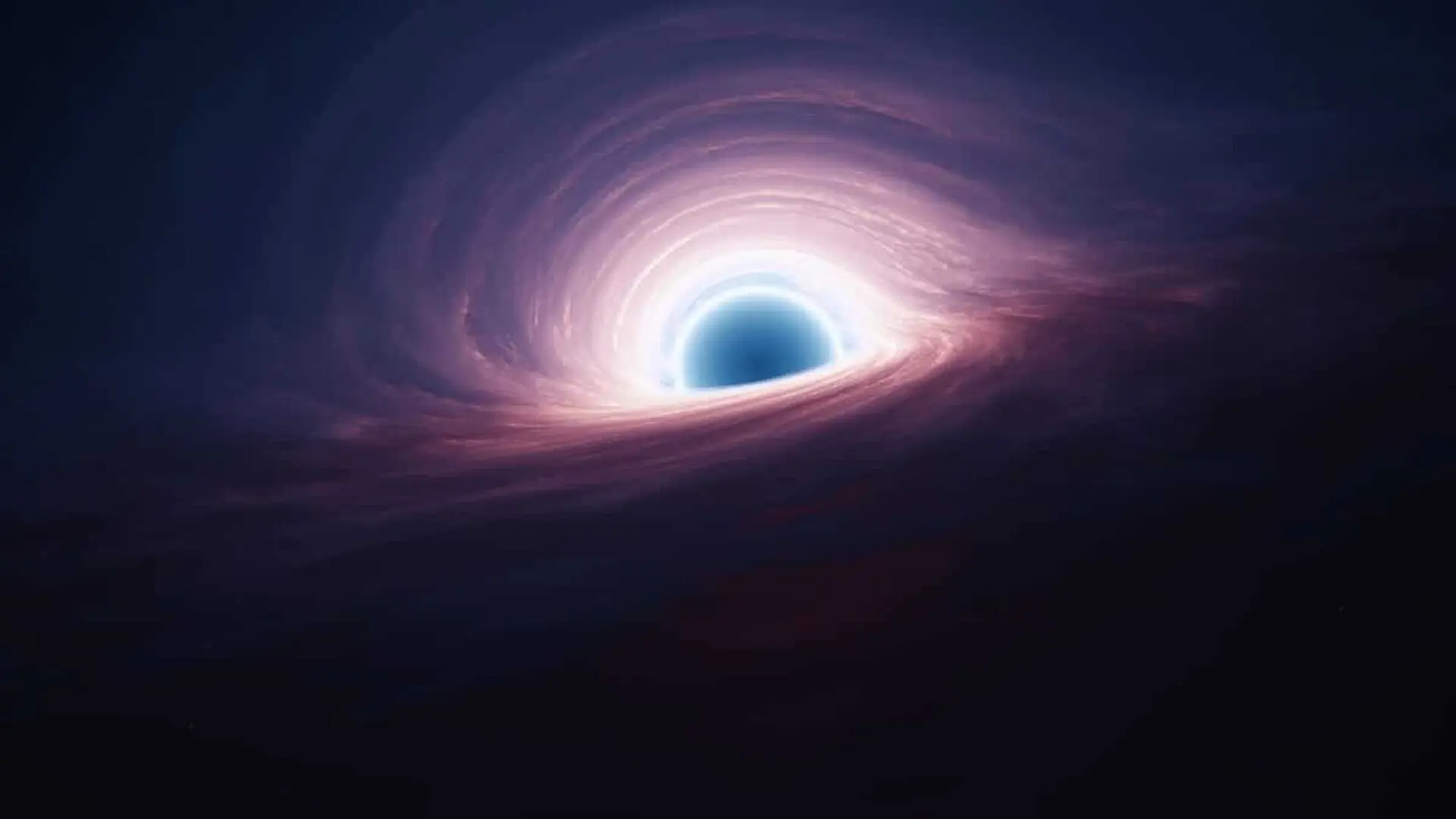
Early observations with the James Webb Space Telescope have revealed a handful of extraordinarily massive black holes that seem to exist when the universe was less than a billion years old. New research suggests that some of these objects may have been misread, with rapidly feeding smaller black holes mimicking the signatures of far larger ones.
Astronomers identify distant black holes by the glow produced as surrounding gas spirals inward and heats up. Traditionally, the mass is inferred from the velocity of this gas: faster motion points to a stronger gravitational pull and, consequently, a heftier black hole. Yet the first JWST data produced several outliers whose inferred masses dwarf those of comparable galaxies nearby.
A further puzzle is the near‑absence of X‑ray emission from many of these early‑universe sources. Active black holes normally emit X‑rays from a hot plasma “corona” situated above the accretion disk. The missing X‑rays raised doubts about whether the mass estimates derived from optical and infrared signals were reliable.
New Accretion Model Challenges Conventional Mass Readings
Researchers led by Alessandro Trinca at the INAF Astronomical Observatory of Rome have introduced a framework that couples super‑Eddington accretion physics with detailed spectral simulations of the surrounding disk. Their findings, published in Astronomy & Astrophysics on 19 June, argue that extreme feeding rates can reshape the emitted spectrum and lead to overestimates of black‑hole mass.
Super‑Eddington accretion describes a scenario in which inflowing material surpasses the theoretical radiation pressure limit, allowing gas to plunge inward despite the intense outward push of emitted photons. Under such conditions, the geometry and energetics of the disk can change dramatically, altering observable signatures.
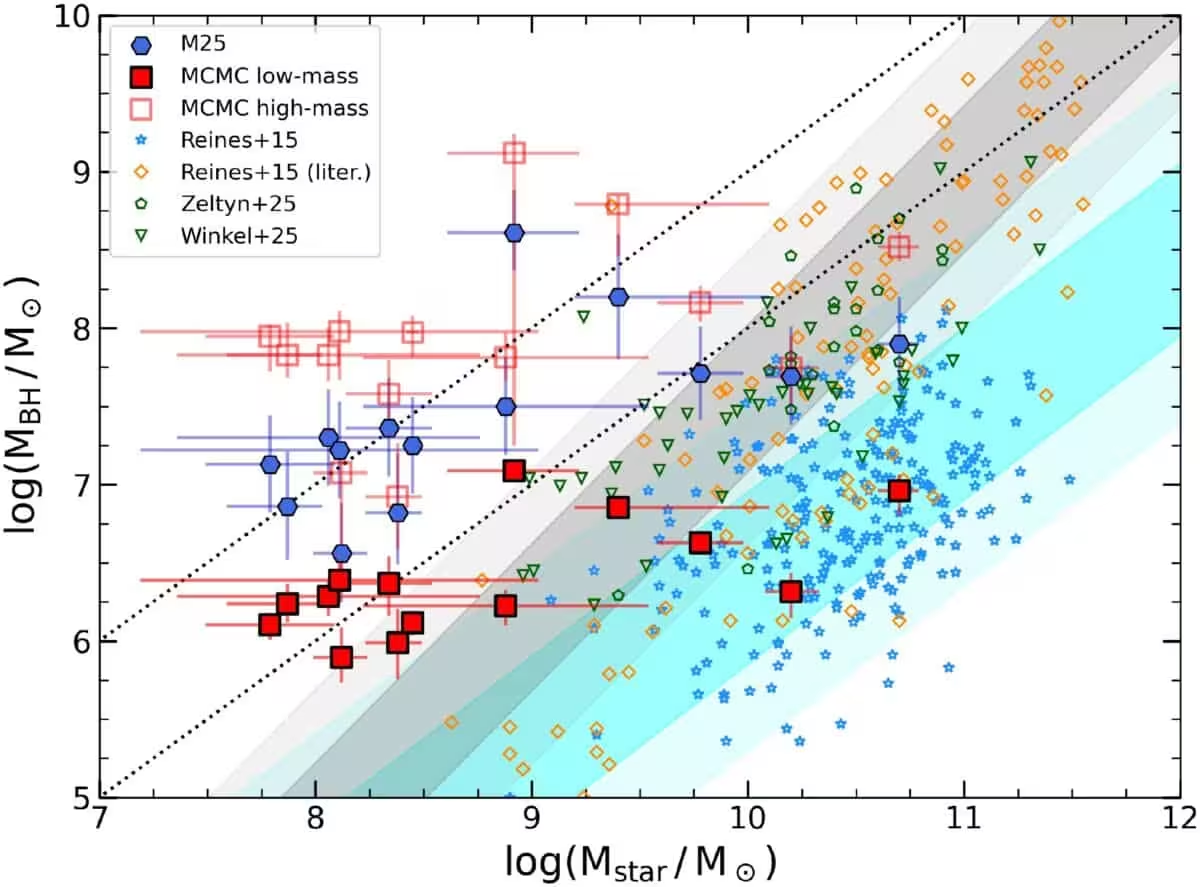
Applying this model to a set of 14 X‑ray‑quiet black holes previously examined with standard techniques, the team generated two alternative interpretations for each source.
Compact Black Holes May Masquerade as Giants
One possibility envisions genuinely massive, but largely dormant, black holes that retain substantial mass while accreting little material, resulting in weak radiation. The alternative, which the authors find statistically favored for nearly all 14 objects, involves comparatively low‑mass black holes undergoing brief, intense bouts of super‑Eddington growth. Such episodes can suppress the formation of the hot corona, naturally explaining the faint X‑ray output.
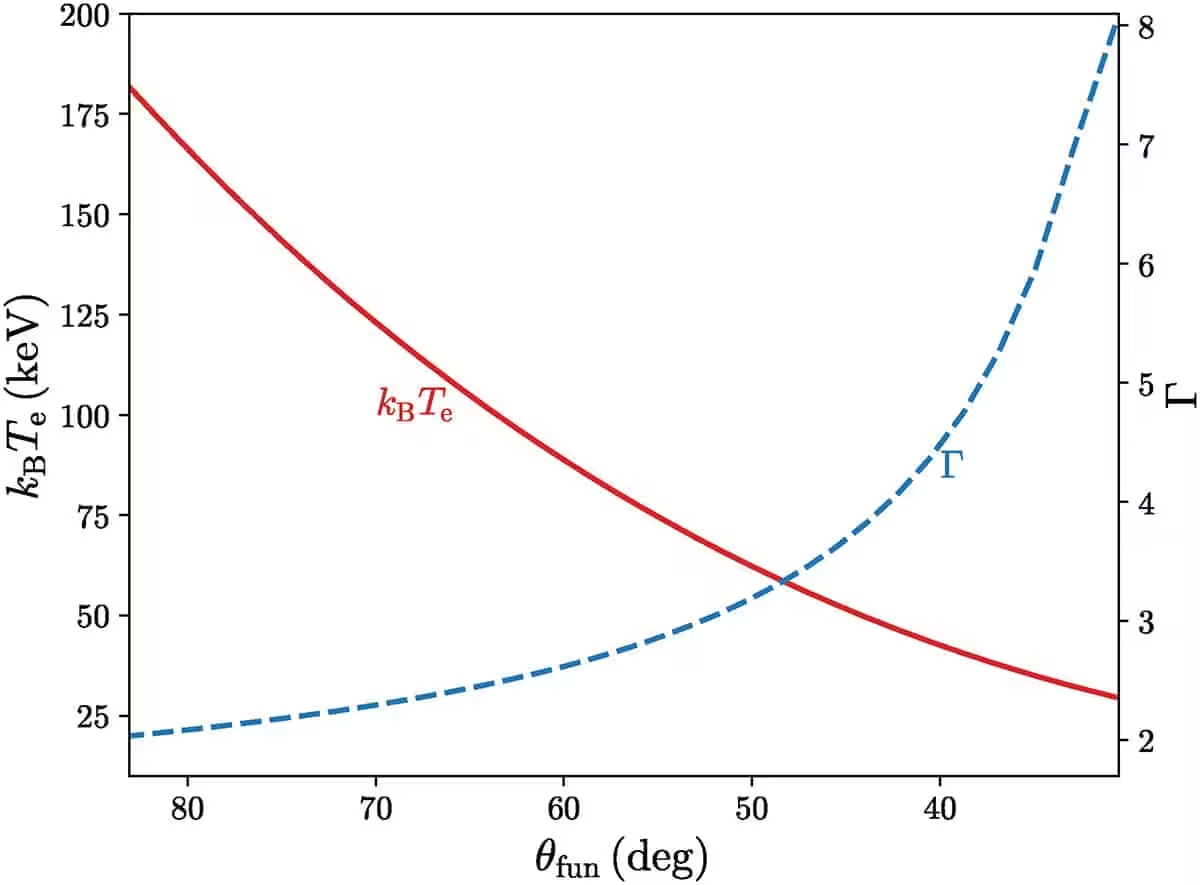
The researchers note that super‑Eddington accretion yields an intrinsically redder spectrum, matching the observed colors of the studied sources. If the black holes are indeed smaller but feeding at extraordinary rates, the requirement for extraordinarily rapid growth in the early universe is relaxed.
Open Questions and Future Tests
The authors acknowledge that their framework does not encompass every potential factor behind the missing X‑ray signatures. In particular, they point out that extremely dense gas columns could absorb X‑rays before they escape, a scenario not included in their calculations.
“It should also be emphasized that our results assume the absence of extremely high gas column densities capable of absorbing the X-ray emission from the AGN.”
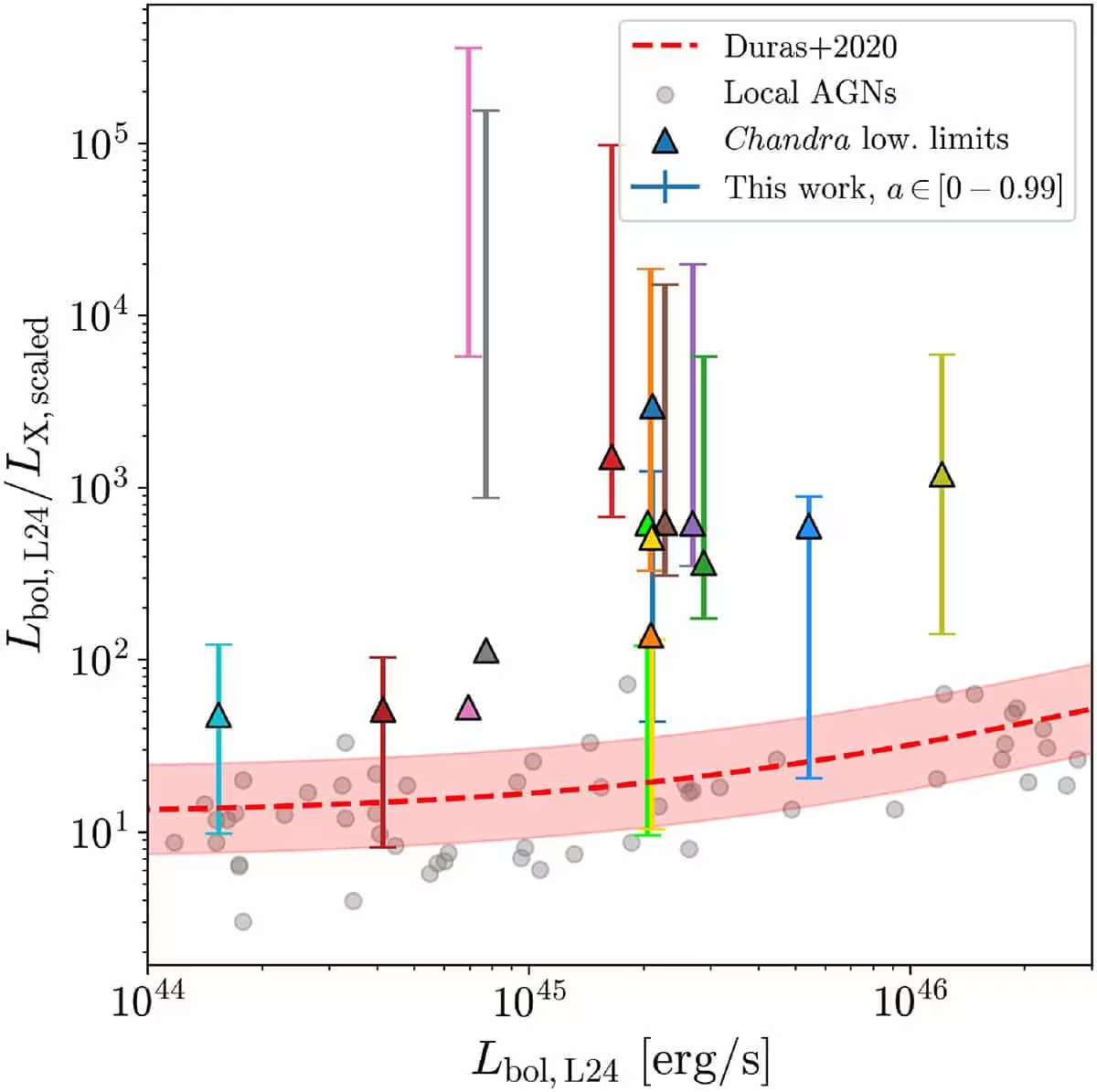
Upcoming multi‑wavelength campaigns that combine JWST data with deep X‑ray observations will be crucial for refining mass estimates and accretion rates. By dissecting the spectral energy distributions of these early black holes, astronomers hope to resolve whether super‑Eddington feeding truly accounts for their enigmatic appearances.
This article has been fact checked for accuracy, with information verified against reputable sources. Learn more about us and our editorial process.
Last reviewed on .
Article history
- Latest version
Reference(s)
- <https://www.researchgate.net/profile/Alessandro-Trinca-2>.
- Trinca, Alessandro. “You can’t see me: Super-Eddington growth hindering X-ray detection in high-z broad-line active galactic nuclei.”, vol. 710, June 1, 2026, pp. A289, doi: 10.1051/0004-6361/202659544. <https://www.aanda.org/articles/aa/full_html/2026/06/aa59544-26/aa59544-26.html>.
Cite this page:
- Posted by Farah Siddiqui