Two Ultra-Light Giant Planets Found Together Defy Planet Formation Models
Two ultra-light gas giants discovered together are shaking up core ideas on planet formation and survival.
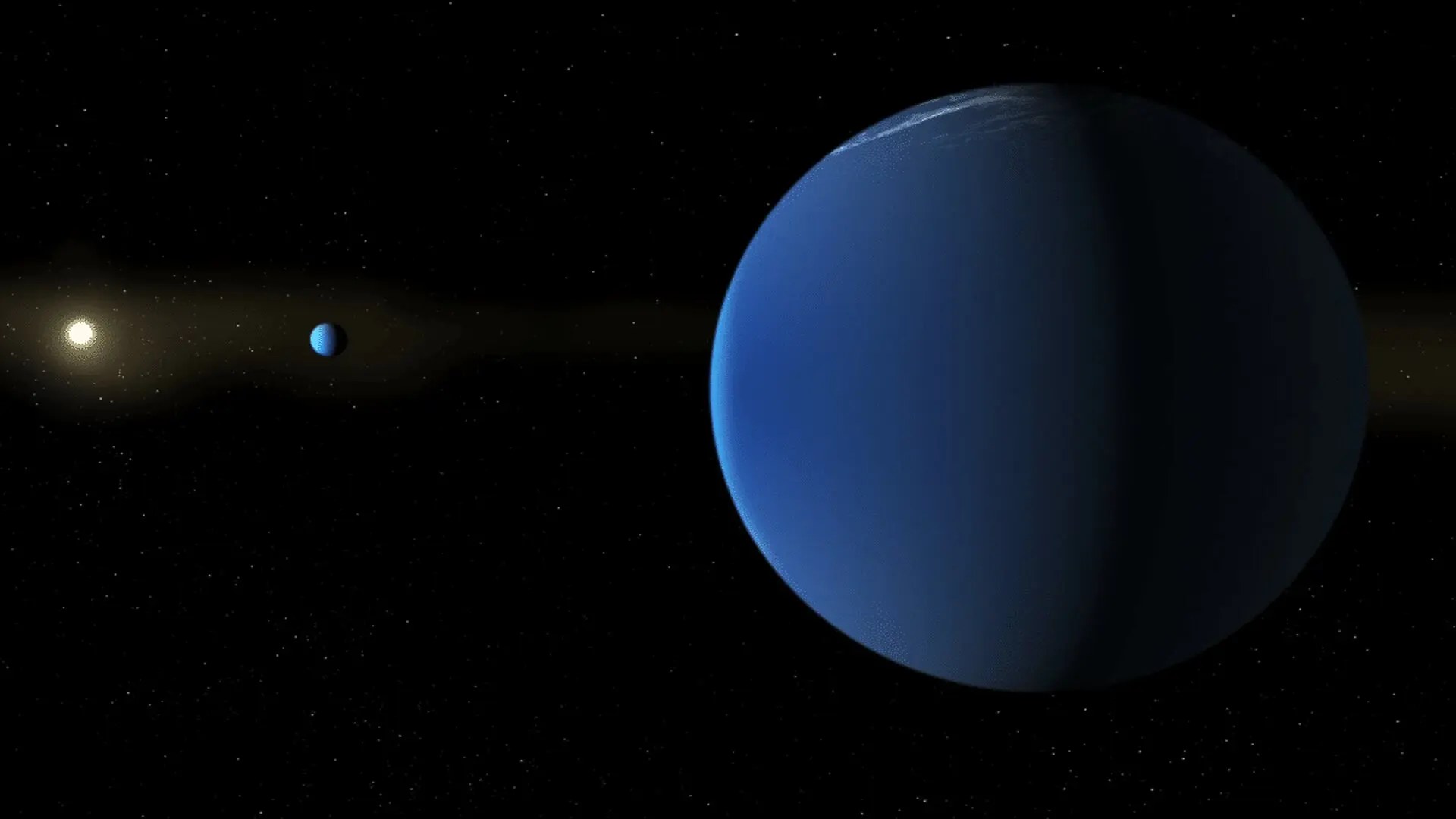
Astronomers have identified a pair of distant gas giants whose properties force a fresh look at what qualifies as a planet. New data show two “super‑puff” worlds that are enormous in size yet remarkably light, resembling diffuse clouds more than solid spheres. The findings, detailed in Monthly Notices of the Royal Astronomical Society, highlight an exceptionally rare class of exoplanets that could provide vital clues about planetary birth, development, and long‑term survival.
Two Ultra‑Low‑Density Giants Share a Single Star
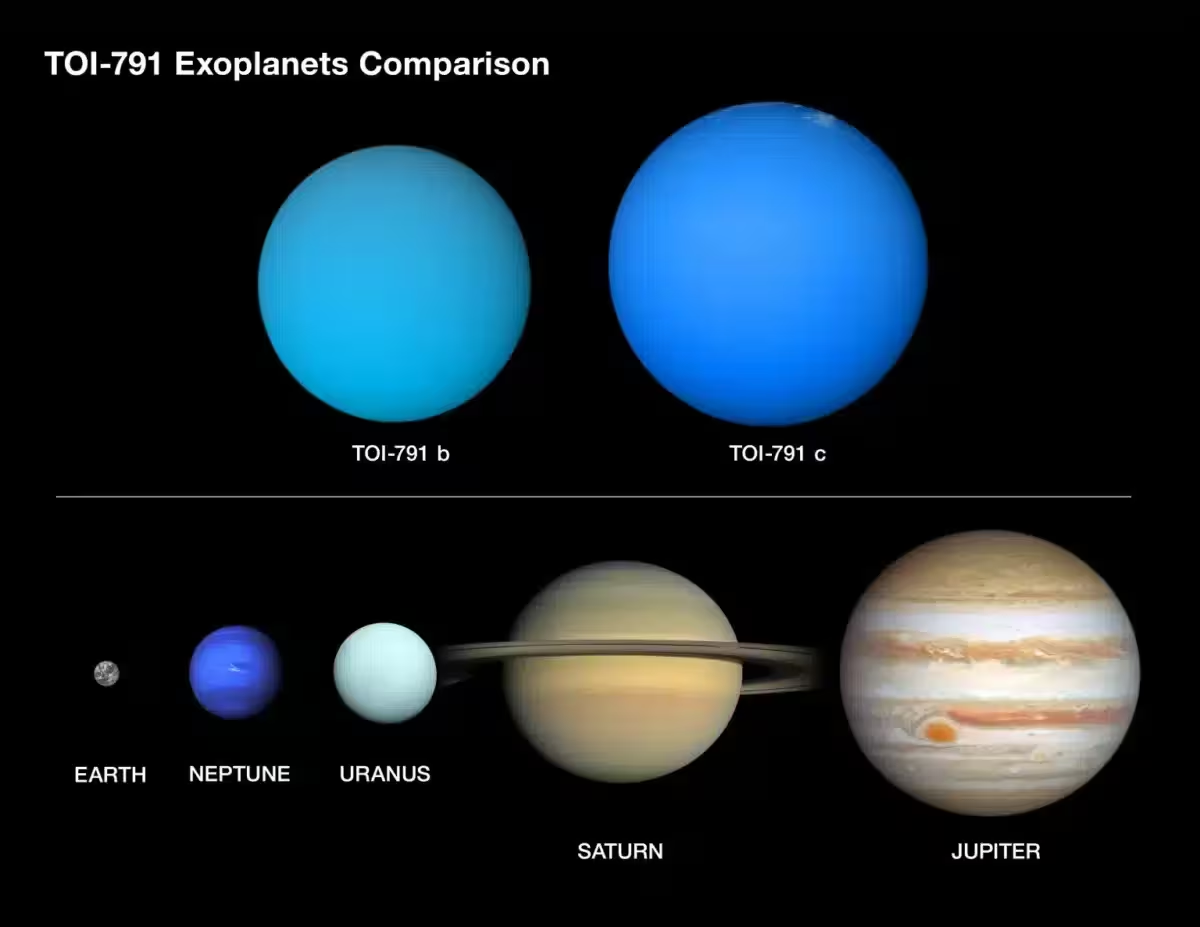
What makes this system stand out is the presence of two super‑puff planets orbiting the same Sun‑like star, a configuration scarcely seen in existing exoplanet databases. While the super‑puff category itself is already among the least common, finding a pair together magnifies the puzzle. Both objects have radii comparable to Jupiter but possess only a fraction of its mass, giving them a puffed‑up appearance that challenges conventional planetary physics.
Researchers suggest that these planets belong to a group that pushes the boundaries of standard formation theories. Their atmospheres seem dramatically expanded, indicating mechanisms that prevent the planets from collapsing under their own gravity. The simultaneous existence of two such inflated worlds hints at a shared, highly atypical origin.
“Only a handful of these super‑puffy planets are known, and it is even rarer to find two in the same system,” said George Dransfield of Oxford University. “Their extremely low densities make them fascinating targets for understanding how planetary systems form and evolve.”
A Natural Laboratory for Extreme Atmospheric Physics
The duo offers a unique test case for exploring how gas giants behave when subjected to intense stellar radiation, internal heating, or exotic chemical make‑ups that keep their envelopes from contracting. Scientists are keen to determine the composition of these bloated atmospheres and the processes that allow them to retain such vast layers of gas over billions of years.
Conventional models predict that planets of this scale should either be markedly denser or have shed much of their gaseous envelopes. Instead, the TOI‑791 planets remain inflated and seemingly fragile, prompting a reevaluation of atmospheric stability across long cosmic timescales.
“This system offers a unique laboratory for understanding how super‑puff planets form and evolve,” said Amaury Triaud of the University of Birmingham. “We propose to carry out space‑based observations using the James Webb Space Telescope to assess if the puffy atmosphere contains carbon, nitrogen, and oxygen‑bearing species, revealing new insight into how these unusual planets formed.”
Should future spectroscopy detect complex molecules, it could reshape ideas about the behavior of volatile elements in extreme exoplanet environments. For now, the pair stands as a vivid reminder that planetary diversity may be far broader and stranger than previously imagined.
Potential Ripple Effects on Planet Formation Models
Beyond their striking appearance, these super‑puff giants could force a revision of how scientists view planetary evolution. If such low‑density worlds prove to be more common than current data suggest, it would imply that the processes shaping planets are more adaptable than many existing theories allow.
At present, the TOI‑791 system serves as a rare natural experiment: two nearly weightless giants sharing an orbit, quietly challenging assumptions built over decades of exoplanet research.
This article has been fact checked for accuracy, with information verified against reputable sources. Learn more about us and our editorial process.
Last reviewed on .
Article history
- Latest version
Cite this page:
- Posted by Farah Siddiqui