NASA Picks Rocket Lab to Launch Dual Missions Studying Sun’s Power and Ice Clouds
NASA picks Rocket Lab for two missions probing solar energy and Earth’s ice clouds, boosting climate and solar research.
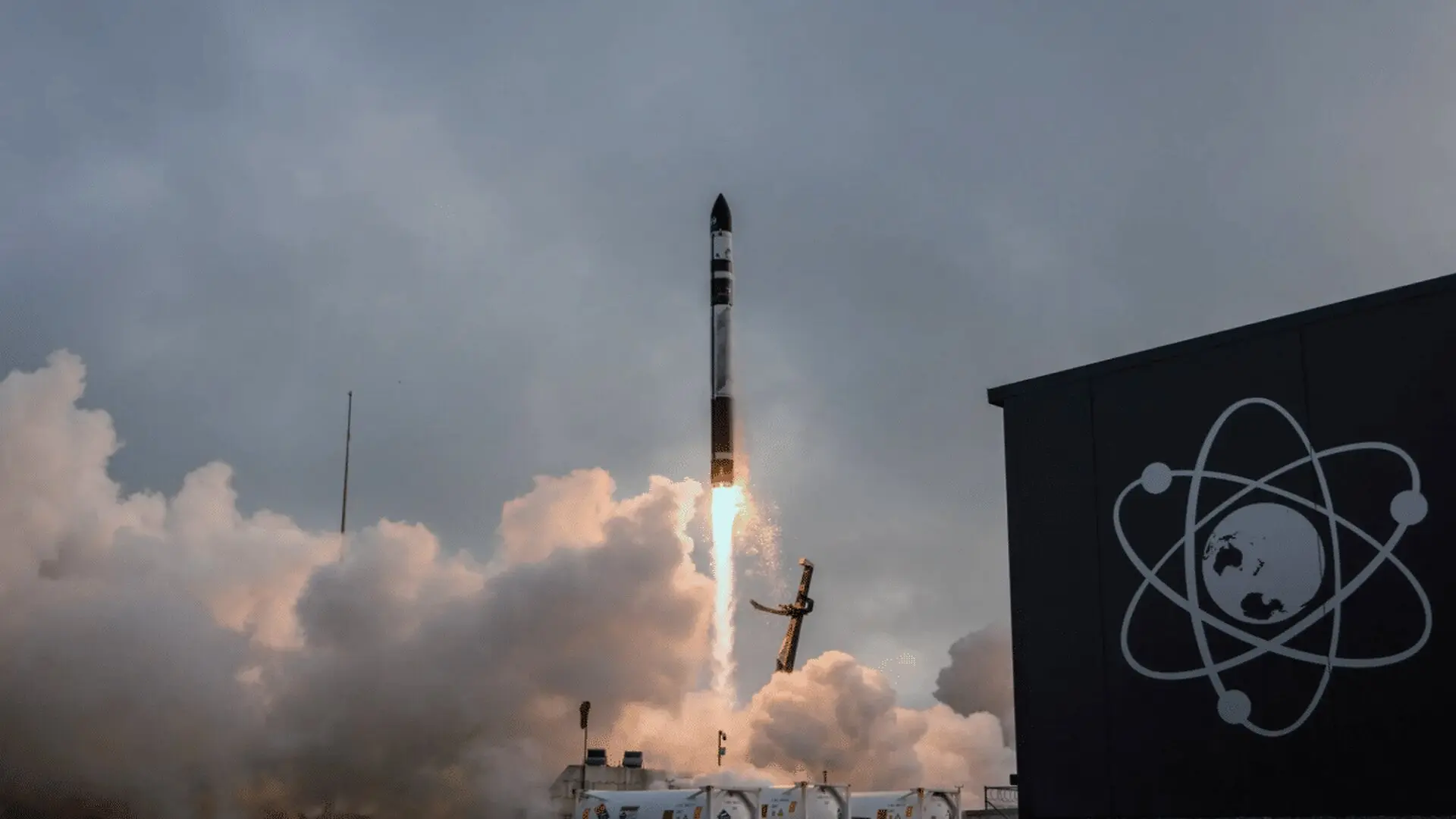
NASA has tapped Rocket Lab to lift two compact scientific payloads that will deepen insight into solar energy flow and high‑altitude ice clouds. Both missions—TSIS‑2 and PolSIR—will ride Rocket Lab’s Electron launch vehicle from Launch Complex 1 in New Zealand, with flight opportunities slated for early 2027. The partnership reflects NASA’s push to field agile, low‑cost satellites through commercial launch arrangements.
Rocket Lab to Deploy Paired Solar and Cloud‑Study Satellites
In a NASA press release, officials outlined a dual‑mission contract that groups two independent spacecraft under one launch provider. TSIS‑2 will track the Sun’s total and spectral irradiance, quantifying the amount of energy that reaches the top of Earth’s atmosphere across ultraviolet, visible and infrared bands. By moving the instrument suite from the International Space Station to a free‑flying satellite, TSIS‑2 will deliver continuous, global measurements that extend the long‑term record begun by TSIS‑1. The data set is expected to support studies of ocean circulation, seasonal climate patterns and the planet’s energy balance.
PolSIR, in contrast, targets tropical and subtropical ice clouds. The mission employs two 16‑U CubeSats, each equipped with sensors that detect the electromagnetic signatures of ice particles. By sampling the same cloud system at different times, the pair will generate time‑resolved profiles of ice content, helping researchers clarify how these clouds affect storm development and atmospheric energy transport. The staggered orbital configuration offers a higher temporal cadence than traditional single‑satellite approaches.
🚀Two missions, three rockets.
— NASA's Kennedy Space Center (@NASAKennedy) June 25, 2026
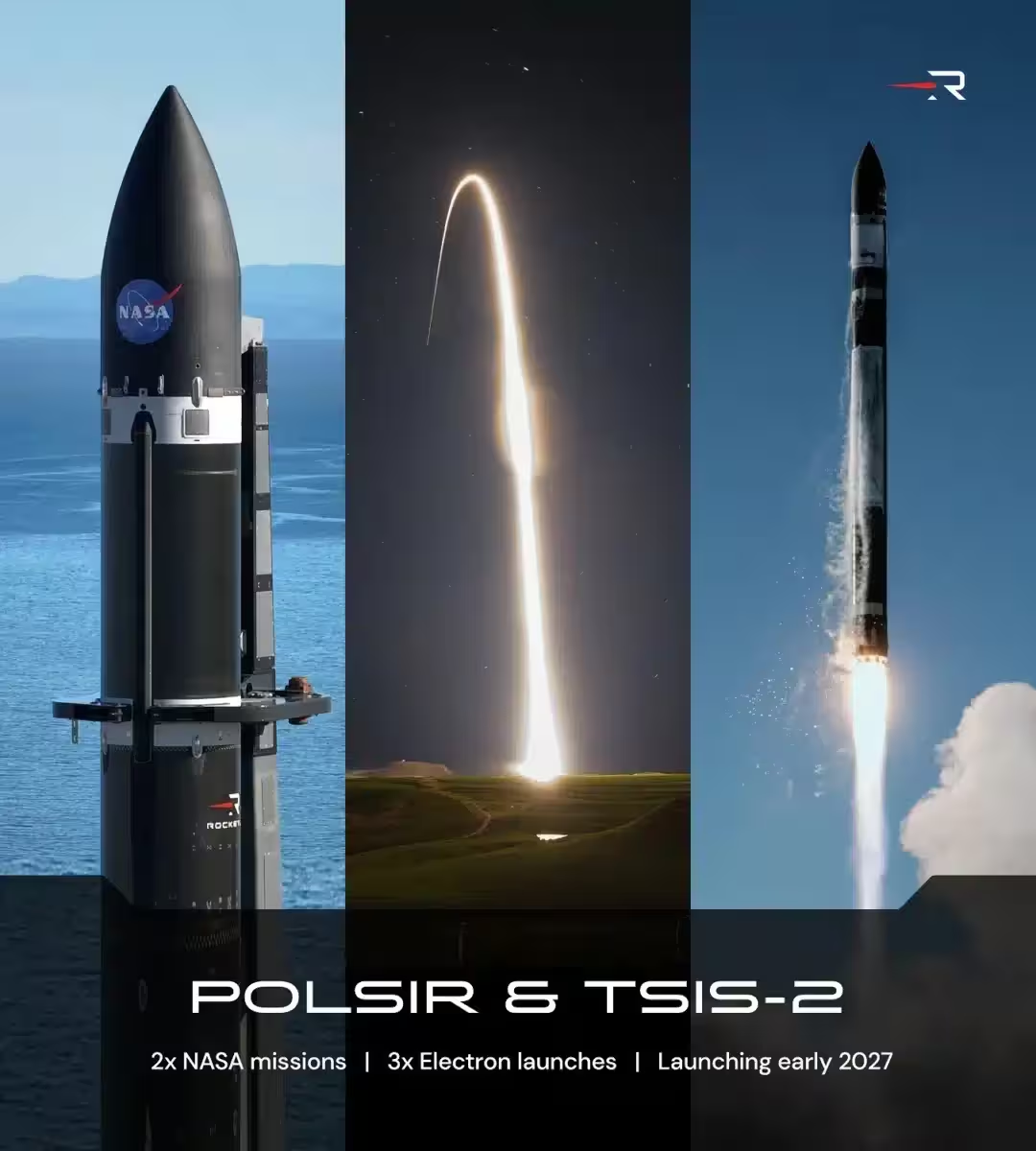
NASA has selected @RocketLab to launch two science missions in 2027 on three Electron rockets from Launch Complex 1 in New Zealand.
Two launches will send the twin CubeSats for PolSIR to study tropical ice clouds. A single rocket will launch… pic.twitter.com/g5k8COZBD0
Instrument Suites and Collaborative Teams
TSIS‑2 carries a Total Irradiance Monitor and a Spectral Irradiance Monitor, together covering roughly 96 % of the solar spectrum that drives Earth’s climate. The instruments are designed to detect minute fluctuations in solar output that could influence both long‑term climate trends and short‑term atmospheric dynamics. NASA’s Goddard Space Flight Center oversees the mission, with contributions from the Laboratory for Atmospheric and Space Physics at the University of Colorado Boulder and spacecraft engineering from General Atomics – Electromagnetic Systems.
PolSIR’s CubeSats were assembled by Blue Canyon Technologies and host payloads aimed at measuring ice particle evolution and their interaction with solar radiation. Vanderbilt University leads the science effort as principal investigator, while the Space Science and Engineering Center at the University of Wisconsin handles operations. The distributed team model spans academia and industry, underscoring a collaborative approach to improving atmospheric models through direct orbital observations.
Launch Strategy Within NASA’s Venture‑Class Program
Rocket Lab was chosen under NASA’s Venture‑Class Acquisition of Dedicated and Rideshare (VADR) contract, which provides fixed‑price launch services for small‑scale science missions. The arrangement permits multiple task orders over a decade, with a ceiling of $300 million, enabling rapid deployment of CubeSats and other compact payloads while keeping costs predictable.
The Mahia launch site in New Zealand offers orbital inclinations that suit both Earth‑observation and solar‑monitoring missions, granting the TSIS‑2 and PolSIR spacecraft the geometry they need for consistent data collection. By consolidating the two missions with a single provider, NASA gains scheduling efficiency without compromising the independent scientific timelines of each payload.
This article has been fact checked for accuracy, with information verified against reputable sources. Learn more about us and our editorial process.
Last reviewed on .
Article history
- Latest version
Reference(s)
- Lockhart, Leejay. “NASA Selects Rocket Lab to Launch Sun, Earth Science Missions .”, June 25, 2026 NASA <https://www.nasa.gov/missions/tsis-2/nasa-selects-rocket-lab-to-launch-sun-earth-science-missions/>.
- “https://twitter.com/NASAKennedy/status/2070239085453586608/photo/1.” <https://t.co/g5k8COZBD0>.
Cite this page:
- Posted by Farah Siddiqui