Ancient Vietnamese Kids Show Congenital Treponemal Signs May Indicate Yaws Not Syphilis
Scientists uncover a long‑lost disease by analyzing ancient remains, reviving a story hidden for millennia.
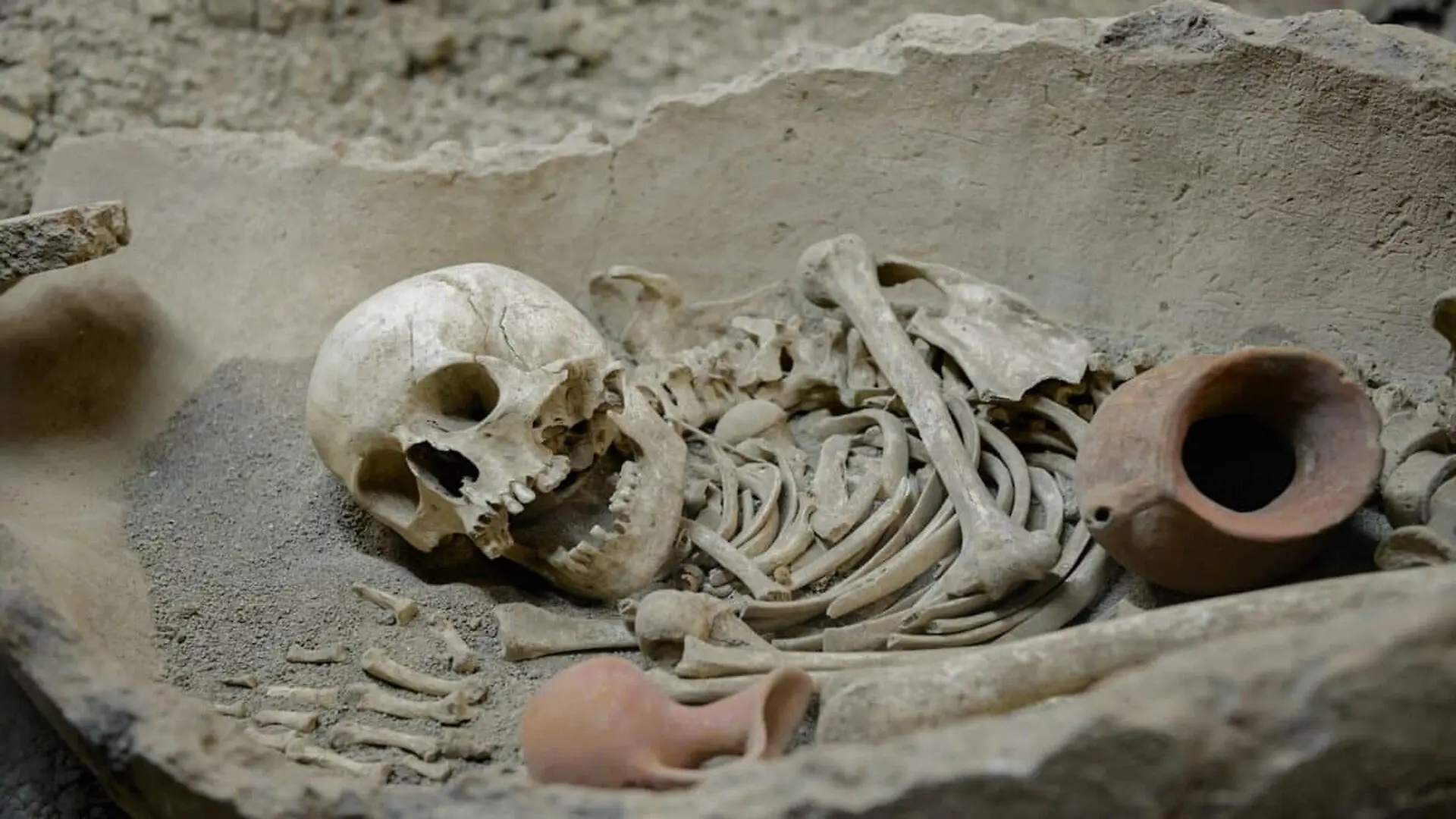
A team of researchers from Charles Sturt University and partners across the globe has uncovered evidence that treponemal infections were passed from mother to child in Vietnam more than 3,500 years ago. The find suggests that congenital cases in the archaeological record cannot be taken as automatic proof of venereal syphilis.
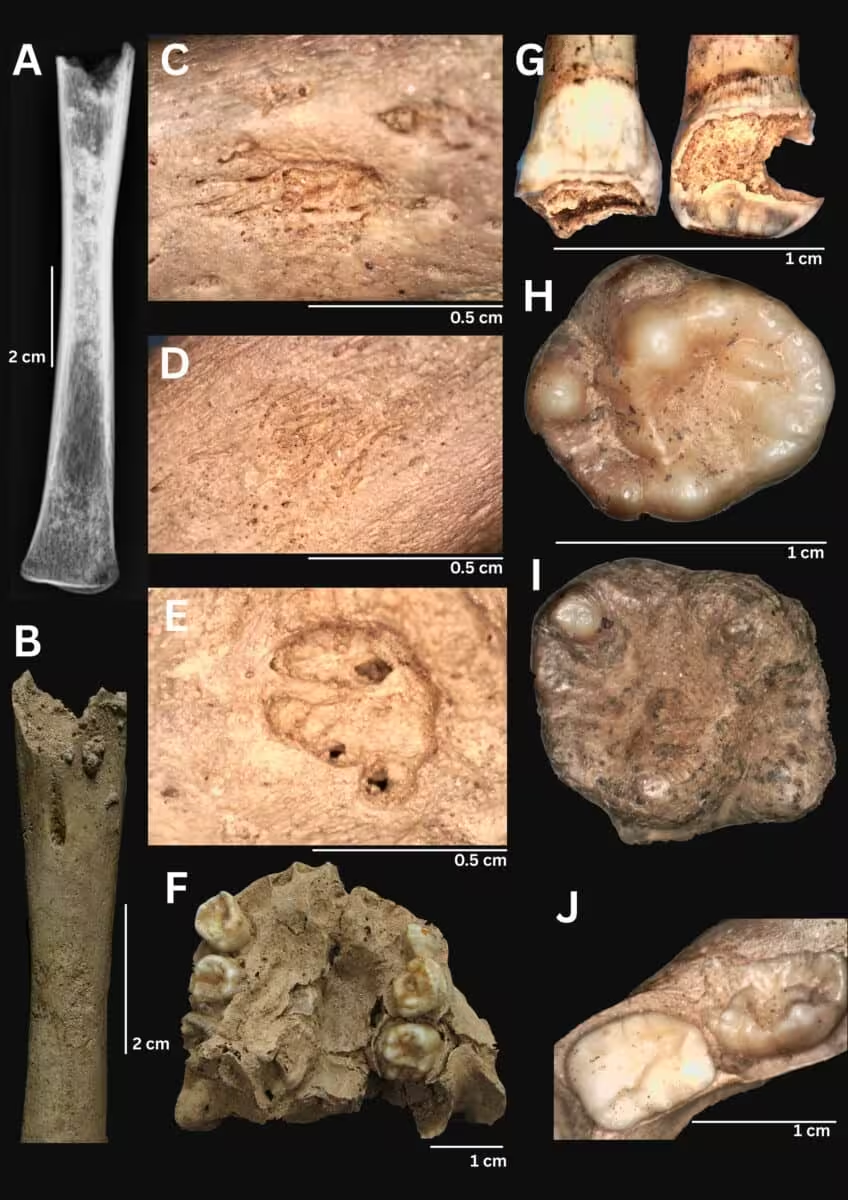
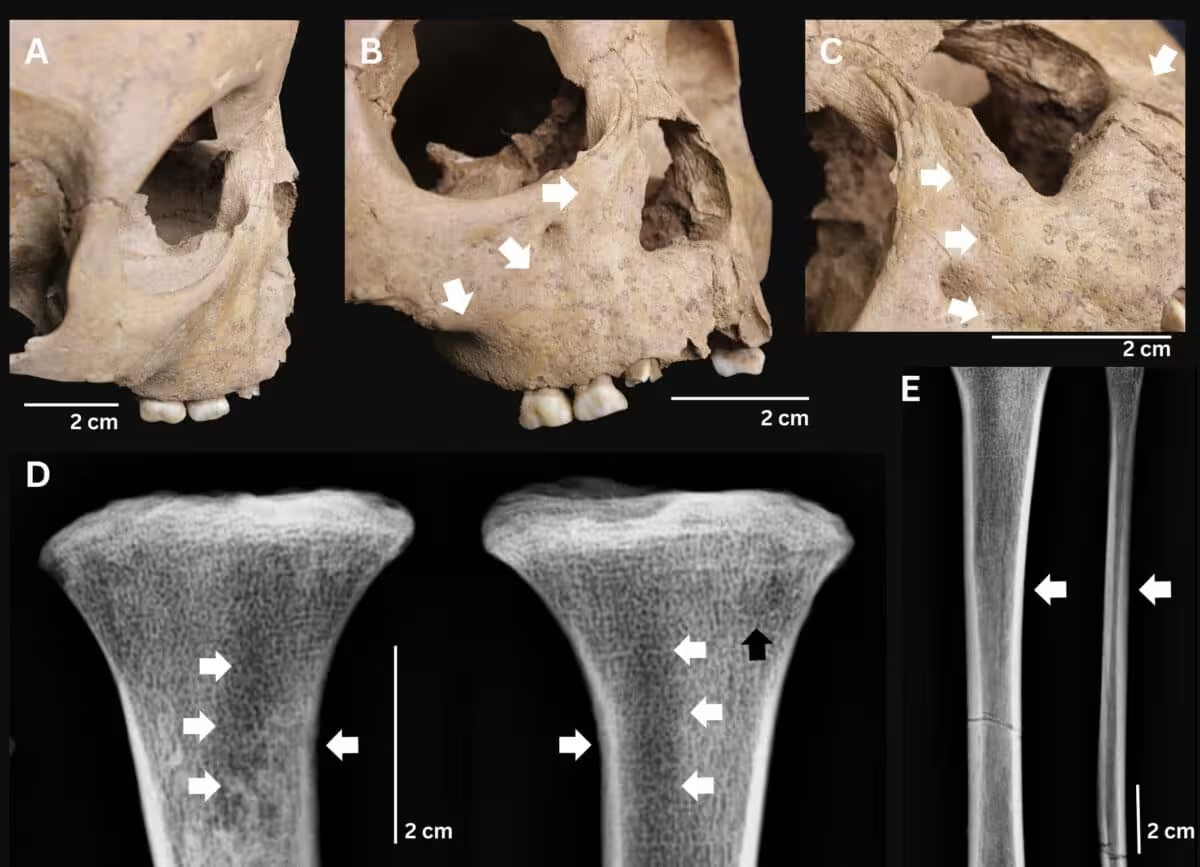
The analysis focused on skeletal and dental material from 309 individuals recovered at 16 sites dated between roughly 4,000 and 3,200 years before present. Three youngsters displayed the characteristic bone and tooth alterations that define congenital treponematosis—a group that includes syphilis, yaws and endemic syphilis.
Pre‑historic Dental and Skeletal Changes Rewrite Disease Profiles
The study, appearing in the International Journal of Osteoarchaeology, documents how these children’s teeth and bones bear lesions traditionally linked to treponemal disease. Historically, such congenital markers have been interpreted as strong indicators of sexually transmitted syphilis, but the Vietnamese data show that other treponemal illnesses could produce the same signs.
Broader patterns at the sites reveal a predominance of infections among children and adolescents, a distribution more consistent with non‑venereal diseases like yaws, which spreads through direct skin contact.
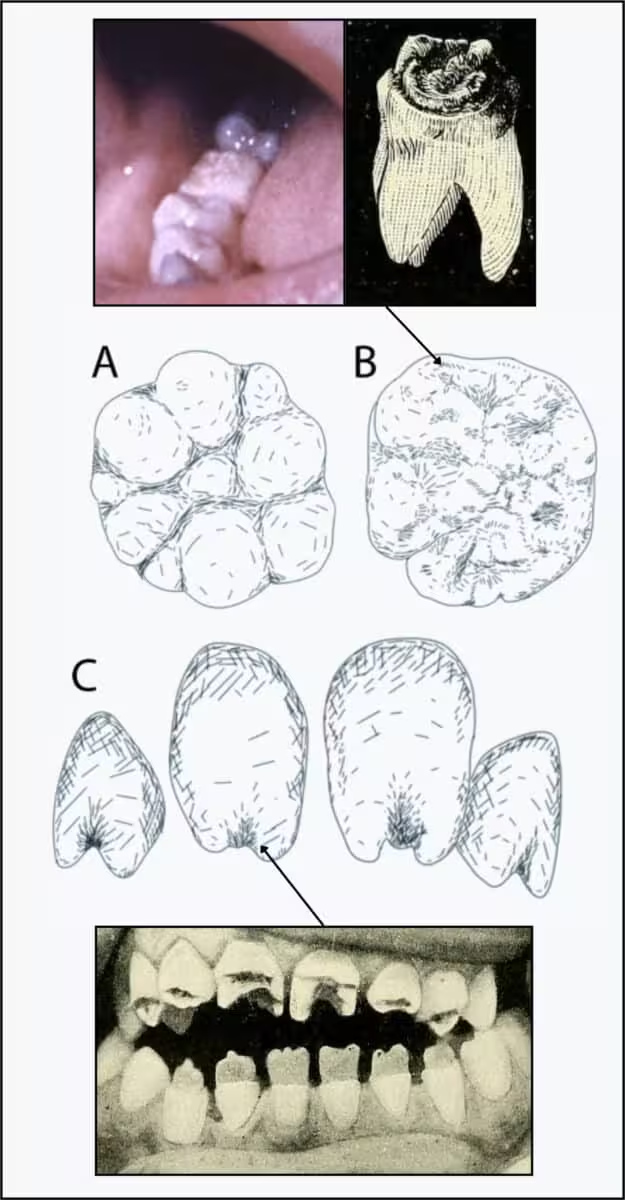
Dr. Melandri Vlok, lead author, warned that long‑standing assumptions about congenital infection need revision. “For decades, congenital infection in archaeological remains has often been taken as strong evidence of venereal syphilis,” she said. “Our research shows that this assumption may not always hold true. Other treponemal diseases may also have been transmitted from mother to child.”
Reassessing the Timeline of Venereal Syphilis
The new evidence adds a layer of complexity to the enduring debate over whether syphilis originated in the New World or existed elsewhere before Columbus’s voyages. Scholars have frequently relied on signs of congenital infection to argue for pre‑Columbian presence, but the Vietnamese findings demonstrate that such markers alone cannot differentiate among treponemal diseases.
Two of the affected children were unearthed at Man Bac, a northern Vietnam site already noted for unusually high rates of treponemal infection. The age distribution of cases there points toward a non‑venereal disease circulating within the community.
While the study does not settle the origin question, it urges scientists to apply a more nuanced interpretive framework when examining ancient disease signatures.
DNA Preservation Challenges and Future Directions
Recovering ancient pathogen DNA in tropical climates is notoriously difficult, as organic material often degrades rapidly. Researchers therefore integrate osteological analysis, dental pathology, and archaeological context to reconstruct the epidemiology of past outbreaks.
Ms Minh Tran, co‑lead author and PhD candidate at the University of the Philippines Diliman, emphasized ethical considerations. “Future research must move in new directions working in genuine partnership with communities connected to these remains, considering preservation before any biomolecular work begins,” she noted.
The team plans to trace how treponemal pathogens have evolved over millennia, shifting the focus from a single disease narrative to a broader understanding of ancient treponematoses.
This article has been fact checked for accuracy, with information verified against reputable sources. Learn more about us and our editorial process.
Last reviewed on .
Article history
- Latest version
Reference(s)
- Vlok, Melandri., et al. “Dental Stigmata and Skeletal Lesions of Congenital Treponematosis in Early Agricultural Vietnam (4000–3500
bp ).” International Journal of Osteoarchaeology, vol. 36, no. 2, March 13, 2026, pp. 401-413. Wiley, doi: 10.1002/oa.70096. <https://onlinelibrary.wiley.com/doi/10.1002/oa.70096>. - <http://www.melandrivlok.com/>.
- <https://onlinelibrary.wiley.com/authored-by/Minh/Tran%C2%A0Thi>.
Cite this page:
- Posted by Vikram Desai