The Chemistry That Lets 3,000-Year-Old Egyptian Honey Remain Edible
Exploring why honey can last for millennia—its natural preservatives, low water content and antimicrobial properties keep it edible for centuries.
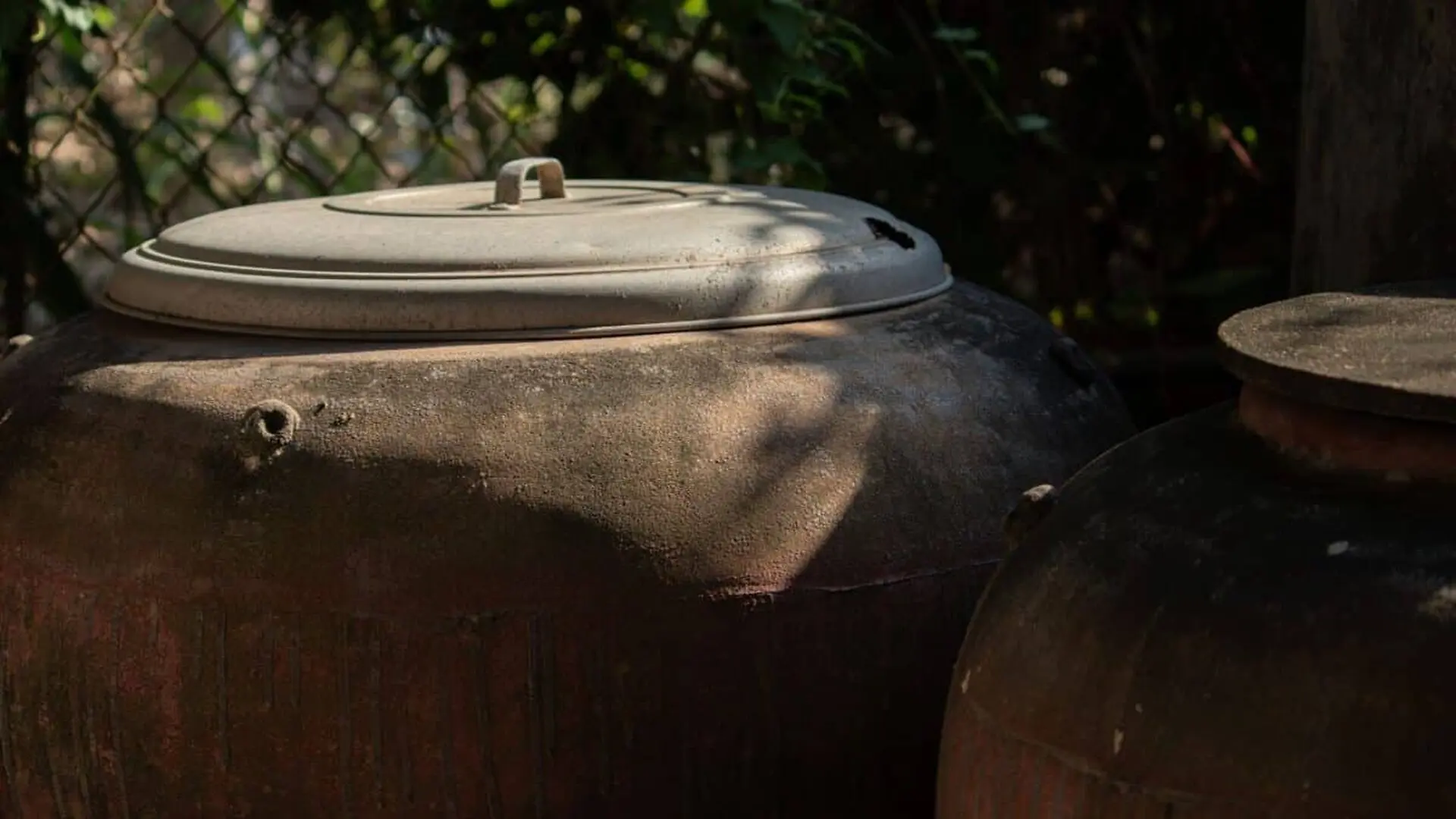
The story that a jar of honey sealed in an Egyptian tomb for three millennia could still be tasted has fascinated the public for decades. While the exact provenance of that anecdote remains unverified, the underlying science that allows honey to persist for centuries is well established: a combination of minimal water availability, acidic conditions, and intrinsic antimicrobial agents creates an environment hostile to most microbes.
From Nectar to Natural Preservative
When bees collect floral nectar, it typically contains 70–80 % water. Through repeated ingestion and vigorous fanning within the honeycomb, they reduce the moisture level to below roughly 18 %, concentrating the solution into a sugar‑rich matrix dominated by glucose and fructose. This drastic drop in water activity limits the free water that bacteria and yeasts require for growth, effectively dehydrating potential invaders.
During this conversion, bees also introduce the enzyme glucose oxidase, which catalyzes the formation of gluconic acid and hydrogen peroxide. The resulting acidity lowers the pH, while hydrogen peroxide adds a further layer of antimicrobial defense. In addition, honey contains trace amounts of proteins, vitamins, minerals, flavonoids, and phenolic compounds, all of which vary according to floral source, geography, bee species, and handling practices.
If the moisture content climbs above about 20 %, the protective balance collapses and yeast can begin to ferment the sugars. Exposure to humid air, a compromised seal, or accidental water intrusion can therefore jeopardize honey’s natural defenses.
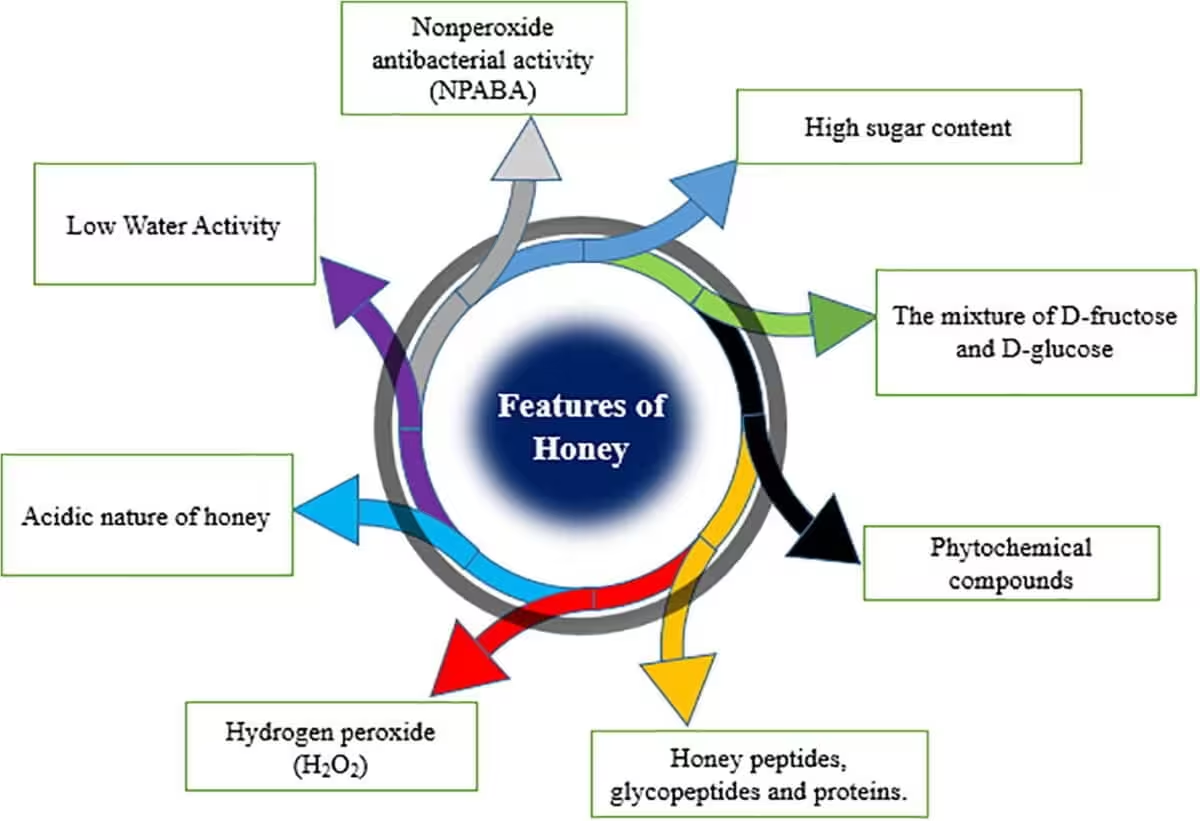
What Allows Millennia‑Old Honey to Remain Edible
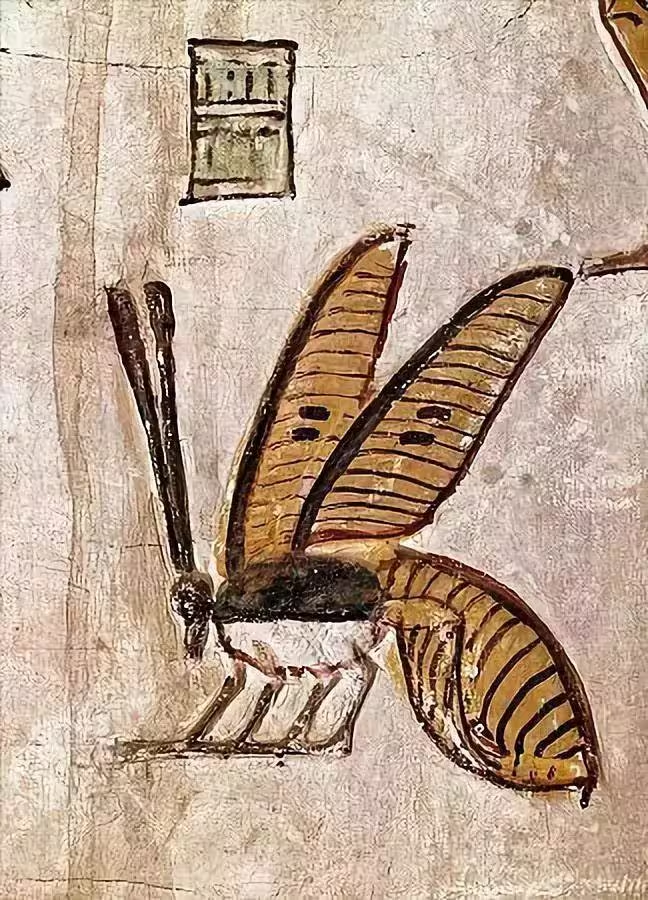
Archaeologists have recovered honey residues from burial vessels that predate the commonly cited 1,000 BCE benchmark, confirming that the ancient Egyptians used honey in funerary contexts. However, the oft‑repeated claim of a specific 3,000‑year‑old jar being tasted lacks a documented excavation report or museum catalog entry, making it more legend than verifiable fact.
Nevertheless, the chemistry that would keep sealed honey viable for thousands of years is sound. In a hermetically closed container, the low water activity and intrinsic antimicrobial compounds remain insulated from external humidity, preserving the balance that inhibits microbial growth. Over such extended periods the honey may undergo physical changes: sugars can crystallize, the liquid turning into a granular mass, while color darkens and some volatile aromas fade. These transformations do not necessarily render the honey inedible, but they do alter its sensory profile.
A 2024 study of Hungarian honey varieties demonstrated that older samples require markedly higher concentrations to achieve the same antibacterial effect as fresher ones. While 2022 honey inhibited bacterial growth at 10–18 % concentration, samples from 2020 needed 43–50 % to produce comparable results, underscoring the gradual loss of antimicrobial potency with age.
Honey Is Not Sterile, Though It Inhibits Many Pathogens
The low‑water, acidic environment of honey suppresses most bacterial and fungal growth, but it does not sterilize the product. Spores of Clostridium botulinum can persist in a dormant state within honey, posing a risk if ingested by infants whose gut flora cannot prevent spore germination. This is why health authorities advise against feeding honey to children under one year of age.
Different floral sources also confer distinct antimicrobial profiles. Manuka honey, for example, contains methylglyoxal, an additional bactericidal compound, while dark honeys such as buckwheat are rich in phenolic substances. In contrast, lighter varieties like acacia honey tend to remain liquid longer and crystallize more slowly.
Because honey’s composition varies with origin, age, and processing, a single laboratory assay cannot capture the full spectrum of its antibacterial activity. Researchers must consider these variables when interpreting results or proposing medical applications.
This article has been fact checked for accuracy, with information verified against reputable sources. Learn more about us and our editorial process.
Last reviewed on .
Article history
- Latest version
Cite this page:
- Posted by Vikram Desai