Ten-Year Thai Study Links Fine Dust Air Pollution to Higher Dengue Fever Rates
Nationwide data from 77 provinces reveals that specific aerosol components have contrasting associations with viral infection patterns across age groups
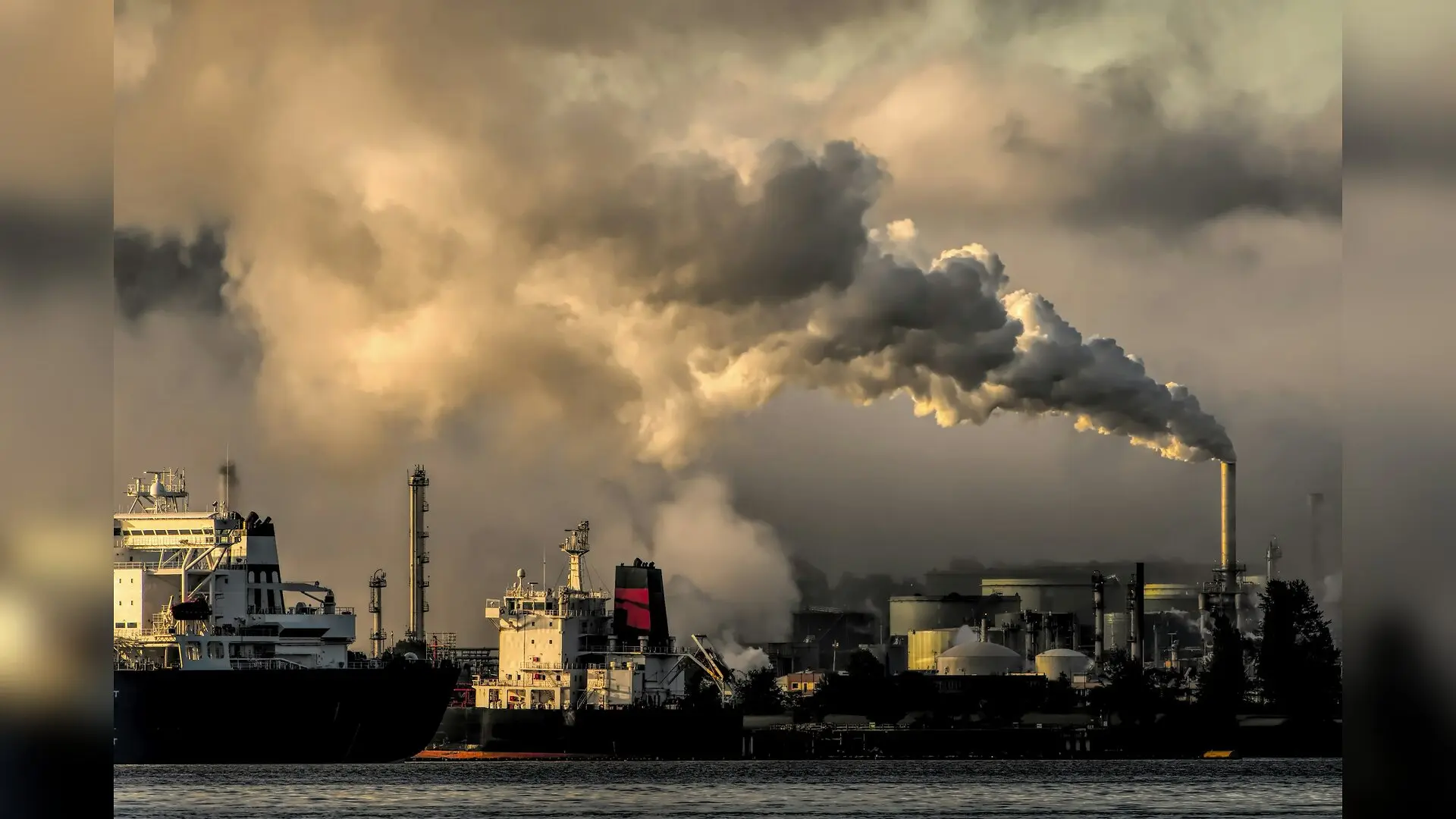
A 10-year nationwide study across 77 provinces in Thailand involving more than eight hundred thousand reported cases reveals that specific chemical components of air pollution are linked to distinct spatial patterns of dengue fever. The research, published in PLOS One by Muthukumar et al., analyzed government health surveillance figures alongside satellite-derived aerosol data from NASA to understand how different types of airborne particles associate with outbreaks of the mosquito-borne viral disease.
How did dust and soot affect infection rates nationwide?
The investigators tracked four major aerosol components from 2012 to 2021, including mineral dust smaller than two and a half micrometers, organic carbon, black carbon, and sulfate. Using a statistical approach known as Bayesian spatial modeling, the team adjusted for age, sex, and population density to evaluate how regional air quality related to local disease spread. Over the decade, a total of 837,616 dengue infections were recorded across the country.
The analysis showed that higher levels of fine mineral dust were positively associated with dengue incidence, with medium and high exposure groups experiencing roughly fourteen to sixteen percent higher case rates. Conversely, higher accumulated levels of organic carbon, black carbon, and sulfate showed an inverse association with disease incidence in the overall population.
What does the age-specific breakdown reveal about pollution?
When the team stratified the data by age groups, interesting variations emerged regarding chemical exposure. For instance, while sulfate showed an inverse relationship with dengue in individuals aged fifteen years and older, the pattern reversed for younger residents. Among children under fifteen years old, medium and high sulfate exposure levels were associated with higher dengue incidence.
The authors noted that these contrasting patterns highlight the complexity of environmental epidemiology. The inverse associations observed for certain soot and carbon components do not imply a protective health effect, but rather point to complex spatial correlations, overlapping seasonal weather patterns, or unmeasured socioeconomic factors across different provinces.
What are the limitations and next steps for early warning systems?
Because the investigation relied on an ecological study design using province-level aggregated numbers rather than individual health tracking, the findings cannot establish direct cause and effect. Furthermore, the models did not incorporate specific short-term weather variables such as daily temperature and rainfall, meaning some climatic confounding could still exist.
Despite these limitations, the authors suggest that incorporating detailed particulate composition data could eventually help improve early warning systems for mosquito-borne diseases in rapidly urbanizing tropical regions. Understanding how different chemical components interact with vector behavior and population immunity remains an important goal for future public health research.
The research was published in PloS one on November 20, 2026.
This article has been fact checked for accuracy, with information verified against reputable sources. Learn more about us and our editorial process.
Last reviewed on .
Article history
- Latest version
Reference(s)
- Muthukumar, Radhakrishnan., et al. “Ambient particulate chemical components and dengue incidence: A 10-year nationwide study in Thailand.” PLOS One, vol. 21, no. 11, November 20, 2026, pp. e0362587 Public Library of Science (PLoS), doi: 10.1371/journal.pone.0362587. <https://doi.org/10.1371/journal.pone.0362587>.
Cite this page:
- Posted by William Moore