Decade Of Genetic Research Reveals Why Essential Tremor Has No Single DNA Cause
A major review of decade-long genetic data shows that common DNA variants, rare family mutations, and hidden phenocopies explain why the common shaking disorder remains an elusive clinical puzzle.
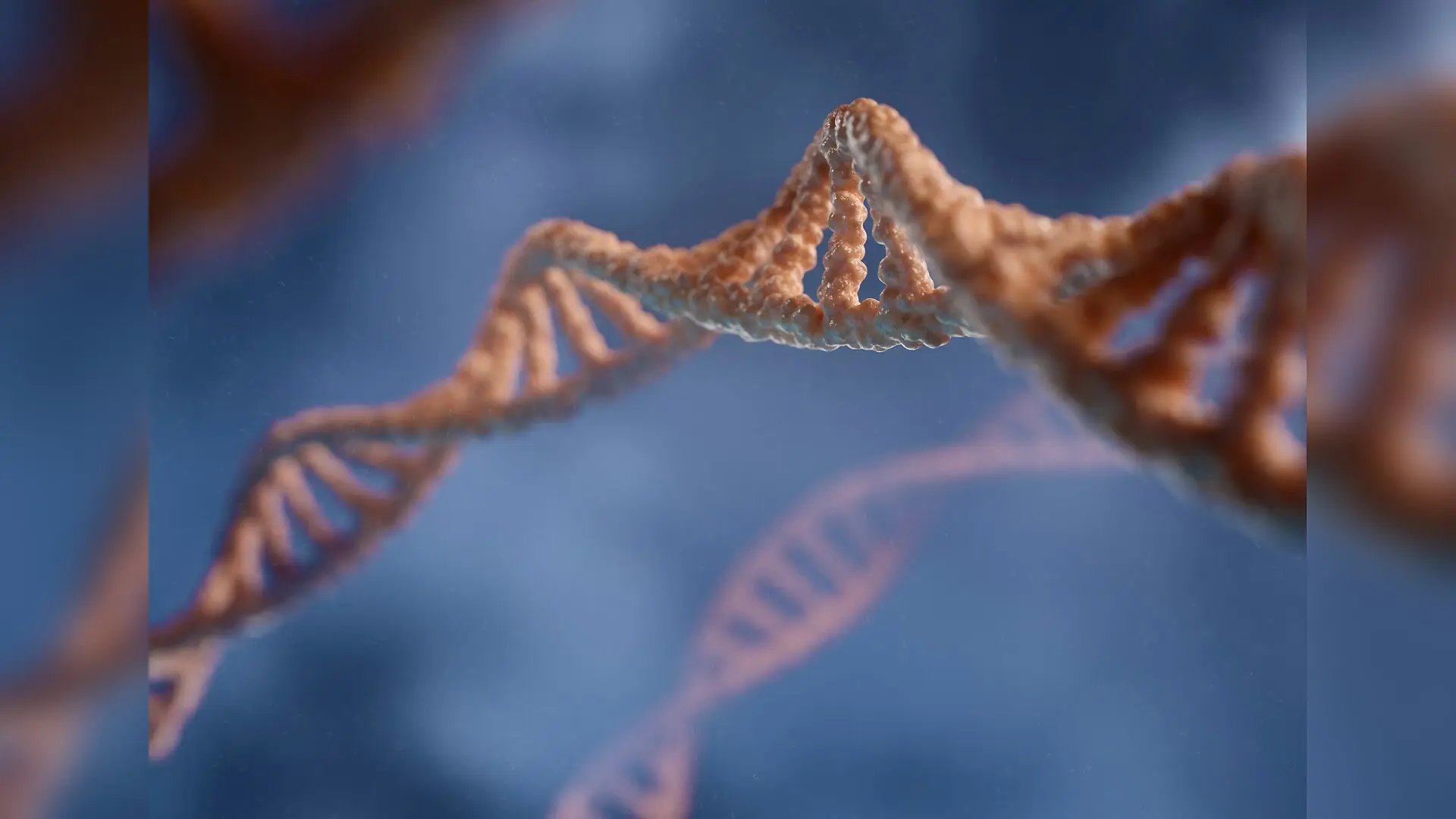
A sweeping new review of genetic research reveals that essential tremor, a common movement disorder causing rhythmic shaking in millions of adults, lacks a single unifying genetic cause. The comprehensive assessment highlights how decades of family studies, genome scans, and DNA sequencing have uncovered a deeply complex biological puzzle rather than a straightforward genetic trigger.
Essential tremor affects up to six percent of adults over age 65, making it far more common than Parkinson’s disease, yet its underlying biology has remained elusive. To untangle why previous gene discoveries often failed to replicate, researchers examined the past decade of genetic studies to map how methods have evolved from small family linkage scans to massive population biobanks. The findings were published in Tremor and other hyperkinetic movements by lead author Hilary Shepherd-Macadie and senior author Antonella Macerollo from the University of Liverpool, alongside their collaborators.
How Much Do Common Genetic Variations Explain About Tremor Risk?
Recent genome-wide association studies, which scan millions of DNA markers across large populations, have estimated that common genetic variants account for about eighteen percent of essential tremor susceptibility. Large-scale meta-analyses involving thousands of diagnosed individuals and hundreds of thousands of healthy controls have successfully pinpointed specific risk loci, including regions near the STK32B and PPARGC1A genes. However, these common genetic variants tend to have very small individual effect sizes, meaning no single common DNA spelling change can predict who will develop the condition.
Earlier candidate gene studies frequently highlighted specific markers in genes such as LINGO1, but subsequent large cohorts failed to confirm those links. The authors point out that many earlier findings suffered from small sample sizes, lack of independent replication, and heavy reliance on hypothesis-driven selections. While newer multi-omics approaches attempt to bridge genetic signals with brain cell expression data, researchers stress that much of the common genetic architecture remains uncharted.
Why Do Rare Family Variants Tell Such Different Stories?
When scientists zoom in on families with multiple affected members, the picture shifts from common variations to rare protein-coding differences. Whole-exome and whole-genome sequencing efforts have nominated roughly twenty-five different candidate genes, including CACNA1G, SLIT3, and FUS. Yet, almost every identified rare variant appears in only one or two families, rarely showing up across unrelated pedigrees.
This pattern demonstrates extreme genetic heterogeneity, where different families carry entirely different private mutations that lead to similar clinical shaking. Furthermore, many of these rare variants suffer from incomplete penetrance, meaning some family members carry the genetic flag yet never develop any tremor symptoms. Age-dependent onset and environmental factors further cloud how these rare genetic variants drive disease.
Could Some Tremor Cases Be Misdiagnosed Genetic Conditions?
A major complication in essential tremor genetics is diagnostic overlap, where patients presenting with classic shaking actually harbor pathogenic repeat expansions associated with entirely different neurological disorders. For instance, studies in East Asian populations discovered that up to six percent of patients clinically diagnosed with familial essential tremor actually carried pathogenic GGC repeat expansions in the NOTCH2NLC gene. These expansions cause neuronal intranuclear inclusion disease, a condition featuring brain cell inclusions and diverse neurological signs.
Similarly, rare variants in genes linked to spinocerebellar ataxia or other movement disorders occasionally turn up in cohorts originally labeled as essential tremor. The review cautions that misdiagnosis rates historically reached up to fifty percent prior to modern consensus criteria. Treating these distinct molecular disorders as standard essential tremor can easily distort genetic association studies.
What Does the Future Hold for Genetic Diagnostics and Therapy?
At present, genetic testing holds virtually no clinical utility for confirming typical essential tremor, predicting disease progression, or guiding individual treatments. Because common variants confer tiny risks and rare variants rarely replicate across populations, clinicians cannot yet use a simple blood test to diagnose the disorder. Genetic evaluations are currently useful only when a patient presents with atypical features suggesting an alternative inherited syndrome.
To move forward, the authors argue that the scientific community must embrace larger, deeply phenotyped, and ancestry-diverse cohorts combined with rigorous longitudinal tracking. Emerging techniques like long-read sequencing and polygenic risk scoring may eventually untangle complex structural variations, but immediate clinical translation requires standardized diagnostic definitions and functional biological validation.
The research was published in Tremor and other hyperkinetic movements (New York, N.Y.) on November 21, 2026.
This article has been fact checked for accuracy, with information verified against reputable sources. Learn more about us and our editorial process.
Last reviewed on .
Article history
- Latest version
Cite this page:
- Posted by Elizabeth Taylor