Brain Organoid Study Reveals How Three-Dimensional DNA Folding Drives Glioblastoma Drug Resistance
Researchers discover that physical DNA loops and enhancer activation enable brain cancer cells to survive standard chemotherapy.
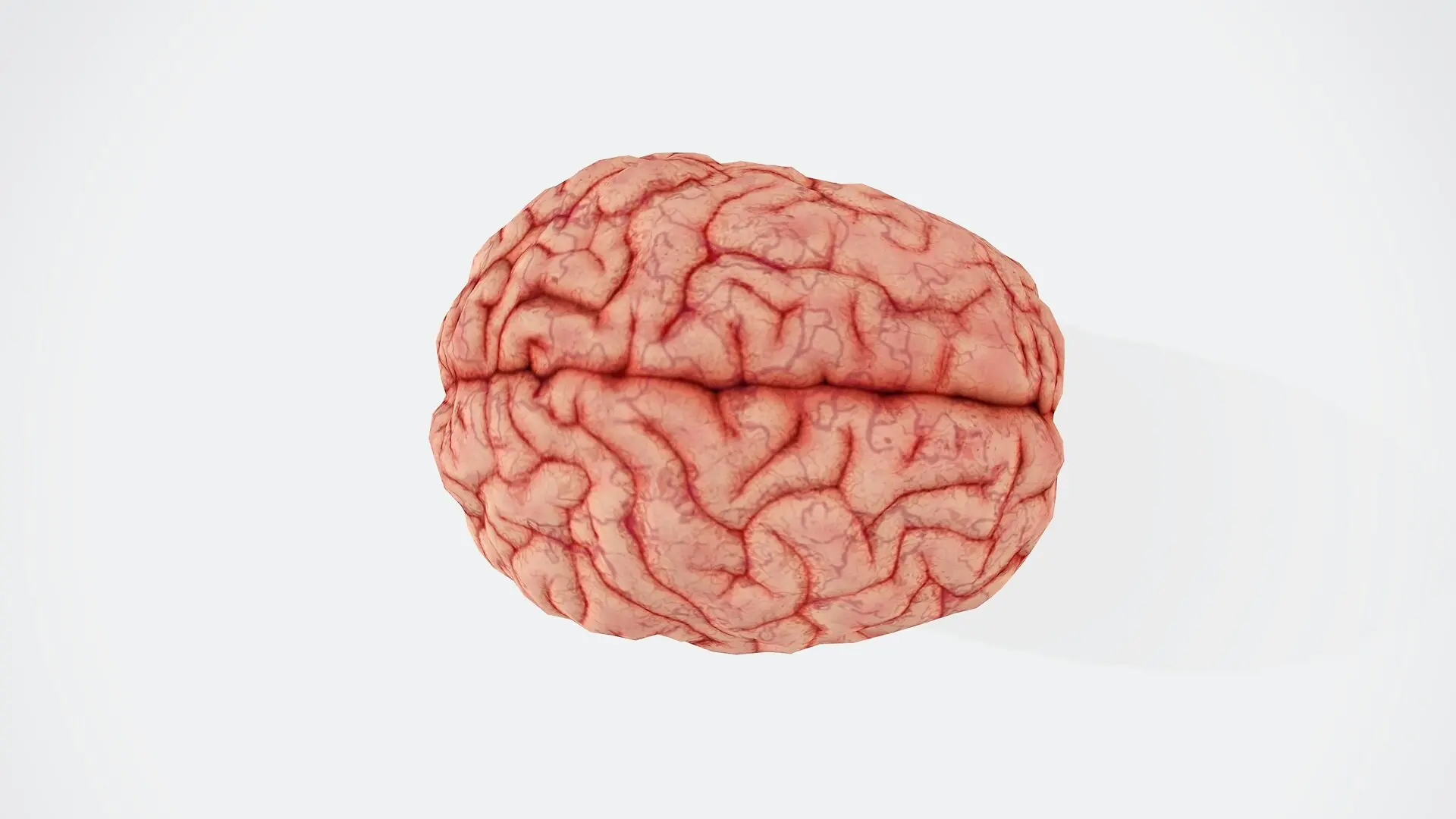
Brain tumor organoids exposed to the chemotherapy drug temozolomide reveal how three-dimensional folding of genetic material inside cells helps cancer survive treatment. Researchers tracked this adaptive drug tolerance and discovered that physical loops in DNA activate hidden switches that make tumor cells resilient.
Glioblastoma is the most aggressive form of primary brain tumor, carrying a median survival time of only fourteen to seventeen months for affected patients. Although the drug temozolomide remains the first-line chemotherapy choice, cancer cells quickly develop tolerance, which correlates with a more aggressive disease trajectory and unmethylated promoter regions near the DNA repair gene MGMT. However, patient responses vary widely, indicating that additional hidden mechanisms drive survival against the drug.
How Does Three-Dimensional Chromatin Remodeling Drive Drug Tolerance?
To uncover the molecular steps behind this resilience, researchers led by B. Chen and colleagues at Sun Yat-sen University established patient-derived glioblastoma organoid models exhibiting low sensitivity to temozolomide. The team integrated epigenomic sequencing, three-dimensional genomic mapping, and transcriptomic profiling, as detailed in a study published in Advanced Science. They paired these multi-omics datasets with dual CRISPR interference screening to pinpoint specific regulatory elements driving drug resistance.
The analysis showed that global enhancer activation reshapes the chromatin landscape, creating physical loops that link distant regulatory DNA segments directly to target genes. Among over eleven thousand activated enhancers identified, a specific temozolomide-induced enhancer located about half a megabase away from its target gene caught the team’s attention. This enhancer regulates RasGRP3, a calcium- and diacylglycerol-regulated protein that acts as a guanine nucleotide exchange factor to activate downstream cell-signaling pathways.
What Happens When RasGRP3 and Its Enhancer Are Deleted?
Laboratory experiments using cellular knockouts demonstrated that removing RasGRP3 or its interacting enhancer significantly increases cancer cell vulnerability to chemotherapy. When U251 and LN229 glioblastoma cell lines underwent CRISPR-Cas9 editing to delete the gene or its enhancer, cell death rates increased two- to three-fold following temozolomide exposure. Furthermore, in vivo tests using mouse intracranial xenograft models confirmed that tumors lacking RasGRP3 or the enhancer exhibited markedly reduced growth and extended survival rates after drug administration.
Single-cell transcriptomic profiling further revealed that this drug tolerance state is accompanied by cellular plasticity. As cancer cells adapt to continuous temozolomide exposure, they shift away from an astrocyte-like state toward an oligodendrocyte precursor cell-like state where RasGRP3 is prominently enriched. This phenotypic switching helps explain why standard chemotherapy often fails to eliminate the entire tumor population.
Can Small-Molecule Inhibitors Overcome Chemotherapy Resistance?
The study also tested therapeutic strategies combining temozolomide with small-molecule inhibitors designed to disrupt enhancer formation. Administering the histone acetyltransferase inhibitor inobrodib or the BET bromodomain inhibitor JQ1 alongside temozolomide synergistically enhanced drug cytotoxicity. These findings suggest that blocking de novo enhancer activation or disrupting long-range chromatin loops can successfully re-sensitize drug-tolerant cancer cells.
The authors acknowledge certain limitations in their work, noting that organoid models reflect an adaptive, non-genetic low-sensitivity state rather than irreversible acquired genetic resistance. Additionally, complete rescue was not achieved through enhancer deletion alone, pointing to potential compensatory pathways and redundant enhancers that require further exploration.
The research was published in Advanced science (Weinheim, Baden-Wurttemberg, Germany) on November 18, 2026.
This article has been fact checked for accuracy, with information verified against reputable sources. Learn more about us and our editorial process.
Last reviewed on .
Article history
- Latest version
Reference(s)
- Chen, Bohan., et al. “Chromatin Remodeling of RasGRP3 Underlies Temozolomide Sensitivity in Glioblastoma Organoids.” Advanced Science, November 18, 2026 Wiley, doi: 10.1002/advs.78665. <https://doi.org/10.1002/advs.78665>.
Cite this page:
- Posted by Faisal Qureshi