Smart Nanopores Sort DNA in Real Time Without Chemical Baits
A comprehensive review highlights how digital sorting technology lets sequencers accept or reject genetic molecules on the fly.
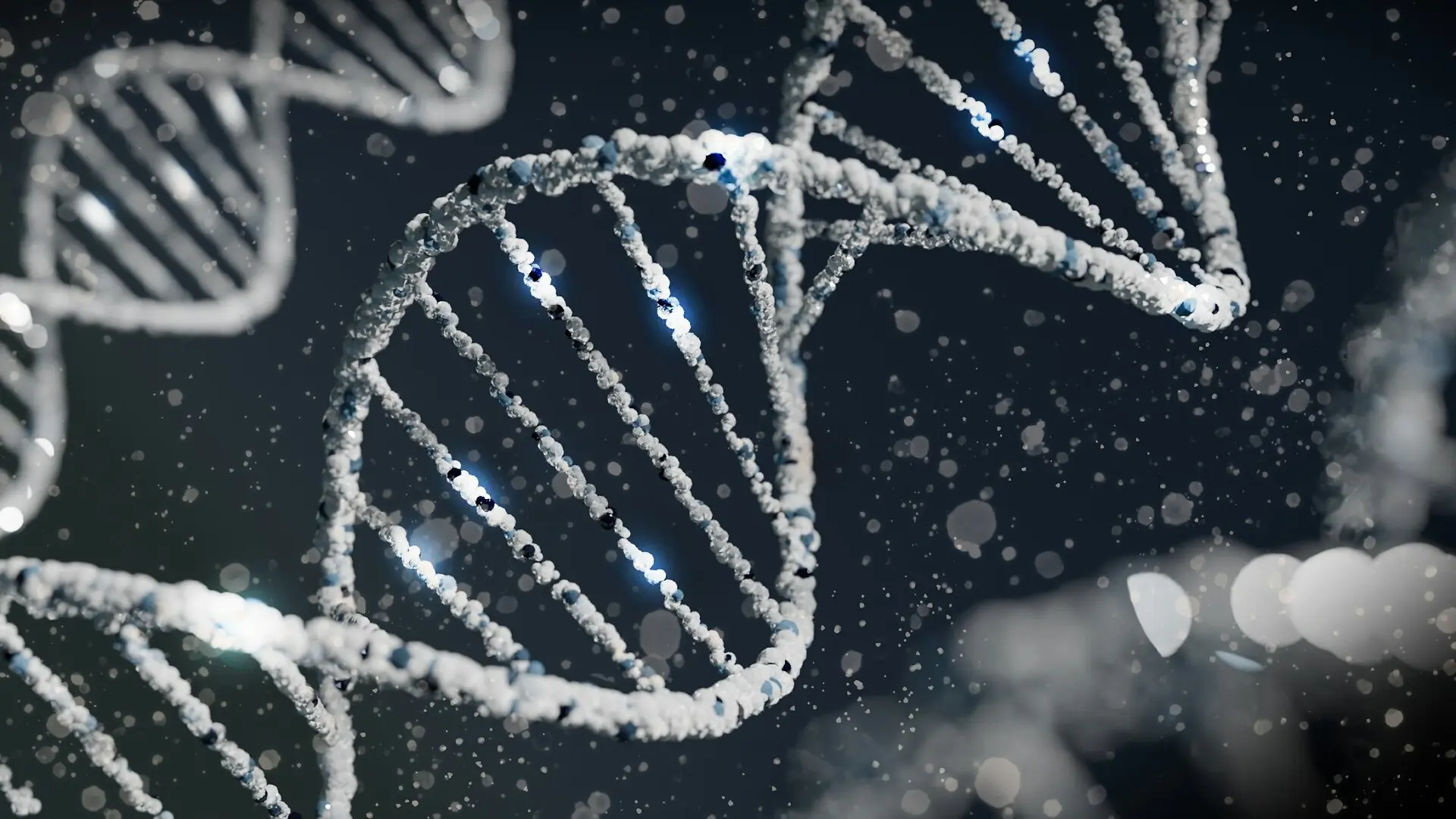
Tiny electrical sensors are transforming how scientists read the genetic code by making it possible to target specific DNA pieces on the fly, skipping months of tedious laboratory preparation. This method, known in laboratories as adaptive sampling, acts like a smart molecular filter that reads the start of a genetic fragment and instantly decides whether to record the rest of it or eject it from the pore.
Researchers H. Lapka, P. Poniatowska-Rynkiewicz, and A. Zmienko detailed these advances in a comprehensive review published in Functional & integrative genomics in November 2026. Their work sheds light on how real-time digital sorting is reshaping genomics without requiring the expensive chemical kits or complex physical trapping steps traditionally needed to isolate specific genes.
How Does Real-Time Genetic Sorting Work on Nanopores?
To understand the technology, it helps to look at how modern genetic sequencing operates. Traditional methods require scientists to build custom chemical baits to fish out target regions of interest from a pool of DNA, a process that is both costly and prone to damaging long, fragile strands. Adaptive sampling takes a completely digital approach by letting the sequencing device make intelligent choices on the fly.
As a single strand of DNA or RNA enters a microscopic protein pore, a tiny electrical current changes depending on the sequence of letters passing through. The device reads just the first few hundred bases of the molecule in real time. Software compares this initial snippet against a digital reference list of target sequences loaded by the researcher.
If the snippet matches the target list, the sequencer lets the molecule pass all the way through to record its complete sequence. If the molecule does not match, the device reverses the voltage to eject it immediately, clearing the pore for the next strand. This dynamic filtering allows laboratories to focus computing power and sequencing time exclusively on the genetic regions that matter most to their study.
Why Are Scientists Embracing Digital Enrichment Strategies?
The review highlights two primary operating modes that give scientists unprecedented control over their experiments. The enrichment mode actively selects and retains target molecules, which is especially useful when researchers want to study specific disease-related genes or rare microbial strains hidden within a complex sample. Conversely, the depletion mode can rapidly discard overwhelming background material, such as unwanted host DNA in a clinical sample.
This flexibility proves particularly powerful in microbiome and metagenomic research, where scientists often struggle to isolate microbial genetic material from heavy background contamination. By flushing away uninformative host DNA in real time, researchers can achieve deep sequencing coverage of rare pathogens without wasting costly reagents or time. Furthermore, because the technique does not rely on chemical amplification or physical capture, it preserves the natural length of long DNA and RNA strands.
Preserving long reads is crucial for detecting complex structural variations in genomes, such as large insertions, deletions, or rearrangements that shorter sequencing reads often miss. Additionally, keeping the molecules in their native state allows scientists to detect epigenetic modifications, which are chemical tags on DNA that control how genes are turned on and off without altering the underlying genetic sequence.
What Challenges Remain for This Digital Technology?
Despite its growing popularity across diverse scientific applications, adaptive sampling is not without its limitations. The authors discuss several technical factors that can affect overall performance, including the speed of the computing hardware required to make split-second decisions and the accuracy of the initial base reads. If the software fails to recognize the correct sequence in the first few fractions of a second, the molecule might be ejected by mistake or recorded when it should have been discarded.
Optimizing the digital reference lists and fine-tuning the software algorithms remain active areas of development for bioinformatics teams. As computing power improves and algorithms become more sophisticated, the efficiency of real-time molecular sorting is expected to climb steadily. These ongoing improvements point toward a future where targeted genetic sequencing is faster, cheaper, and more accessible for laboratories studying everything from human hereditary conditions to complex environmental ecosystems.
The research was published in Functional & integrative genomics on November 19, 2026.
This article has been fact checked for accuracy, with information verified against reputable sources. Learn more about us and our editorial process.
Last reviewed on .
Article history
- Latest version
Reference(s)
- Lapka, Hubert., et al. “Adaptive sampling: information-guided selection for targeted long-read sequencing and epigenetic studies.” Functional & Integrative Genomics, vol. 26, no. 1, November 19, 2026 Springer Science and Business Media LLC, doi: 10.1007/s10142-026-02134-1. <https://doi.org/10.1007/s10142-026-02134-1>.
Cite this page:
- Posted by Elizabeth Taylor