Scientists Discover New Dinosaur Species in Japan After Finding Ancient Egg Fragments
Scientists have identified a mysterious prehistoric creature known only from fossil eggs discovered in Japan, shedding light on a 100-million-year-old enigma.
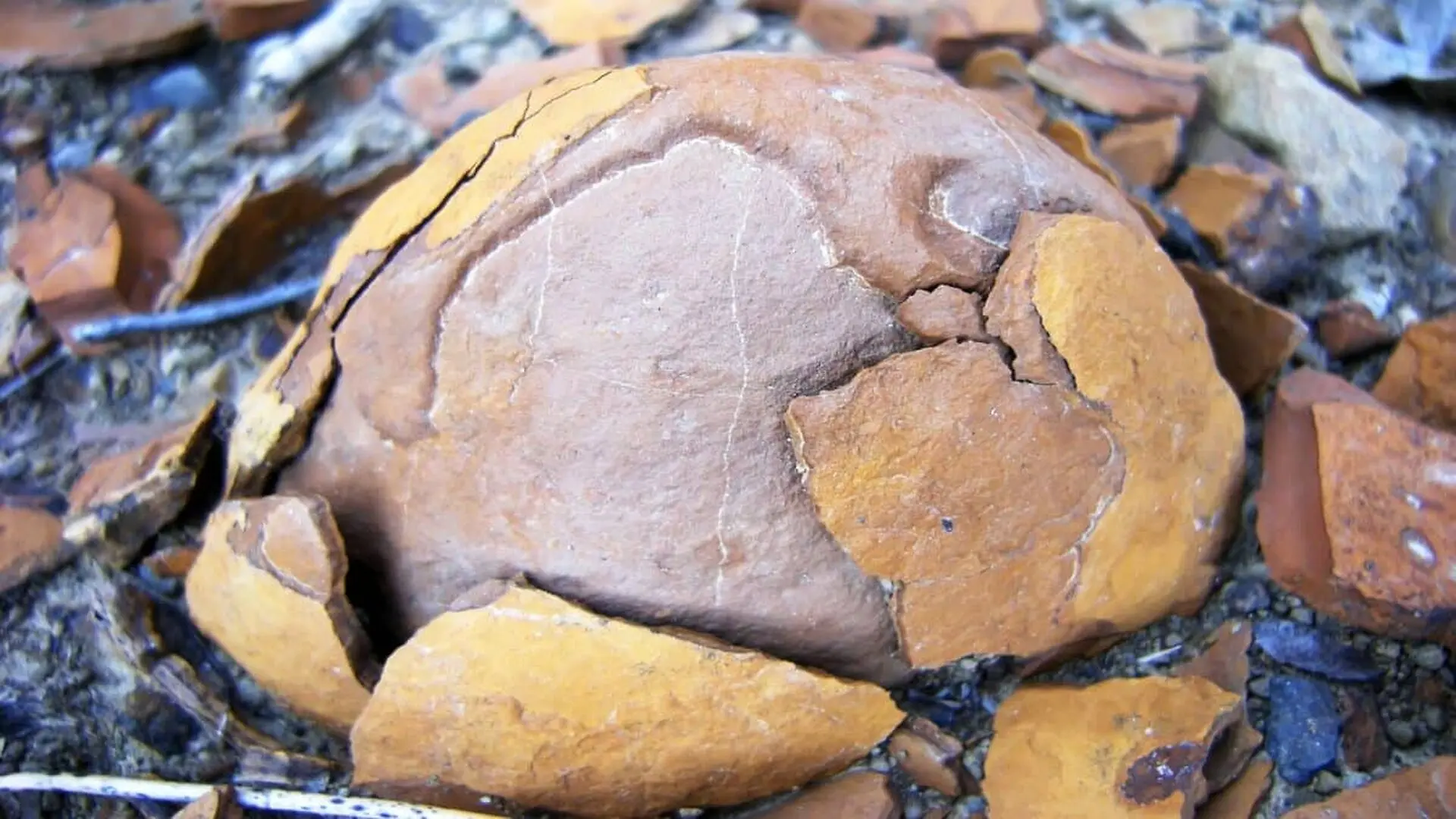
A collection of fossilized eggshell fragments recovered from Japan’s Gifu Prefecture has revealed a previously unknown species of dinosaur, providing a rare window into the smaller fauna of the Early Cretaceous period. Researchers from the University of Tsukuba suggest the find, which represents the oldest eggshell evidence ever recorded in Japan, helps bridge a significant gap in our understanding of ancient ecosystems where skeletal remains of smaller animals are notoriously difficult to find.
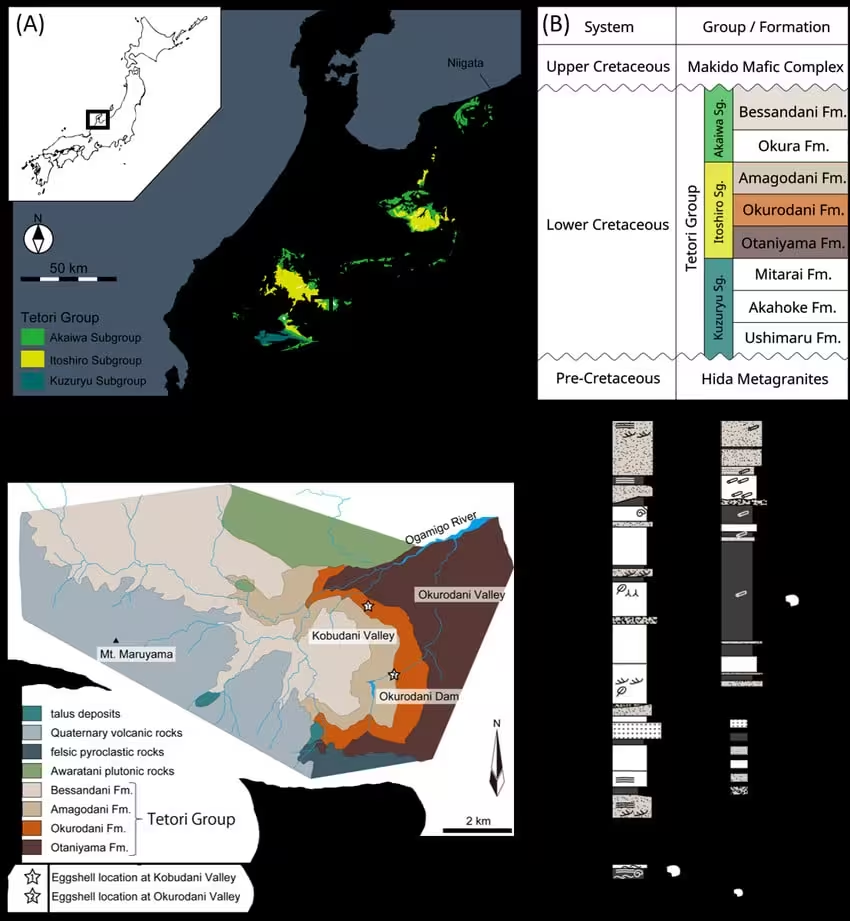
While paleontological records are often dominated by the massive skeletons of iconic dinosaurs, eggshells offer a crucial, albeit frequently overlooked, method for documenting biodiversity. The materials in question were recovered from the Okurodani Formation during extensive field research conducted between 1988 and 2009.
Decades of Fieldwork Lead to Taxonomic Breakthrough
The study, published in the journal Historical Biology, details an analysis of seven eggshell fragments and six impressions. The researchers categorized the haul into three distinct groups: two fragments were identified as belonging to the known turtle family Testudoolithidae, while two other impressions remained indeterminate. The majority of the collection, however, comprised five fragments and four impressions that did not match any known species. This material has now been classified as a new genus and species, Ramoprismatoolithus okurai.
Linking Egg Morphology to Troodontid Lineage
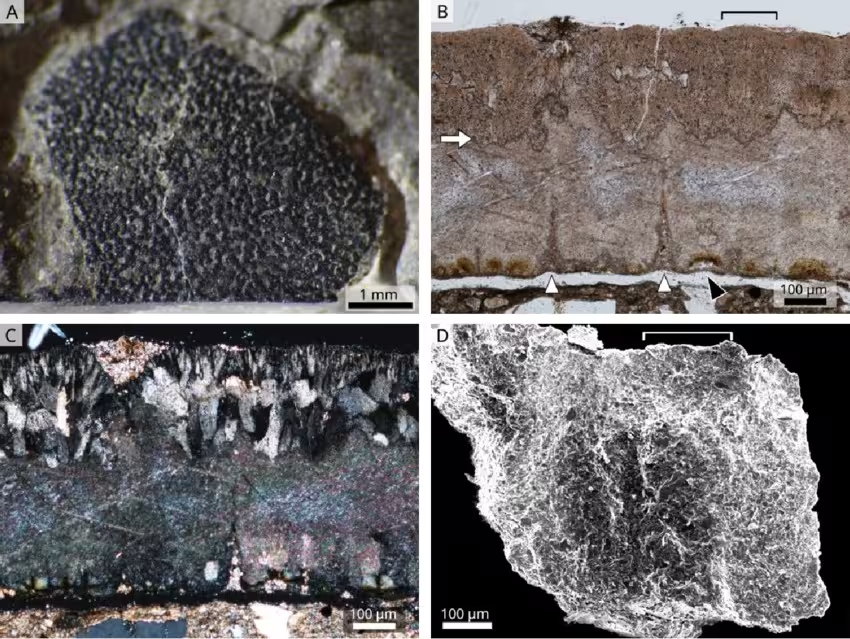
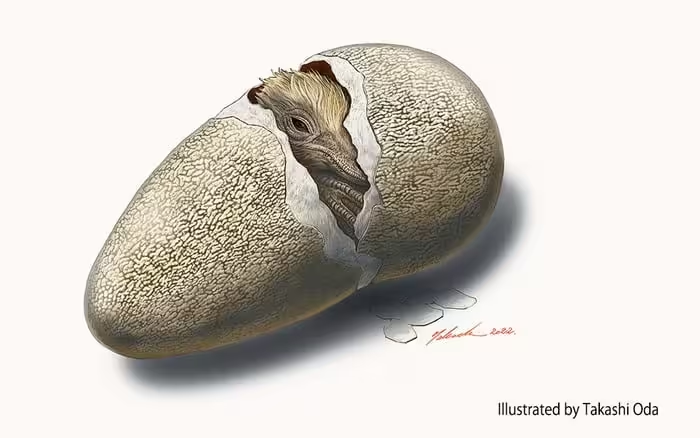
To pinpoint the origin of the eggs, the research team performed a physical analysis of the shell structure combined with phylogenetic modeling. The study suggests the eggs were laid by troodontids, a clade of small, non-avian theropod dinosaurs.
“The shell fragments of Ramoprismatoolithus are characterized by a prismatic microstructure with branching ridges on the outer surface,” explained study co-author Professor Kohei Tanaka. “Our analysis suggests an affinity with the troodontids, a group of small non-avian theropod dinosaurs.”
Although no skeletal fossils of this species have been found in the Okurodani strata, the dimensions of the eggshells allowed the team to estimate that the parent dinosaurs weighed between 12 and 17 kilograms. Lead author Rina Uematsu highlighted the significance of the find, noting that it extends the known temporal and geographic range of these small maniraptorans to the eastern margin of Asia during the middle of the Early Cretaceous.
Refining the Paleontological Record
The inclusion of turtle eggshells in the study provides additional context for the ancient habitat, reinforcing previous findings derived from skeletal evidence in the same rock layers. This discovery serves as a prime example of how even minor fragments can provide essential data, helping researchers map out complete ancient environments that would otherwise remain incomplete due to the fragility of small vertebrate remains.
This article has been fact checked for accuracy, with information verified against reputable sources. Learn more about us and our editorial process.
Last reviewed on .
Article history
- Latest version
Reference(s)
- Uematsu, Rina., et al. “Fossil eggshells from the Early Cretaceous Okurodani Formation, northern central Japan.” Historical Biology, vol. 35, no. 12, November 24, 2022, pp. 2396-2407. Informa UK Limited, doi: 10.1080/08912963.2022.2142910. <https://www.tandfonline.com/doi/full/10.1080/08912963.2022.2142910>.
- “TRIOS Researchers Information.” <https://trios.tsukuba.ac.jp/en/researcher/0000004240>.
- <https://www.tandfonline.com/author/Uematsu%2C+Rina>.
Cite this page:
- Posted by Elizabeth Taylor