Scientists Grow Stable Human Liver Progenitor Cells Through Twenty Generations Without Losing Identity
New scalable culture method overcomes decades-long hurdles in liver tissue expansion and regenerative medicine.
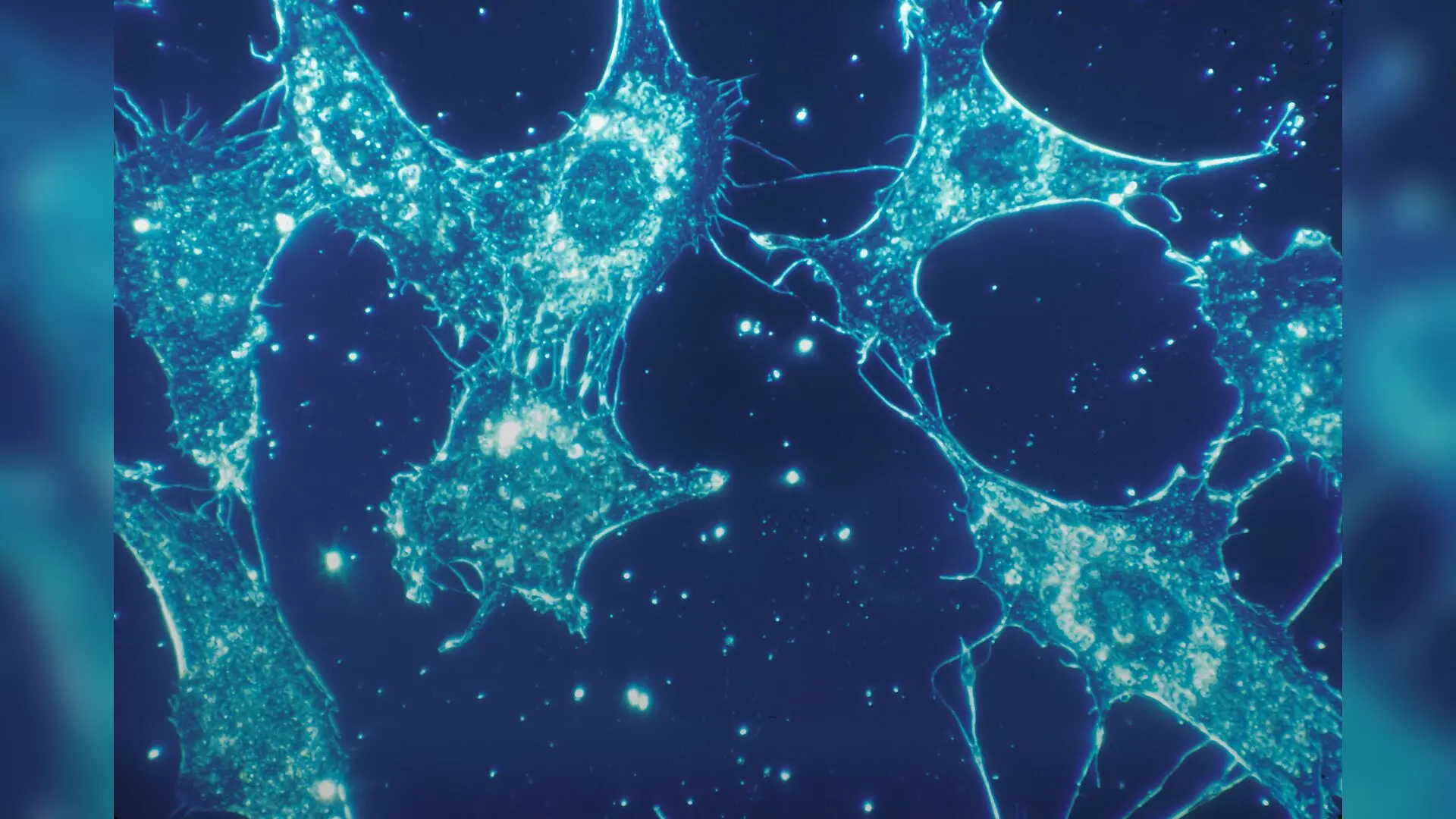
Scientists have grown laboratory liver cells through more than twenty generations without losing their core identity, overcoming a decades-long roadblock in regenerative medicine.
How Did Researchers Keep Liver Progenitors Stable Through 20 Passages?
During mammalian embryonic development, liver progenitor cells known as hepatoblasts arise as bipotent precursors capable of developing into both functional hepatocytes and bile duct cells called cholangiocytes. While these cells normally multiply rapidly inside the fetal liver, attempting to expand them outside the body has consistently triggered a destructive transformation where they lose their hepatic identity and adopt a fibroblast-like, scar-forming state. To solve this dilemma, Faguo Sun and colleagues at the Chinese Academy of Sciences designed a specialized chemical and growth factor environment that successfully redirects this stress-associated transition into sustained, identity-preserving proliferation published in Cell Proliferation.
The research team began by testing various small molecules and cytokine combinations on human embryonic stem cell-derived hepatoblasts. They discovered that standard differentiation media induced an epithelial-to-mesenchymal transition within just one or two passages, marked by the disappearance of vital liver transcription factors. By incorporating a precise cocktail containing the supplement B27, the signaling protein interleukin-6, and specific kinase inhibitors into a basal expansion medium, the investigators established a formulation that maintained high expression of key progenitor markers above ninety-five percent across more than twenty consecutive passages.
What Happens When These Expandable Progenitors Mature into Functional Liver Cells?
When allowed to differentiate following long-term expansion, these scalable hepatoblasts developed into hexagonal, mature-like hepatocytes that actively secreted human albumin and blood-clotting factors. Single-cell RNA sequencing analyses revealed that the resulting populations achieved a remarkably high purity of roughly ninety percent, outperforming conventional differentiation protocols while avoiding non-parenchymal cellular contaminants.
Further functional assays demonstrated that these lab-grown cells successfully performed complex hepatic tasks, including glycogen storage, lipid accumulation, and low-density lipoprotein uptake. Furthermore, when exposed to toxic doses of acetaminophen, the cells exhibited typical drug-induced injury responses that could be mitigated by the clinical antidote N-acetylcysteine.
Can These Lab-Grown Liver Cells Treat Severe Organ Failure in Animal Models?
To evaluate their therapeutic potential, the investigators transplanted the expanded cells into specialized mouse models suffering from acute and chronic liver damage. Animals receiving the cell therapy exhibited significantly improved survival rates, reduced circulating levels of liver injury enzymes such as aspartate aminotransferase and alanine aminotransferase, and detectable human albumin in their blood serum.
Biosafety evaluations provided equally reassuring data, as whole-genome sequencing confirmed a stable diploid karyotype without any oncogenic mutations or chromosomal abnormalities. Additionally, long-term subcutaneous transplantation trials in immunodeficient mice yielded zero teratoma formations over a six-month observation period, contrasting sharply with the unguided stem cell control groups.
What Are the Remaining Hurdles Before Human Clinical Trials Can Begin?
Despite these encouraging findings, several limitations must be addressed before translation to human medicine becomes feasible. The precise individual contributions and molecular crosstalk of every single component within the complex expansion medium require deeper dissection. Moreover, while short-term survival benefits were clear in acute injury models, long-term structural engraftment mechanisms remain complex and warrant deeper investigation using advanced lineage-tracing tools.
The research was published in Cell proliferation on November 19, 2026.
This article has been fact checked for accuracy, with information verified against reputable sources. Learn more about us and our editorial process.
Last reviewed on .
Article history
- Latest version
Reference(s)
- Sun, Faguo., et al. “A Self‐Renewing Hepatoblast State Preserves Hepatic Identity During Expansion.” Cell Proliferation, November 19, 2026 Wiley, doi: 10.1111/cpr.70305. <https://doi.org/10.1111/cpr.70305>.
Cite this page:
- Posted by Hassan Raza