Archaeologists May Have Solved the Mystery of Scattered Human Bones at Gobekli Tepe
New research on two intact graves at Göbekli Tepe finally reveals how ancient bone fragments were integrated into the site’s mysterious monumental structures.
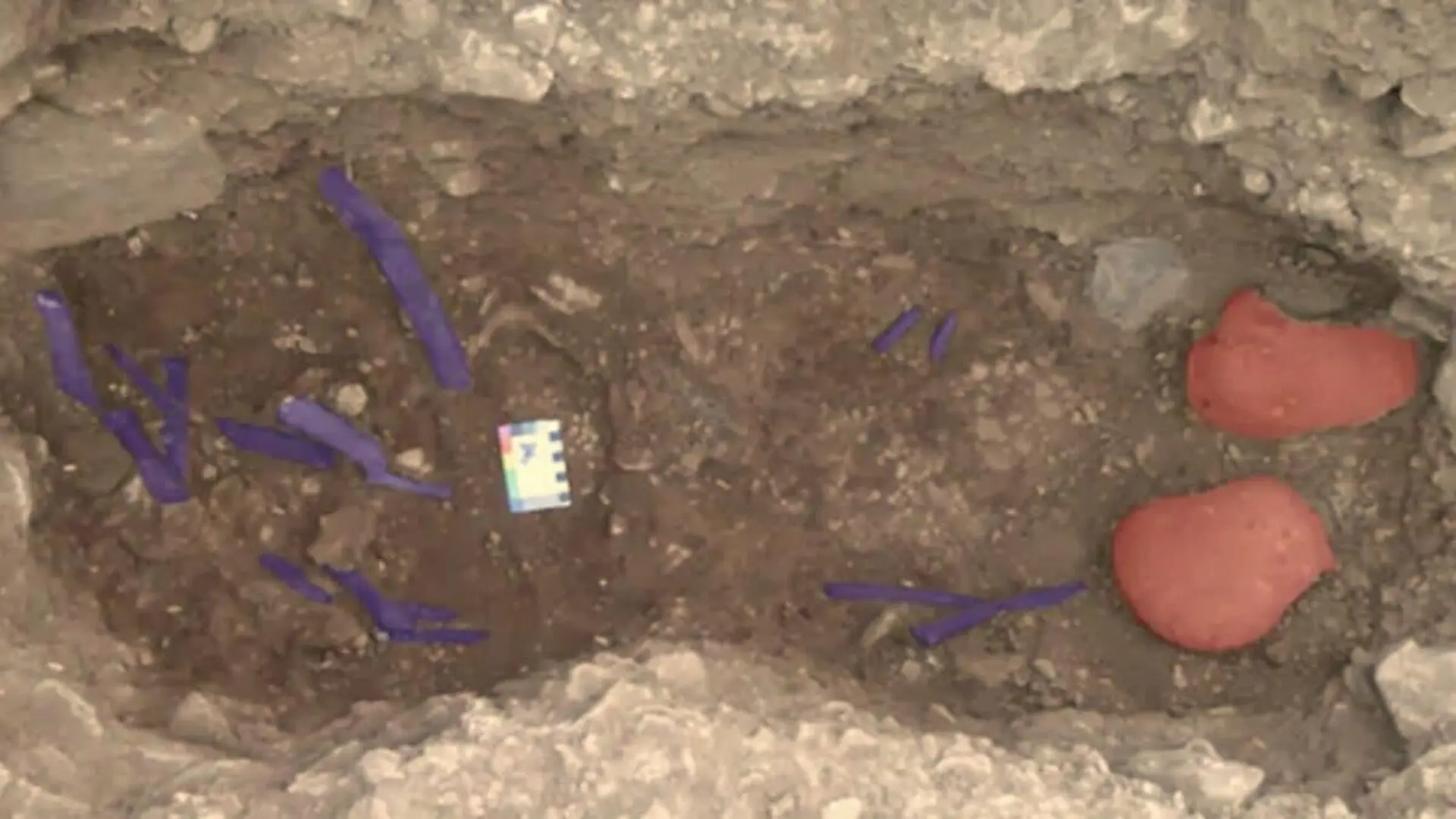
Archaeologists working at the Neolithic site of Göbekli Tepe in southeastern Türkiye have proposed a fresh explanation for the hundreds of fragmented human bones scattered throughout the ancient settlement. Rather than suggesting these remains were exclusively part of complex, intentional funerary rituals, new evidence indicates that natural erosional processes may have played a significant role in their distribution.
The findings, detailed in a study published in PLOS One by researchers Julia Gresky and Lee Clare, suggest that older graves located on higher ground were likely disrupted by slope movement, causing remains to migrate downhill into the monumental structures that have long defined the site.
Clues from Primary Burials
Since systematic excavations began at the 11,600-year-old site in 1995, archaeologists have unearthed 928 individual human bone fragments. These remains, which belong to a diverse demographic of men, women, and children, were previously difficult to interpret because they lacked a cohesive structural context. Researchers long debated whether these bones were the result of secondary burial rites or simple disturbance.
The recent discovery of two intact burials from the Pre-Pottery Neolithic B period (roughly 8,700 to 8,000 BCE) has provided a missing link. One interment, discovered in a zone designated as trench DR1, contained the remains of three individuals—an adult woman, a man, and an adolescent—buried beneath a plaster floor. A second find in trench L09-65 yielded a single young adult female laid in a flexed position.
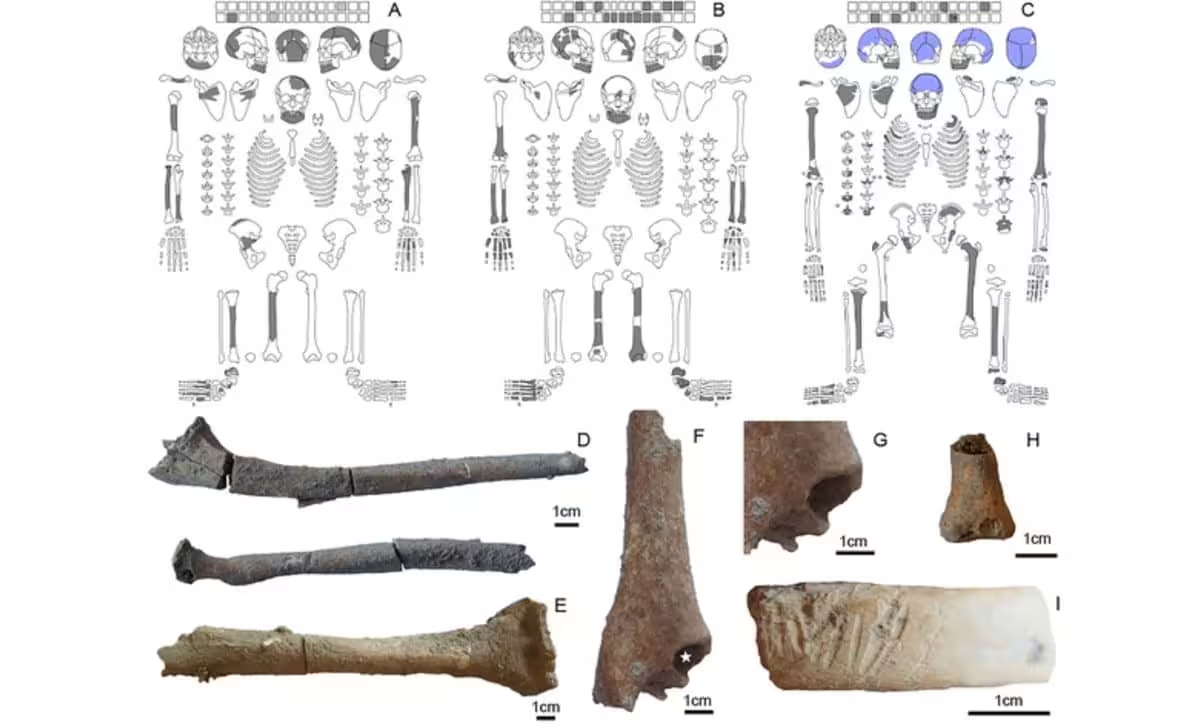
By comparing these intact skeletons to the dispersed fragments found elsewhere, the researchers noted consistent damage patterns, including calcium carbonate accumulation, fragmentation, and evidence of rodent gnawing. These similarities suggest that the scattered bones were likely damaged while in their original, undisturbed graves before the forces of erosion shifted them across the landscape.
Geological Forces and Human Landscapes
Göbekli Tepe is situated on an artificial mound that grew over roughly 1,600 years. The current research highlights that the site was not only a center for monumental architecture but also contained domestic areas where inhabitants buried their dead beneath floor surfaces, a tradition consistent with other Neolithic Anatolian communities.
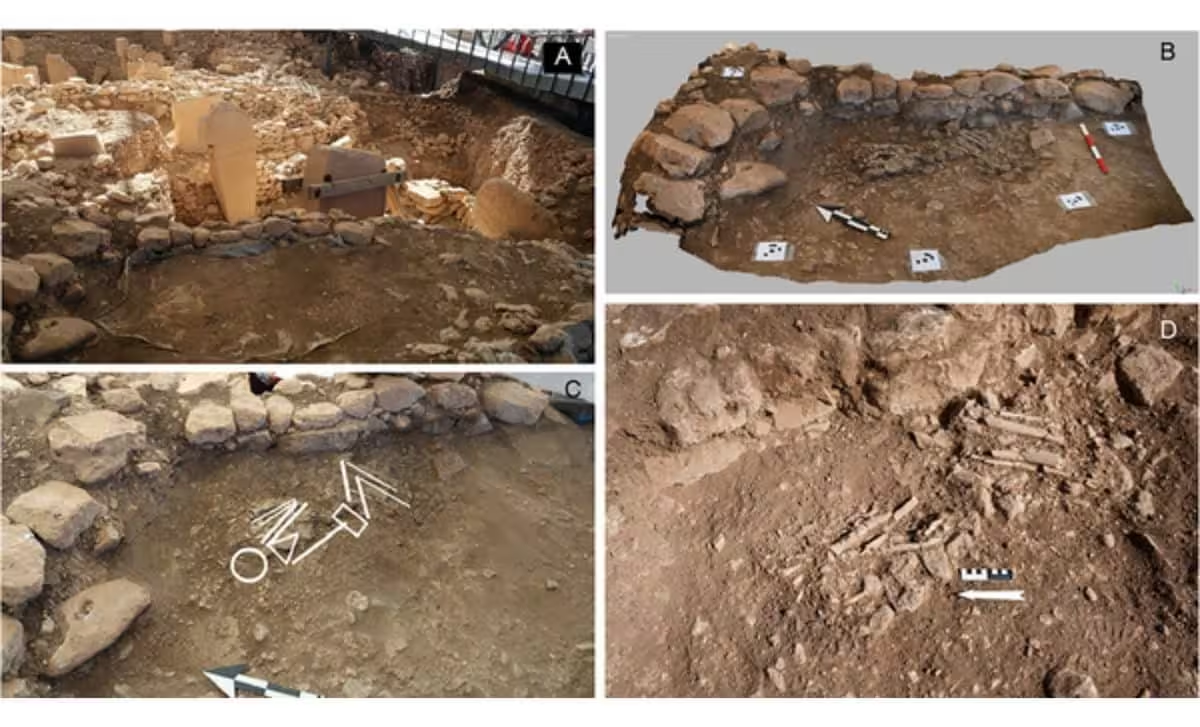
The team proposes that slope-wash and natural gravity-driven sedimentation likely transported the remains of these primary burials from elevated positions down into the lower-lying special buildings. This theory effectively accounts for the broad dispersion of bones across a 3,000-square-meter area, a pattern that differs significantly from the localized, deliberate ritual deposits seen at other regional sites like Karahantepe.
While the study provides a compelling case for the role of natural erosion in shaping the archaeological record at the site, the authors acknowledge that it does not preclude the existence of complex mortuary practices alongside these natural processes. The team maintains that future osteological analysis and precise radiocarbon dating will be essential to fully unravel the intricate, centuries-long history of funerary traditions at this pivotal Neolithic location.
This article has been fact checked for accuracy, with information verified against reputable sources. Learn more about us and our editorial process.
Last reviewed on .
Article history
- Latest version
Reference(s)
- Gresky, Julia. “First burials give insights into mortuary rites at Göbeklitepe, Early Neolithic Türkiye.”, vol. 21, no. 9, pp. e0358979, doi: 10.1371/journal.pone.0358979. <https://journals.plos.org/plosone/article?id=10.1371/journal.pone.0358979>.
Cite this page:
- Posted by Hassan Raza