Massive Genomic Study Reveals Bats Originated in Europe 65 Million Years Ago
New genetic research has resolved long-standing debates over bat evolution, providing a major update to the species’ complex family tree.
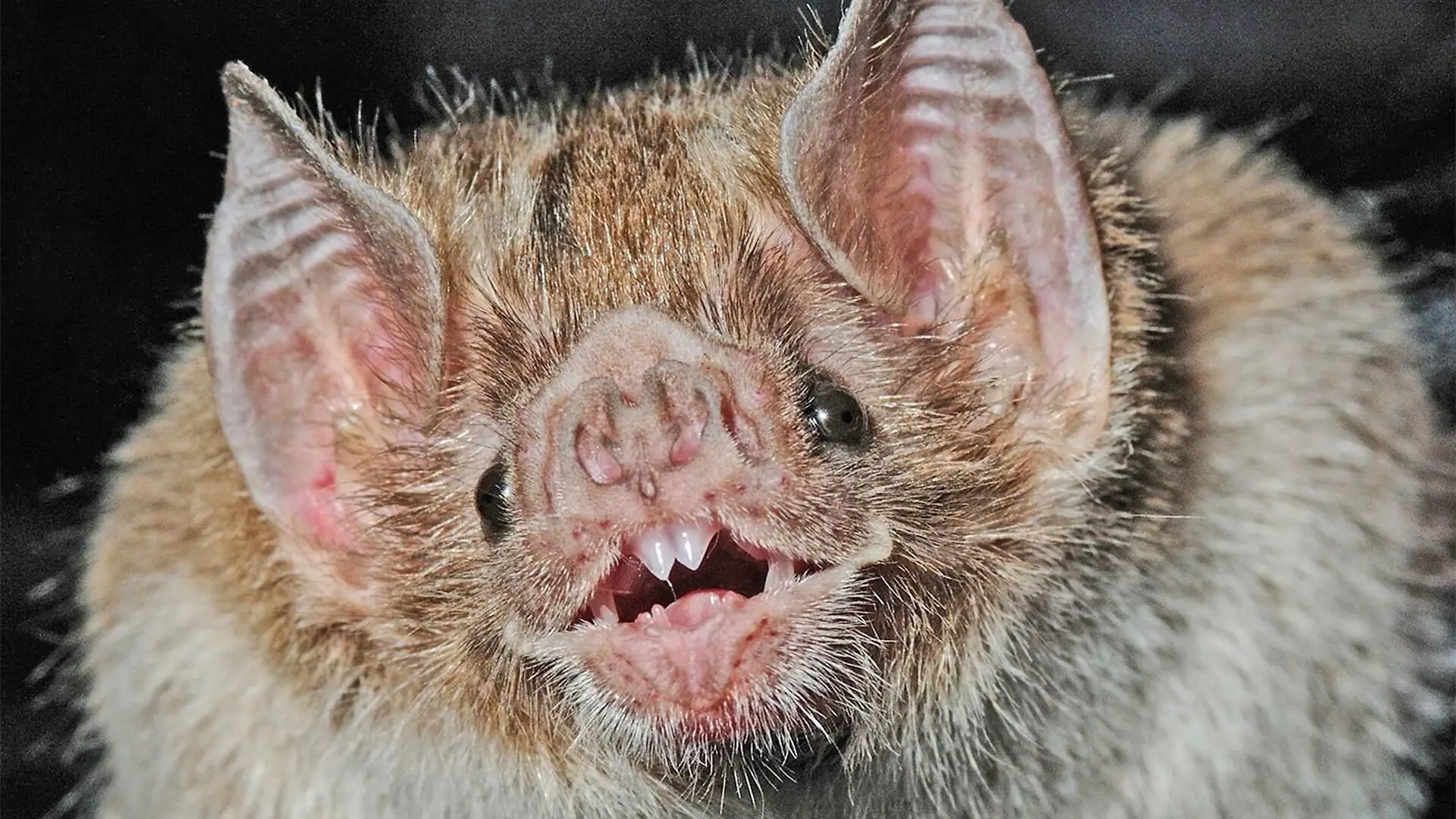
New Genomic Evidence Resets the Clock on Bat Evolution
A massive, collaborative study has fundamentally altered our understanding of bat origins, pinpointing Europe as the cradle of these unique mammals approximately 65 million years ago. Challenging long-standing theories that pointed toward Africa, Asia, or North America, the research reveals that the ancestors of modern bats first emerged in the European landscape before rapidly expanding across the globe.
Published in Nature, the findings represent a landmark achievement for the Bat1K consortium, an international team of 137 researchers from 64 countries. By synthesizing genomic data from 103 living species with morphological evidence from 44 fossils, the group successfully reconstructed the ancestral genome of the first bat. This comprehensive data set provides the most accurate “family tree” for the order Chiroptera to date.
The study highlights how bats, which represent over one-fifth of all mammalian species, utilized their unique ability for powered flight to move from Europe into Africa, subsequently establishing a hub that facilitated their spread to Asia, the Americas, and Australia. Beyond settling the question of their birthplace, the research clarifies the timeline of key biological adaptations, specifically flight and echolocation.
For decades, evolutionary biologists have debated whether flight preceded biosonar or if the two traits evolved in tandem. By placing the ancient fossil bat Vielasia within the earliest branch of the evolutionary tree, the team discovered that early bats already possessed the hardware for echolocation. According to the study, this sophisticated navigation tool emerged almost immediately following the development of flight.
“The approach we used to model the evolution of fossil and living bat species together can do what other methods cannot: identify the oldest group of fossil bats while taking the genomic data into account and uncover when and where bats originated,” said Liliana M. Dávalos, a professor in the Department of Ecology and Evolution at Stony Brook University and a lead investigator for the study.
The researchers note that these twin adaptations—powered flight and echolocation—were likely the engines of the bats’ extraordinary evolutionary success. As Dávalos explains, flight requires high-speed spatial awareness, and the early emergence of biosonar provided the necessary sensory feedback to navigate the dark, effectively setting the stage for the diversification of more than 1,500 species.
The implications of this genomic mapping extend far beyond ancestral history. By creating a robust framework of bat evolution, scientists now have a new tool to investigate the biological secrets of these animals, including their exceptional resistance to diseases and their remarkably long lifespans, with some species living up to 40 years. Researchers hope that identifying the specific genes behind these traits will eventually offer insights into human health, particularly in the fields of immunology and aging research.
The project required years of painstaking field collection, encompassing everything from the rare, tiny bumblebee bats of Southeast Asia to the unique sucker-footed bats of Madagascar. With this new genomic foundation, the Bat1K consortium plans to continue its work, aiming to decode the assembly of all living bat species to further unlock the mysteries of their resilient biology.
This article has been fact checked for accuracy, with information verified against reputable sources. Learn more about us and our editorial process.
Last reviewed on .
Article history
- Latest version
Reference(s)
- Morales, Ariadna E.., et al. “Reference genomes and fossils revise bat family phylogeny and biogeography.” Nature, September 23, 2026 Springer Science and Business Media LLC, doi: 10.1038/s41586-026-11007-3. <https://doi.org/10.1038/s41586-026-11007-3>.
Cite this page:
- Posted by Hassan Raza