Why Aiming A Nuclear Blast At An Asteroid Is More Complex Than We Thought
New simulations reveal that an asteroid’s uneven shape is critical to the success of a nuclear deflection mission. Location matters for planetary defense.
When it comes to planetary defense, the difference between a successful deflection and a missed opportunity may come down to which side of an asteroid receives the impact. New research from Sandia National Laboratories reveals that the irregular, lumpy shapes of asteroids significantly dictate how they respond to a nuclear-triggered X-ray burst, with some targeting angles proving nearly five times more effective than others.
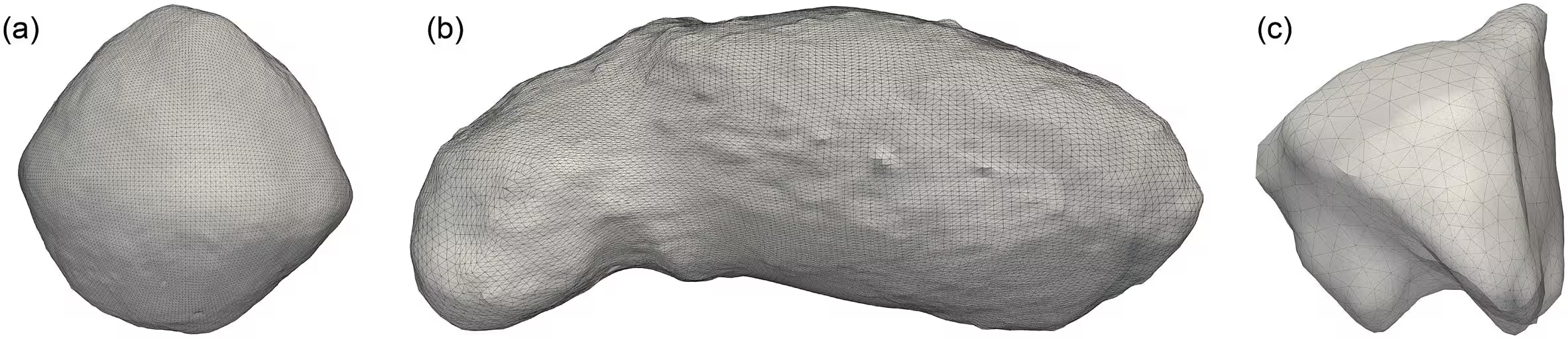
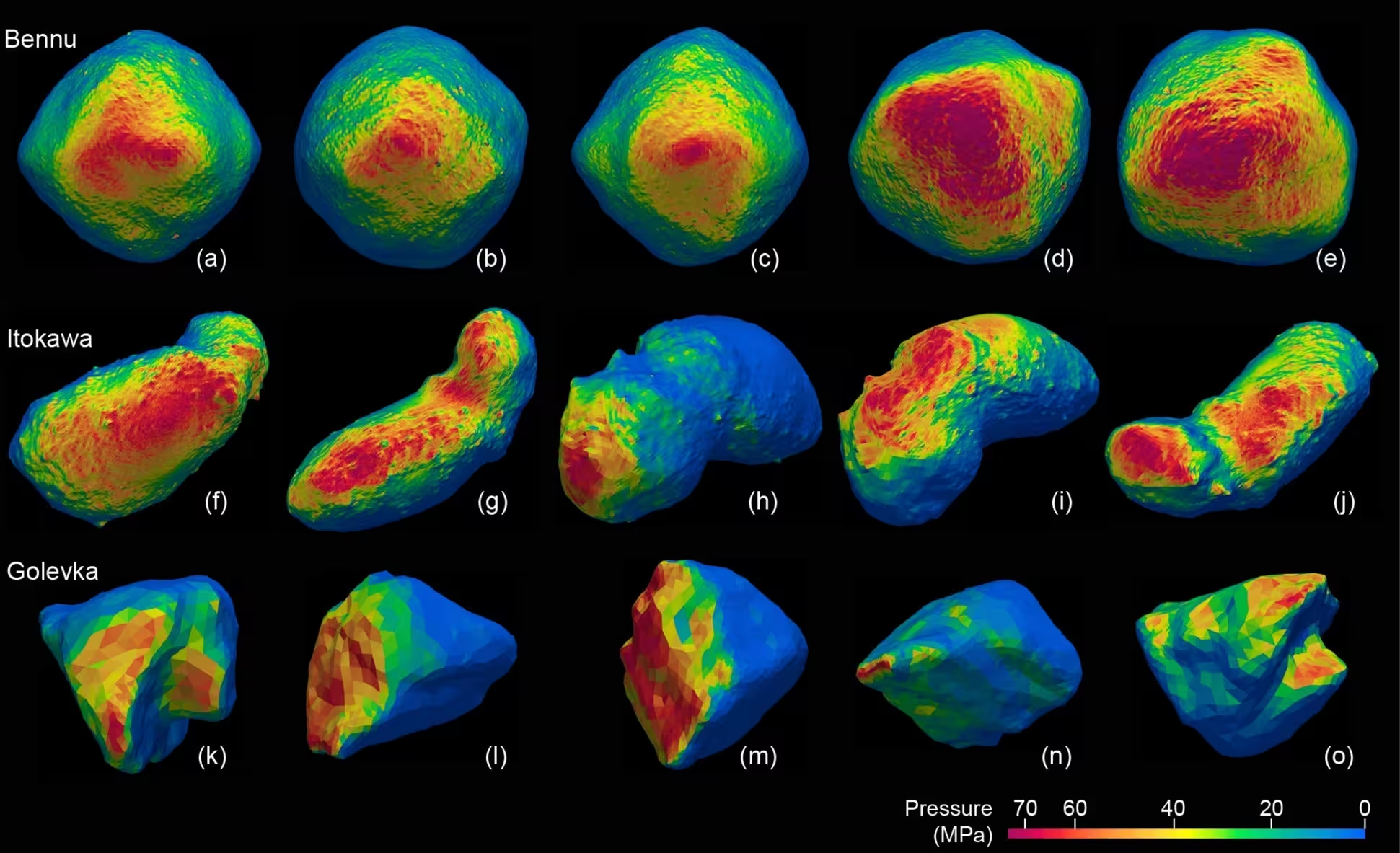
The study, published in the journal Icarus, utilizes a sophisticated new modeling approach to move beyond the oversimplified, spherical assumptions that have historically dominated asteroid defense simulations. By accounting for the chaotic surface topography of real-world space rocks, researchers can now more accurately predict how an intense pulse of radiation will vaporize surface material to create a propulsive “push.”
Targeting Precision Matters More Than Anticipated
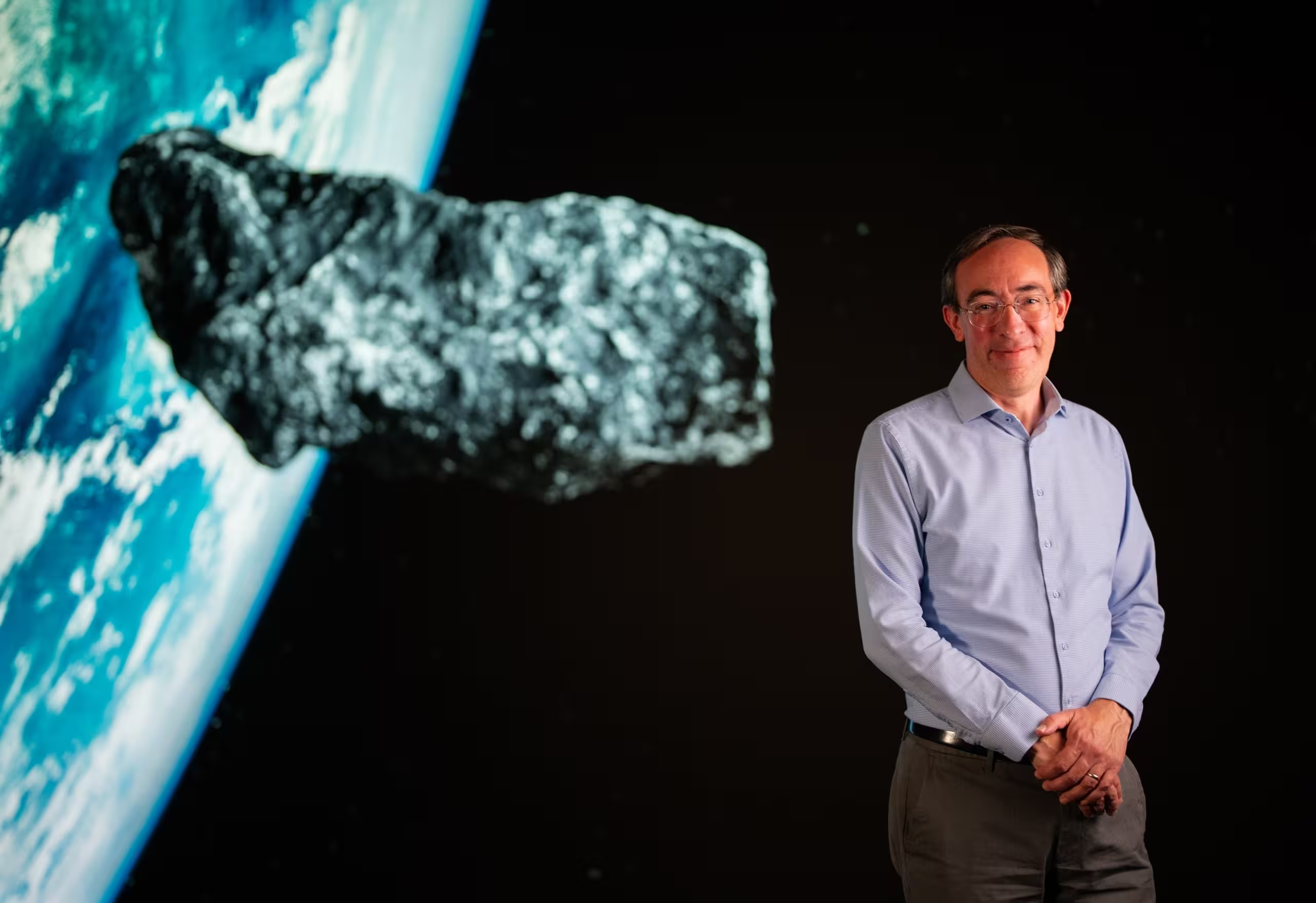
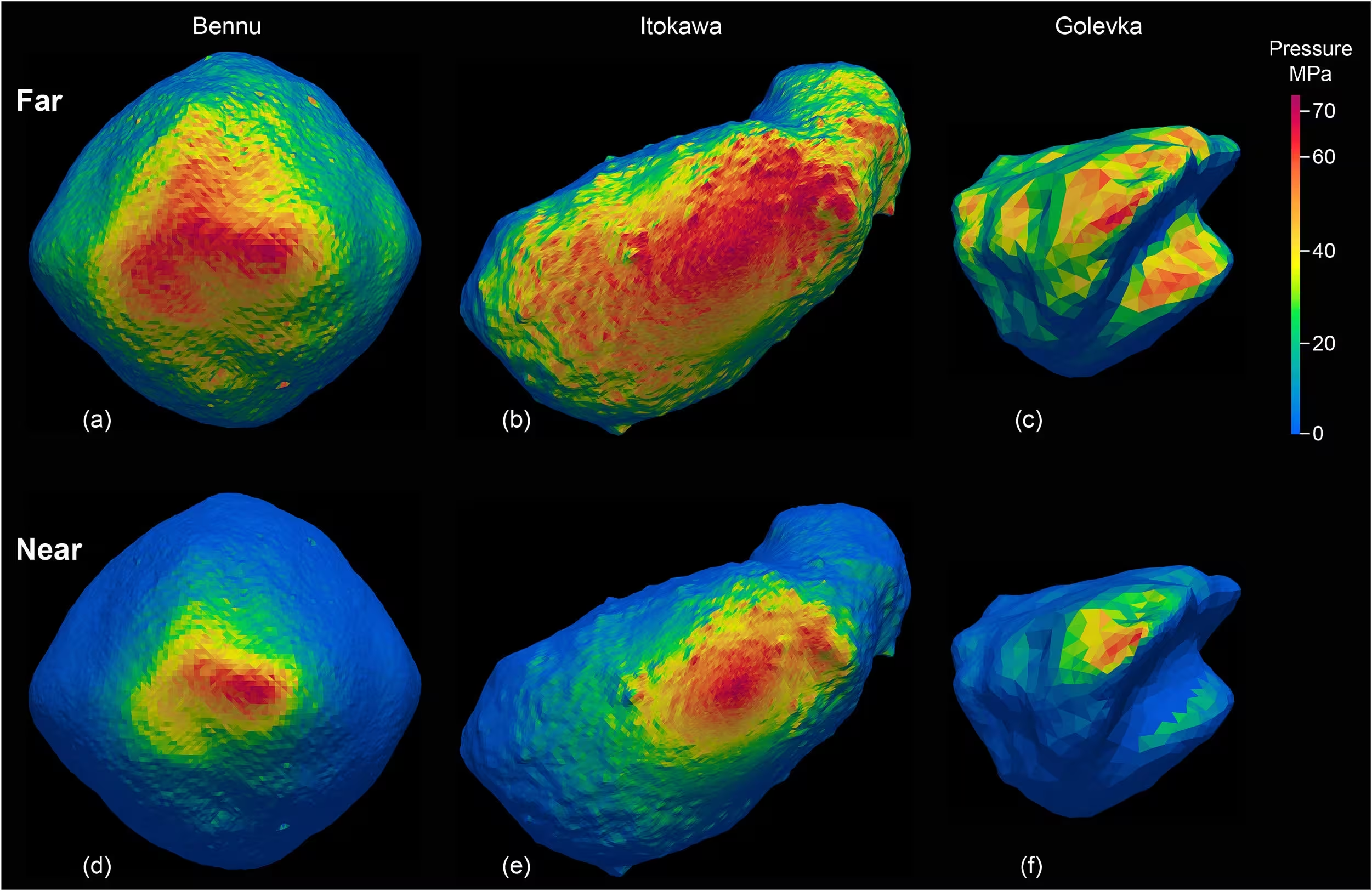
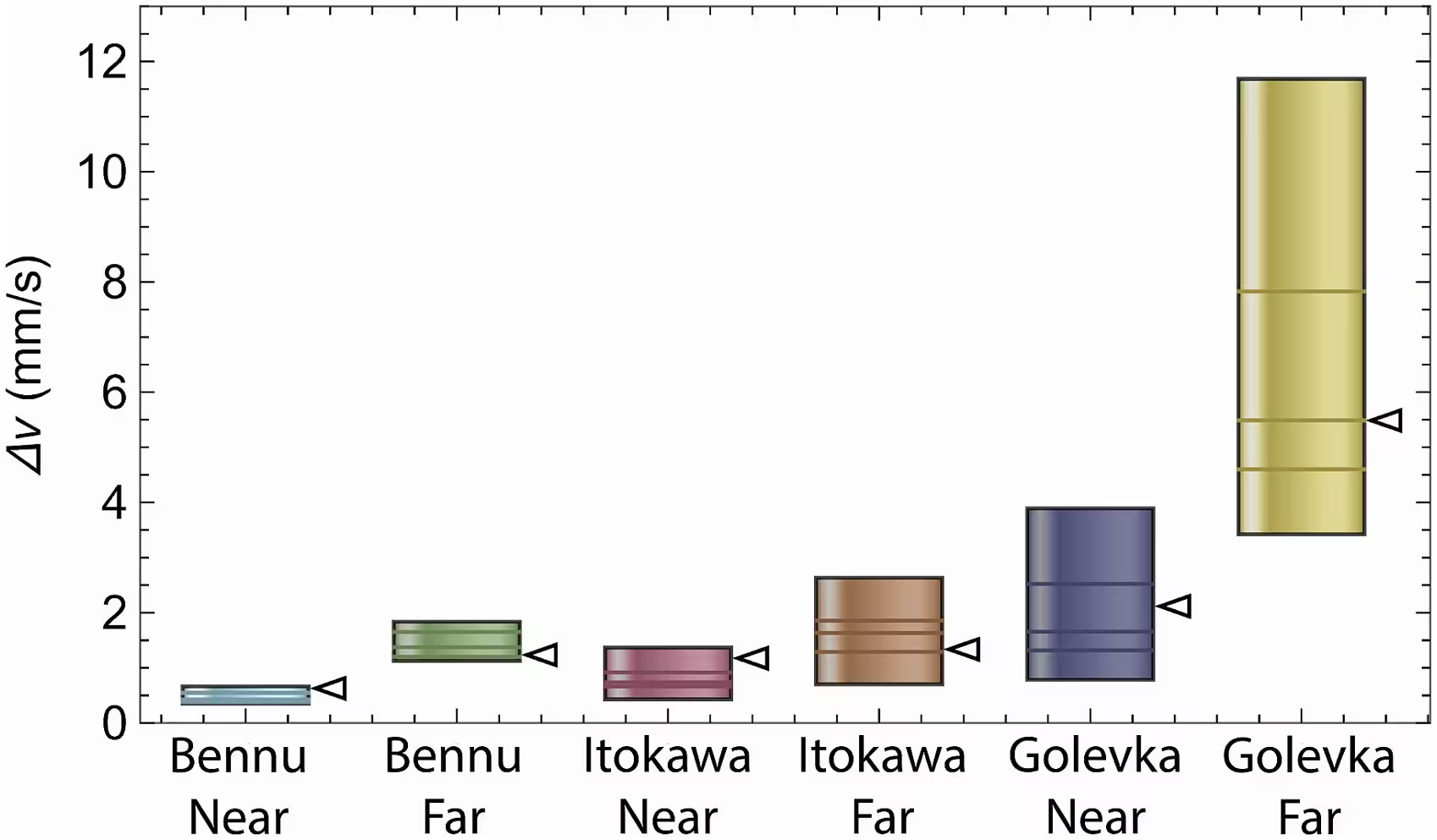
Physicist Nathan Moore and his team found that the geometry of an asteroid acts as a force multiplier. In one simulation, hitting a specific side of a target generated a velocity shift of 3.9 millimeters per second, whereas irradiating the opposite side yielded only 0.8 millimeters per second. This nearly fivefold variation highlights a critical logistical hurdle: planetary defense planners cannot treat an asteroid as a uniform target if they want to maximize the efficacy of a deflection mission.
Beyond simple displacement, the research highlights how irregular shapes influence rotation. For certain simulated objects, the rotational spin response varied by a factor of 17 depending on the orientation of the burst. Understanding this is vital, as a violent, uncontrolled spin could lead to structural consequences that aren’t yet fully mapped.
A Breakthrough in Computational Efficiency
Modeling a nuclear interaction with an asteroid requires reconciling two distinct physical regimes: the high-energy, rapid detonation phase and the complex, slow-moving escape of vaporized material. Previous attempts were hindered by the immense computing power required to process these physics against a realistic 3D mesh.
Moore’s team overcame this bottleneck by bridging two established simulation tools: ALEGRA, which is used for extreme high-energy physics experiments like those conducted at Sandia’s Z machine, and SPARTA, a code typically reserved for simulating particle behavior in the solar wind. “Our new algorithm is over 1,600 times faster, which was critical to this breakthrough,” Moore explained. This speed allows researchers to run multiple scenarios—varying distance, power, and angle—against high-resolution 3D models derived from spacecraft flybys.
Remaining Challenges in Whole-Body Integrity
While this modeling represents a leap forward, it currently focuses on surface-level dynamics, such as vaporization and localized rock fragmentation. A persistent, unanswered question is whether a specific detonation might cause the entire asteroid to shatter. If a target breaks apart, the resulting debris field could create a more complicated threat for Earth than the original object.
“Right now, our computer model only considers breakup of rocks on the surface. We can’t predict breakup of the entire asteroid body accurately yet,” Moore acknowledged. Bridging this gap remains a primary focus for future iterations of the software.
The ultimate goal is to provide a predictive framework that can inform real-time decision-making in the event of an impending impact. However, this relies heavily on having high-quality, pre-mission data regarding the asteroid’s shape and composition. In a planetary defense emergency, time may be the scarcest resource, making the ability to rapidly simulate optimal targeting strategies both a scientific necessity and a strategic imperative.
For Further Reading
- NASA’s DART Mission Changed Orbit of Asteroid Didymos Around Sun (NASA/JPL)
- Planetary defence mission Hera heading for deflected asteroid (ESA)
- Simulation of asteroid deflection with a megajoule-class X-ray pulse (Nature Physics)
This article has been fact checked for accuracy, with information verified against reputable sources. Learn more about us and our editorial process.
Last reviewed on .
Article history
- Latest version
Reference(s)
- Moore, Nathan W.., et al. “Efficient computation of vapor ejecta over asteroid geometries during pulsed energy deflection.” Icarus, October 1, 2026, pp. 117364 Elsevier BV, doi: 10.1016/j.icarus.2026.117364. <https://www.sciencedirect.com/science/article/pii/S0019103526004306>.
- Laboratory, Jet. “NASA’s DART Mission Changed Orbit of Asteroid Didymos Around Sun | NASA Jet Propulsion Laboratory (JPL).” <https://www.jpl.nasa.gov/news/nasas-dart-mission-changed-orbit-of-asteroid-didymos-around-sun/>.
- “N° 57-2024: Planetary defence mission Hera heading for deflected asteroid.” ESA: TBD <https://www.esa.int/Newsroom/Press_Releases/Planetary_defence_mission_Hera_heading_for_deflected_asteroid>.
- “S41567 024 02633.” <https://www.nature.com/articles/s41567-024-02633-7>.
Cite this page:
- Posted by Aisha Ahmed