New Microsoft AI Outperforms Doctors at Diagnosing Complex Diseases While Slashing Costs
Microsoft’s new MAI-DxO system outperforms doctors in diagnosing diseases while significantly reducing testing costs, marking a major leap for medical AI.
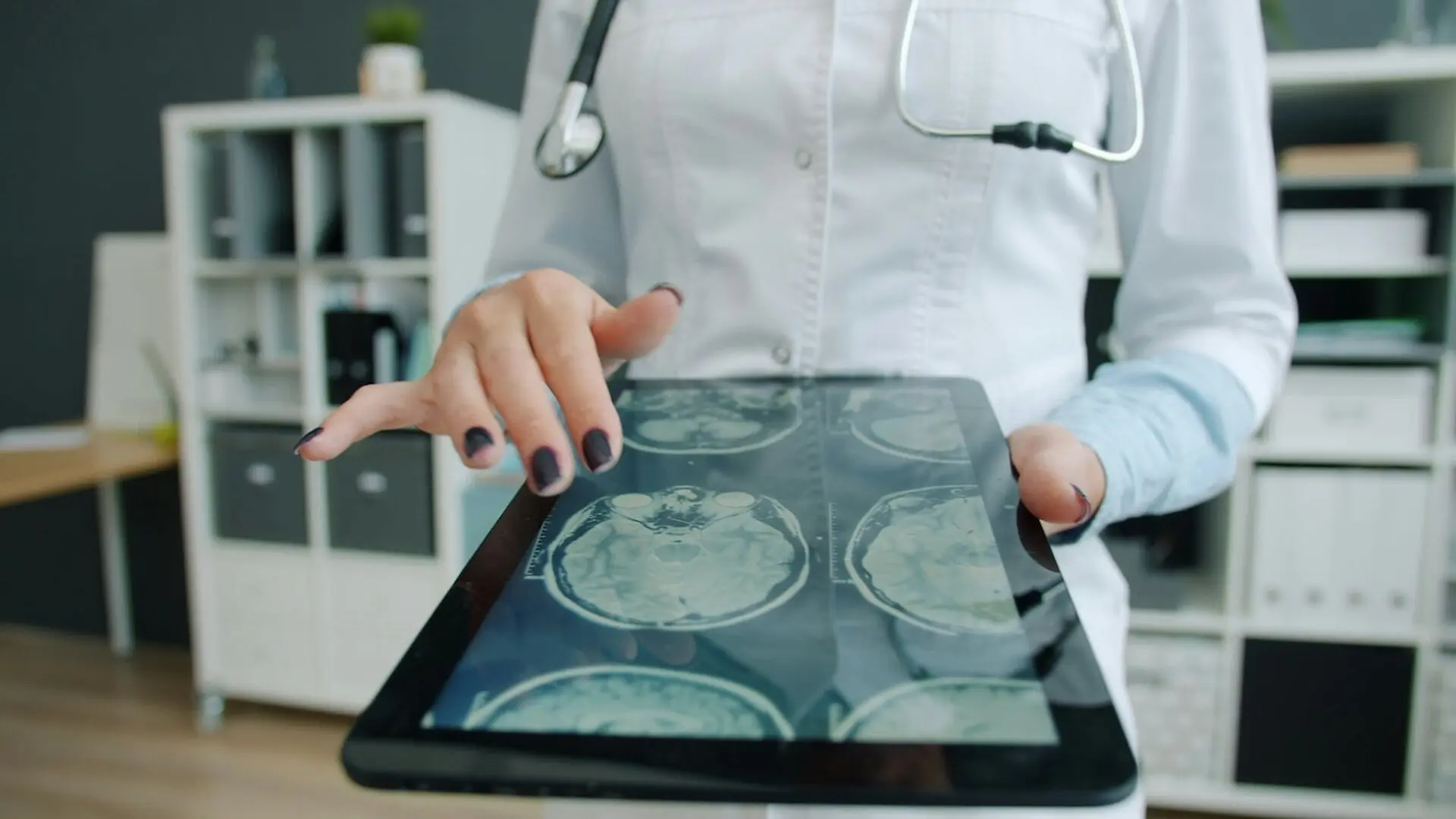
Medical diagnostics often function like a high-stakes puzzle, where clinicians must synthesize fragmented information into a coherent picture. While human expertise remains the gold standard, the iterative process of testing and hypothesis testing can be slow, costly, and prone to error. A new study published in Science suggests that artificial intelligence could transform this landscape by acting as a high-precision diagnostic engine.
Researchers at Microsoft have introduced MAI-DxO, a diagnostic system designed to emulate a collaborative medical team. Unlike previous AI tools that rely on static datasets to identify patterns in images or records, MAI-DxO navigates the active, evolving process of clinical decision-making. By simulating the internal debate of a specialist panel, the system balances diagnostic accuracy against the financial burden of medical testing.
Beyond Static Benchmarking
Most current medical AI tools excel at evaluating fixed inputs, such as flagging anomalies on a mammogram or screening for dermatological cancers. However, these benchmarks fail to capture the reality of clinical practice, where information is gathered sequentially. To address this, the Microsoft team developed a dynamic simulation using 304 complex cases from the New England Journal of Medicine and hundreds of emergency room encounters sourced from the MIMIC-IV-ED database.
The system is powered by an orchestration framework that coordinates specialized AI “agents.” One agent generates potential diagnoses, another proposes necessary tests, and a third accounts for costs. A head “orchestrator” then reviews the incoming data, weighing the value of each test against the patient’s clinical trajectory. This iterative approach allows the system to pivot as new results emerge, much like an experienced clinician refining a differential diagnosis.
Superior Precision and Efficiency
The results of the simulation were striking. When challenged with complex clinical mysteries, MAI-DxO achieved an accuracy rate of 83 percent, significantly outpacing human physicians, who demonstrated 22 percent accuracy with their own knowledge—a figure that saw only marginal improvement when clinicians were provided access to the internet and medical textbooks. In typical emergency room scenarios, the AI reached a correct diagnosis 80 percent of the time, compared to 47 percent for the doctors in the study.
Beyond accuracy, the system demonstrated a unique capacity for fiscal responsibility. In the NEJM cases, MAI-DxO maintained nearly 80 percent diagnostic accuracy while incurring costs of approximately $1,300 per case, based on 2023 hospital pricing data. In contrast, the physicians evaluated in the study averaged over $4,700 in test costs for the same scenarios.
Study author Harsha Nori emphasized that this performance was consistent across various configurations, with the system showing notable improvement as it was upgraded to more advanced underlying models. “If you run it in this configuration, the AI systems get to the right diagnosis far more often and at far less cost than out-of-the-box runs,” Nori noted.
The Path to Clinical Integration
While the performance metrics are promising, researchers acknowledge that simulations are not a replacement for the complexities of a hospital environment. Real-world medical care involves navigating incomplete patient histories, technical hurdles in imaging, and the unpredictable nature of patient consent and personal preferences. Furthermore, the system has yet to be stress-tested against the nuances of chronic, multi-systemic, or rapidly evolving diseases.
To bridge the gap between simulation and the bedside, the researchers have initiated a collaboration with Beth Israel Deaconess Medical Center in Boston. The goal is to evaluate how MAI-DxO performs within the high-pressure, fast-paced reality of clinical workflows. This phase will prioritize the human-AI partnership, focusing on how such tools can support physicians rather than replace them.
“My hope is that these advances will help bring timely and effective care to more people, and that’s what makes this progress so exciting to me,” said study author Eric Horvitz. As the research continues, the focus will remain on ensuring that AI-assisted diagnostics can navigate not only the symptoms of a disease but also the broader goals and values of the patients being treated.
This article has been fact checked for accuracy, with information verified against reputable sources. Learn more about us and our editorial process.
Last reviewed on .
Article history
- Latest version
Reference(s)
- Nori, Harsha., et al. “Sequential diagnosis with language models.” Science, vol. 394, no. 6822, October 22, 2026, pp. 423-428. American Association for the Advancement of Science (AAAS), doi: 10.1126/science.aeh7930. <https://www.science.org/doi/10.1126/science.aeh7930>.
- Johnson, Alistair. “MIMIC-IV-ED.”, January 5, 2023, doi: https://doi.org/10.13026/5ntk-km72. <https://physionet.org/content/mimic-iv-ed/2.2/>.
- “45 CFR Part 180 -- Hospital Price Transparency.”, January 1, 2024 <https://www.ecfr.gov/current/title-45/subtitle-A/subchapter-E/part-180>.
Cite this page:
- Posted by David Anderson