NASA’s Artemis II Mission Unlocks New Insights Into Lunar Science And Human Health
Artemis II astronauts gathered groundbreaking lunar data and insights on human space adaptation to advance future Moon missions.
The Artemis II flight has opened a new chapter in lunar science and deep‑space human exploration. On 6 April, the Orion crew spent close to seven hours scanning the Moon’s surface from a tight flyby, following a minute‑by‑minute schedule crafted by the mission’s lunar science team. The operation yielded a trove of high‑resolution imagery and critical performance data that will inform the design of future habitats and long‑duration missions on the Moon.
Medical Follow‑up and Post‑flight Performance Testing
After a safe splashdown in the Pacific on 10 April, astronauts Reid Wiseman, Victor Glover, Christina Koch and Jeremy Hansen began a series of examinations aimed at mapping the physiological effects of space travel. Within a few hours, clinicians recorded vital signs, ocular health metrics and motor‑skill assessments, then challenged the crew with a compact obstacle course to gauge how quickly they could recover functional mobility for surface operations.
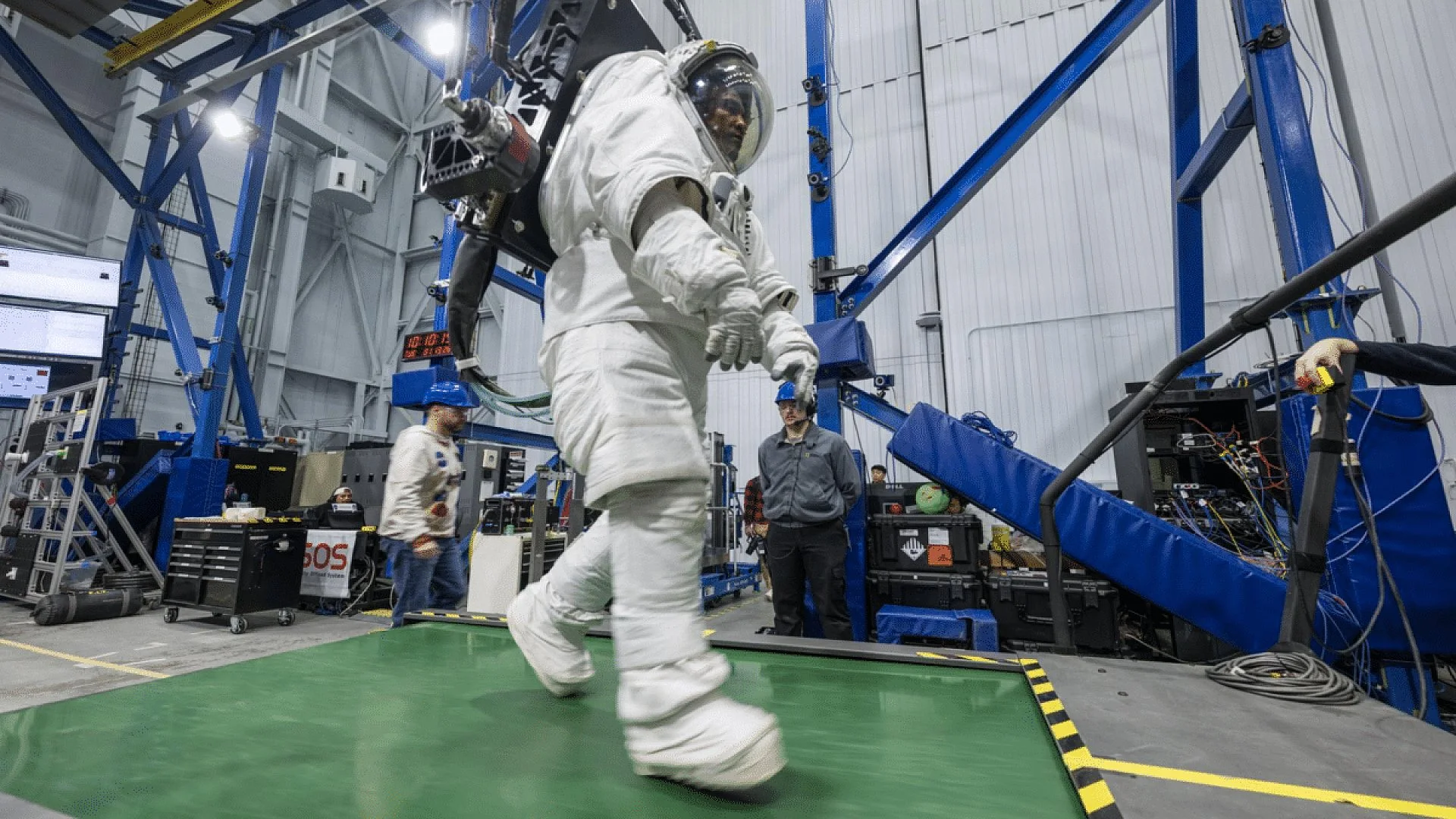
Back at NASA’s Johnson Space Center, the team continued a battery of experiments that simulate one‑sixth Earth gravity. Wearing off‑loaded spacesuits, the astronauts tackled terrain‑navigation tasks to model lunar locomotion, while cognitive and dexterity tests—including simulated spacecraft docking maneuvers—were administered under the ARCHeR (Artemis Research for Crew Health & Readiness) program. Data from wearable wrist sensors collected during the mission are now being integrated with these ground‑based results to build a comprehensive picture of crew performance in deep space.
According to NASA’s recent update, medical staff also harvested blood and saliva to examine immune system dynamics and potential viral reactivation in microgravity. Although the primary sampling window closed 45 days after splashdown, the agency plans long‑term health monitoring to establish baselines for upcoming Moon and Mars expeditions.
Organ‑Chip Experiments Reveal Cellular Responses to Spaceflight
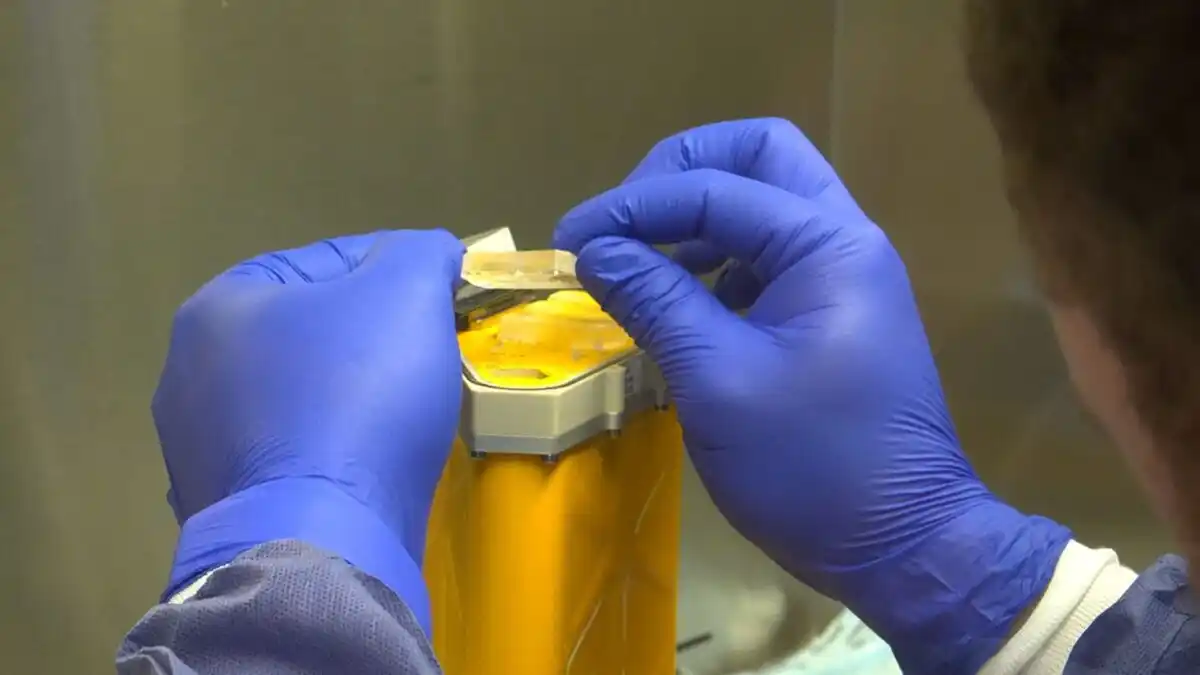
The AVATAR (A Virtual Astronaut Tissue Analog Response) project sent organ‑chip modules containing bone‑marrow cells from each Artemis II astronaut around the Moon. The chips now reside in a Boston laboratory, where researchers are applying single‑cell RNA sequencing to compare space‑exposed samples with Earth‑based controls and with the astronauts’ blood profiles. The study, which links to related lunar research, seeks to pinpoint how radiation and reduced gravity alter human tissue at the molecular level.
Credit: NASA
Preliminary results suggest that these organ‑chip platforms could evolve into personalized health kits, enabling mission planners to forecast individual astronaut responses before launch. Findings will be presented at upcoming scientific meetings while a full data set remains under analysis, laying groundwork for precision medicine in space.
Moon‑Imaging Campaign Generates Public Data Archive
During the 6 April flyby, the crew executed a systematic survey of lunar topography for almost seven hours, following a tightly coordinated observation schedule. Scientists are now sifting through thousands of photographs, extensive video footage and more than a hundred audio clips to produce the first set of interpretations later this year. The analysis will address phenomena such as impact flashes, color variations and the morphology of lunar faults and ridges, informing the design of subsequent Artemis missions.
NASA intends to deposit roughly 11 500 images and videos, together with full audio transcripts, into the Planetary Data System. To maximize long‑term accessibility, the files are being reformatted into searchable, standardized packages that educators, researchers and the public can explore for decades to come, offering an unprecedented level of openness in lunar science.
This article has been fact checked for accuracy, with information verified against reputable sources. Learn more about us and our editorial process.
Last reviewed on .
Article history
- Latest version
Reference(s)
- Wasser, Molly. “NASA’s Artemis II Moon Mission Research Continues on Earth - NASA Science.”, June 5, 2026 NASA <https://science.nasa.gov/uncategorized/nasas-artemis-ii-moon-mission-research-continues-on-earth/>.
Cite this page:
- Posted by David Anderson