When It’s Cold Outside, Veterinarians Say This Is Where Dogs Should Sleep
Découvrez les signes silencieux révélant si votre chien a froid la nuit et le risque lié à cette erreur de couchage selon les vétérinaires

When the mercury drops, a dog’s resting place becomes a health concern. Low temperatures can trigger hypothermia, frostbite, dry skin, irritated pads and aggravated joint pain, especially in puppies, older dogs, short‑haired breeds and animals with pre‑existing conditions.
Veterinarians advise that dogs spend the night inside a warm, dry area free of drafts. This does not mean sharing a human mattress, but rather providing a sheltered indoor spot that conserves body heat while still allowing daytime outings for exercise and mental stimulation. The dog winter safety tips from VCA Animal Hospitals echo this balanced recommendation.
Warning Signs That Your Dog Is Getting Too Cold
Shivering is the most obvious indicator, but a chilled canine may also show reduced activity, slower movements, deeper breathing or an unusually long nap as the body conserves energy.
Older dogs or those suffering from arthritis can develop stiffness that might be mistaken for a purely orthopedic issue, when cold and humidity exacerbate discomfort.
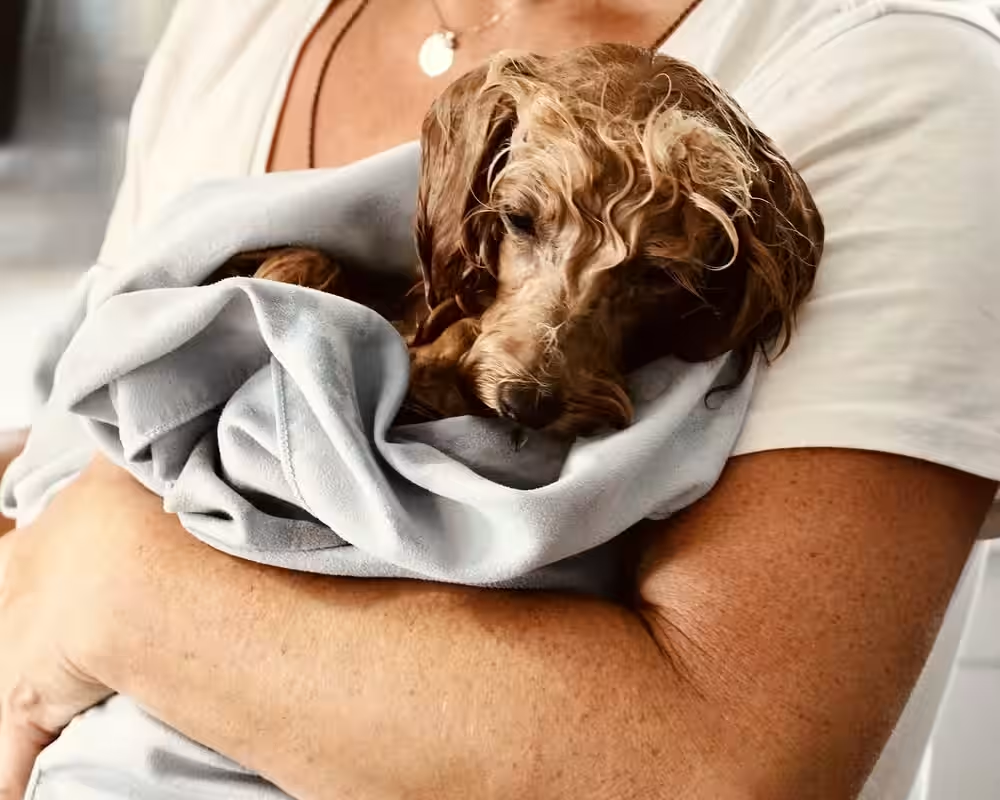
Skin may also reveal cold stress. Dogs with very short coats or minimal hair can develop noticeable dry skin because they lack natural protection against chilled air and wind. Breeds such as Chihuahuas, Boxers and Pugs are particularly prone.
Designing a Heat‑Retaining Indoor Rest Area
Moving a dog indoors is just the first measure; the sleeping spot itself must shield against heat loss.
Place the bed away from doors, windows, hallways or any gaps that let cold drafts circulate. Even a slight breeze can sap warmth throughout the night.
The surface matters. A thin blanket on a chilly floor offers little insulation. Opt for a thick, cushioned or raised dog bed so heat isn’t drawn into the ground. Adding blankets creates a cozy layer for the dog to burrow into. VCA Animal Hospitals stress that warm bedding, kept off the floor and away from drafts, is essential for winter comfort.
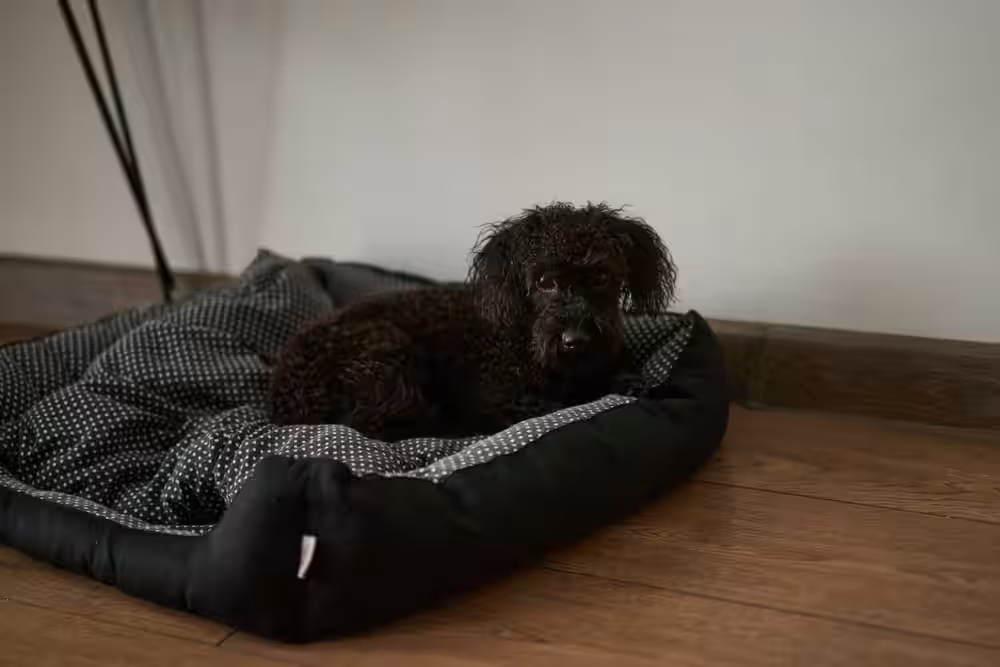
For short‑haired or small breeds, as well as senior dogs or especially frigid evenings, a sweater can help retain body heat. The aim is to keep the dog warm without causing overheating, while shielding it from cold air and chilly floors.
Managing Outdoor Activities in Winter
Night‑time indoor shelter does not mean a dog should stay cooped up all season. Regular walks and outdoor play remain important, but exposure must be controlled.
Adjust stroll length based on the dog’s size, coat type, age, health status and actual weather conditions. Wind, rain, snow and humidity can make a modest temperature feel far colder.
After any outing in damp or slushy conditions, dry the dog thoroughly. Moisture in the fur accelerates heat loss and can irritate the skin. Pay particular attention to paws, footpads, legs and belly where water and ice tend to collect.
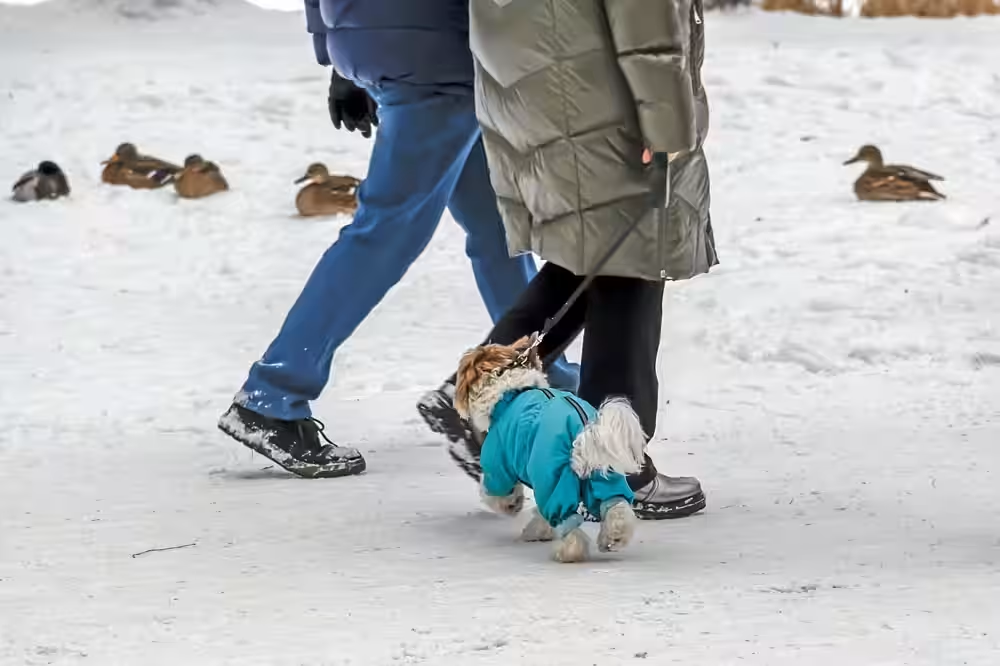
Winter terrain can be harsh on pads. Ice, snow, road salt and de‑icing chemicals may cause irritation or injury. For freezing conditions, booties or paw wax provide protection. After each walk, wipe the paws clean before the dog licks them.
Bathing too often in winter can strip natural oils, leading to dry skin. Unless a medical issue requires it, avoid frequent full baths and postpone drastic haircuts, as the coat serves as essential insulation.
Additional Care for Vulnerable Dogs
Puppies, senior dogs, recovering patients and those with chronic ailments need extra vigilance because they struggle more with temperature regulation.
Joint‑afflicted dogs are especially sensitive; cold and moisture can intensify pain, making a warm indoor sleeping space a preventative measure rather than a luxury.
Active canines that spend extended periods outdoors may burn additional calories to stay warm. Owners should discuss possible dietary adjustments with their veterinarian.
Hydration remains critical. Outdoor water dishes can freeze quickly, so fresh, unfrozen water must be available at all times.
Temperature guidelines help owners decide when to add precautions. Below 32 °F (0 °C) extra measures become advisable; at 20 °F (‑6 °C) or lower, even brief walks can be hazardous, particularly with wind chill.
Never leave a dog unattended in a parked vehicle during cold months; a car can become as frigid as a refrigerator and lead to hypothermia.
Frostbite is another serious concern. It may appear as pale, bluish, blistered or painful skin, often on ears, tail or toes. If suspected, seek veterinary care immediately and avoid rubbing the area to generate heat.
Indoor hazards rise in winter as well. Space heaters and fireplaces can cause burns, so keep beds at a safe distance and consider safety gates to block access to open flames or hot surfaces.
Antifreeze poses a lethal threat. Its sweet taste can attract pets, yet even a small ingestion can cause severe kidney damage. VCA Animal Hospitals advise storing antifreeze in tightly sealed containers out of reach and cleaning up any spills promptly.
This article has been fact checked for accuracy, with information verified against reputable sources. Learn more about us and our editorial process.
Last reviewed on .
Article history
- Latest version
Reference(s)
- “Dog Winter Safety Tips.” Vca <https://vcahospitals.com/resources/lifestyle-dog/hazards-safety/winter-safety-tips>.
Cite this page:
- Posted by David Anderson