Your Nose Is Secretly Detecting Emotions and Political Beliefs You Are Not Even Aware Of
Beyond mere scent, the human nose detects subtle chemical cues that silently shape our emotions, social interactions, and complex relationships.

While we typically rely on our sense of smell to identify food or alert us to hazards, emerging research suggests the human nose serves a far more sophisticated role in our social lives. We are constantly immersed in a silent stream of “emotional chemosignals”—chemical compounds released through sweat, tears, and breath that communicate our internal states to others, often without us ever registering a conscious scent.
According to experts like Dr. Pamela Dalton of the Monell Chemical Senses Center, this process functions differently than the way we perceive traditional aromas. While the scent of fresh coffee or ocean air follows a standard neurological path—triggering memories and identifiable sensations—emotional chemosignals bypass that traditional recognition. Instead, they interact with the olfactory system to subtly shift our mood, social perceptions, and physical reactions.
Beyond Conscious Awareness: The Hidden Influence of Scent
These chemical cues may explain why someone might feel a sudden, unexplained sense of unease when near a friend struggling with anxiety. The olfactory system detects a familiar chemical pattern of stress, even if the brain cannot pin a specific odor to the experience. This phenomenon has been documented in personal anecdotes, such as individuals who claim to recognize a distinct, “stress-related” scent on a parent during times of family crisis—a signal recognized by the body long before the mind processes the information.
The implications of this chemical communication stretch into surprising corners of human behavior, including our social and medical lives. A 2014 study published in the American Journal of Political Science suggested that people may experience a subconscious preference for the body odors of those who share their political leanings. By isolating scent from visual cues, researchers found that participants were more naturally drawn to the chemical profiles of political allies, potentially influencing social bonds and relationship dynamics.
Detecting Disease Through the Power of Smell
In rare cases, this olfactory sensitivity can be life-saving. Some individuals possess an extraordinary ability to detect the chemical shifts associated with medical conditions. Joy Milne, for instance, famously gained international attention for her ability to distinguish the scent of Parkinson’s disease. Scientific trials, including research published in ACS Central Science, confirmed that she could identify the presence of the disease in participants—sometimes even before clinical symptoms became apparent to doctors—by smelling samples from their clothing.
Survival Mechanisms and Behavioral Modulation
From an evolutionary perspective, this chemical radar likely served as a critical survival tool. Yale University researcher Dr. Nicholas A. Christakis suggests that for social animals, the ability to “smell” fear or danger in others would have provided a significant advantage in volatile environments. This non-verbal communication channel could alert a group to threats before they were even visible.
“It’s not hard to imagine why, as a social animal, it would be useful to us to communicate to our brethren, ‘I’m afraid,’” Christakis notes.
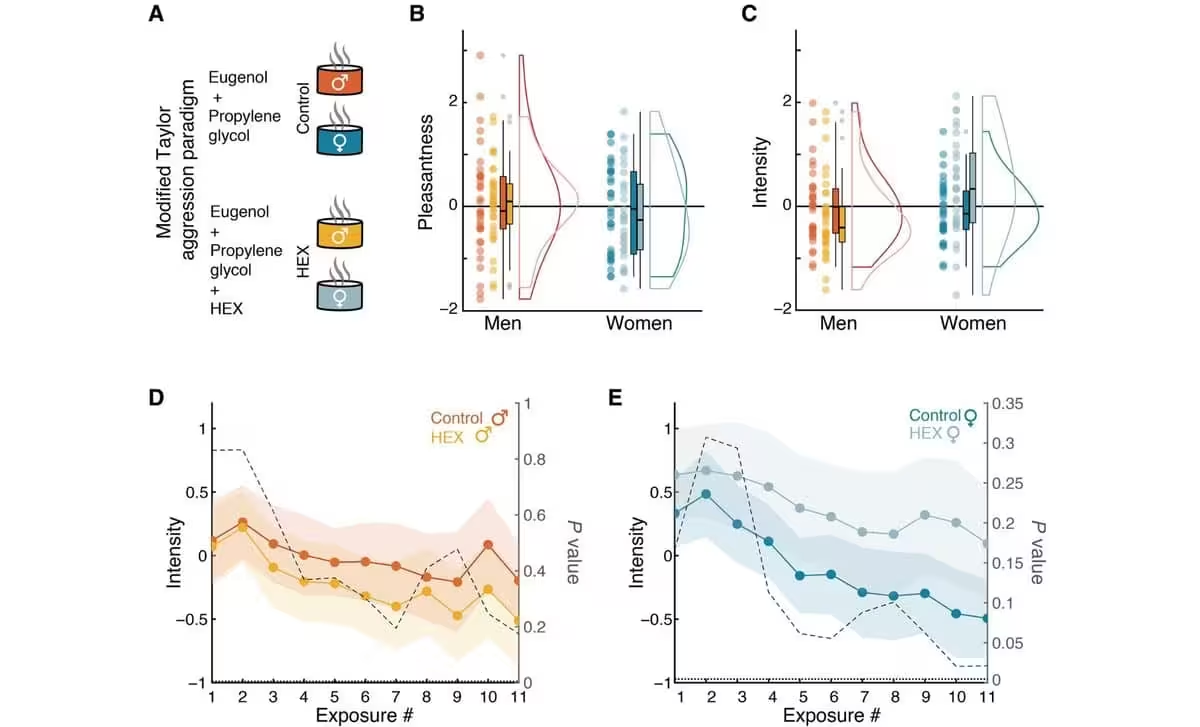
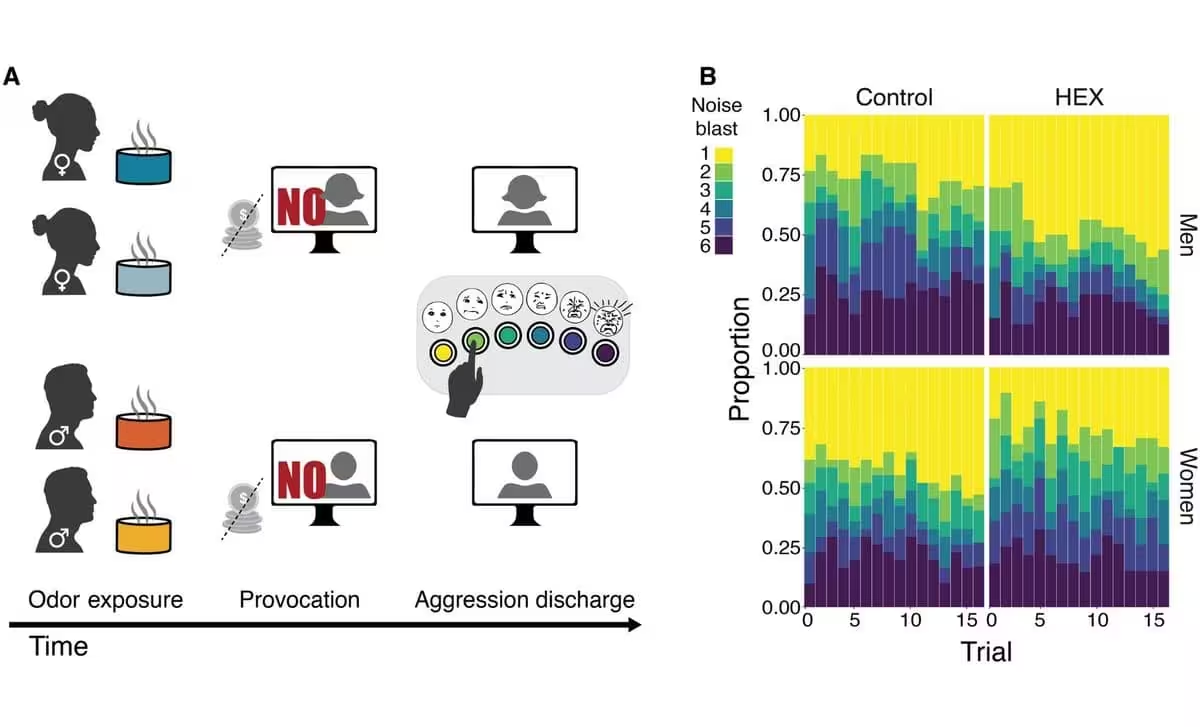
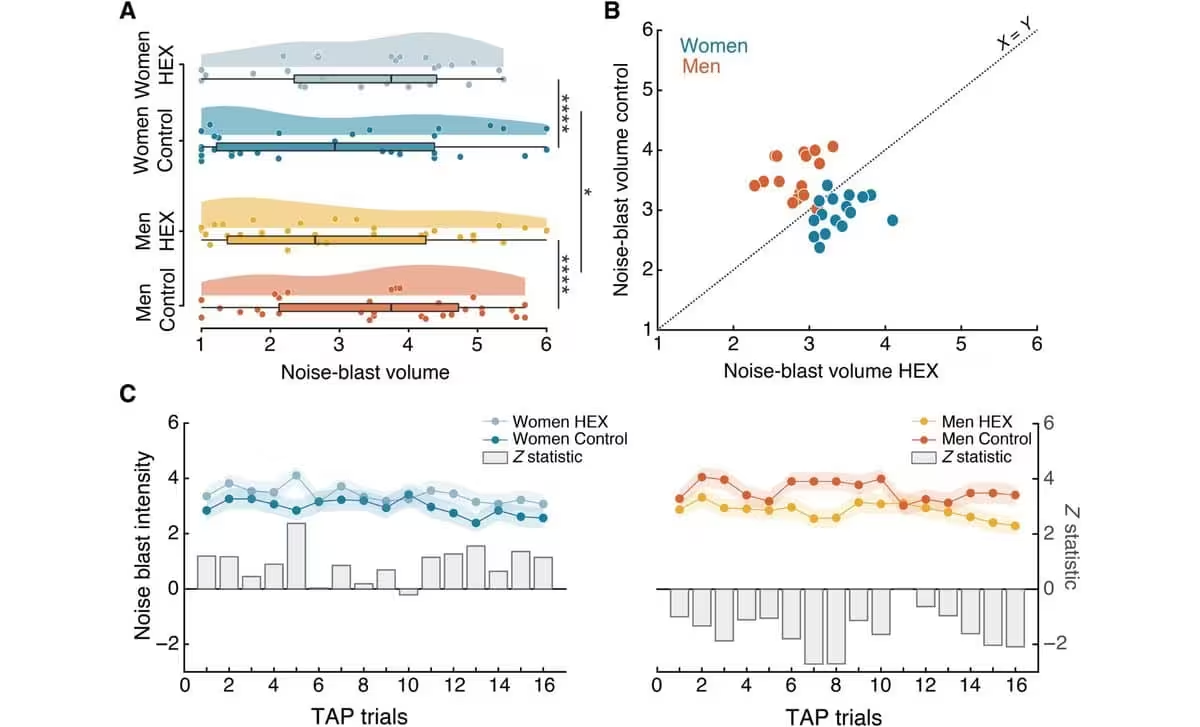
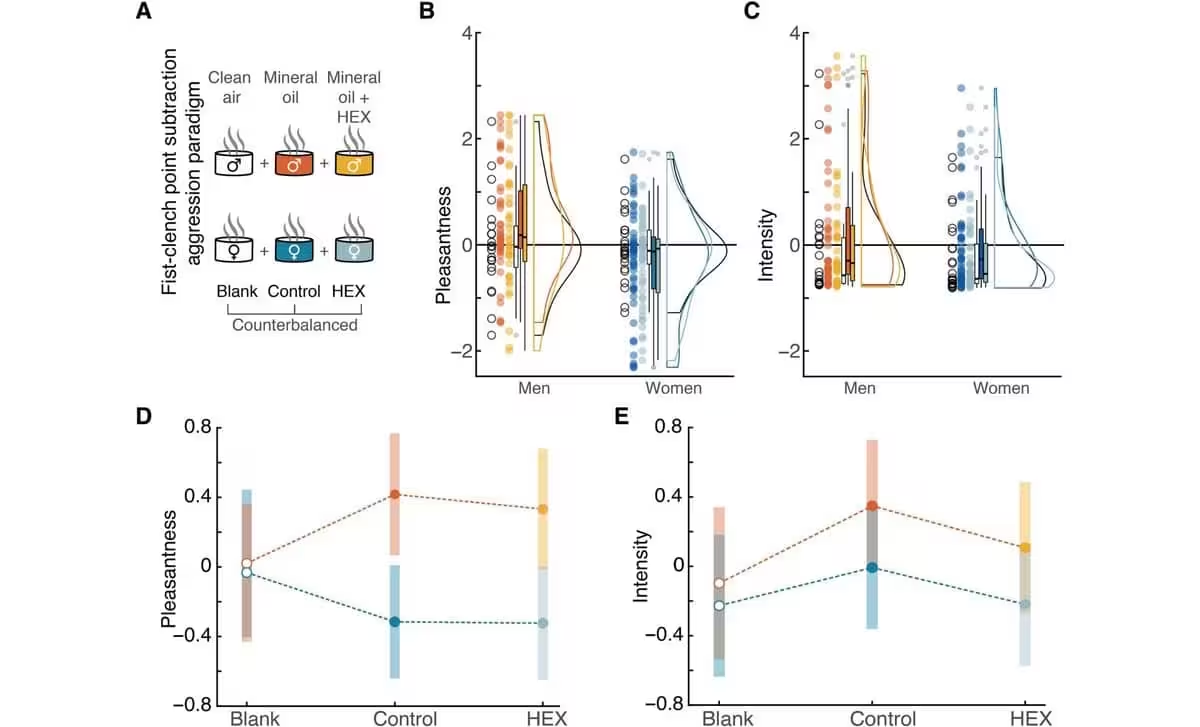
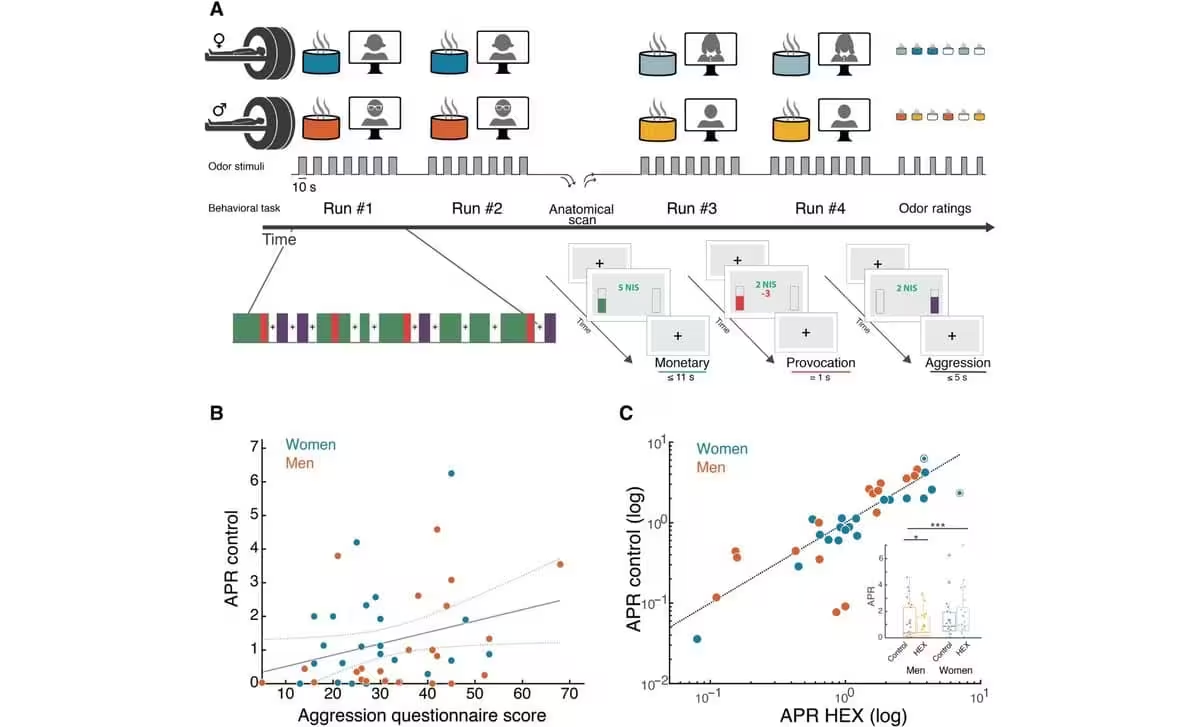
The complexity of this system is further illustrated by hexadecanal, a chemical compound often associated with infants. A study published in Science Advances found that this odorless substance can modulate human aggression, though it does so differently based on gender. When exposed to the chemical, men exhibited lower levels of aggression, while women showed higher levels, suggesting that these chemical signals may act as biological catalysts for nurturing and protective behaviors.
While we may not always be aware of the “chemical conversations” taking place around us, these signals remain a fundamental part of the human experience. They weave together a silent network of interaction, influencing how we connect, respond to distress, and navigate our relationships with one another.
This article has been fact checked for accuracy, with information verified against reputable sources. Learn more about us and our editorial process.
Last reviewed on .
Article history
- Latest version
Reference(s)
- McDermott, Rose., et al. “Assortative Mating on Ideology Could Operate Through Olfactory Cues.” American Journal of Political Science, vol. 58, no. 4, September 2, 2014, pp. 997-1005. Wiley, doi: 10.1111/ajps.12133. <https://onlinelibrary.wiley.com/doi/abs/10.1111/ajps.12133>.
- Trivedi, Drupad. “Discovery of Volatile Biomarkers of Parkinson’s Disease from Sebum.”, vol. 5, no. 4, pp. 599 PubMed Central (PMC), doi: 10.1021/acscentsci.8b00879. <https://pmc.ncbi.nlm.nih.gov/articles/PMC6487537/>.
Cite this page:
- Posted by David Anderson