Metal Detectorists Unearth Ancient 1500 Year Old Cemetery Linked to the Goths in Polish Forest
Archaeologists have discovered mysterious ancient bronze artifacts buried in a Polish forest, shedding new light on a long-lost historical enigma.

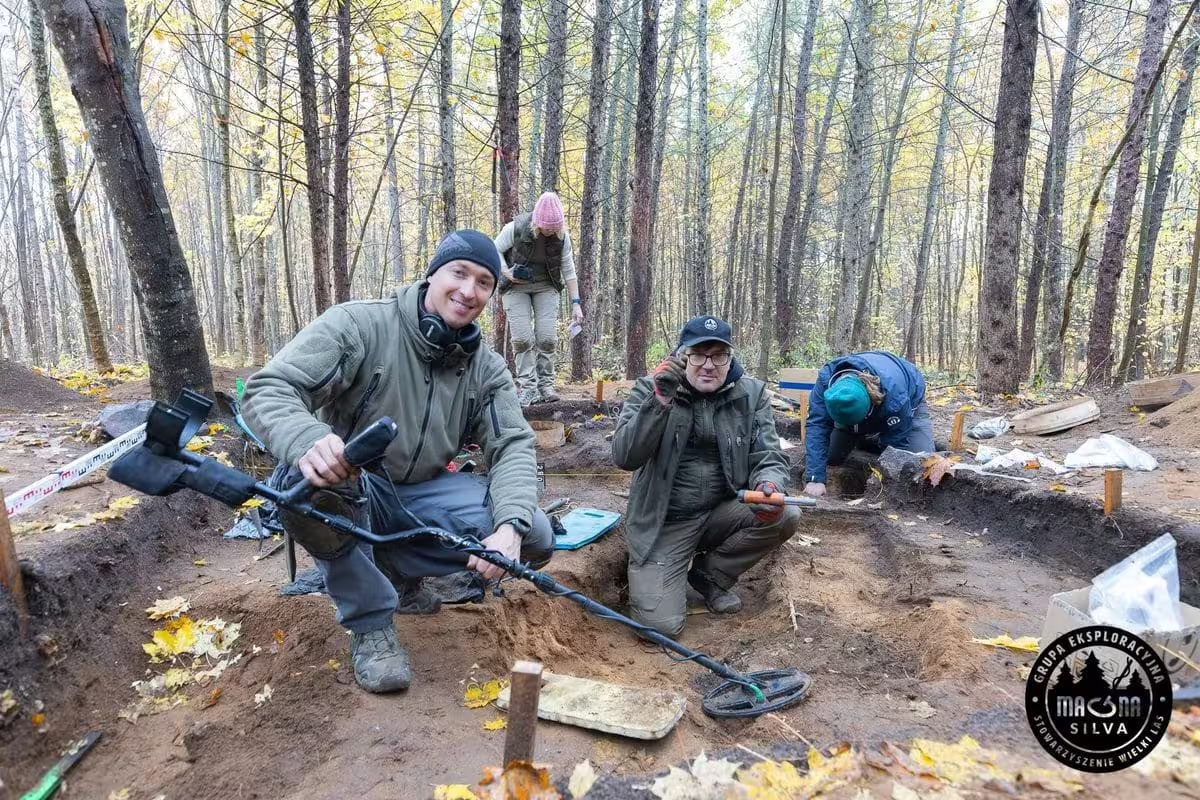
A team of volunteer metal detectorists exploring a remote woodland in northeastern Poland has unearthed a significant archaeological find: an ancient burial ground linked to the Wielbark culture. The site, located within the Krynki Forest District near the Belarusian border, provides new evidence of communities that inhabited the region during the Roman period, roughly between the 3rd and 5th centuries AD.
The discovery began in June when members of the Magna Silva exploration group—a local history organization—uncovered scorched bronze fragments and fibulae, which are ornamental brooches used in antiquity. The fire-damaged state of the artifacts immediately signaled the potential for a ritual site, prompting the volunteers to halt their search and alert professional authorities, a move that ensured the site remained undisturbed by unauthorized digging.
Uncovering Artifacts of the Wielbark People
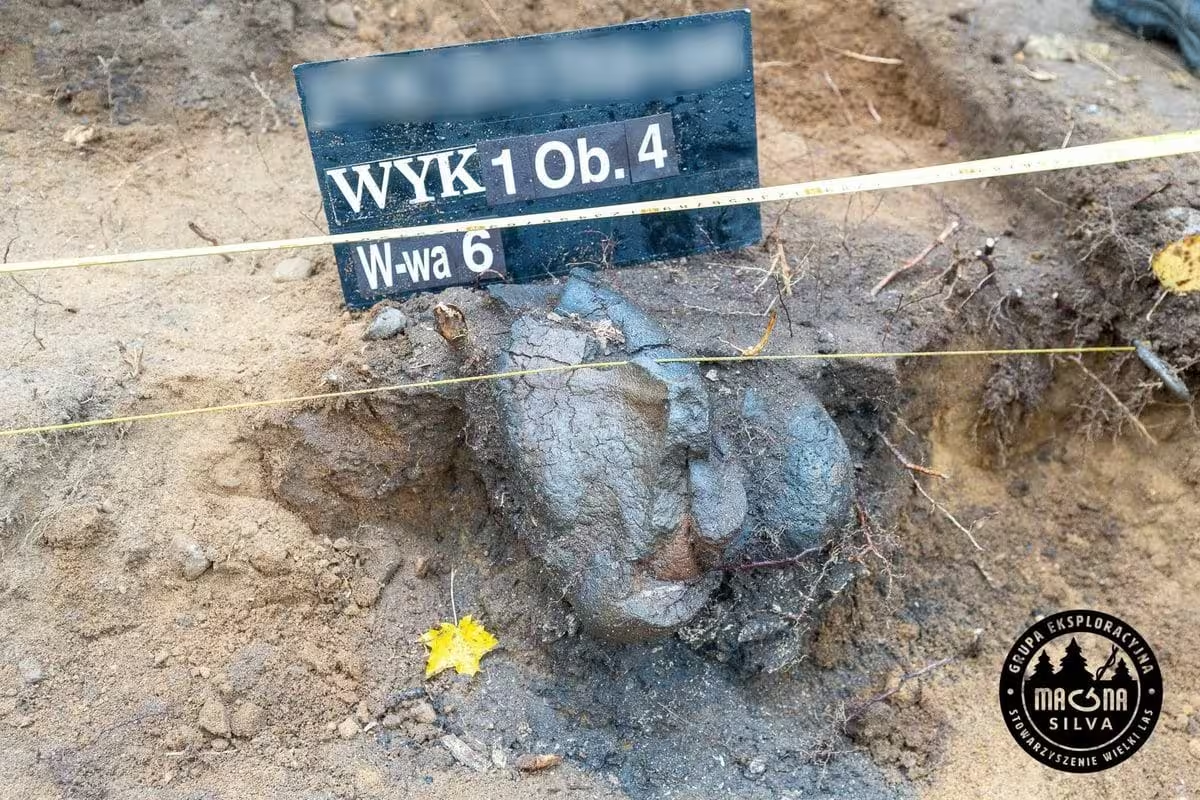
Following the initial report, archaeologists from the Podlasie Museum in Białystok and the University of Warsaw moved in to conduct systematic excavations. The team recovered a variety of funerary items consistent with Wielbark burial practices, including clay vessels that once held cremated remains, bone combs, and spindle whorls used in textile production. In addition to these domestic artifacts, the researchers found a collection of personal adornments such as beads and decorative buckles.
While the soil at the forest site has been disturbed over time, the collection offers valuable data on the social and funerary customs of the era. Notably, the grave goods recovered do not include weapons, a hallmark characteristic of the Wielbark culture, which stands in contrast to the burial traditions of neighboring societies that frequently interred swords and spears with the deceased.
Migration and Historical Context
The Wielbark culture, which takes its name from a primary cemetery site near Malbork, is widely associated with the migration patterns of the Goths and Gepids. Between the 1st and 5th centuries, these groups traversed Central Europe toward the Black Sea, leaving behind a distinct archaeological record. However, modern researchers remain cautious about equating material culture directly with specific ethnic identities, as noted in a 2021 study in Antiquity.
The site’s exact location remains confidential to prevent looting and ensure the integrity of future research. The State Forests’ Forest Service is currently providing oversight of the area to protect it from illicit metal detecting activity. The artifacts recovered thus far have been transferred to the Podlasie Museum for cleaning, conservation, and detailed analysis, with further excavations expected to resume in the coming year.

This article has been fact checked for accuracy, with information verified against reputable sources. Learn more about us and our editorial process.
Last reviewed on .
Article history
- Latest version
Reference(s)
- “Core Reader.” <https://core-prod.cambridgecore.org/core/product/92E85F41D42501F1E961DA148AECEE8F/core-reader>.
Cite this page:
- Posted by Vikram Desai