Rare Marble Relief Found in Ancient Pagan Temple Is Unlike Anything Seen Before
A mysterious marble carving unearthed at a burnt 5th-century Bulgarian temple offers new clues into the site’s sudden destruction and unknown history.
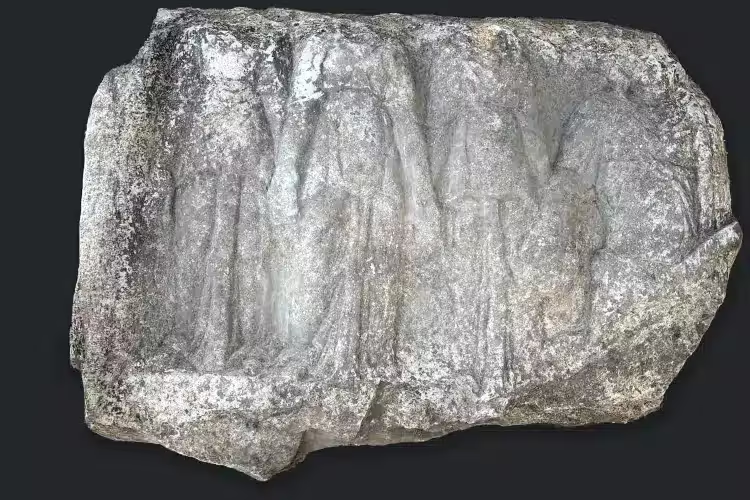
Archaeologists working in the southeastern reaches of Bulgaria have uncovered a rare marble relief that challenges existing understandings of ancient religious iconography. The artifact, which depicts the Anatolian mother goddess Cybele alongside a trio of nymphs, was recovered from the ruins of a pagan sanctuary near the town of Ivaylovgrad.
The discovery, led by Ivaylo Kanev of Bulgaria’s National Museum of History, concludes the most recent excavation phase at the Balak Dere site. While researchers have been examining this location since 2004, uncovering various structures and coins that detail the area’s long-term occupation, this specific carving is being described as an unprecedented find.
Divine Synergy in Stone
The combination of these deities, as noted by Arkeonews, represents a unique convergence of divine archetypes. Cybele, historically revered as a powerful goddess of fertility and the natural world, is traditionally depicted independently. Nymphs, meanwhile, are closely associated with water sources and localized natural features. The presence of both on a single relief suggests a complex, syncretic approach to worship where these traditions were fused within a single sacred landscape.
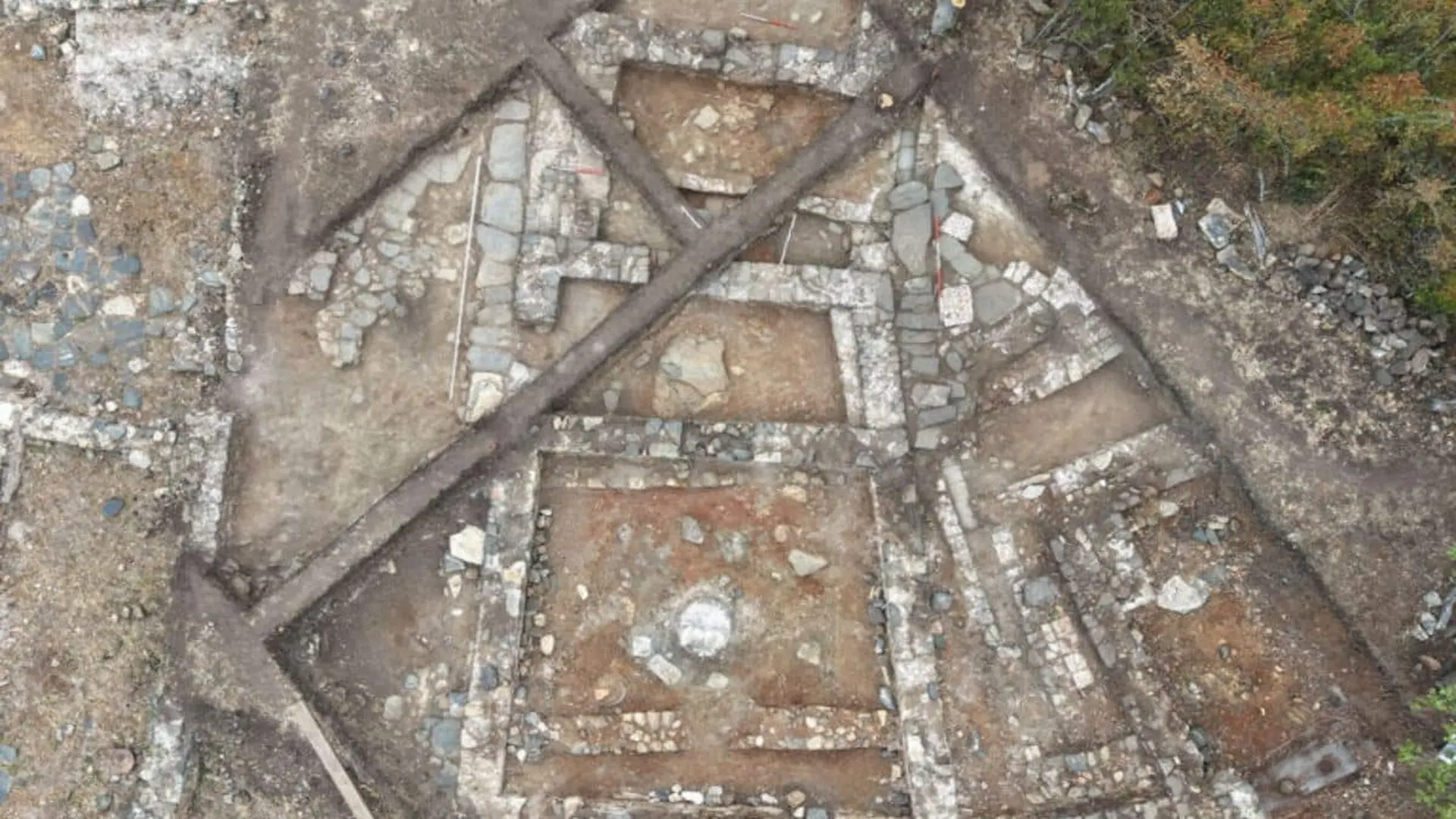
Supporting this theory is the physical layout of the sanctuary. The temple, which spans approximately 49 feet, features a design comprising three distinct chambers, each seemingly dedicated to specific rituals, including sacrificial practices and the storage of offerings. Furthermore, the presence of an artificial water channel integrated into the temple complex near the Arda River suggests that the site was intentionally constructed to facilitate water-based rites, likely tying the nymphs directly into the local religious infrastructure.
The Final Days of a Pagan Sanctuary
The temple is thought to have remained operational from at least the third century A.D. through the middle of the fifth century. During this era, the rise of Christianity across the Roman Empire placed increasing pressure on traditional pagan cults. The physical evidence at Balak Dere indicates a violent end; the structure was gutted by a significant fire approximately 1,500 years ago.

While the timing coincides with a period of intense religious transition, researchers from the National Museum of History of Bulgaria are careful not to definitively label the fire as an act of religiously motivated destruction. The blaze could have been a byproduct of wider social unrest, a deliberate act of suppression, or a tragic accident. As the site represents one of the final known centers of Thracian pagan activity, the destruction of the temple marks a significant milestone in the cultural shift of the region, leaving the circumstances of its collapse as a subject of ongoing investigation.
This article has been fact checked for accuracy, with information verified against reputable sources. Learn more about us and our editorial process.
Last reviewed on .
Article history
- Latest version
Reference(s)
- Altuntaş, Leman. “Rare Relief of Cybele and Three Nymphs Discovered in One of Ancient Thrace’s Last Pagan Temples.”, October 21, 2026 arkeonews.net <https://arkeonews.net/rare-relief-of-cybele-and-three-nymphs-discovered-in-one-of-ancient-thraces-last-pagan-temples/>.
- “Храм от Късната античност разкрива следи от древни култове край Ивайловград.”, October 19, 2026 Национален исторически музей <https://historymuseum.org/last-thracian-temple/>.
Cite this page:
- Posted by Vikram Desai