Archaeologists Discover Mysterious New Clues at the Ancient Site of the Battle of Thermopylae
Archaeologists have uncovered a new chapter of history hidden beneath the ancient walls where Leonidas once fought. Explore these remarkable new ruins.
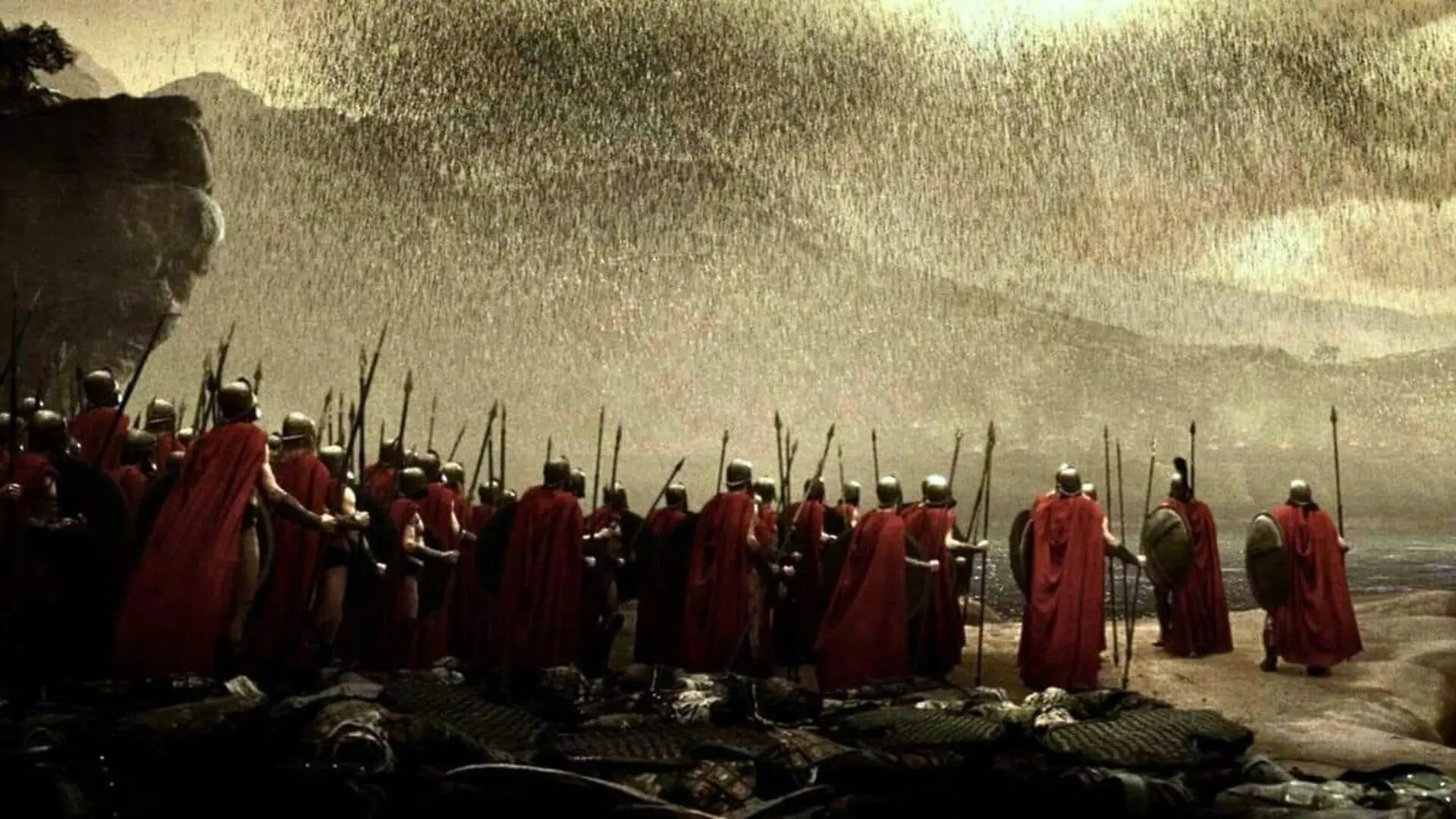
When Greek forces arrived at the pass of Thermopylae in 480 BC to confront the encroaching Persian Empire, they did not arrive at a blank slate. They sought refuge behind the Phocian Wall, an aging defensive barrier that, according to the historian Herodotus, was already in a state of decay. King Leonidas and his coalition of Greek allies moved quickly to shore up the crumbling stone line, anchoring their defense in a landscape that would soon become synonymous with sacrifice.
More than two millennia later, this historic fortification is receiving professional attention. The Greek Ministry of Culture, through the antiquities authority of Phthiotida, has launched a comprehensive stabilization and restoration project aimed at preserving the structure for future generations.
While the site has been known to researchers since the 1930s, recent excavations conducted ahead of the restoration work have provided new clarity. By uncovering the fortification’s full perimeter, researchers have revealed that the site saw repeated human activity long after the famous battle concluded.
Defensive Origins Beyond the Persian Wars
Positioned within the narrow pass near the thermal springs that provided Thermopylae its name, the wall was never originally intended to halt a Persian invasion. It was constructed by the Phocians during the 6th century BC as a tactical deterrent against incursions by the Thessalians during the territorial conflicts known as the Sacred Wars. In a display of extreme defensive measures, the Phocians even diverted the natural flow of the hot springs to flood the path, transforming the road into an impassable marsh to thwart invaders.
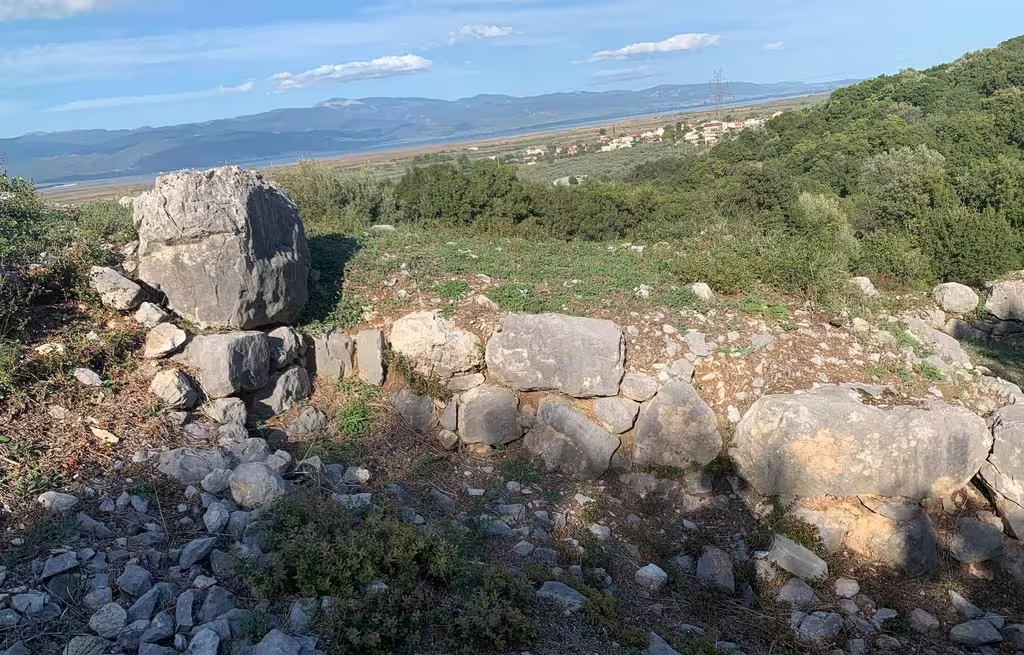
By 480 BC, when the combined Greek forces faced the Persian army under Xerxes, the geography of the region was significantly different. The sea reached much closer to the hills, creating a series of bottlenecks that the Greeks utilized to mitigate the Persian numerical advantage.
The Final Stand at Kolonos Hill
The final engagement took place after Persian troops successfully navigated a mountain path to outflank the Greek position. According to Herodotus, the remaining defenders retreated to the narrowest portion of the pass, withdrawing behind the wall before ultimately making their last stand on a small elevation known as Kolonos Hill. There, they fought with whatever was available, famously described by the historian as engaging with hands and teeth once their weapons were spent.
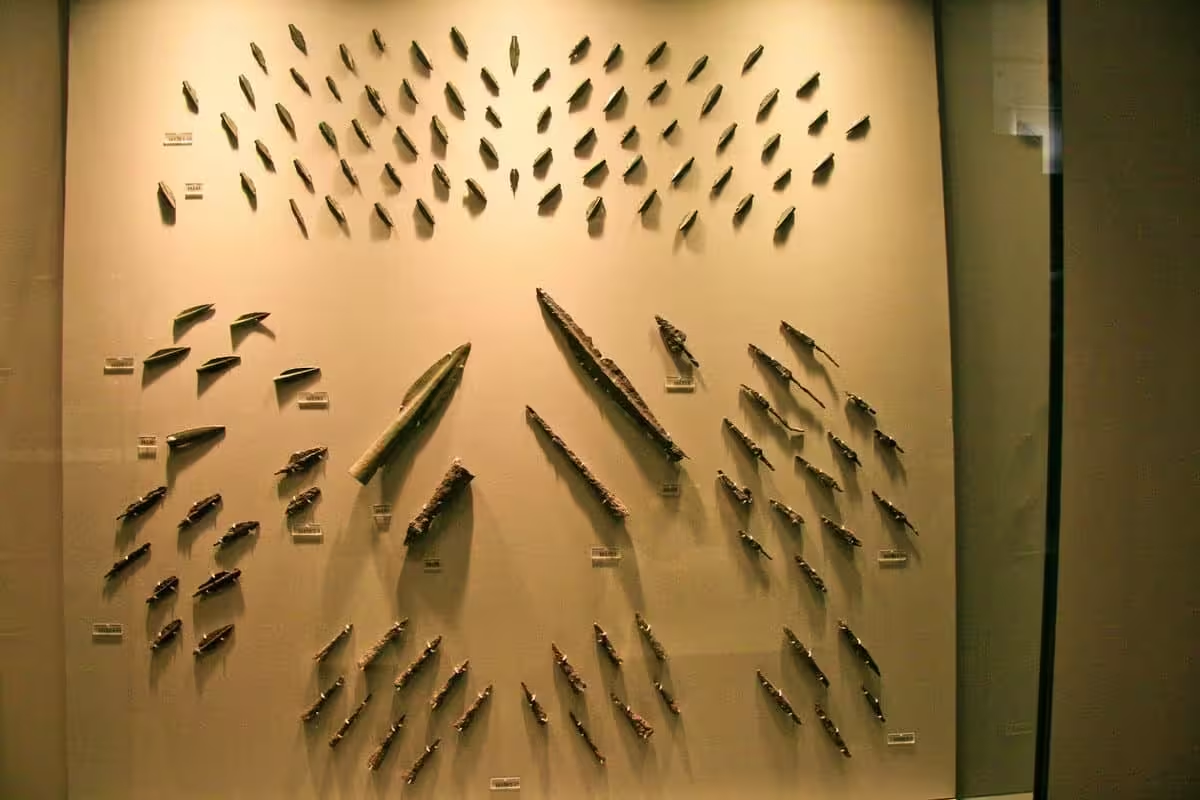
For centuries, the exact location of this hill remained a subject of academic debate. It was not until May 1939 that archaeologist Spyridon Marinatos confirmed the site by unearthing a cache of 5th-century BC iron and bronze spearheads and arrowheads of eastern origin. These artifacts, some of which now reside at the National Archaeological Museum in Athens, provided the definitive link to the historical event.
Archaeological Insights and Future Restoration
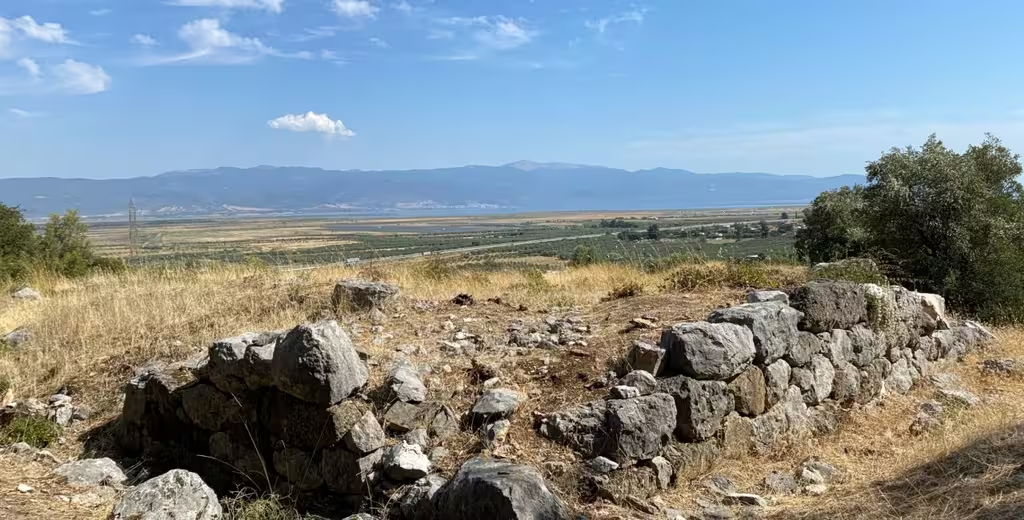
The fortification spans approximately 100 meters, featuring a distinct zigzag pattern adapted to the terrain. Current restoration efforts prioritize the structural integrity of the wall and its associated tower. Recent clearance of vegetation and debris has allowed for the systematic cataloging of fallen stones, which will be carefully returned to their original positions to improve the monument’s historical legibility.
Excavations near the west tower yielded evidence of later habitation, including internal structural partitions, large storage jars known as pithoi, and distinct burn layers. A notable discovery of a Hellenistic-era bronze coin, minted between 323 and 319 BC, indicates that the site was repurposed by later populations more than 150 years after the battle.
Culture Minister Lina Mendoni emphasized that the current project aims to make the monument accessible and comprehensible to the public. The broader strategic plan involves integrating the disparate archaeological elements of Thermopylae into a cohesive visitor experience. This includes a network of footpaths linking the Phocian Wall, Kolonos Hill, and the existing Leonidas monument with the Thermopylae Historical Information Center, enhanced by improved signage, site lighting, and infrastructure upgrades to facilitate better access to this pivotal chapter of antiquity.
This article has been fact checked for accuracy, with information verified against reputable sources. Learn more about us and our editorial process.
Last reviewed on .
Article history
- Latest version
Reference(s)
- <https://fgh.perseids.org/read/greekLit/tlg0016/tlg001/perseus-eng2/7.176.1-7.176.5>.
- <https://cts.perseids.org/read/greekLit/tlg0016/tlg001/perseus-eng2/7.225.2-7.225.3>.
- <https://nationalinterest.org/>.
- “Arrow and Spear Heads — Thermopylae — Holy Land Photos.” <https://holylandphotos.org/photos/GCTH06>.
Cite this page:
- Posted by Vikram Desai