Scientists Identify First Confirmed Denisovan Forearm Among 60,000 Bone Fragments
A mysterious forearm bone discovered in a Chinese cave suggests the existence of a previously unknown human group that defies current evolutionary models.
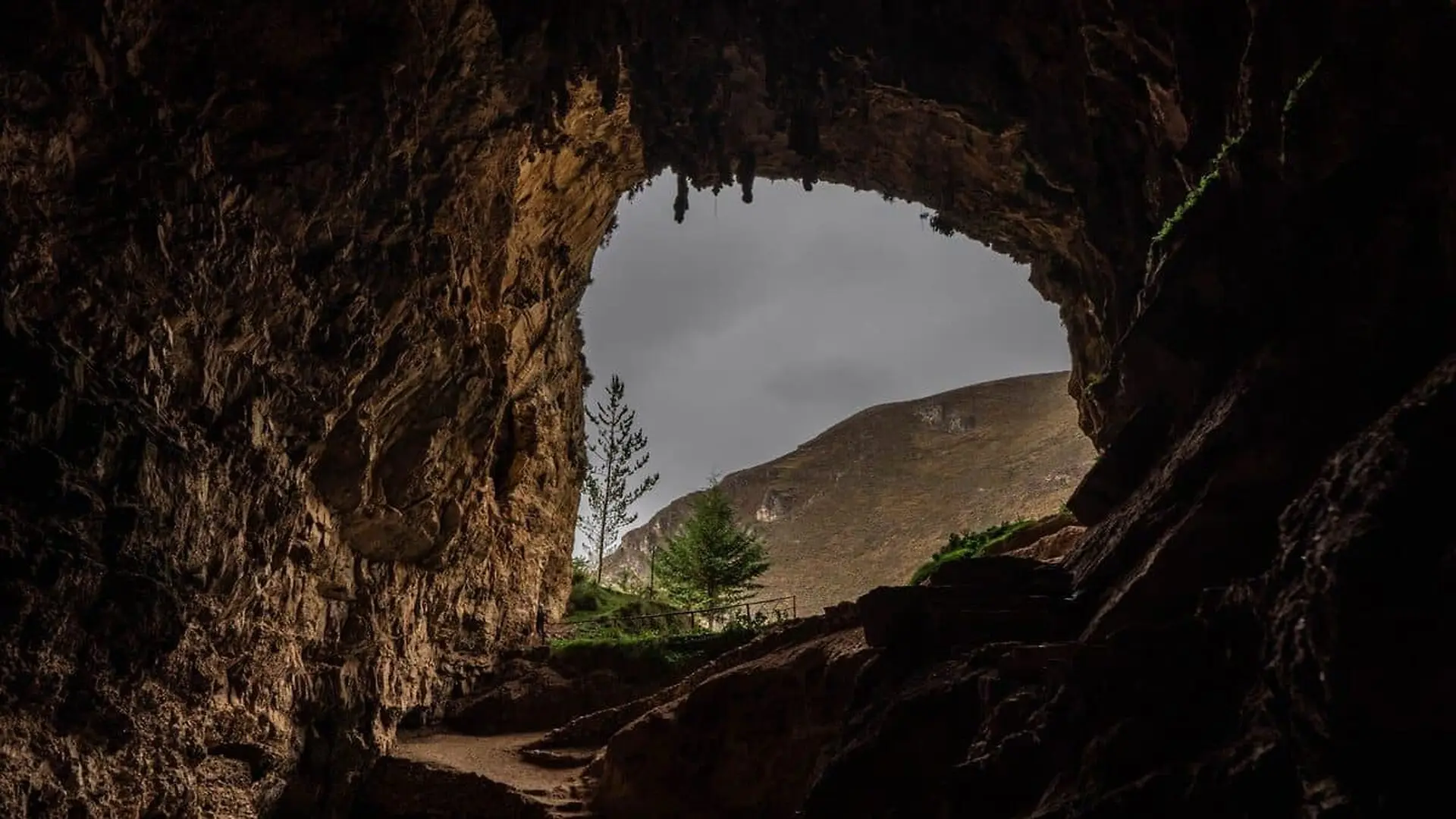
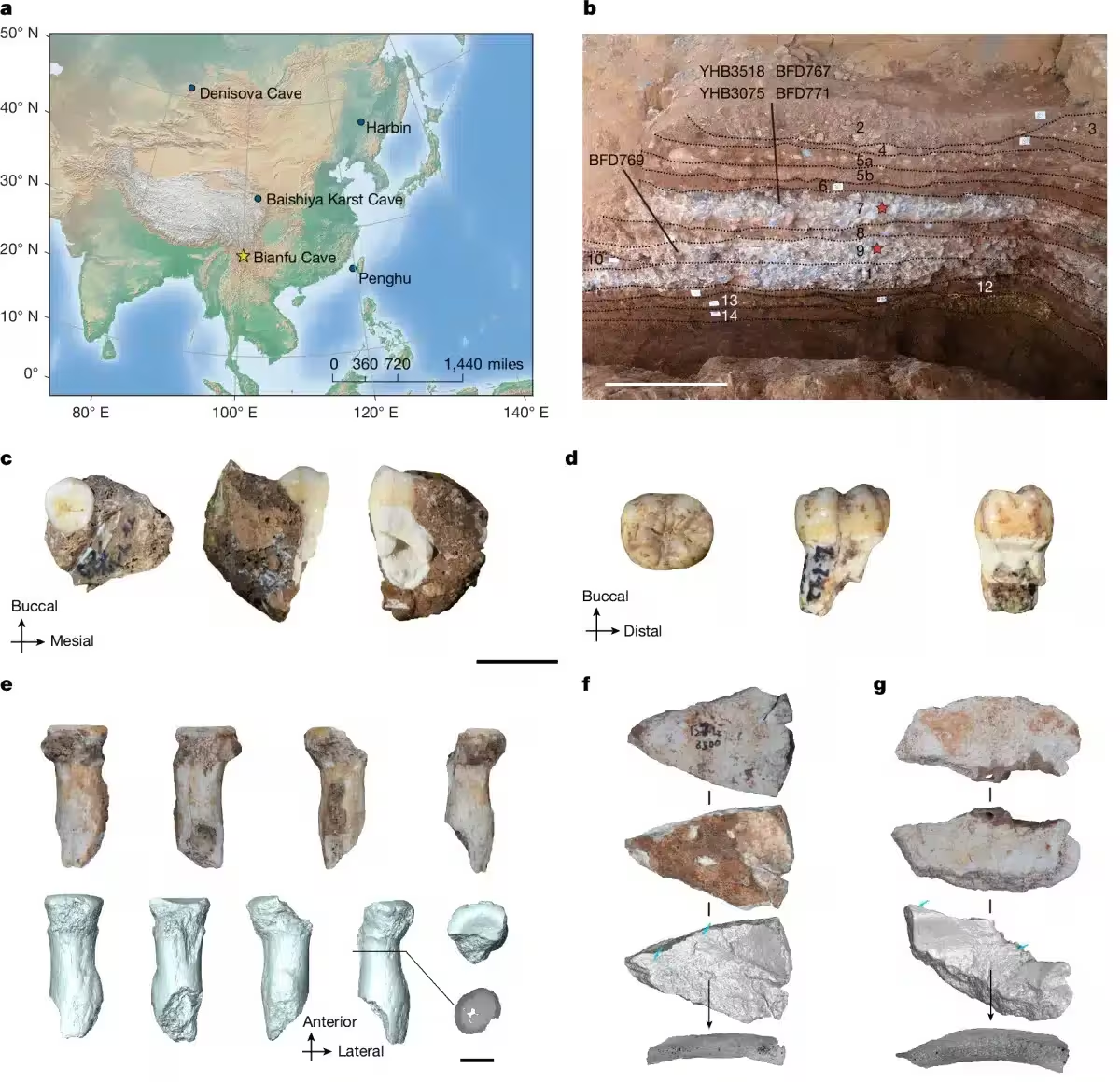
Researchers have unearthed the first confirmed Denisovan radius, a discovery that offers a rare, tangible glimpse into the anatomy of this mysterious ancient human group. The forearm fragment, recovered from the Bianfu Cave in China’s Yunnan Province, is part of a larger collection of five newly identified specimens that are beginning to fill significant gaps in our understanding of Denisovan physical traits and their geographic distribution across Asia.
The findings, published in the journal Nature on September 9, were led by Professor Qiaomei Fu of the Chinese Academy of Sciences’ Institute of Vertebrate Paleontology and Paleoanthropology. By analyzing proteins trapped within the bones, the team confirmed that the remains belong to the Denisovans, an elusive lineage whose fossil record has remained frustratingly sparse, particularly regarding post-cranial elements.
A New Strategy for Hunting Ancient DNA
Excavating the truth from the Bianfu Cave was no small task. The site yielded over 60,000 bone fragments, making a comprehensive analysis of every piece both time-prohibitive and financially unsustainable. Standard identification methods like Zooarchaeology by Mass Spectrometry (ZooMS) are efficient, but the extremely low hit rate for hominin remains—historically around 0.1% at other major sites—demanded a more refined approach.
To overcome this, the research team implemented a dual-stage screening process. By first performing a morphological assessment to identify bones that warranted closer inspection, they narrowed down a candidate pool of 22 pieces. Subsequent protein analysis confirmed that among these were two parietal skull fragments and the critical radius bone. This methodology, which combines physical observation with mass spectrometry, is now being touted as a blueprint for future excavations at complex Paleolithic sites.
Decoding the Protein Signature
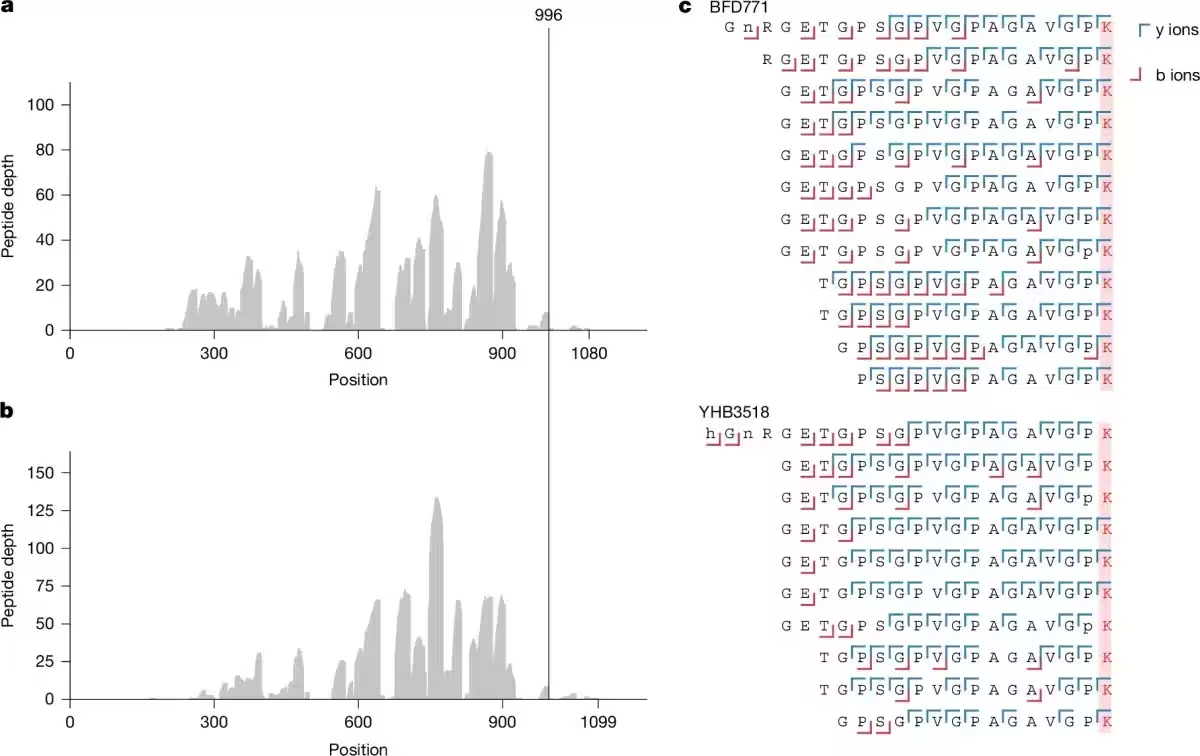
To pinpoint the identity of the remains, scientists extracted between six and 16 proteins from the three bones and two teeth found at the site. The presence of the Denisovan-specific protein variant COL1A2 R996K was a definitive marker, separating these individuals from other archaic humans, such as Homo erectus. Evolutionary modeling confirmed the classification with 100% posterior probability, aligning the specimens closely with the previously documented Denisova 3 sample.
The stratigraphic context of the discovery is equally revealing. The radius and one skull fragment originated from Layer 7, dating back approximately 148,000 to 134,000 years. A second skull piece was recovered from the deeper Layer 9, placing it between 167,000 and 150,000 years old. These dates suggest a long-term presence of the group in the region.
Anatomical Surprises
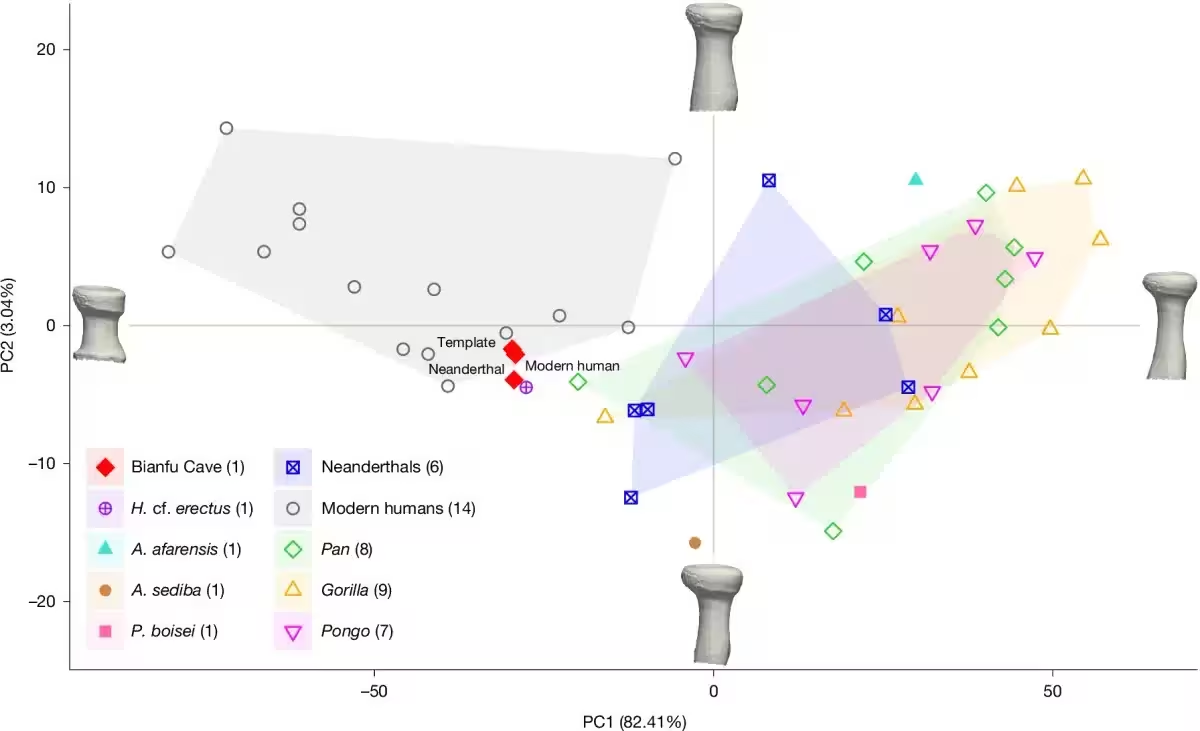
The newly identified radius provides an intriguing look at Denisovan biology, displaying a hybrid of archaic and modern features. While the robust dimensions near the elbow are reminiscent of Neanderthal anatomy, the overall structure and the geometry of the radial neck align more closely with modern humans. This suggests that the Denisovans possessed a unique range of mechanical adaptations that allowed them to thrive in varied environmental conditions.
With this discovery, Bianfu Cave is now recognized as the most prolific site for Denisovan fossils outside of the namesake Denisova Cave. The evidence suggests that the resource-rich Yunnan-Guizhou Plateau offered a temperate sanctuary during the challenging conditions of the Marine Isotope Stage 6 glacial period, further illustrating the adaptability of these ancient relatives.
This article has been fact checked for accuracy, with information verified against reputable sources. Learn more about us and our editorial process.
Last reviewed on .
Article history
- Latest version
Reference(s)
- Rao, Huiyun. “Ancient proteins identify various Denisovan remains from Southwest China - Nature.”, September 9, 2026, pp. 1-7. Nature, doi: 10.1038/s41586-026-10976-9. <https://www.nature.com/articles/s41586-026-10976-9>.
- projects, Contributors. “Chinese scientist.”, September 14, 2024 Wikimedia Foundation, Inc. <https://en.wikipedia.org/wiki/Qiaomei_Fu>.
- Finestone, Emma. “Zooarchaeology by Mass Spectrometry (ZooMS) – IAAS | International Application of Archaeological Science Workshop.”, July 27, 2021 <https://iaas.gea.mpg.de/2021/07/27/zooms/>.
Cite this page:
- Posted by Vikram Desai