Ancient Leg Bones Recovered From Seabed Reveal Giant Denisovans Were Surprisingly Large
An extraordinary fossil discovery off Taiwan sheds new light on the mysterious Denisovans, offering rare insights into this forgotten human lineage.
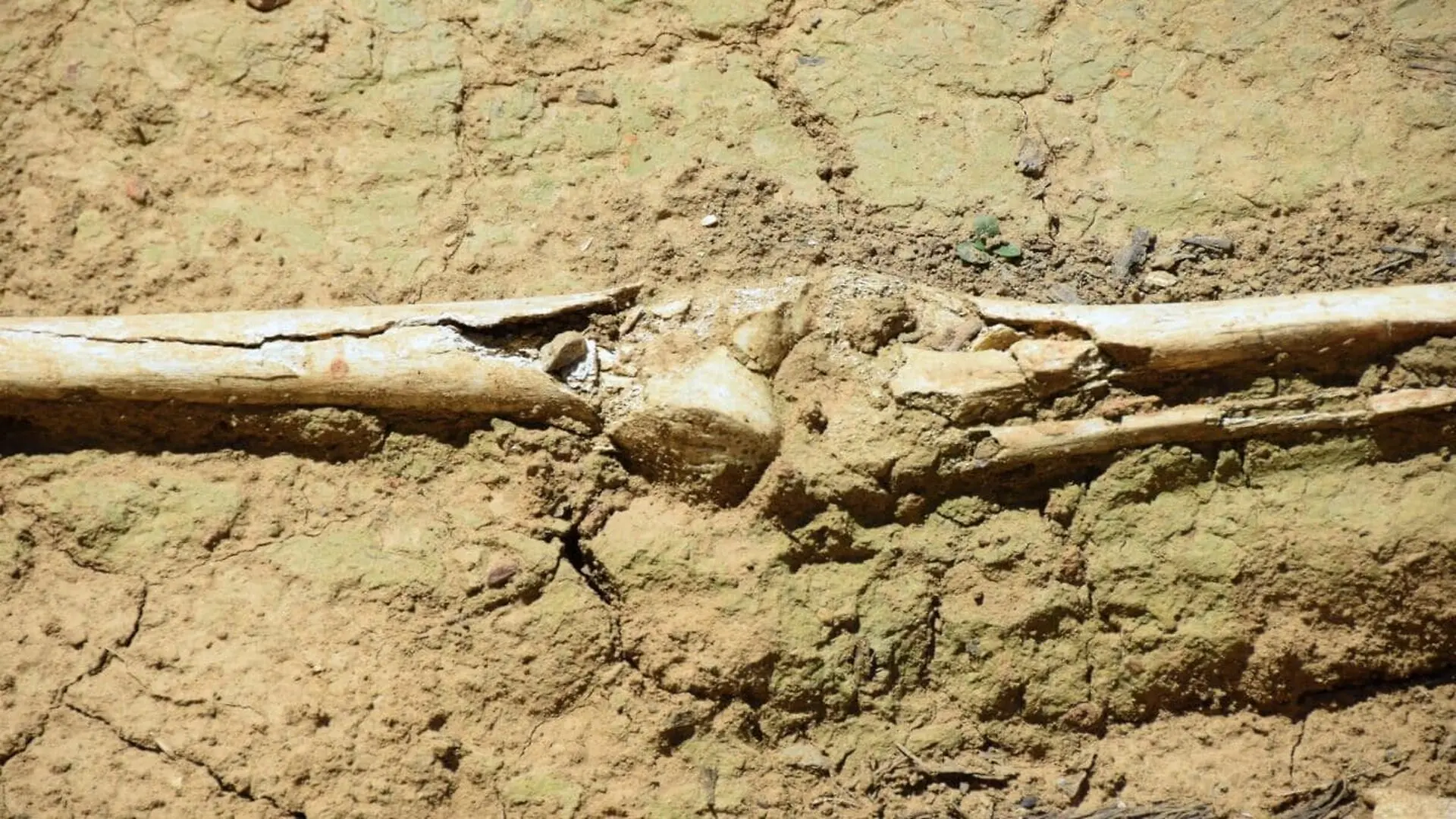
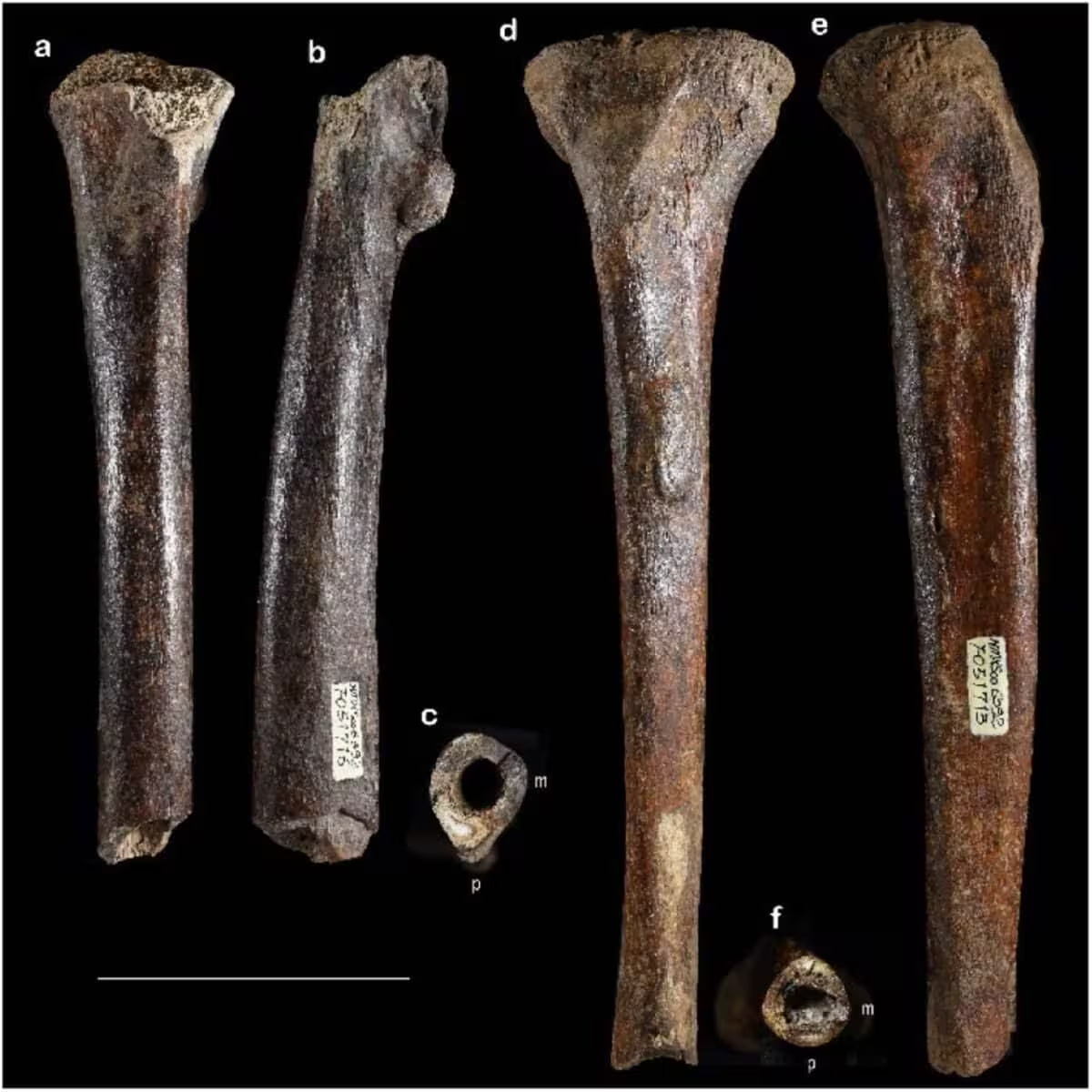
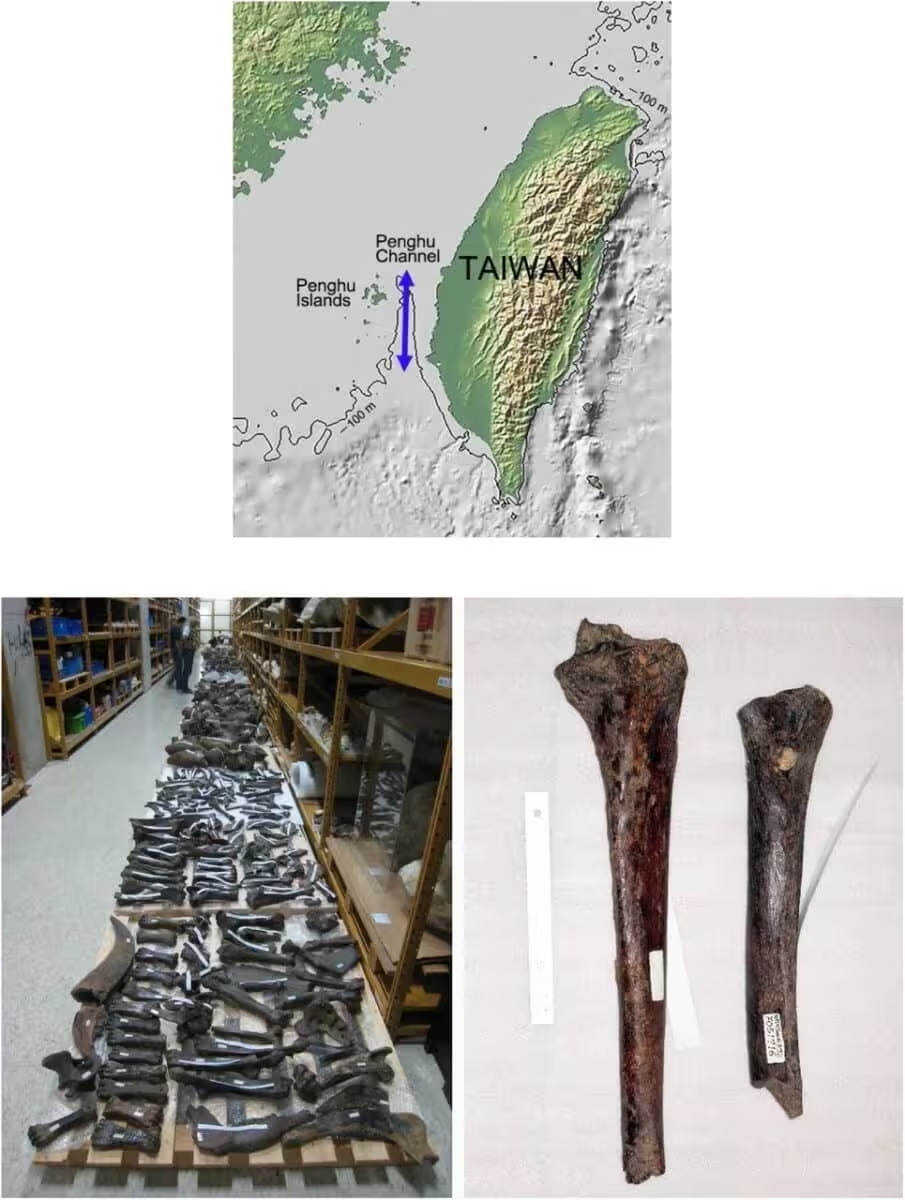
New evidence recovered from the seafloor off the coast of Taiwan suggests that Denisovans, an enigmatic group of archaic humans, possessed a significantly larger physical stature than previously understood. Analysis of two ancient leg bones, designated Penghu 2 and Penghu 3, reveals that these individuals reached heights nearing two meters, putting their body mass on par with the largest Pleistocene humans known to science.
The fossils were retrieved from the Penghu Channel, a stretch of water separating Taiwan from mainland China. Researchers from the University of Tokyo and the National Museum of Nature and Science identified the remains as Denisovan by analyzing ancient protein structures preserved within the bone matrix. Dated to approximately 43,000 to 45,000 years ago, these specimens offer a rare glimpse into the postcranial anatomy of a lineage otherwise known primarily from fragmentary skulls, teeth, and finger bones found in sites like Siberia’s Denisova Cave and the Tibetan Plateau.
Unexpected Stature Challenges Ecological Rules
The reconstructed measurements of these individuals surprised the research team. Estimates based on the Penghu 2 femur suggest an individual standing roughly 180 centimeters tall and weighing 83 kilograms, while the Penghu 3 tibia indicates a person reaching approximately 190 centimeters and 91 kilograms. These findings, detailed in a paper published on bioRxiv on August 8, 2026, place Denisovans well above the size range of both early Homo erectus and many modern human populations of the same era.
The discovery poses a challenge to Bergmann’s rule, an ecological principle suggesting that populations in warmer, lower-latitude climates typically evolve smaller body sizes. The location of the find, at 23 degrees north latitude, contradicts this trend. Researchers hypothesize that the Denisovan build was driven more by lifestyle and dietary habits—specifically an intensive hunting strategy fueled by high protein consumption—than by climate-driven adaptation.
Anatomical Links to Modern Humans
Beyond size, the Penghu 2 femur exhibits a distinct morphological feature: a pilaster, or a pronounced ridge along the back of the bone. This anatomical marker is commonly seen in Homo sapiens and is typically correlated with specific locomotor activities. The presence of this ridge in a Denisovan specimen raises intriguing questions about the interaction between the two groups. It is possible that both species developed the trait independently due to similar environmental pressures, or that the feature represents evidence of interbreeding and gene flow that genetic studies have already hinted at in southern Asian populations.
“Although genetic basis of femoral pilaster remains unknown and this hypothesis must be tested ultimately by genomic data from Denisovan fossils, it does not contradict with the genomic evidence of Denisovan introgression into modern humans in southern Asia, and chronological overlap between Penghu 3 and the earliest modern humans in this region,” the authors noted.
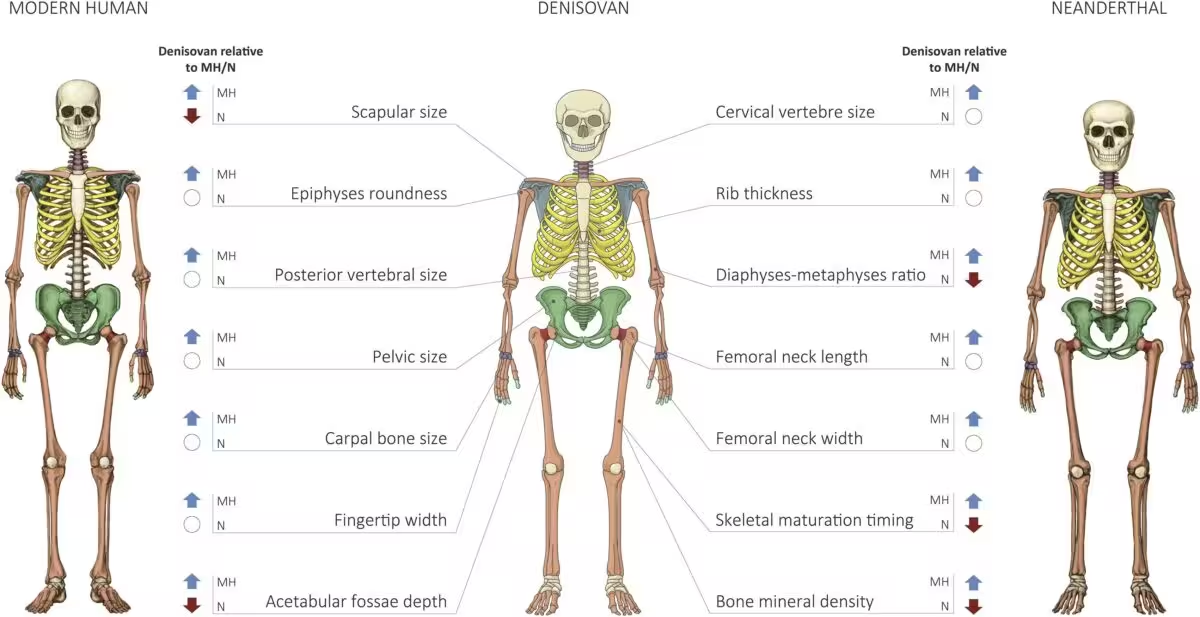
While the genetic history of the Denisovans remains partially obscured, these new findings suggest that our understanding of their physical form has been hampered by a lack of fossil data. The robust stature of these Penghu individuals provides a new baseline for future comparative studies, highlighting that the Denisovans were a physically imposing and successful lineage that occupied a distinct niche in the ancient landscape of Asia.
This article has been fact checked for accuracy, with information verified against reputable sources. Learn more about us and our editorial process.
Last reviewed on .
Article history
- Latest version
Cite this page:
- Posted by Hassan Raza