Archaeologists Uncover Ancient Secret Rituals Dedicated To A Mysterious Roman Goddess In A Cave
Archaeologists have discovered a Roman sanctuary deep within a Spanish cave, featuring 120 ancient inscriptions dedicated to a mysterious divinity called Domina.
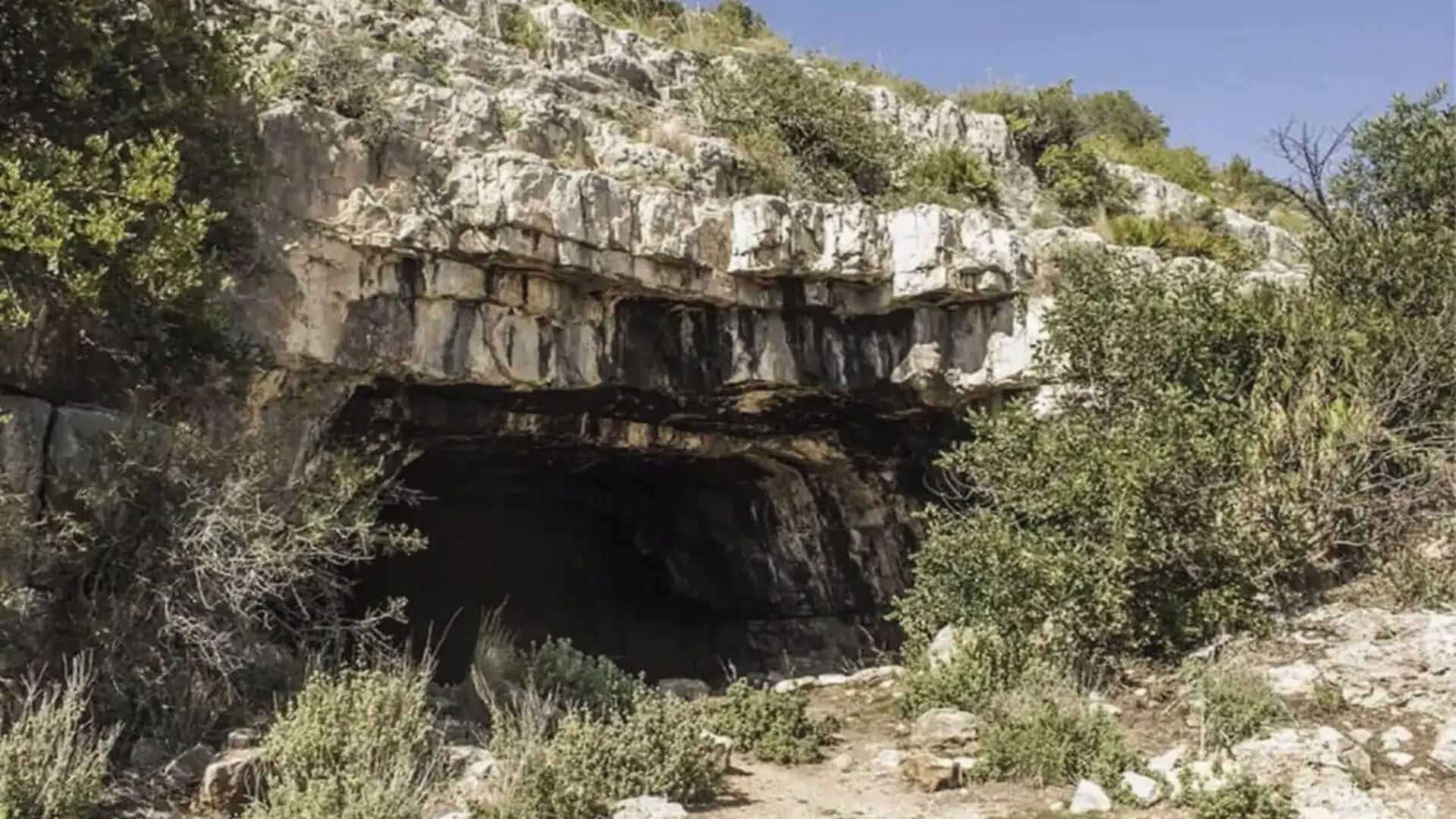
Archaeologists working in the depths of a cave near Millares in Valencia, Spain, have uncovered a significant cache of Roman-era artifacts that dramatically shifts the understanding of the site’s religious history. While previous surveys identified only about 15 Latin inscriptions within the cavern, the latest field campaign has revealed a complex ritual site, complete with female names, ceremonial offerings, and evidence of an organized cult centered around a mysterious deity.
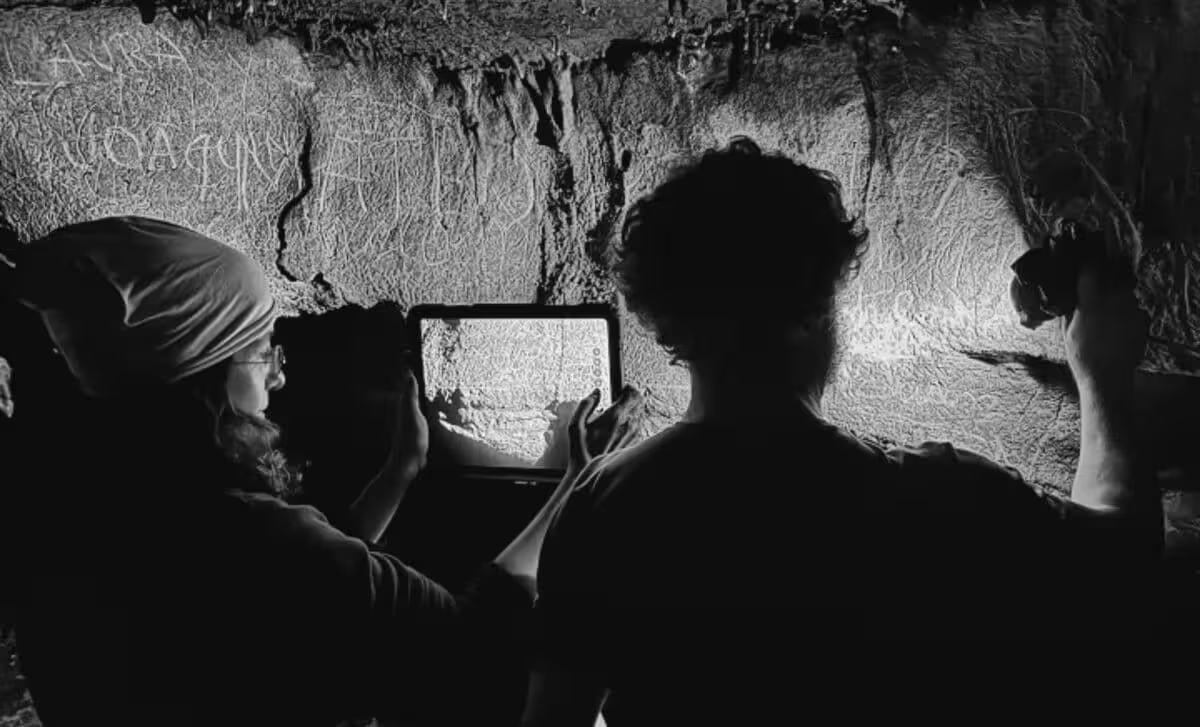
The discovery is concentrated in a secluded chamber located more than 200 meters from the cave entrance, an area researchers have dubbed the “Roman Sanctuary.” According to the University of Alicante, the expansion of the site’s known epigraphic record is substantial. Epigraphers Silvia Alfayé of the University of Zaragoza and Sergio García-Dils of UNED-Seville have identified five distinct votive inscriptions dedicated to a specific divinity. Three of these carry the invocation MALACI, a term previously unknown to scholars.
A Mysterious Goddess and Ritual Practices
The concentration of these inscriptions, combined with the deliberate placement of offerings, suggests this chamber served as a site for structured, repeated religious observance rather than casual visits. The deity associated with the name MALACI remains an enigma, though researchers suspect a connection to water, given the location of the offerings near natural rock pools known as gours.
The 2026 campaign unearthed a variety of ritual items in these pools, including pottery fragments, chalice-shaped vessels, jewelry such as rings and a bracelet, and animal remains. These findings complement a previously discovered coin featuring the likeness of Emperor Claudius, which was carefully wedged between a cave wall and a stalactite in 2024. While some theories suggest MALACI could be a local nymph or a guardian of the cave, experts caution that the name may simply be an honorific, and the true identity of the goddess remains under study.
Evidence of Female Participation
A striking feature of the new epigraphic evidence is the presence of female names, which confirms that women played an active role in the rituals performed within the cave. Virginia Barciela of the University of Alicante highlights the significance of multiple spindle whorls found at the site. These small stone or ceramic weights, used for textile production, are historically linked to women’s labor. Archaeologists believe these whorls were likely left as votive offerings, representing the spindles themselves, which would have long since decomposed.
The site, locally known as Cova de les Dones, or the “Cave of the Women,” may derive its name from this ancient tradition of female worship, though researchers note that this connection is still being investigated.
A Deep History of Human Activity
The Roman sanctuary is just one chapter in the long-term human utilization of the cave. The ongoing DONARQ research project, which began in 2023, previously revealed that the site holds more than 100 Paleolithic paintings and engravings dating back over 24,000 years. Furthermore, findings in 2025 documented over 100 stalagmitic formations that had been modified by prehistoric visitors.
With large sections of the cave still awaiting systematic examination, the research team plans to continue analyzing the inscriptions and their spatial relationship to the offerings. This work promises to clarify how different generations of visitors interacted with the subterranean landscape, from the early artists of the Paleolithic era to the Roman devotees who sought a connection with the divine in the darkness of the chamber.
This article has been fact checked for accuracy, with information verified against reputable sources. Learn more about us and our editorial process.
Last reviewed on .
Article history
- Latest version
Reference(s)
- “Actualidad Universitaria.” Actualidad Universitaria <https://web.ua.es/es/actualidad-universitaria/2026/julio2026/27-31/descubren-en-la-cova-dones-de-valencia-unas-120-inscripciones-latinas-de-epoca-romana.html>.
- <https://www.researchgate.net/profile/Silvia-Alfaye>.
- <https://www.researchgate.net/publication/391449435_135_Garcia-Dils_2023_Sergio_Garcia-Dils_de_la_Vega_From_colonia_Augusta_Firma_to_Astigi_Urban_transformations_and_Christianization_of_space_in_Late_Antique_Ecija_Seville_-_Spain_European_Journal_of_Po>.
- “Departamento de Prehistoria, Arqueología, Historia Antigua, Filología Griega y Filología Latina.” Departamento de Prehistoria, Arqueología, Historia Antigua, Filología Griega y Filología Latina <https://dprha.ua.es/en/personal/virginia-barciela-gonzalez.html>.
Cite this page:
- Posted by Hassan Raza