Scientists Identify a Key Lipid Decline That Disrupts Mitochondrial Function During Aging
Researchers have linked a decline in phosphatidylcholine production to mitochondrial aging, offering new insights into how metabolic health fades with time.
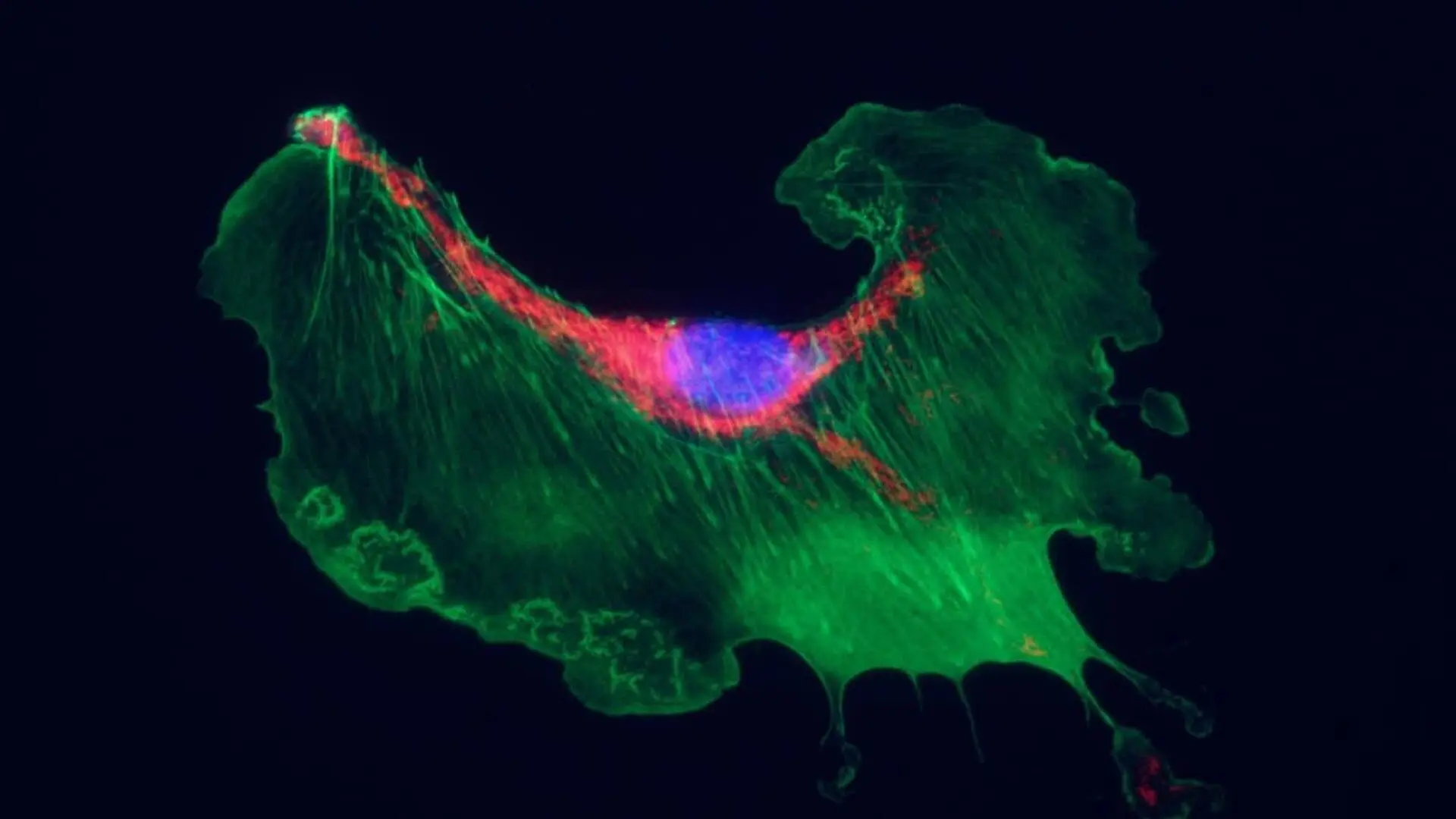
A decline in the synthesis of a vital membrane lipid may be a key driver of mitochondrial dysfunction as organisms age, according to new research published in Nature Communications. The study highlights how the loss of phosphatidylcholine (PC), a fundamental component of mitochondrial membranes, impairs the ability of cells to maintain efficient energy production and structural integrity.
Membrane Lipid Depletion Disrupts Cellular Powerhouses
Mitochondria function as more than just cellular batteries; they operate as dynamic networks that constantly fuse and divide to meet changing energy demands. This structural flexibility relies heavily on the composition of mitochondrial membranes, specifically the abundance of phosphatidylcholine. Researchers discovered that as organisms age, the methylation-dependent pathway responsible for synthesizing this lipid begins to falter.
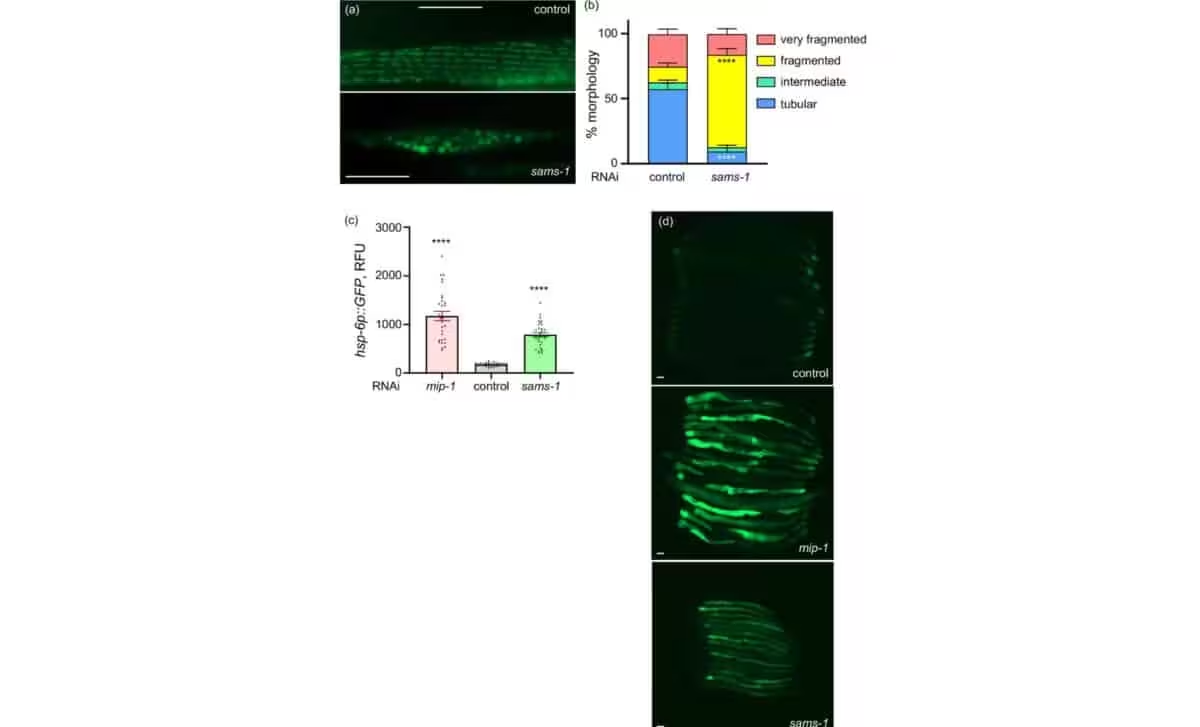
By studying the nematode C. elegans, scientists demonstrated that suppressing genes essential to this pathway—such as sams-1, which produces the crucial methyl donor S-adenosylmethionine, alongside pmt-1 and pmt-2—led to significant mitochondrial fragmentation. These structural failures directly correlated with a reduction in oxygen consumption, mirroring the natural decline observed in older specimens.
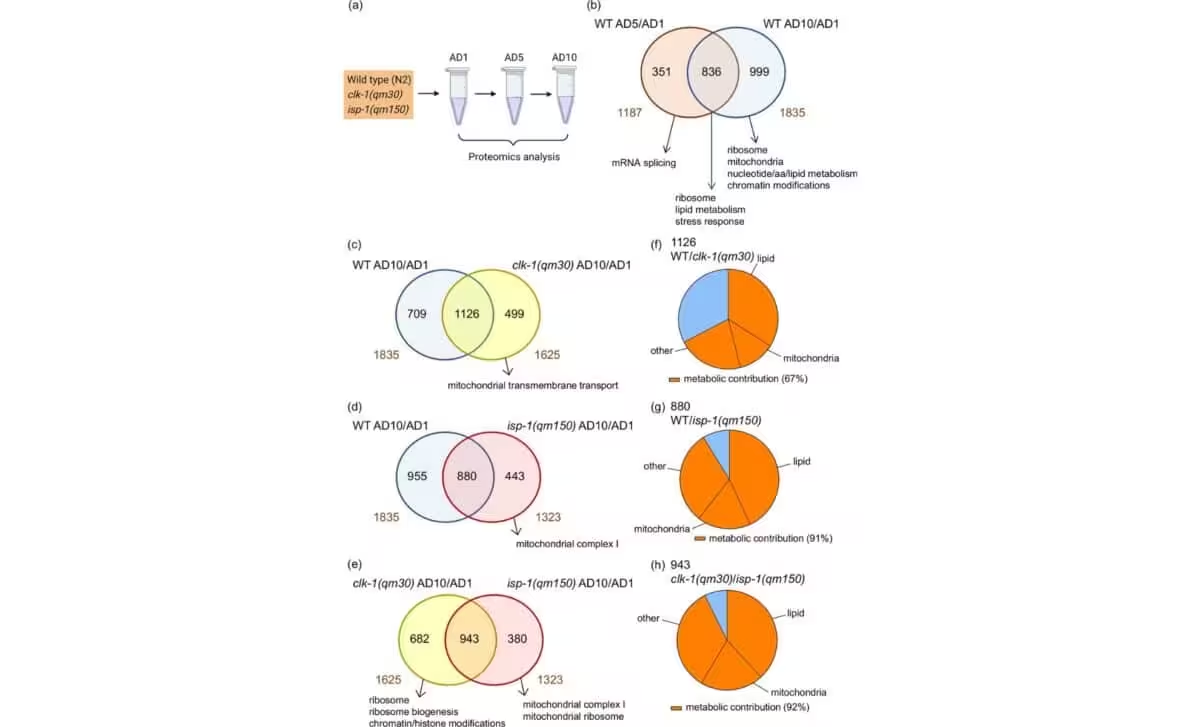
Human Data Reveals Age-Related Trends
The research team extended their findings to human biology by analyzing gene-expression databases, which confirmed that the expression of PEMT—the enzyme governing methylation-dependent PC synthesis—diminishes with age across various tissues. Further analysis of UK Biobank data revealed that while total PC levels tend to drop in older men, women experience a more pronounced decline in relative PC levels following the onset of menopause.
While higher PC concentrations were statistically associated with improved health metrics and lower lactate levels, the researchers emphasize that these human findings remain correlative. These patterns suggest an association with aging but do not establish a direct causal link in humans.
Restoration Potential and Experimental Hurdles
In laboratory experiments, the researchers attempted to rescue mitochondrial function by supplementing the diets of C. elegans with phosphatidylcholine or choline, a precursor that allows cells to bypass the impaired methylation pathway. These interventions successfully reduced mitochondrial fragmentation and improved oxygen consumption, though the researchers noted that the restorative effects were less robust in normally aging worms compared to those with specific genetic defects. This suggests that the aging process involves a complex cascade of events that cannot be reversed by lipid supplementation alone.
Supplementary testing in human cell cultures exposed to metabolic stress showed that choline could protect cells from membrane potential loss and programmed cell death. Despite these promising observations, the authors caution against over-interpreting the results. Because the study relied on nematode models and cultured cells, it does not confirm that these supplements can reverse or treat human aging. Future research is required to determine whether similar mechanisms operate within the complex systemic environment of the human body.
This article has been fact checked for accuracy, with information verified against reputable sources. Learn more about us and our editorial process.
Last reviewed on .
Article history
- Latest version
Reference(s)
- Poliezhaieva, Tetiana. “Aging-associated decline of phosphatidylcholine synthesis is a malleable trigger of natural mitochondrial aging - Nature Communications.”, vol. 17, no. 1, April 18, 2026, pp. 3589 Nature, doi: 10.1038/s41467-026-71508-7. <https://www.nature.com/articles/s41467-026-71508-7>.
Cite this page:
- Posted by Hassan Raza