Coastal Creatures Are Colonizing and Reproducing in the Great Pacific Garbage Patch
Plastic in the Great Pacific Garbage Patch is transporting coastal species thousands of miles, fundamentally altering our understanding of marine ecosystems.
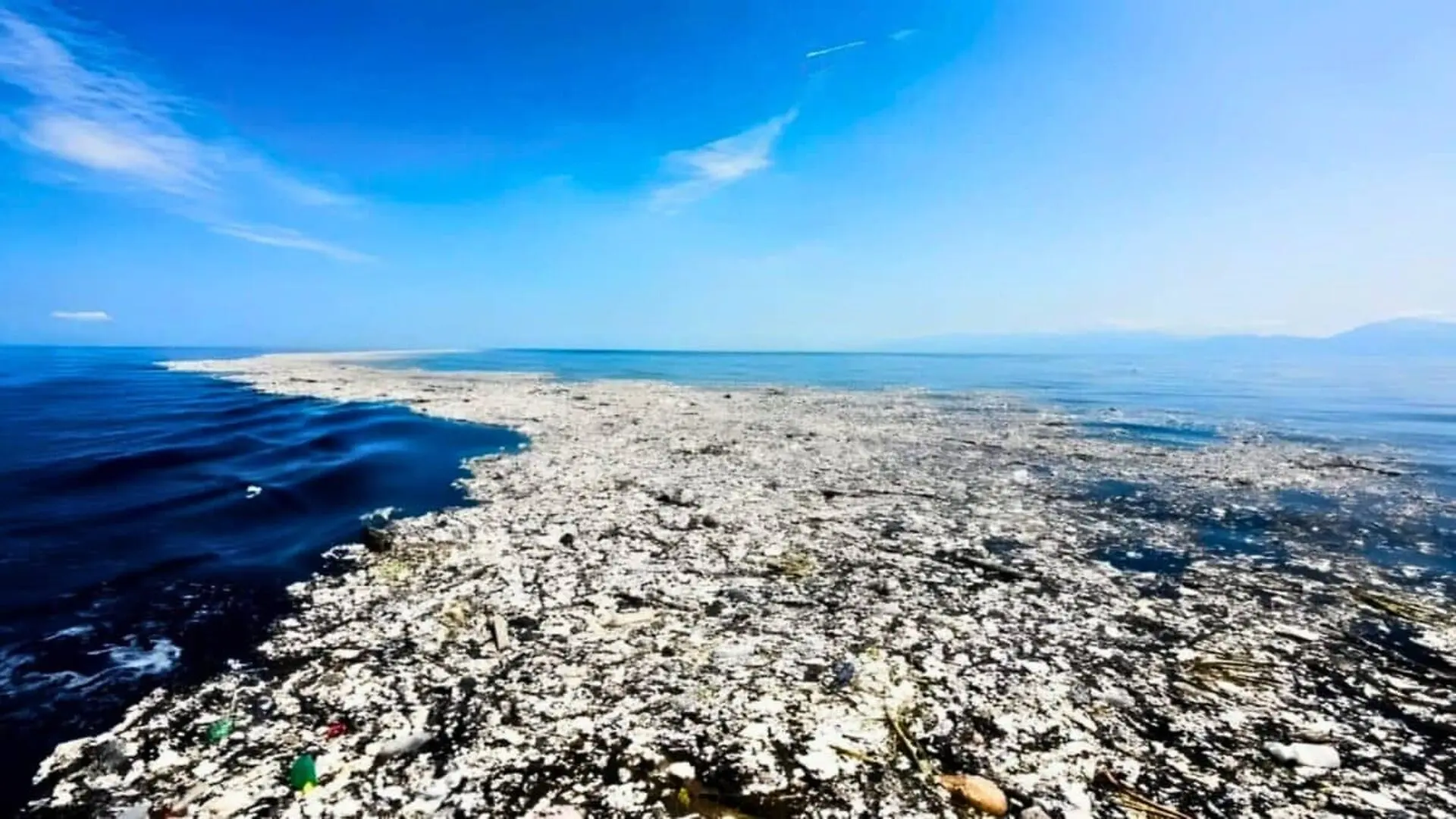
Thousands of miles from the nearest coastline, the Great Pacific Garbage Patch has become an unexpected sanctuary for a diverse array of marine life. Scientists have discovered that discarded plastic debris, trapped within the massive rotating currents of the North Pacific Subtropical Gyre, is acting as a durable habitat for coastal organisms, including anemones, crustaceans, and hydroids, that were previously thought incapable of thriving in the open ocean.
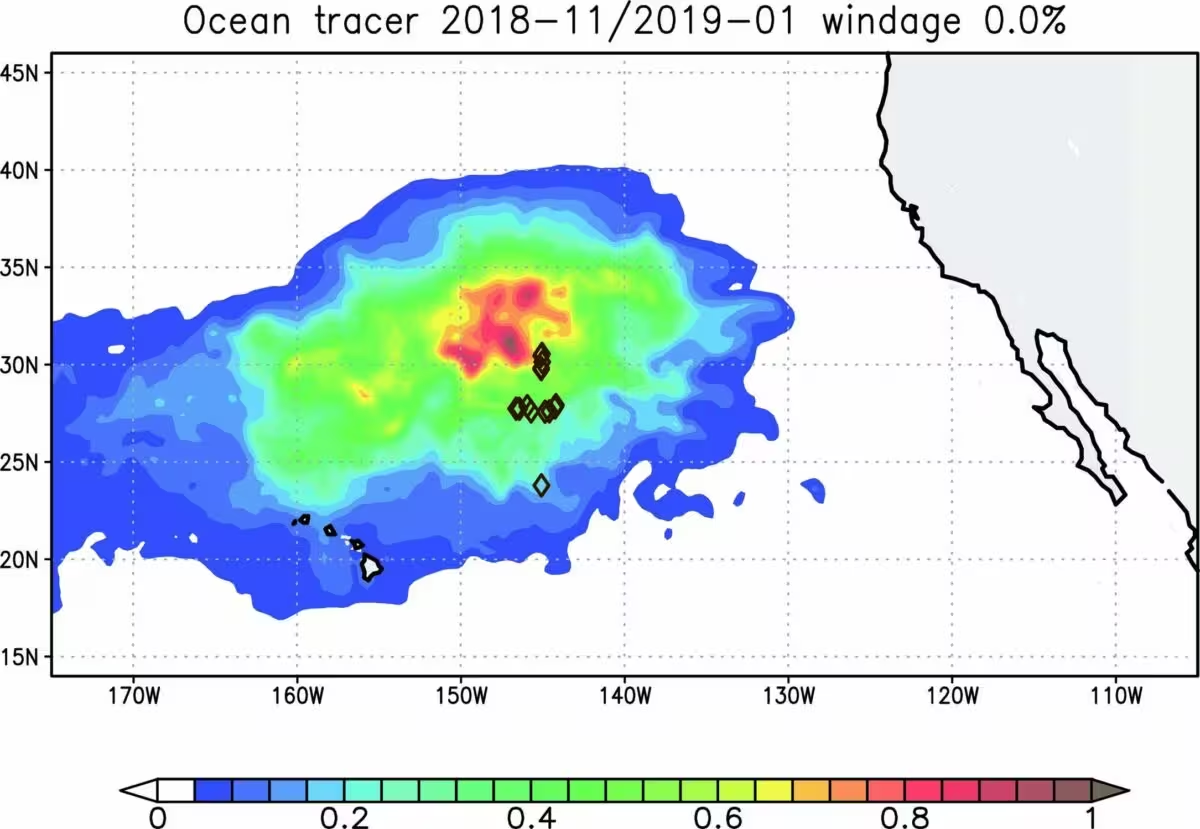
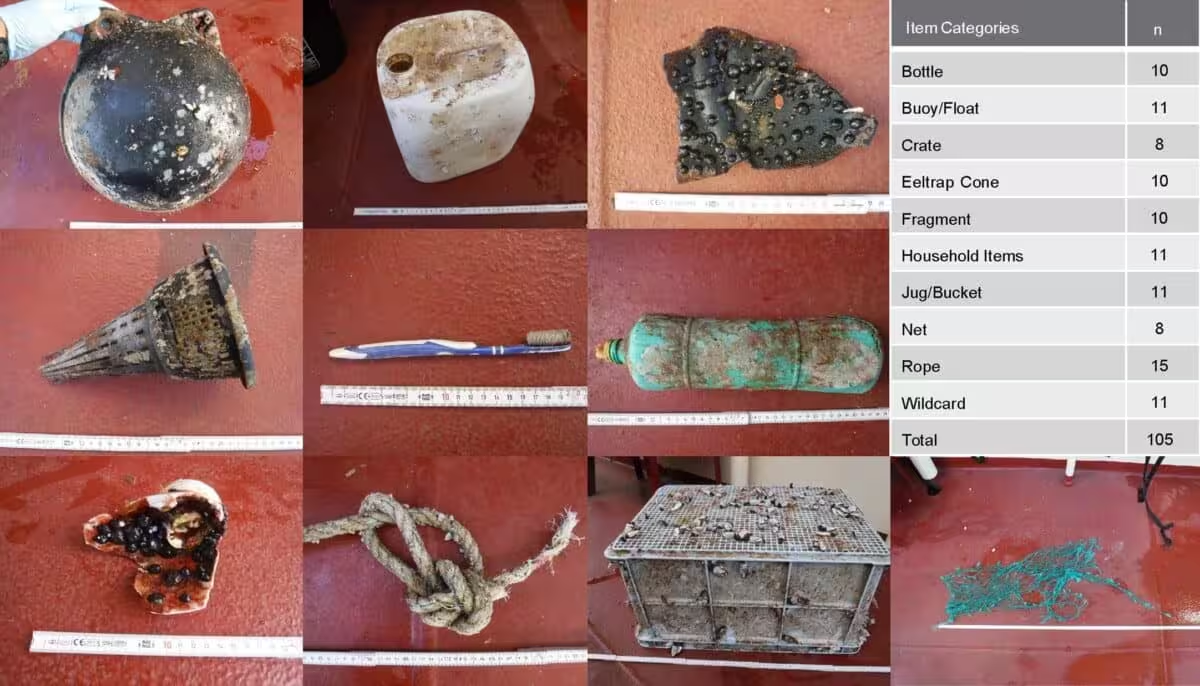
A study published in Nature Ecology & Evolution highlights the results of an investigation into 105 pieces of plastic recovered from the eastern North Pacific between 2018 and 2019. The findings revealed 46 different invertebrate taxa, with coastal species accounting for approximately 80% of the total diversity. The research team noted that nearly 95% of the examined items were colonized by marine life, with a significant majority harboring both coastal and open-ocean (pelagic) species.
Floating Plastic as a Persistent Habitat
Unlike natural rafts such as logs or vegetation, which eventually decay or sink, synthetic materials like nylon rope, fishing nets, and plastic containers are remarkably resilient. Their ability to remain afloat for years allows them to function as stable ecosystems in environments where life was once considered transient.
Among the items collected, rope proved to be particularly rich in biodiversity, supporting 24 distinct taxa. The presence of these organisms is not merely a byproduct of accidental transport; researchers found evidence that these communities are actively reproducing. The discovery of brooding females, egg-carrying crustaceans, and juvenile sea anemones suggests that these coastal species have established a permanent, albeit artificial, foothold in the high seas, forming what researchers describe as a “neopelagic community.”
Ecosystem Colonization Patterns
The origin of these floating hitchhikers is reminiscent of the aftermath of the 2011 Tōhoku earthquake and tsunami. In that event, millions of tons of debris washed into the Pacific, transporting hundreds of Japanese coastal species across the ocean to the shores of North America and Hawaii. Many of the organisms identified in the recent garbage patch study mirror those earlier arrivals, with nearly all coastal taxa traced back to the Northwest Pacific.
Environmental Complications for Cleanup Initiatives
This biological colonization creates a complex dilemma for conservation efforts. Organizations like The Ocean Cleanup are working to remove over 100 million kilograms of plastic from these accumulation zones, yet the debris is no longer inert waste. It has become a substrate for a unique, thriving biological community.
![The Great Pacific Garbage Patch is the largest of the five plastic accumulation zones in the world’s... [+] oceans.](https://www.bioscience.com.pk/images/8c183dd9a0.avif)
While this does not transform the pollution into a natural ecosystem, it does underscore the far-reaching biological consequences of human activity. The ability of organisms to adapt to these floating rafts reveals a level of ecological persistence that complicates the environmental impact of marine plastics, highlighting that human-made materials are fundamentally altering the connectivity and biological composition of our global oceans.
This article has been fact checked for accuracy, with information verified against reputable sources. Learn more about us and our editorial process.
Last reviewed on .
Article history
- Latest version
Reference(s)
- Haram, Linsey. “Extent and reproduction of coastal species on plastic debris in the North Pacific Subtropical Gyre - Nature Ecology & Evolution.”, vol. 7, no. 5, pp. 687-697. Nature, doi: 10.1038/s41559-023-01997-y. <https://www.nature.com/articles/s41559-023-01997-y>.
- “The Ocean Cleanup.”, October 5, 2019 The Ocean Cleanup <https://theoceancleanup.com/>.
Cite this page:
- Posted by Hassan Raza