Viral TikTok Leads Scientists to Discovery of Bizarre New Subterranean Fish Species
The discovery of a mysterious fish in an unexpected location has launched a scientific expedition deep into subterranean worlds.
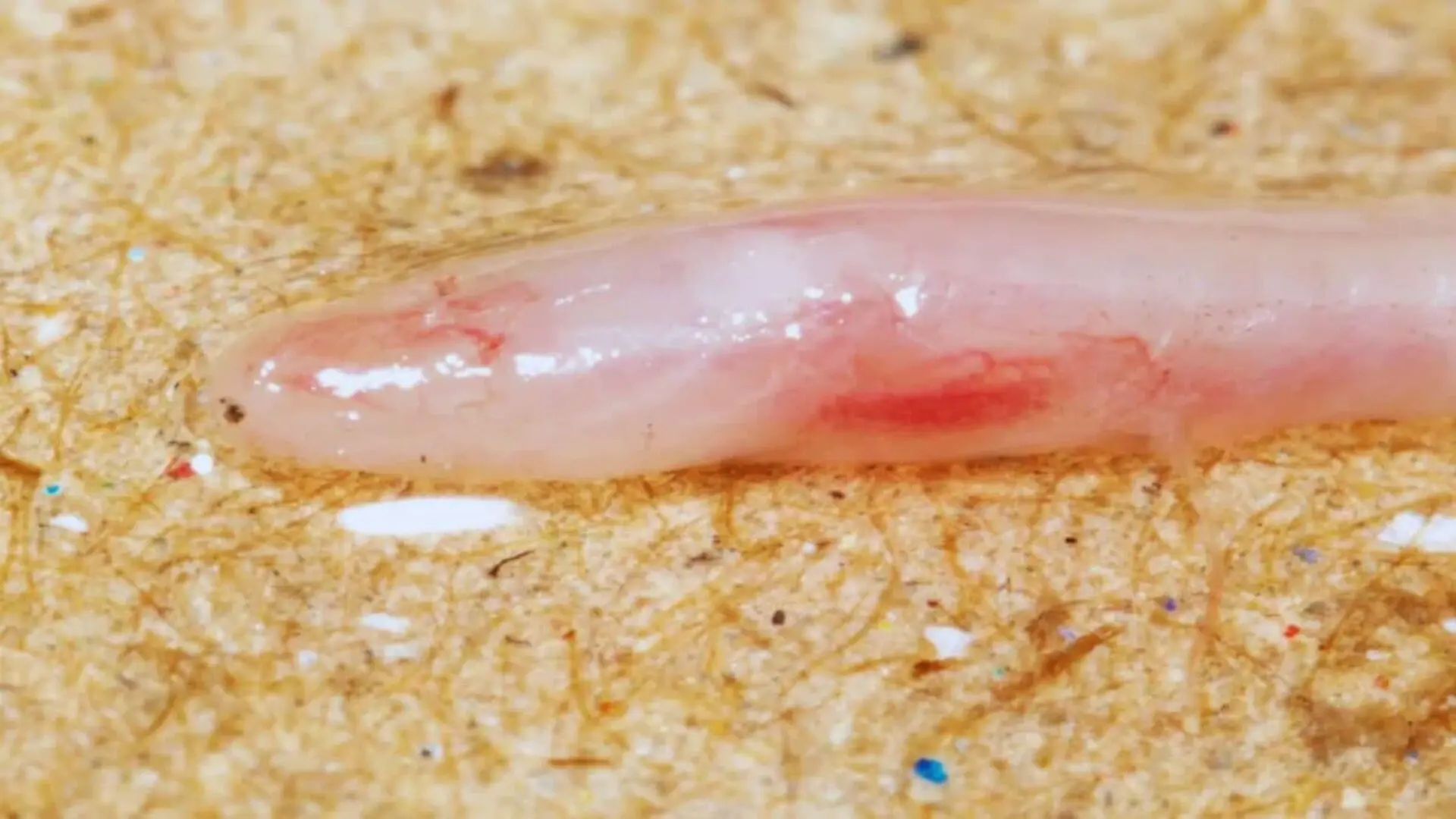
A viral social media clip has led to a major biological breakthrough, as scientists have identified a previously unknown species of subterranean eel living deep within the groundwater of the India-Nepal border region. The discovery of the tiny fish, now formally named Gangaichthys indonepalicus, marks the first time a stygobitic—or underground-dwelling—fish has been recorded in the vast Gangetic Basin.
The unusual journey to discovery began in 2024, when researchers spotted a short video on TikTok depicting a small, pale creature emerging from a narrow hole in the ground. The footage captured the attention of biologists who were aware that no subterranean fish had ever been documented in that part of northern India, prompting a collaborative effort between experts in India and China to investigate the source.
An Exhausting Hunt for Hidden Biodiversity
Tracking the eel proved far more difficult than finding it online. The research team spent weeks navigating the landscape, seeking out local borewells and handpumps, and securing permission from property owners to extract large volumes of groundwater. The process was physically demanding and logistically complex, requiring the manual extraction of hundreds of gallons of water from deep underground aquifers.
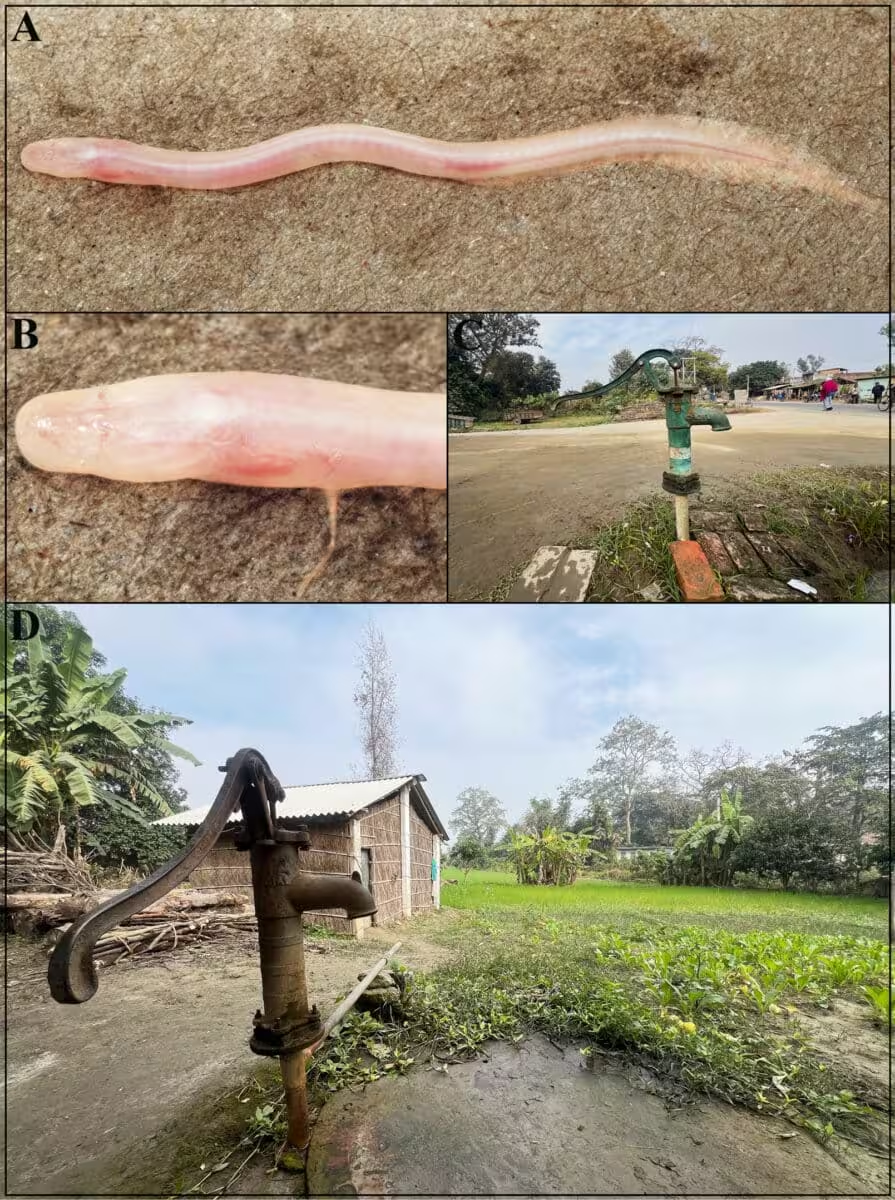
“Procuring samples of this unusual fish was challenging,” explained Akshay Khandekar, a zoologist with the Thackeray Wildlife Foundation. “Identifying potential handpumps and wells, and obtaining permission from their owners to extract water for the purpose of searching for the fish proved difficult. This became more intensive when we finally began manually pumping water.”
Persistence eventually paid off. The team recovered their first specimen after drawing roughly 530 gallons of water, with a second specimen surfacing after an additional 132 gallons were pumped from the same well.
Anatomy Adapted to Eternal Darkness
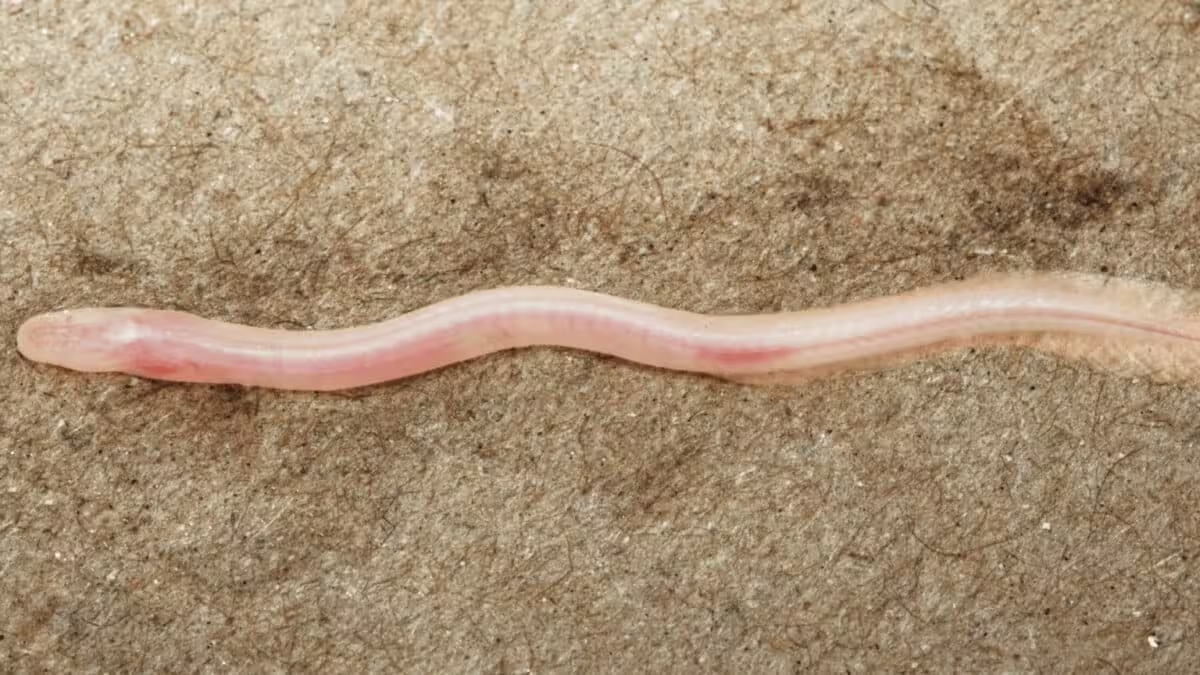
Measuring just 1.5 inches in length, Gangaichthys indonepalicus displays the classic physical traits of an organism adapted to life in a permanent subterranean void. The eel possesses a translucent, colorless body and small, skin-covered eyes that are largely vestigial, as well as an apparent lack of ribs. These adaptations are essential for survival in the nutrient-poor, lightless conditions of deep aquifers.
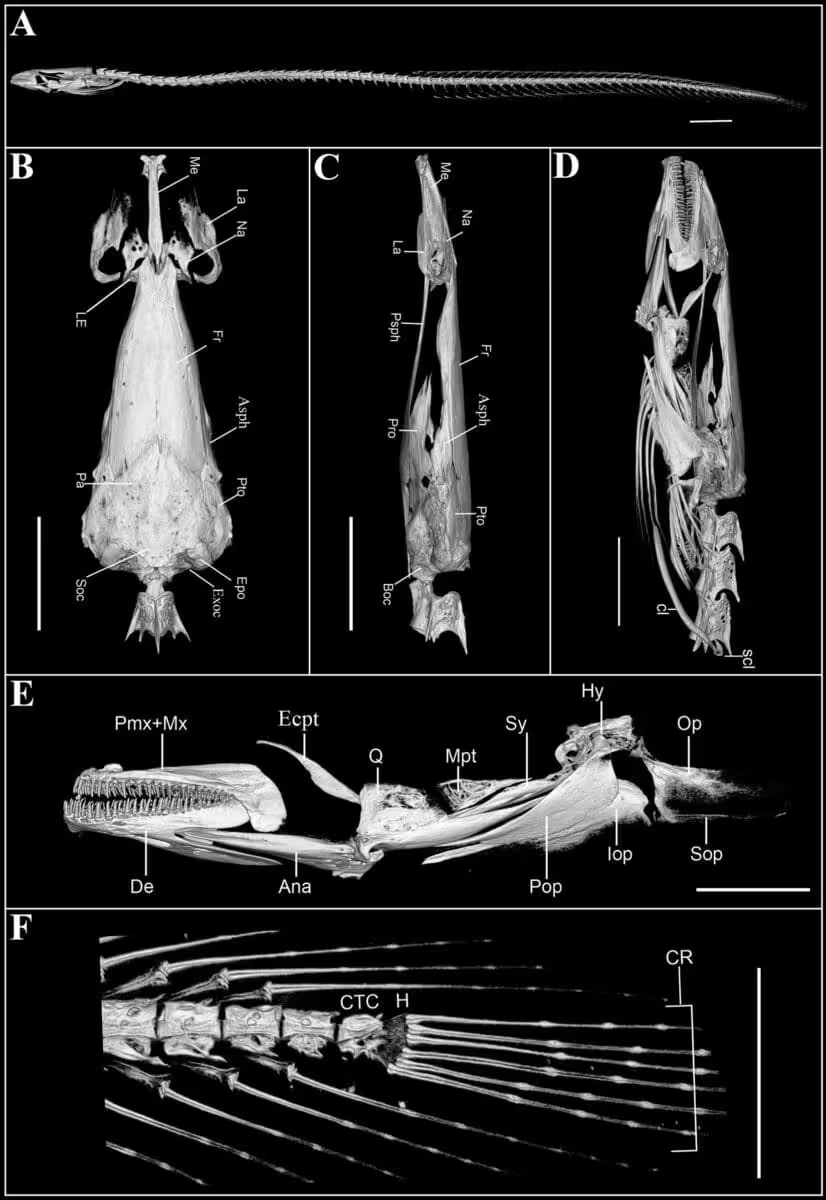
In a study published in ZooKeys, the researchers utilized advanced micro-CT scanning and genetic analysis to confirm the fish’s taxonomic standing. Their findings established the species not only as a novelty but as a entirely distinct genus within the earthworm eel family Chaudhuriidae.
Geographic Significance and Future Exploration
The name Gangaichthys, or “fish of the Ganga,” serves as a nod to the vital river system that supports millions of people in the region. Researcher Ishan Agarwal noted that the discovery underscores the importance of protecting these hidden ecosystems, which have remained largely unexplored. The species designation, indonepalicus, highlights the transboundary nature of the habitat near the India-Nepal border.
The team believes this find is likely just the beginning, suggesting that the diverse, sprawling geography of India could hide a vast array of undocumented subterranean biodiversity awaiting discovery beneath the surface.
This article has been fact checked for accuracy, with information verified against reputable sources. Learn more about us and our editorial process.
Last reviewed on .
Article history
- Latest version
Reference(s)
- <https://www.researchgate.net/profile/Akshay-Khandekar>.
- Khandekar, Akshay. “Gangaichthys indonepalicus, a new genus and species of miniature stygobitic earthworm eel (Synbranchiformes, Chaudhuriidae) from alluvial aquifers in the Indo-Gangetic Plain, Bihar, northern India.”, vol. 1289, August 11, 2026, pp. 185-202. Pensoft Publishers, doi: PropertyValue. <https://zookeys.pensoft.net/article/188089/>.
- “Ishan Agarwal - Department of Computer Science.” Department of Computer Science <https://computerscience.uchicago.edu/people/ishan-agarwal/>.
Cite this page:
- Posted by Hassan Raza