Scientists Discover Iconic Freshwater Giant Could Live For Over 400 Years
Researchers have uncovered a hidden secret in Great Lakes fish species, challenging decades of traditional age-tracking methods and scientific assumptions.
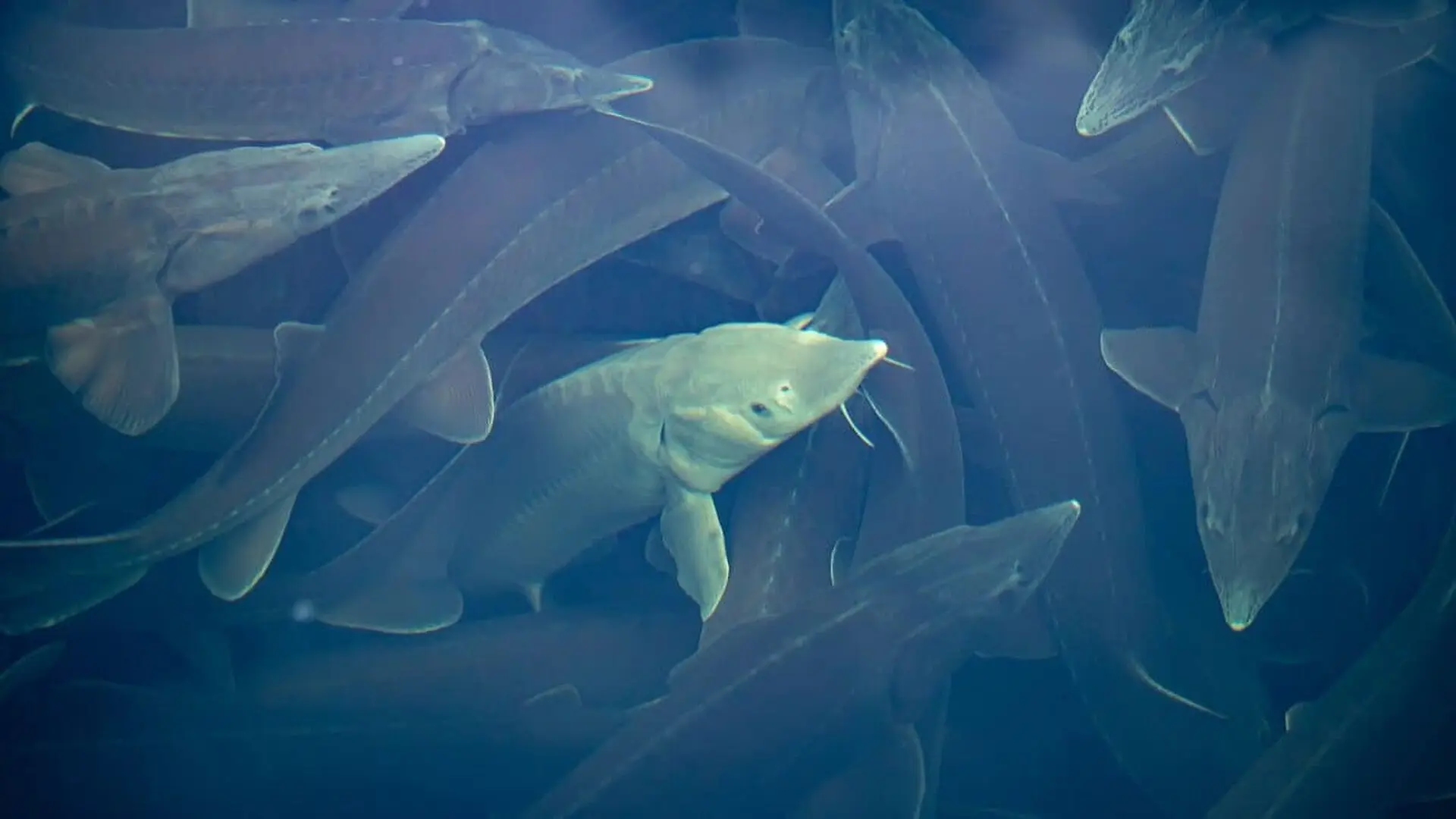
The lake sturgeon (Acipenser fulvescens), a prehistoric giant of North American freshwater systems, may be far more ancient than previously believed. While official records from the U.S. Fish and Wildlife Service have long capped the lifespan of these massive fish—which can reach lengths of seven feet and weights of 300 pounds—at 150 years, new research suggests these figures significantly underestimate the species’ longevity. A study published in the Journal of Fish Biology indicates that some lake sturgeon could survive for 200, 300, or potentially even more than 400 years.
This reevaluation of sturgeon longevity challenges traditional methods of aging the fish. Biologists have historically relied on counting growth rings within the pectoral fin spine, a technique similar to dendrochronology used for trees. However, as these fish age, their growth rings become increasingly compressed and difficult to distinguish, likely leading to a consistent underestimation of their actual age.
Innovative Modeling Reveals Hidden Longevity
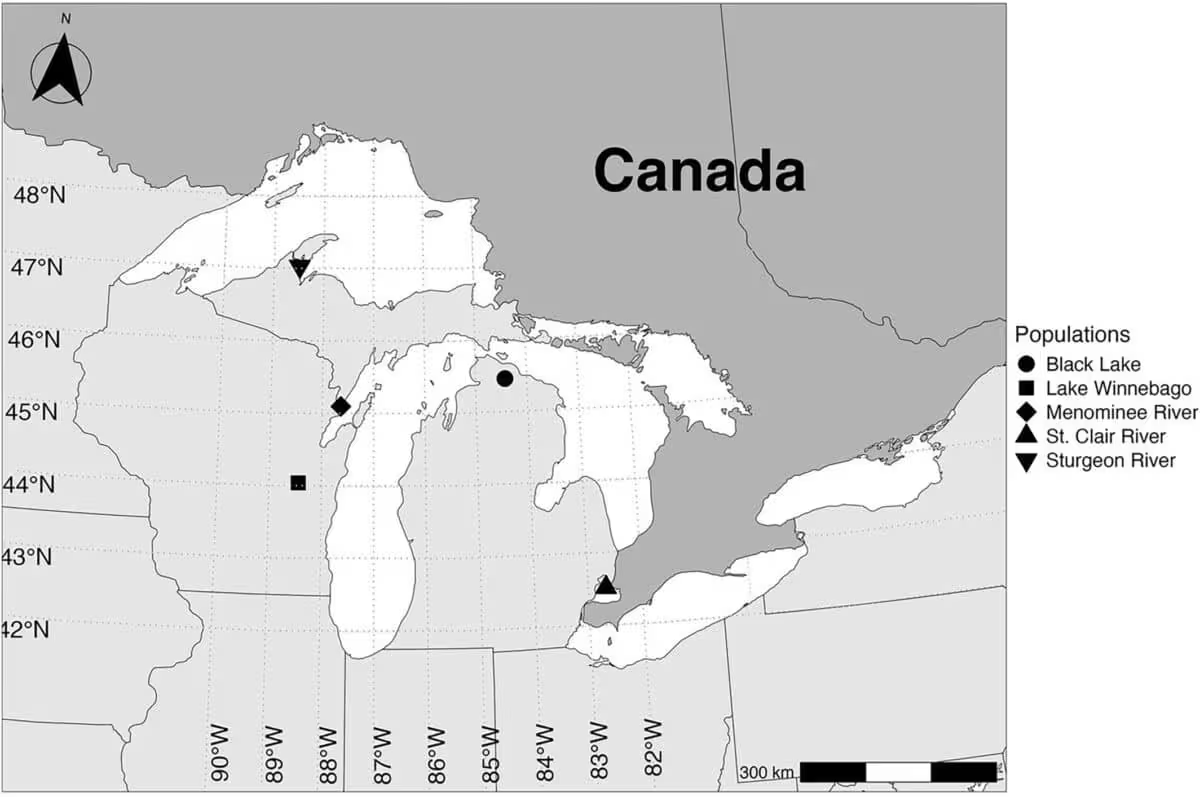
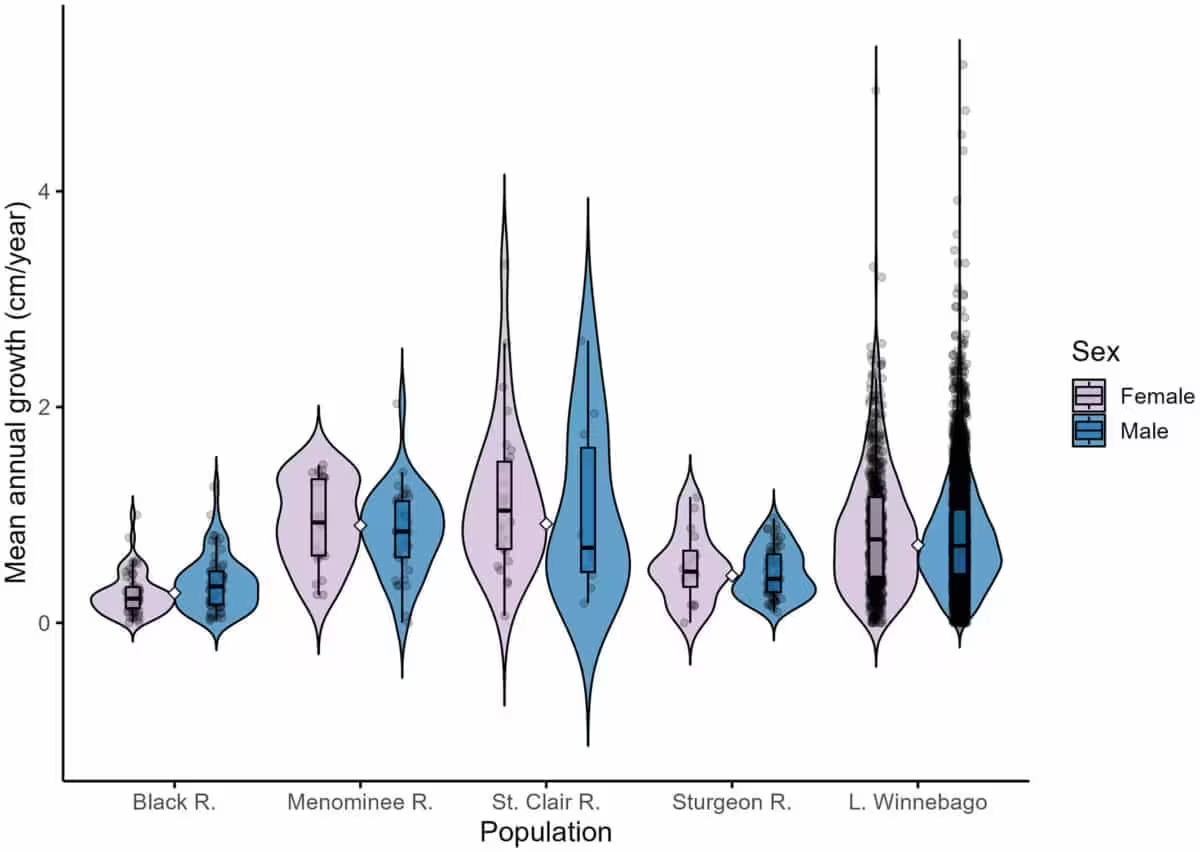
To overcome the limitations of fin-spine analysis, a research team led by Edward Baker of the Michigan Department of Natural Resources utilized 44 years of capture-mark-recapture data. By tracking individual fish over several decades, the researchers were able to precisely map growth rates across the species’ lifespan. The team then applied a mathematical model—a technique previously used to confirm the multi-centennial lifespan of the Greenland shark—to correlate physical size with potential age.
Scott Colborne, a co-author of the latest study from Michigan State University, noted that the results offer a profound new perspective on the species. “Scientists have long recognized that lake sturgeon are among North America’s longest-lived freshwater fish,” Colborne said. “But the new study suggests they may live far longer than previously appreciated. These fish are a living connection to history.”
Biology and Traditional Knowledge Align
While no individual fish has been definitively verified as 400 years old through direct observation, the model provides a compelling argument for such extremes. Researchers suspect that the species’ ability to enter a low-energy state of torpor during the harsh winter months contributes to their remarkably slow aging process. Interestingly, this scientific breakthrough mirrors the long-standing traditional knowledge of Indigenous communities, who have long maintained that these fish possess extreme longevity. Colborne described the confirmation as a “goosebump moment” when modern data finally caught up with generational wisdom.
Conservation Successes Safeguard an Ancient Lineage
The lake sturgeon has occupied freshwater environments for approximately 150 million years, making them survivors of multiple geological eras. Collaborative efforts between federal, state, and tribal agencies have been instrumental in stabilizing populations, as evidenced by a report from the U.S. Fish and Wildlife Service in April 2024 regarding improved spawning success.
By protecting the habitats and lifecycles of these fish, conservationists are essentially guarding living biological archives. “Because of their life history, sturgeon are very resilient and adaptable animals,” Colborne concluded. “If we give them the opportunity to survive, they’ll figure it out.”
This article has been fact checked for accuracy, with information verified against reputable sources. Learn more about us and our editorial process.
Last reviewed on .
Article history
- Latest version
Reference(s)
- Baker, Edward A.., et al. “Lake sturgeon ( Acipenser fulvescens ) growth and longevity estimated from adult capture–mark–recapture data.” Journal of Fish Biology, April 28, 2026 Wiley, doi: 10.1111/jfb.70478. <https://onlinelibrary.wiley.com/doi/full/10.1111/jfb.70478>.
- <https://www.fws.gov/press-release/2024-04/collaborative-conservation-keeps-lake-sturgeon-endangered-list>.
Cite this page:
- Posted by Hassan Raza