Receding Danube Waters Reveal Massive 8 Ton Woolly Mammoth Skeleton
A rare mammoth fossil discovered on a Bulgarian riverbank has left researchers puzzled, sparking new questions about the creature’s mysterious origins.
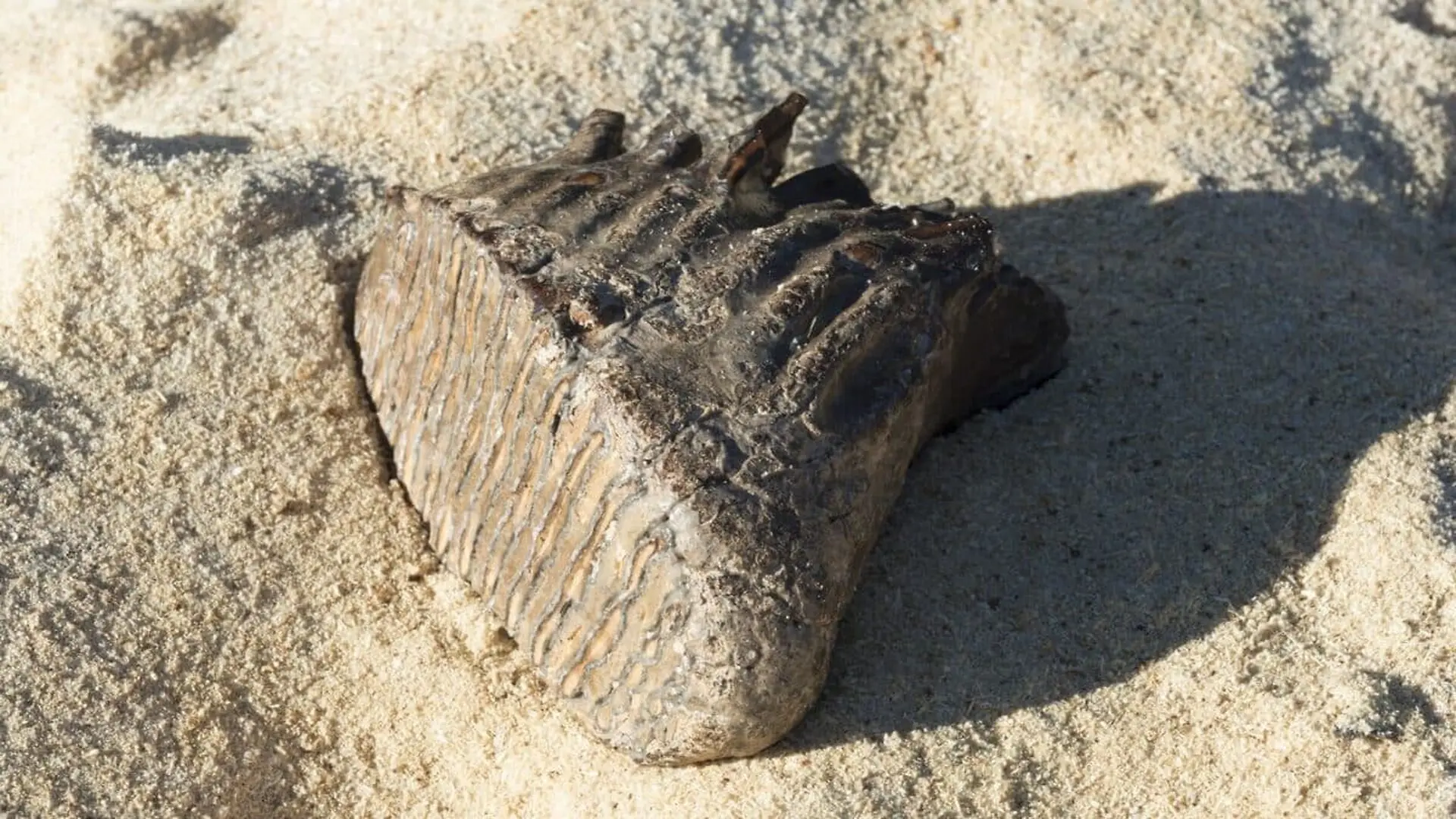
Historic low water levels along the Danube River have unveiled the skeletal remains of a woolly mammoth near the village of Ryahovo in Bulgaria. The discovery occurred after a local resident spotted large, unusual bones protruding from the exposed riverbed, prompting a rapid recovery operation that has already secured a jaw, tusks, and several ribs.
This find follows a series of recent climate-driven revelations along the river, where receding waters have also exposed long-submerged shipwrecks. While those earlier artifacts offered a glimpse into recent history, the mammoth remains provide a window into a period dating back hundreds of thousands of years.
Exceptional Scale and Scientific Significance
Experts from the Regional History Museum in Ruse were dispatched to the site to assess the site’s potential. Preliminary estimates suggest the animal was remarkably large, standing approximately 16 feet tall and weighing between 7 and 8 tonnes. These dimensions significantly exceed the typical size of adult woolly mammoths, which Britannica generally cites as reaching 10 to 12 feet in height.
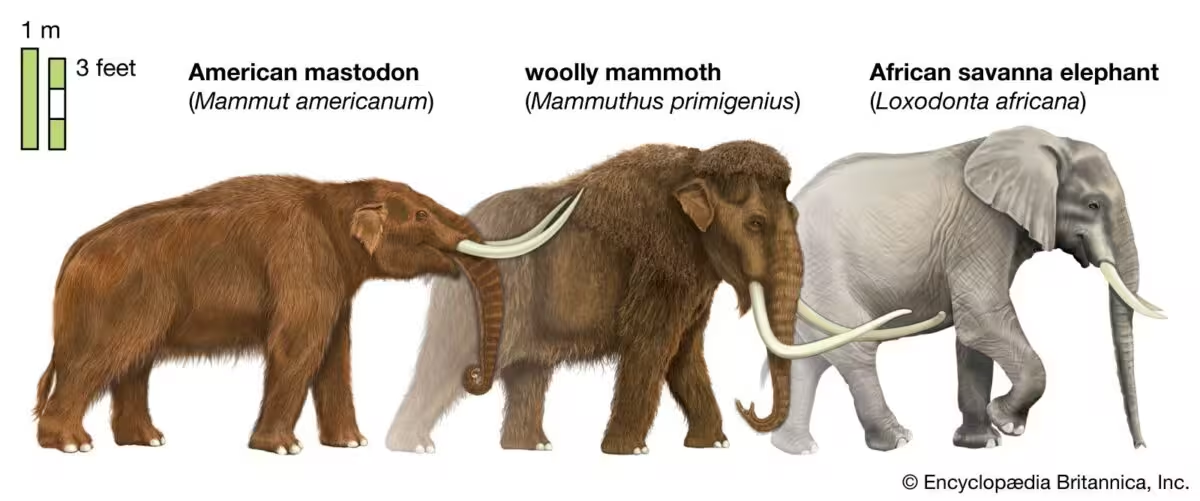
The woolly mammoth species thrived during the Pleistocene, first appearing between 500,000 and 800,000 years ago. While most populations vanished between 7,000 and 10,000 years ago, small, isolated groups persisted until roughly 4,000 years ago. Because the bones have begun to degrade upon exposure to air, the recovery team is working under strict protocols to ensure the integrity of the fossils during transport and subsequent preservation.
Investigating the Origins of the Ryahovo Find
Researchers are currently debating how the mammoth remains arrived at the Ryahovo riverbank. Curator Krasimir Kirov of the museum’s Nature Department suggests the site may serve as a natural catchment area, where the river’s currents have deposited biological material over centuries. However, he notes that some of the fossils may also originate from animals that inhabited the immediate area.
Museum director Nikolay Nenov offers a contrasting theory. He notes that, unlike other local discoveries where bones are typically scattered by hydraulic action, these remains were found in a tight cluster. This proximity suggests the possibility that the mammoth died in situ, potentially within a swampy environment that once dominated the landscape. While the dark coloration of the bones is often associated with bog-like conditions, the team notes that further chemical analysis is required to confirm the environment at the time of the animal’s death.
A Treasure Trove of Ancient History
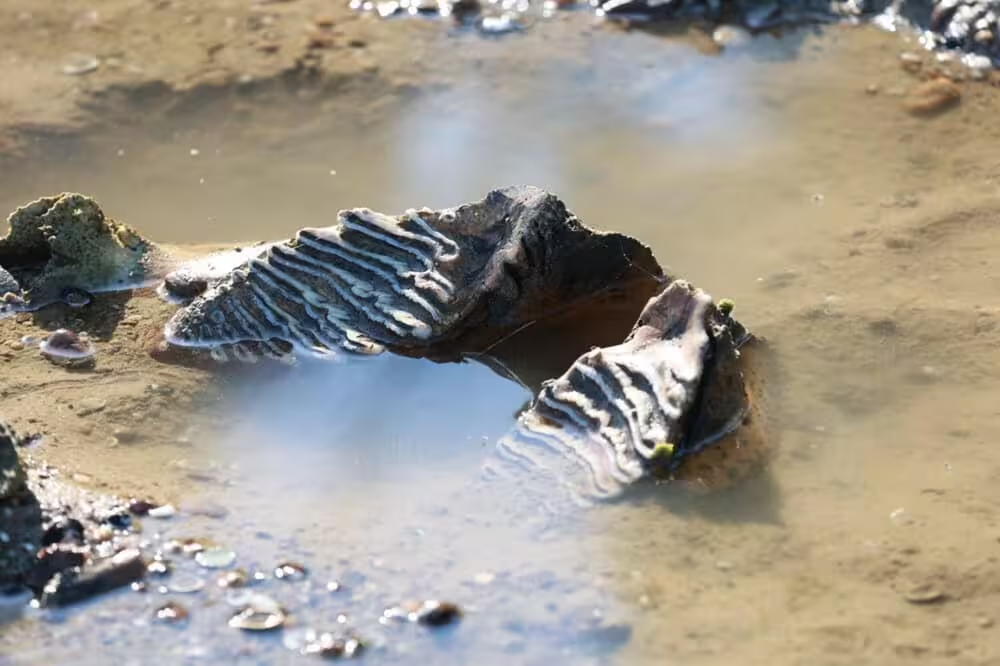
The mammoth is not the only prehistoric artifact appearing in the area. The region is known for the frequent discovery of fossilized wood, which is often so well-preserved that it is mistaken for common river stones. In one notable instance, a piece of petrified wood was used as a doorstop by a local crew before its true historical value was identified by museum curators.
Once the conservation process is complete, the mammoth bones are expected to join the Regional History Museum’s permanent exhibition. The display will supplement the museum’s current anatomical models, offering the public a clearer perspective on the sheer scale of these Ice Age titans.
“I would not call it a sensation, but every discovery of such ancient remains is very important for science,” Nenov remarked.
This article has been fact checked for accuracy, with information verified against reputable sources. Learn more about us and our editorial process.
Last reviewed on .
Article history
- Latest version
Reference(s)
- Kyuchukov, Metodi. “Mammoth Remains Discovered near Ruse Village Due to Low Danube Water Level.”, July 30, 2026 BTA <https://www.bta.bg/en/news/culture/1176235-mammoth-remains-discovered-near-ruse-village-due-to-low-danube-water-level>.
- <https://www.britannica.com/animal/woolly-mammoth>.
Cite this page:
- Posted by Hassan Raza