Massive 4,000 Year Old Fortification Found in Morocco Rewrites North African History
Archaeologists have uncovered a 4,000-year-old defensive structure in Morocco, revealing the earliest large-scale fortification in North Africa’s interior.
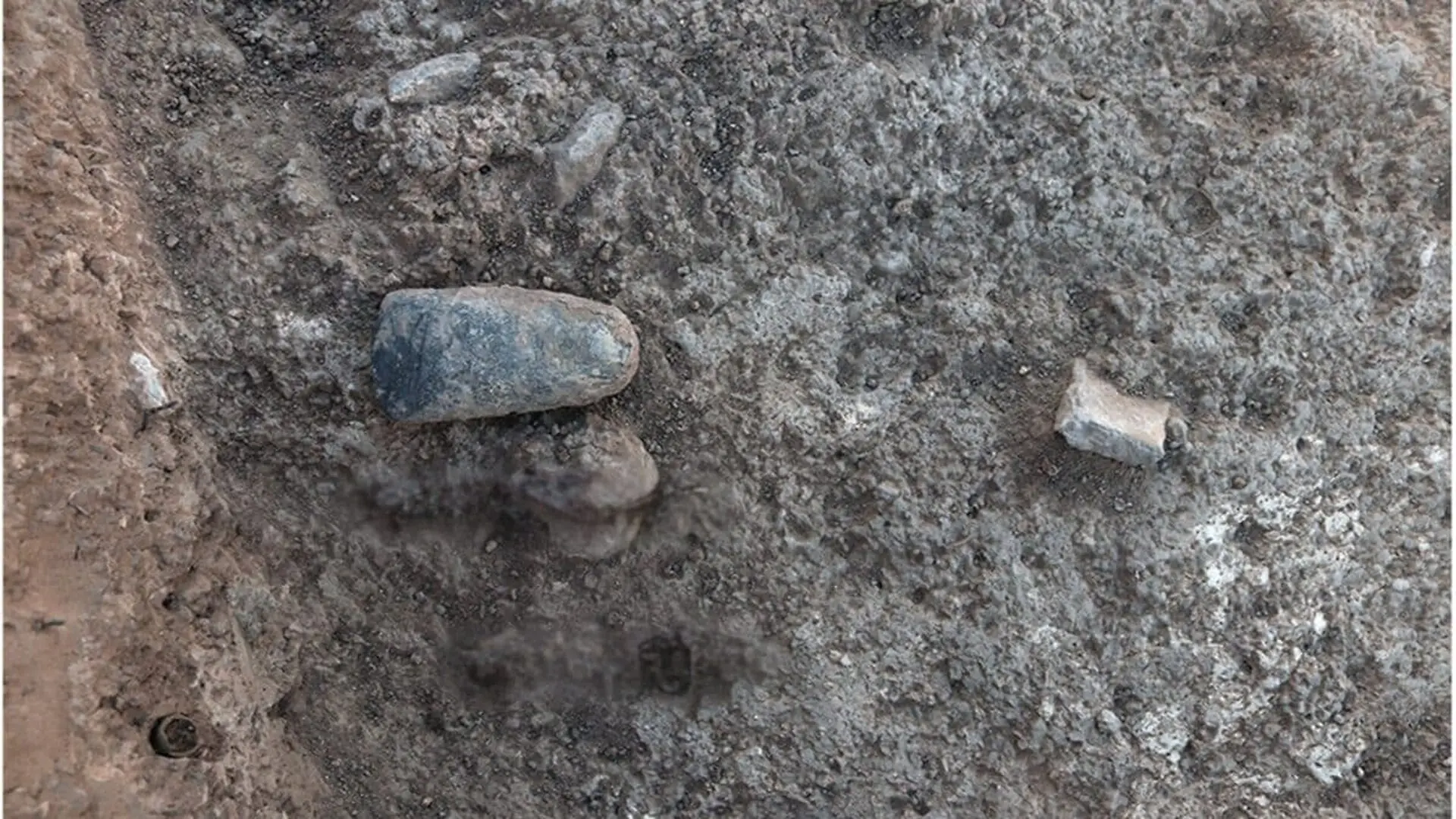
Archaeologists working in Morocco’s Khémisset Province have uncovered evidence of sophisticated, multi-era construction at the Oued Beht site, fundamentally shifting our understanding of how ancient North African communities organized their landscapes. New excavations conducted by the Oued Beht Archaeological Project reveal that the location, perched on a ridge overlooking the Oued Beht River, served as a focal point for human activity far beyond its initial agricultural origins.
Defensive Engineering in the Second Millennium BC
The site, which utilizes a natural ravine and river geography for protection, features an elaborate man-made system of walls, embankments, and ditches. These structures were first noted by French researcher Armand Ruhlmann in the 1930s, though their precise age remained a subject of speculation for nearly a century. A study published on September 7, 2026, in Libyan Studies has finally settled the timeline using radiocarbon dating, pinning the primary construction to the early and middle second millennium BC.
Excavation of the main defensive barrier, designated as Wall B1, unearthed foundational materials including compacted gravel and daub. Radiocarbon analysis places these deposits firmly between 2010 and 1623 BC. Nearby, a ditch measuring nearly two meters wide further demonstrates the scale of labor involved, with site activity dating back to between 1500 and 1300 BC. While these barriers likely served a defensive purpose, researchers emphasize that they may also have functioned as territorial markers or controlled access points for a society that was clearly capable of high-level project coordination.
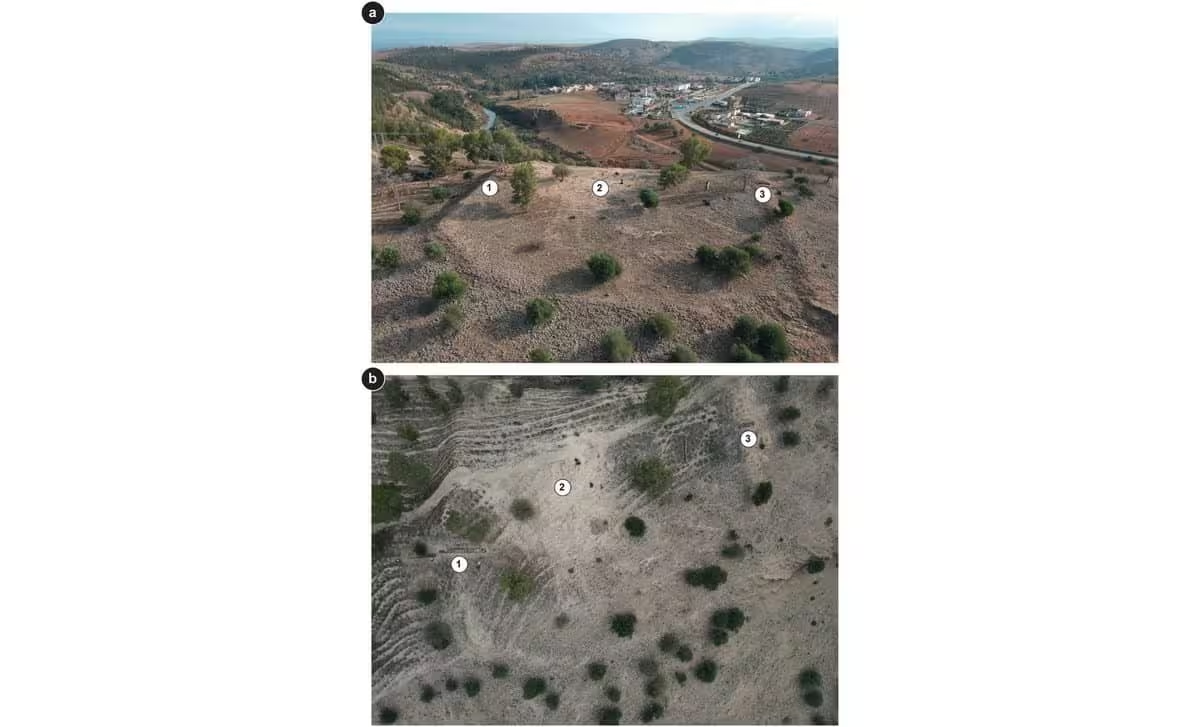
A Hub of Early Agricultural Innovation
The site’s defensive phase is only one chapter in its long history. Archaeological data, as noted by The Conversation, indicates that the area hosted a massive agricultural complex between the fourth and third millennia BC. Spanning roughly 10 hectares, this settlement is now identified as the largest and most ancient farming site in Africa outside of the Nile Valley.
The inhabitants of this prehistoric hub were highly resourceful, cultivating barley, durum wheat, and peas, while harvesting wild staples such as pistachios and olives. The presence of numerous bell-shaped pits suggests the community relied on large-scale food storage, supported by an array of polished stone tools and distinctively decorated pottery. This early complexity mirrors development patterns seen across the Mediterranean, including contemporaneous fortified sites in southern Iberia.
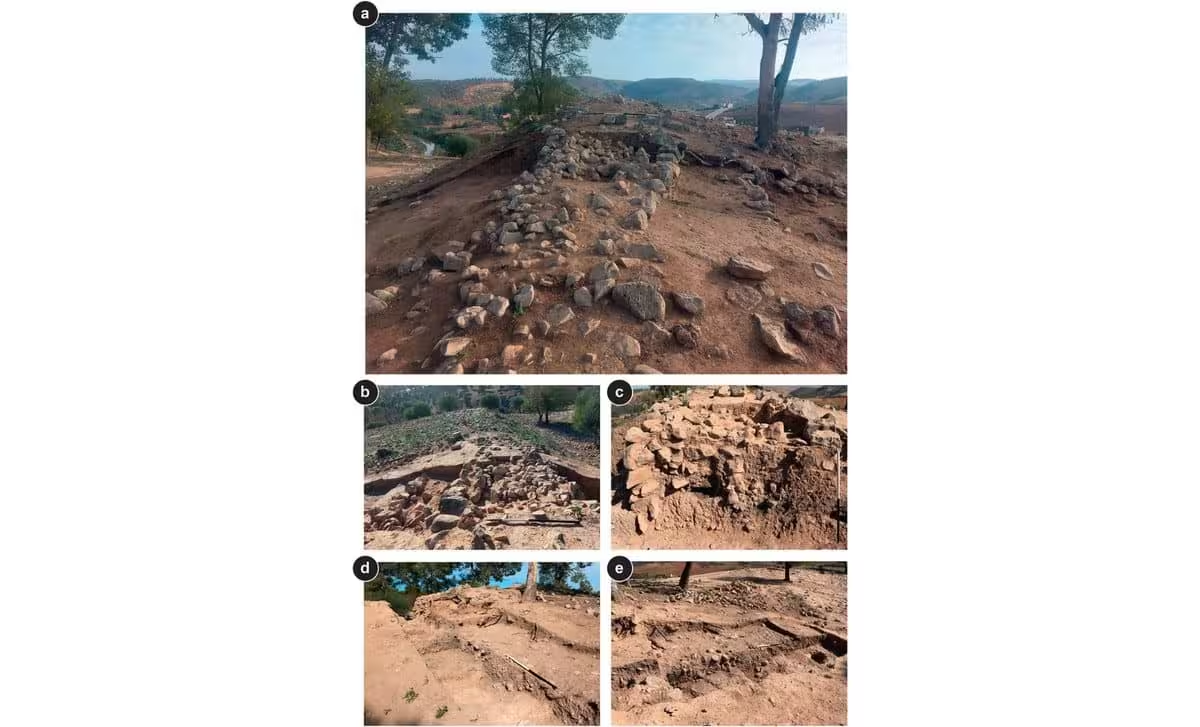
Enduring Legacy and Medieval Revitalization
The Oued Beht ridge remained a significant location well into the medieval era. Between the 11th and 13th centuries AD, residents repaired and repurposed parts of the original defensive system, supplementing it with a nearby settlement and cemetery. These findings confirm that Oued Beht was not merely a static monument of the past, but a location of persistent human innovation and adaptation that bridged millennia of North African history.
This article has been fact checked for accuracy, with information verified against reputable sources. Learn more about us and our editorial process.
Last reviewed on .
Article history
- Latest version
Reference(s)
- Lucarini, Giulio. “Expanding Oued Beht: Final Neolithic, Bronze Age, medieval and later discoveries from excavation and survey in 2023 | Libyan Studies | Cambridge Core.”, pp. 1-42. Cambridge Core, doi: 10.1017/lis.2026.10037. <https://www.cambridge.org/core/journals/libyan-studies/article/expanding-oued-beht-final-neolithic-bronze-age-medieval-and-later-discoveries-from-excavation-and-survey-in-2023/14DDFFC8CCE2D73816C8ED2240FBCFDC>.
- Lucarini, Giulio. “History is being rewritten at an archaeological site in Morocco. What the discovery of an ancient wall tells us.”, September 15, 2026 The Conversation, doi: 10.64628/AAJ.v55sxmjxt. <https://theconversation.com/history-is-being-rewritten-at-an-archaeological-site-in-morocco-what-the-discovery-of-an-ancient-wall-tells-us-278911>.
Cite this page:
- Posted by Vikram Desai