Thousands Of Ancient Almonds Finally Reveal The True Age Of A Famous Greek Shipwreck
Thousands of ancient almonds found in a shipwreck’s cargo have finally revealed the exact date the vessel sank, solving a decades-old archaeological mystery.
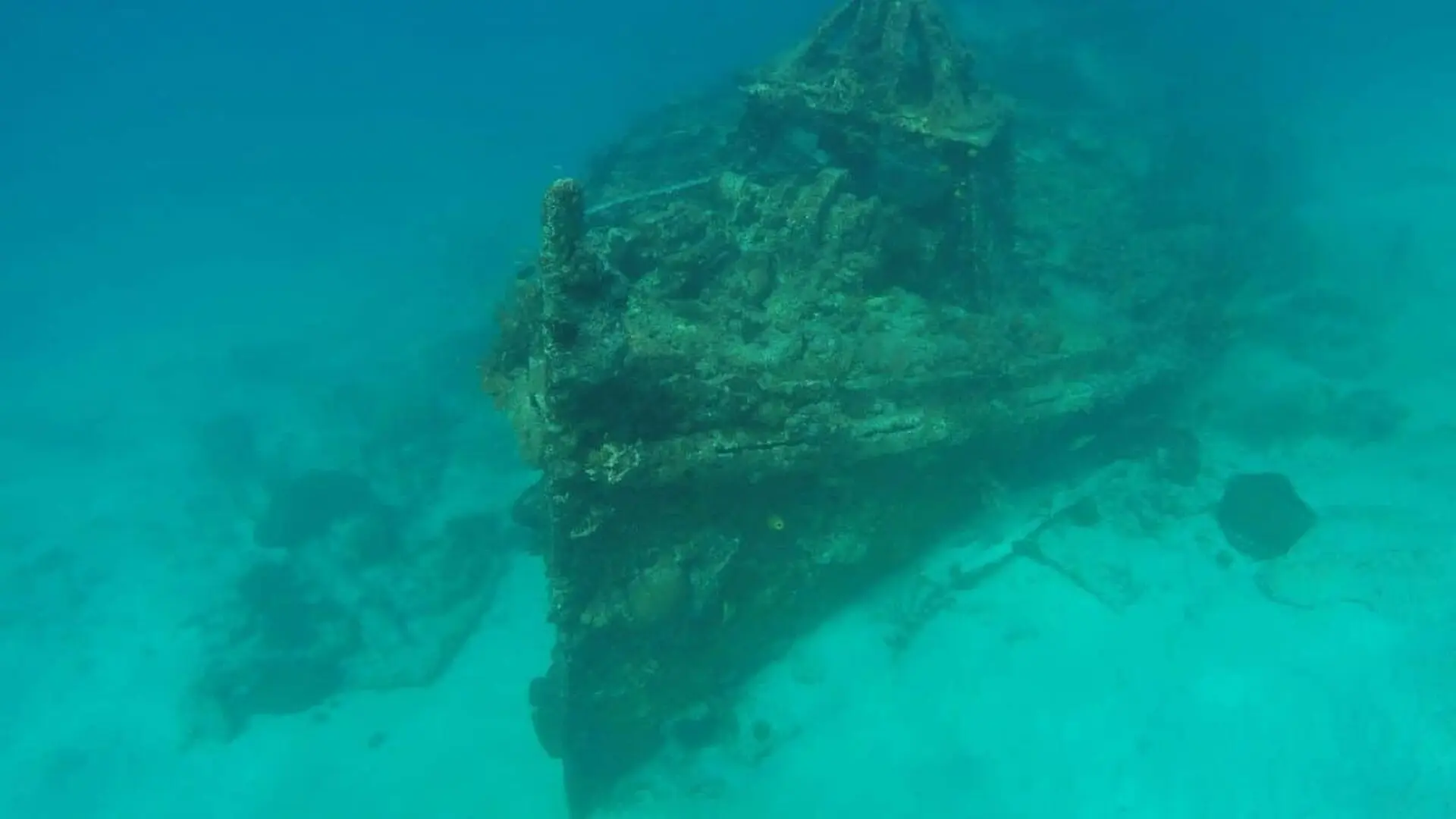
A breakthrough in archaeological science has finally provided a definitive timeline for the Kyrenia, a famed Hellenistic-era merchant vessel discovered off the coast of Cyprus. By analyzing thousands of preserved almonds found within the ship’s cargo, researchers from Cornell University have determined that the vessel most likely sank between 286 and 272 BCE.
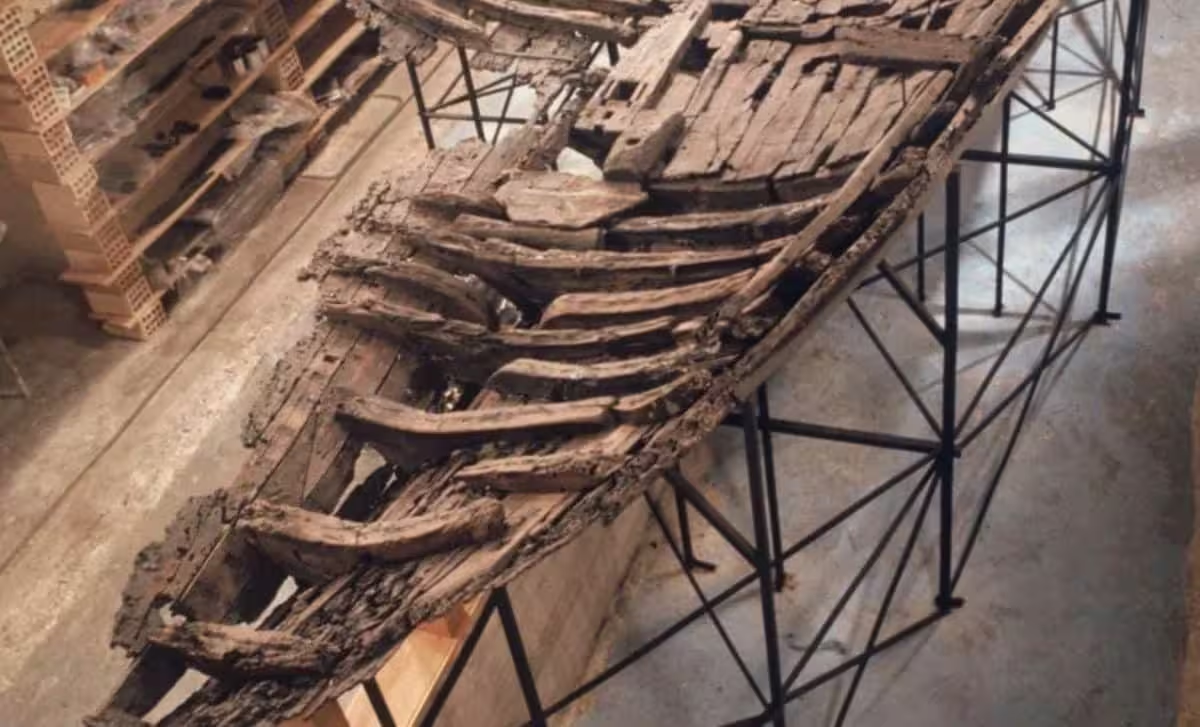
The Kyrenia shipwreck, first located in 1965, remains one of the most significant maritime discoveries in history. As the first major Hellenistic Greek ship to be recovered with a largely intact hull, it served as a primary reference for scholars studying ancient naval architecture and trade for decades. Despite its importance, the exact date of its final voyage had eluded experts since it was excavated between 1967 and 1969.
“It was a bit of a landmark moment, the idea that you actually could dive, excavate, and bring up a classical-era ship and so discover this long-past world directly,” said lead author Sturt Manning. “Shipwrecks are unique time capsules, and you can get amazing preservation.”
Overcoming the Contamination Hurdle
Early attempts to date the ship were hindered by limited evidence, such as pottery and a poorly preserved coin, which suggested a broad timeline in the late 4th century BCE. While radiocarbon dating should have offered a solution, the ship’s timbers had been treated with polyethylene glycol (PEG), a petroleum-based substance commonly used in the 20th century to prevent waterlogged wood from collapsing upon drying.
“PEG was a standard treatment for decades. The trouble is it’s a petroleum product,” Manning explained. “If you’ve got PEG in the wood, you have this contamination from ancient fossil carbon that makes radiocarbon dating impossible.”
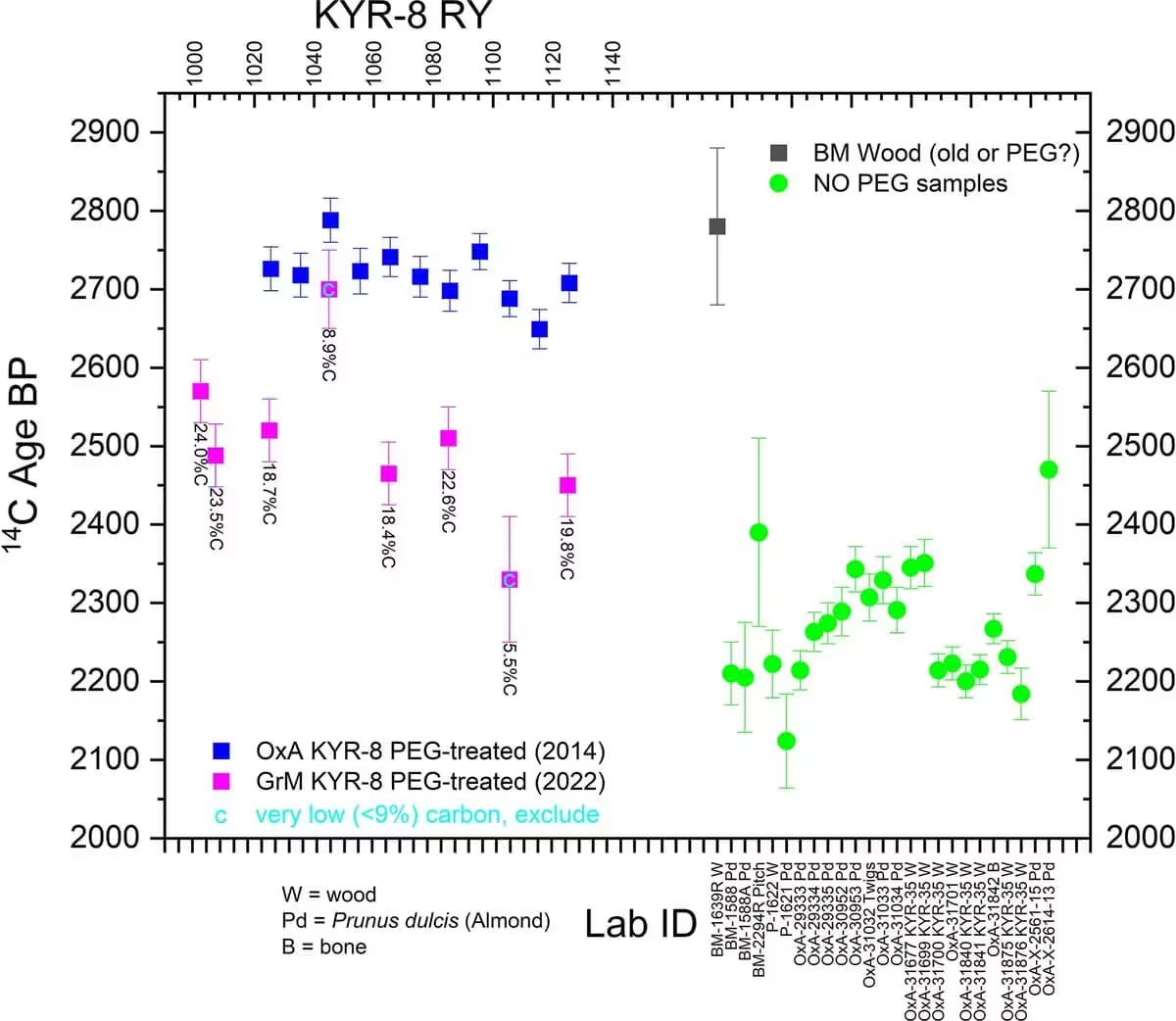
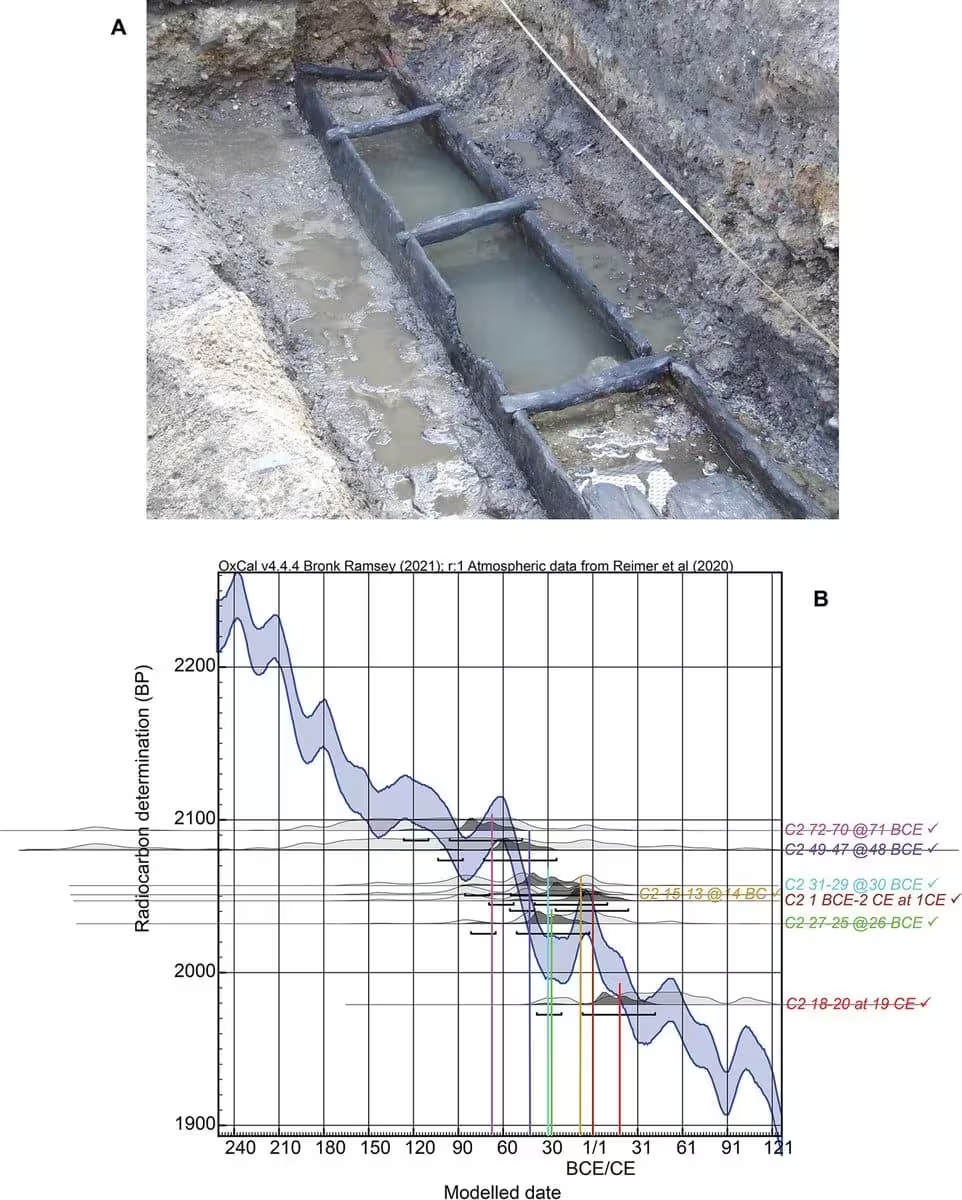
To resolve this, the Cornell team partnered with researchers at the University of Groningen to develop a chemical cleaning process capable of removing 99.9% of the PEG from the wood samples. They successfully validated this technique using Roman-era timbers from Colchester, England, which had already been accurately dated via dendrochronology.
Cargo as a Timekeeper
Once the cleaning method was perfected, the researchers turned their attention to organic materials salvaged from the wreck. They analyzed a small, untreated wood fragment that had been stored in water for over 50 years, alongside biological remains such as a goat or sheep ankle bone and thousands of almonds recovered from the ship’s storage amphorae. The study, published in PLOS ONE, used these short-lived samples to create a high-precision statistical model, placing the sinking with 68.3% probability in the 286-272 BCE window.
Recalibrating Global History
The research also revealed a significant discrepancy in the standard radiocarbon calibration curve for the period between 350 and 250 BCE, which had previously relied on outdated measurement technology. By analyzing known-age sequoia and oak samples, the team identified a spike in radiocarbon production caused by a solar activity minimum near 360 BCE, allowing them to recalibrate the data for that era.
This correction has implications far beyond the Kyrenia ship, offering a more accurate chronological yardstick for archaeological sites across the northern hemisphere. As Manning noted, the impact of the study is twofold: it provides a definitive date for a legendary shipwreck while offering a necessary update to the fundamental tools used by archaeologists worldwide.
This article has been fact checked for accuracy, with information verified against reputable sources. Learn more about us and our editorial process.
Last reviewed on .
Article history
- Latest version
Reference(s)
- “Sturt Manning.” <https://classics.cornell.edu/sturt-manning>.
- Manning, Sturt. “A revised radiocarbon calibration curve 350–250 BCE impacts high-precision dating of the Kyrenia Ship.”, vol. 19, no. 6, pp. e0302645, doi: 10.1371/journal.pone.0302645. <https://journals.plos.org/plosone/article?id=10.1371/journal.pone.0302645>.
Cite this page:
- Posted by Vikram Desai